
Some everyday words began not as ordinary vocabulary but as brand names printed on product packaging and protected by trademark law. As certain products dominated their markets in the late 19th and early 20th centuries, people started using those brand names as convenient shortcuts for the products themselves. Over time, the original corporate origins faded and the names entered common speech.
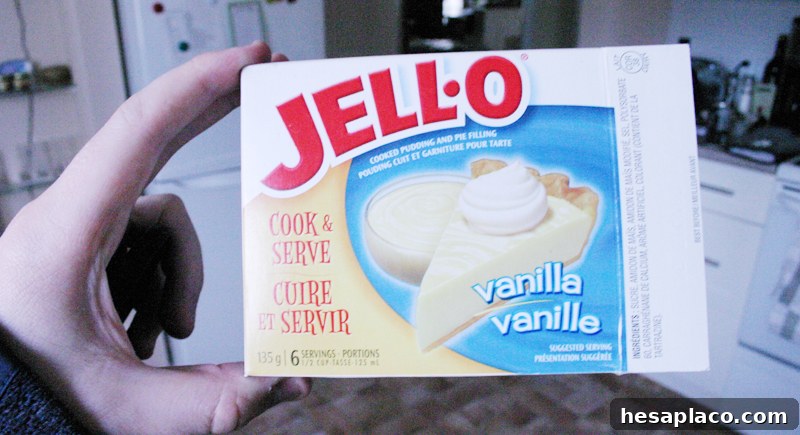
Jell-O
Credit: Wikimedia Commons
Originally a trademarked gelatin dessert developed in 1897, Jell-O became widely marketed and eventually acquired by larger food companies. It introduced ready-flavored gelatin to American kitchens during a boom in packaged foods. Because the brand became so prevalent, the term Jell-O is now commonly used in casual conversation to describe gelatin desserts in general.
Escalator

Credit: pexels
The term “escalator” was coined by Otis Elevator Company in 1897, blending the Latin “scala” with “elevator.” Early riders sometimes felt uneasy stepping onto the moving stairs, but the device quickly spread throughout shopping centers, airports, and transit stations. As public use grew, the trademarked name lost its exclusive association and became the generic term for moving staircases.
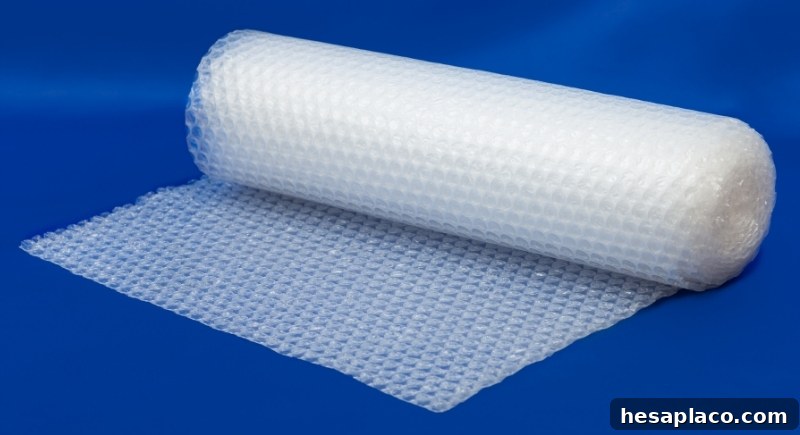
Bubble Wrap
Credit: Getty Images
Introduced by Sealed Air in 1957, Bubble Wrap transformed how fragile items are protected for shipping. Although the company secured a trademark later, the term had already become dominant in the packaging world. Today, people commonly call any air-filled cushioning “bubble wrap,” referring to the familiar pockets of air designed to absorb impact during transit.
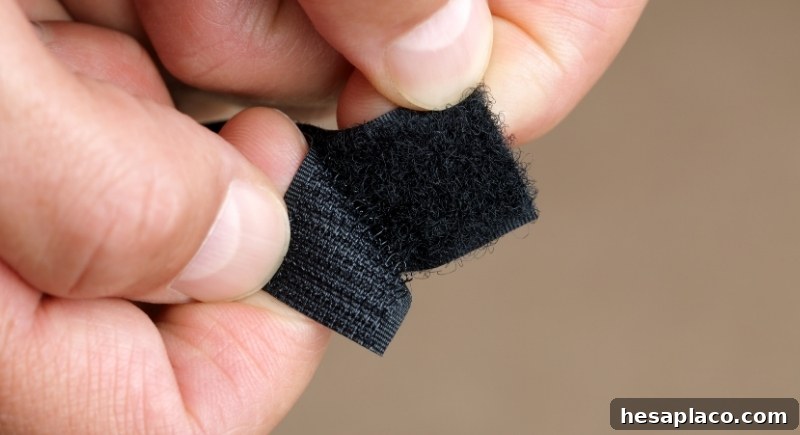
Velcro
Credit: Getty Images
A Swiss engineer’s observation of burrs clinging to clothing inspired the hook-and-loop fastener system that became known as Velcro. Velcro Industries owns the trademark and actively encourages correct usage of the brand name, yet many people use “velcro” generically to describe similar fasteners. The commercial name remains an important piece of the product’s identity.
Band-Aid

Credit: Canva
Johnson & Johnson trademarked Band-Aid in 1925, creating a standardized adhesive wound covering that soon became a staple in home first-aid kits. Although the company continues to protect the trademark, the name is often used colloquially to refer to any small adhesive bandage. Its widespread availability in pharmacies and households helped the brand name become everyday language.
Frisbee

Credit: pexels
Popularized by Wham-O in 1957, the Frisbee flying disc turned park games and beach tosses into a cultural pastime. Many people now call any flying disc a Frisbee, even though the trademark specifically belongs to discs produced by Wham-O. The name endures because the product helped define a widely enjoyed recreational activity.
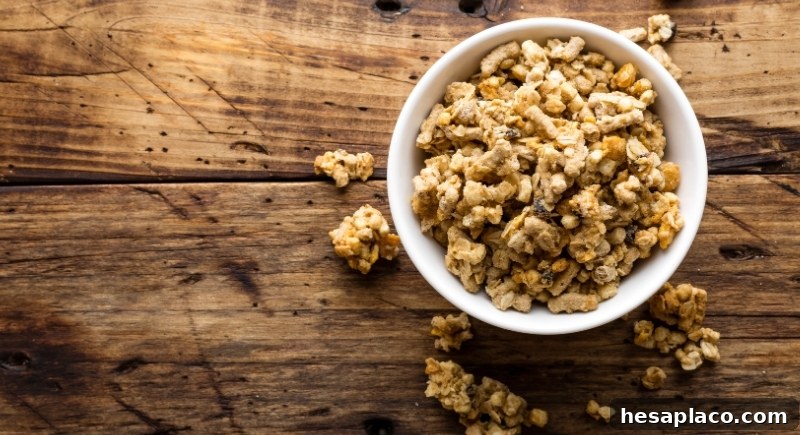
Granola
Credit: Getty Images
Granola began as a trademarked food product in the late 1800s, developed by the Kellogg company and based on toasted whole grains. As competing manufacturers introduced similar cereals, the term broadened to describe a wide category of toasted grain mixtures, often combined with nuts, seeds, or dried fruit. Today, granola is a common grocery aisle label rather than a single brand name.
Styrofoam
Credit: Getty Images
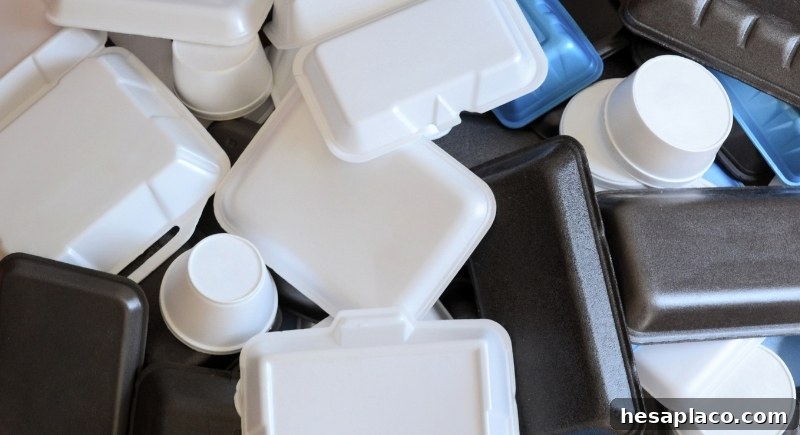
Styrofoam is a Dow Chemical trademark for a specific insulation material used primarily in construction. Despite this, consumers routinely use the word to refer to disposable foam cups, takeout containers, and packing blocks. The brand name’s association with everyday foam products has made it a default term, even though the trademarked material differs from many consumer foam goods.
Credit: Canva
Google’s search engine and suite of online services grew so influential that the company’s name entered everyday language as a verb meaning to search the internet. Registered as a trademark, Google is closely identified with web search and related services, and the term now encapsulates a whole generation’s approach to finding information online.
Scotch Tape
Credit: Canva
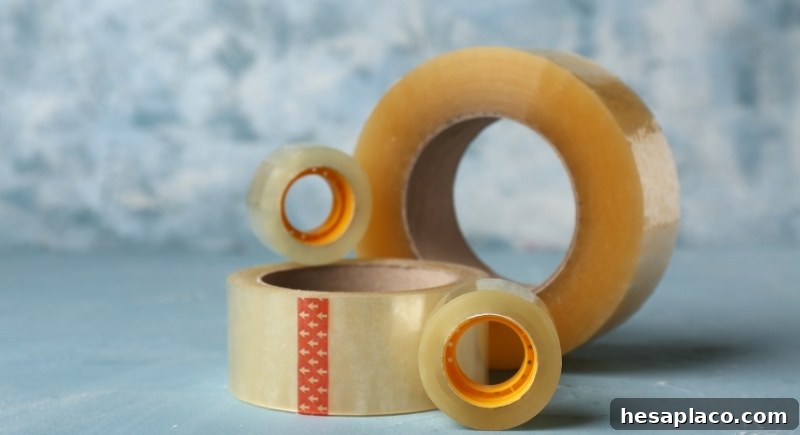
Introduced by 3M in 1930, Scotch Tape brought reliable transparent adhesive tape into homes and offices. The brand name became shorthand for clear, pressure-sensitive tape used for everyday repairs, gift-wrapping, and office tasks. Though 3M continues to own the trademark, many people use “Scotch tape” generically when referring to clear adhesive tape.
These examples show how brand names can move from exclusive trademarks to ingrained parts of everyday language. When a product defines a category or becomes ubiquitous, its brand name often becomes the simplest way to refer to that whole class of items.