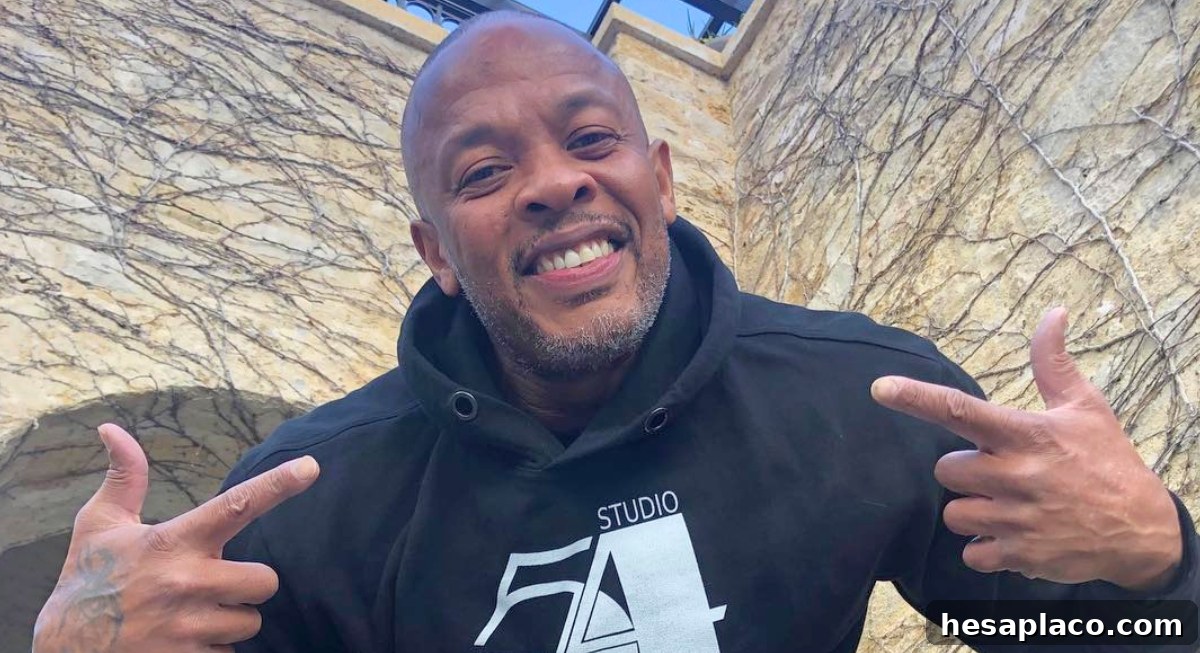
Before Beats by Dre existed, Dr. Dre had already lived several notable careers. He helped define West Coast rap in the late 1980s, launched the careers of artists such as N.W.A., Snoop Dogg, and Eminem, and became one of the most influential producers in contemporary music. By the early 2010s, Dre’s creative legacy was secure; his influence was measured less by output and more by the cultural authority his name carried.
The Long Road to Continued Relevance
Credit: Youtube
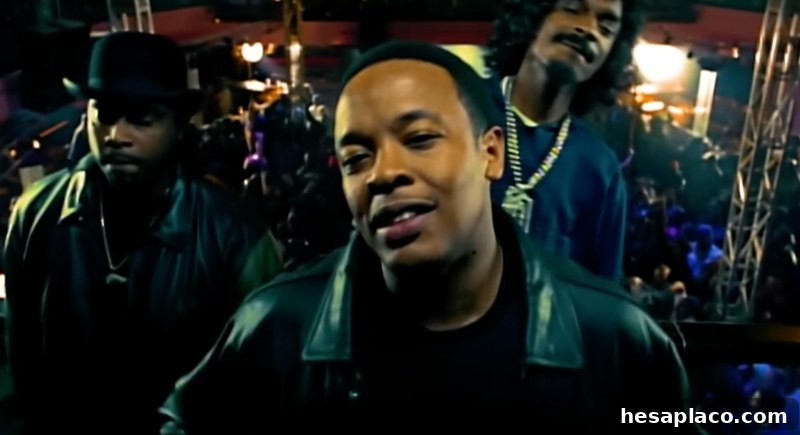
After years of shaping hip hop, Dre released music selectively, but his endorsement remained powerful. Emerging artists listened when he spoke, and industry executives paid attention when he entered the room. As hip hop moved into the center of mainstream culture, Dre remained one of the few figures whose credibility spanned generations.
Why the Early 2010s Were Pivotal
Credit: Wikimedia Commons
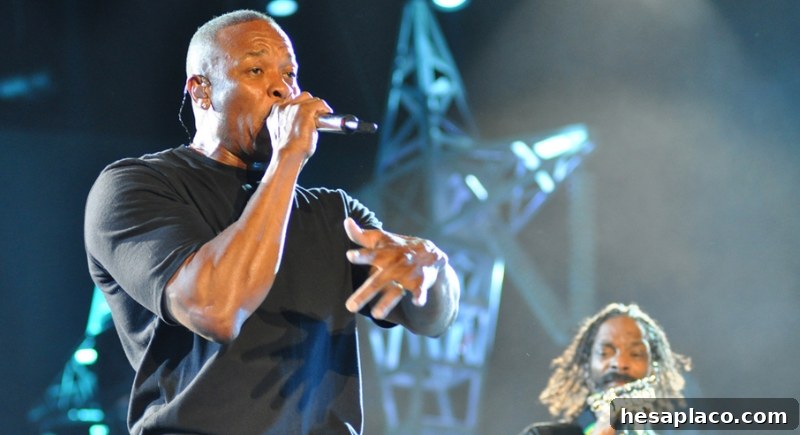
The early 2010s reshaped how success was measured in music. Streaming disrupted traditional sales, touring revenue became less predictable, and creators who relied solely on record sales found it harder to scale. Savvy figures began thinking like brand builders, looking for ways to convert cultural influence into durable products and businesses. For Dre, that moment demanded something tangible—an asset that could carry cultural credibility beyond the music itself.
The Birth of Beats by Dre
Credit: Wikimedia Commons
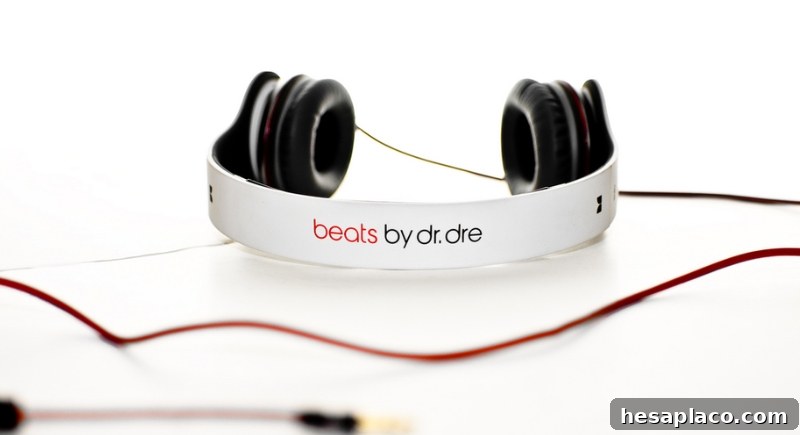
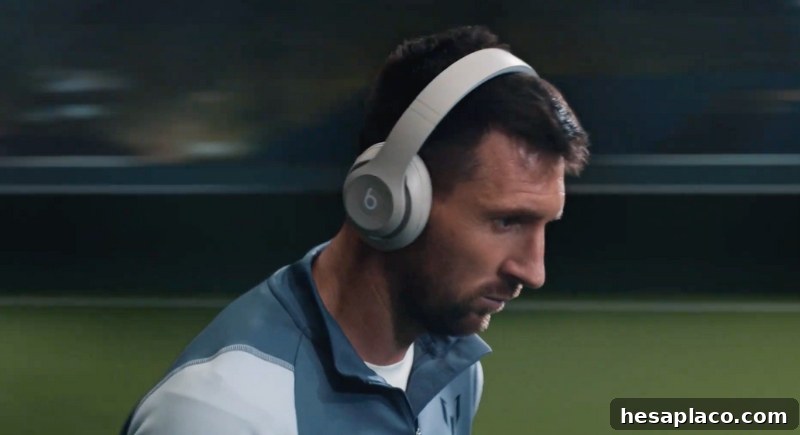
Launched in 2008, Beats positioned itself as a deliberate departure from traditional audio branding. The sound profile favored heavy bass, the design aimed to be highly visible, and marketing emphasized who wore the product as much as how it sounded. Quickly, Beats headphones became a status symbol, signaling cultural taste as much as audio preference.
Turning Cultural Credibility into Market Power
Credit: Youtube
By the time Beats reached its commercial peak, the headphones were ubiquitous. Athletes walked into arenas wearing them, artists placed them in videos, and everyday public spaces became inadvertent advertising. The brand’s association with Dr. Dre and Jimmy Iovine lent it cultural legitimacy, and that credibility translated into robust market demand.
Apple Comes Calling
Credit: pexels
As Beats consolidated its position in the premium headphone market, Apple entered negotiations with Dre and Jimmy Iovine. The talks quickly moved beyond exploratory conversations. Apple wanted more than hardware: it sought the brand, the streaming ambitions, and the cultural access Beats commanded. Early reports suggested a valuation of $3.2 billion—an indicator of how highly the firm and its assets were prized.
The Importance of Silence

Credit: Getty Images
Deals of this scale require careful coordination. Lawyers manage disclosures, and acquirers often plan tightly controlled announcements to manage market reaction. Jimmy Iovine repeatedly cautioned the Beats team that public chatter could jeopardize timing and negotiating leverage. Apple wanted to control the narrative around the acquisition to minimize market disruption and preserve strategic advantage.
A Studio Celebration Goes Public
Credit: Wikimedia Commons
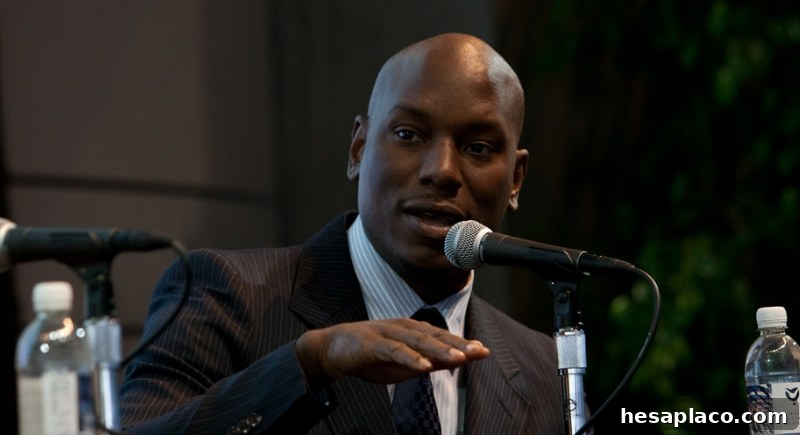
Control slipped during a late-night studio celebration when actor Tyrese Gibson filmed a spontaneous Facebook video. In it, Dr. Dre joked about his newfound wealth. The clip spread rapidly, and within hours media outlets treated it as confirmation of a finalized deal—even though negotiations were still in process.
Corporate Friction and Repercussions
Credit: Wikimedia Commons
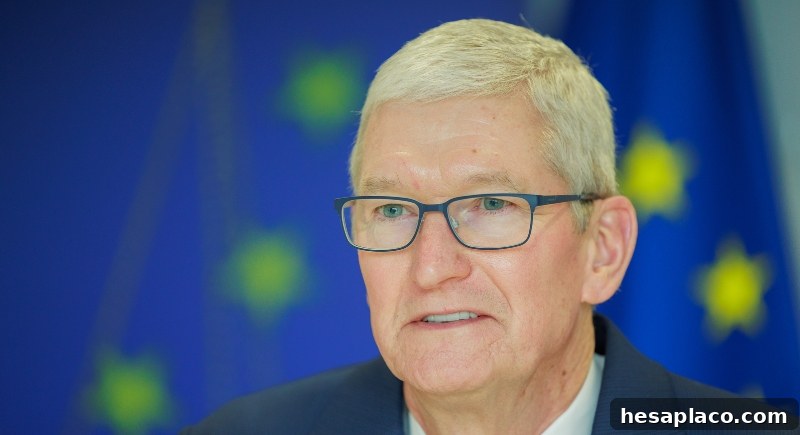
The video reached Apple leadership quickly. Tim Cook called Dre and Iovine to Cupertino for discussions. While Apple still intended to acquire Beats, the premature disclosure disrupted the company’s carefully planned timeline and introduced friction into negotiations. Executives made it clear that the leak would be factored into final terms.
The Price and the Title That Almost Was

Credit: Getty Images
When the acquisition closed, the headline number had shifted. Apple acquired Beats for $3 billion rather than the $3.2 billion figure that had circulated earlier. That $200 million swing had tangible consequences: after taxes and ownership splits, the revised total left Dr. Dre just short of billionaire status. The deal went through, but the premature leak had reduced negotiating leverage and altered the final payout.
What Came After

Credit: Youtube
Ultimately, Beats was integrated into Apple, and both Dre and Jimmy Iovine took on executive roles within the company. Apple later launched Apple Music, in part building on relationships and momentum from Beats’ industry connections. Over time, headlines celebrated other milestones—such as Jay-Z being recognized as hip hop’s first billionaire—leaving Dr. Dre’s near-miss as one of the more discussed what-ifs in music business history.