
Using cash can feel practical, but for many transactions it’s worth rethinking. Paying with paper money often eliminates important protections, rewards, and documentation that digital payments provide. Below are common situations where non-cash methods—credit cards, debit cards, checks, or electronic transfers—generally offer better security, proof, and convenience.
Electronics

Credit: iStockphoto
When you buy phones, laptops, or TVs with cash, you often forfeit purchase protection, extended warranty benefits, and fraud coverage that many credit cards provide. A card payment creates a clear record you can use to dispute charges or pursue claims if an item fails or is stolen. Without that trail, resolving problems becomes harder.
Flights

Credit: iStockphoto
Most airlines require a card for bookings, and even when cash were accepted it would forfeit benefits such as travel insurance, loyalty points, and fraud protection. Card payments also make it easier to request refunds or credits when flights are changed or canceled.
Rental Cars

Credit: iStockphoto
Car rental companies typically require a credit card to reserve a vehicle and to provide collision and liability holds. Some agencies won’t accept cash, while others demand large cash deposits and additional ID. Using a card usually includes insurance benefits and simplifies disputes over damages.
Hotel Bookings

Credit: iStockphoto
Hotels usually require a card on file for reservations and incidental charges. Paying in cash can lead to higher deposits or even denial of the booking, and you’ll miss out on loyalty points and card-backed protections if issues arise with billing or cancellations.
Online Purchases

Credit: freepik
Cash can’t be used for online shopping, and debit cards typically provide fewer dispute rights than credit cards. If merchandise doesn’t arrive or a seller is fraudulent, credit card disputes are often the most effective way to recover funds.
Concert or Event Tickets

Credit: iStockphoto
Buying tickets in cash, especially from secondary sellers, increases the risk of fraud and counterfeit tickets. Card payments create a transaction record you can use to dispute a purchase or pursue reimbursement if the event is canceled or the ticket is invalid.
Furniture or Appliances

Credit: freepik
Stores often offer financing or discounts for cardholders that aren’t available for cash buyers. If there is a delivery problem or a defective product, having a digital payment record simplifies returns and warranty claims—something cash can complicate.
Jewelry

Credit: freepik
High-value jewelry purchases should come with verifiable documentation. Paying in cash makes it harder to insure, appraise, or return an item and can raise unnecessary scrutiny. Traceable payments create a reliable purchase history.
Tuition Payments

Credit: iStockphoto
While some institutions accept cash, most prefer checks or online payments because they generate records used for financial aid, scholarships, and tax credits. Cash can slow processing and complicate documentation for education benefits.
Medical Bills

Credit: freepik
Hospitals accept cash, but reimbursement through insurance or health savings accounts is simpler with digital receipts. Electronic payments make it easier to dispute billing errors, track out-of-pocket expenses, and claim deductions.
Business Expenses

Credit: iStockphoto
For business owners and freelancers, cash complicates bookkeeping and tax reporting. Paying by card or check helps separate business and personal expenses, provides documentation for audits, and simplifies accounting and expense tracking.
Donations

Credit: iStockphoto
Charities generally cannot issue tax-deductible receipts for anonymous cash gifts without donor information. Cards and checks create a traceable record that you can use for tax documentation and to confirm your support.
Travel Bookings

Credit: iStockphoto
Booking tours, cruises, or packaged vacations with a card often includes travel insurance, cancellation protection, and fraud safeguards. Cash eliminates these built-in layers of security and makes it harder to recover funds if plans change.
Monthly Subscriptions
Credit: iStockphoto
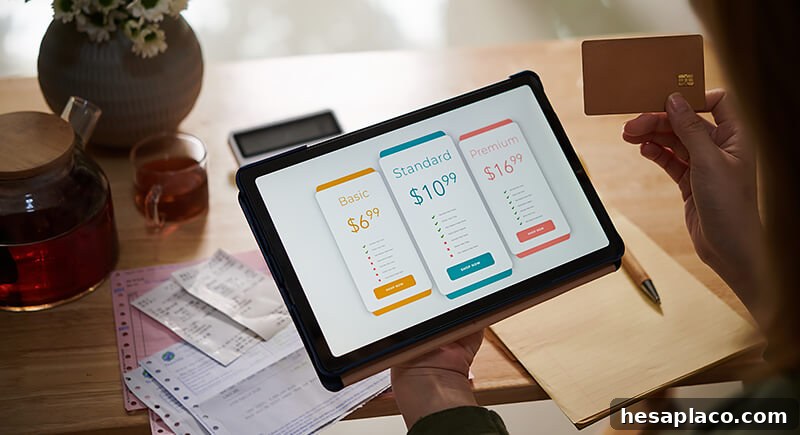
Streaming services, memberships, and software plans generally require recurring electronic payments. Cash can’t support auto-renewal, and using a card helps prevent service interruptions and offers easier dispute resolution for billing errors.
Home Repairs

Credit: iStockphoto
If a contractor insists on cash only, treat that as a warning sign. Cash payments remove your proof of payment and limit options for disputing poor workmanship. Written contracts and digital payments help enforce agreements and document progress.
Car Down Payments

Credit: iStockphoto
Large cash car purchases can trigger reporting requirements and complicate financing terms. A cashier’s check, wire transfer, or card payment is more secure, helps preserve eligibility for rebates or financing perks, and creates an auditable record.
Luxury Goods

Credit: iStockphoto
High-end retailers often prefer traceable payments for expensive purchases. Paying by card establishes a verifiable history that helps with returns, repairs, insurance claims, and resale—advantages you lose when you pay in cash.
Large Electronics Repairs

Credit: iStockphoto
If a repair shop accepts cash and fails to fix the problem, your remedies are limited. Card payments let you dispute charges for incomplete or poor-quality work and provide a record of maintenance expenses for warranties and resale value.
Tax Payments

Credit: iStockphoto
The IRS permits cash tax payments in limited circumstances, but they require extra steps and third-party processing. Electronic payments, checks, or IRS Direct Pay are usually faster, simpler, and provide definitive proof of payment.
High-End Luxury Watches

Credit: iStockphoto
Paying cash for an expensive watch may feel dramatic, but it removes a documented payment history that helps with insurance claims, authenticity disputes, and resale. Card payments offer additional purchase protection and a clear trail if future questions arise.
Utility Bills and Remittances

Credit: iStockphoto
Paying utilities or sending money home in cash can create disputes and tracking headaches. Electronic payments provide timestamps, confirmation numbers, and secure channels that reduce the risk of funds getting lost. For remittances, regulated transfer services add protections that cash lacks.
In short, cash still has its place for small purchases, privacy, or situations where digital options aren’t available. But for large, complex, or high-risk transactions, traceable and protected payment methods usually deliver better security, documentation, and peace of mind.