
Most people end emails with familiar closers like “Best,” “Thanks,” or “Sincerely.” Lately, though, a growing number of people have turned email sign-offs into a creative outlet. These final lines run the gamut from baffling to oddly poetic, and they do something unexpected: they make recipients pause and sometimes even look forward to an email’s ending. Below are ten memorable sign-offs that have earned a place in the unofficial workplace hall of fame for their wit, edge, or sheer audacity.
“Warmly (But Not Kindly)”

Credit: Canva
This one turned up in a job application and stuck in the recipient’s head. The sudden tonal flip makes it difficult to know how to respond. Even a well-intentioned reply can feel awkward; the safest reaction might be to step away from the keyboard. It’s concise, unnerving, and memorable for that exact reason.
“May the Lord Forgive Your Sins”

Credit: pixelshot
Allegedly used by an HR lead, this sign-off flirts with the edge of workplace appropriateness. Meant as a quirky joke, it can instead read as vaguely threatening, prompting recipients to double-check their recent messages for anything remotely suspect. It’s risky humor that lands differently depending on the context and the reader.
“Living the Dream, One Nightmare at a Time”

Credit: Getty Images
This sign-off works because it refuses false optimism. Instead of pretending everything is fine, it meets the workday where it is—pressure, deadlines, and all. That frankness resonates during crunch times when teams are stretched thin, and its wry acceptance of chaos often lands in internal threads to signal solidarity.
“Have a Monday”

Credit: Getty Images
Short, blunt, and impossible to misinterpret, this closer sounds neutral on the surface but carries a sharp undercurrent. One employee reported receiving it after delivering bad news to a manager; its flatness left a chill that lingered. It doesn’t console or encourage—just names the day and walks away.
“Pandemically Yours”

Credit: pexels
Born in the early days of remote work, this sign-off carried the weary, dry humor of 2020. Managers used it with a rueful cheer that acknowledged hard times without tipping into despair. While it may feel dated now, it captured a moment when lighthearted language helped keep email threads human.
“Live, Laugh, Leave Me Alone”
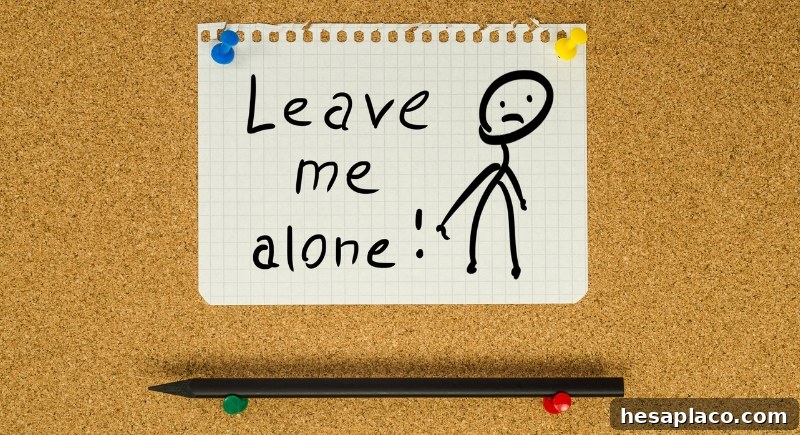
Credit: Getty Images
A sharp twist on the ubiquitous “Live, Laugh, Love,” this version became a cult favorite for reinforcing boundaries without outright admonishment. Often used in group threads after someone adds a “quick” request late in the evening, it delivers a humorous but clear message: unless it’s urgent, don’t expect a reply after hours.
“At Your Cervix”

Credit: Getty Images
Mostly seen in medical or birth-related workplaces, this sign-off is contextually appropriate yet undeniably bold. Its staying power comes from audacity and specificity—few people can say they received a professional email capped with a pelvic pun. In the right environment it reads as playful expertise; elsewhere it would likely raise eyebrows.
“Hope You’re Staying Positive and Testing Negative”

Credit: Canva
Another pandemic-era favorite, this sign-off balances genuine concern with a wry turn of phrase. It functioned as a sincere well-wish and a light reminder about precautions. In a brief line it managed to be caring, timely, and slightly clever—qualities that helped people feel seen during a difficult period.
“With Palpable Vibes”

Credit: Canva
No one could quite agree what this one meant, which is part of its charm. It sounded earnest and expressive but never landed on a concrete meaning, so recipients often re-read the email to make sure they hadn’t missed a joke. Its ambiguity made it a favorite topic of office gossip, and it quietly became a signature for whoever used it.
“Have the Day You Deserve”

Credit: Canva
This sign-off instantly shifts the tone of an email. Read one way, it sounds kind and well-meaning; read another, it’s quietly cutting. That deliberate ambiguity makes it particularly effective after tense exchanges, where maintaining professionalism is essential but warmth isn’t necessary. It says a lot without saying much.
These playful, pointed, and sometimes baffling sign-offs show that a short line at the end of a message can carry real tone and meaning. Whether they prompt a laugh, a groan, or a reflective pause, the best closers leave an impression—and occasionally, they make reading emails a little more interesting.