
You might glance at a worn $1 bill and assume it’s just spending money, but it’s worth a closer look—especially for collectors. Some dollar bills carry distinctive traits that set them apart: printing quirks, unusual serial-number patterns, and historical variations. Below are the types of $1 bills collectors prize and what to watch for when deciding whether a note might be more valuable than its face value.
Star Notes
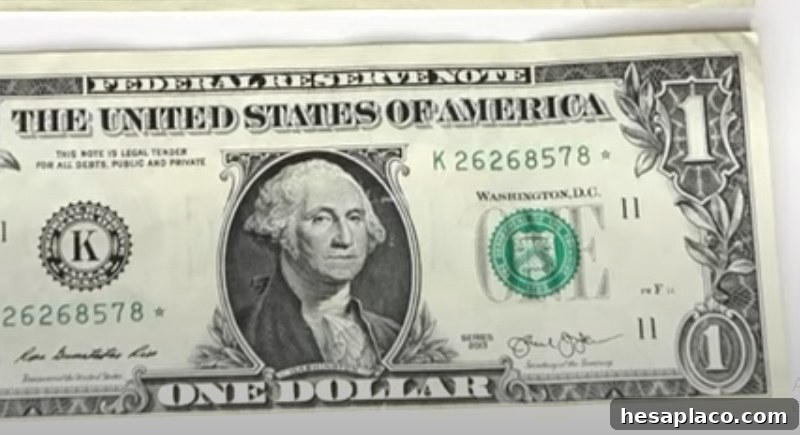
Credit: Youtube
A small star next to a bill’s serial number indicates a replacement note. When a bill is damaged during production, a star note is printed to replace it. Because only the needed number of replacements is produced, star notes are scarcer than standard issues. Some series and Federal Reserve runs produce particularly limited quantities, making those star notes more desirable.
Low Serial Numbers
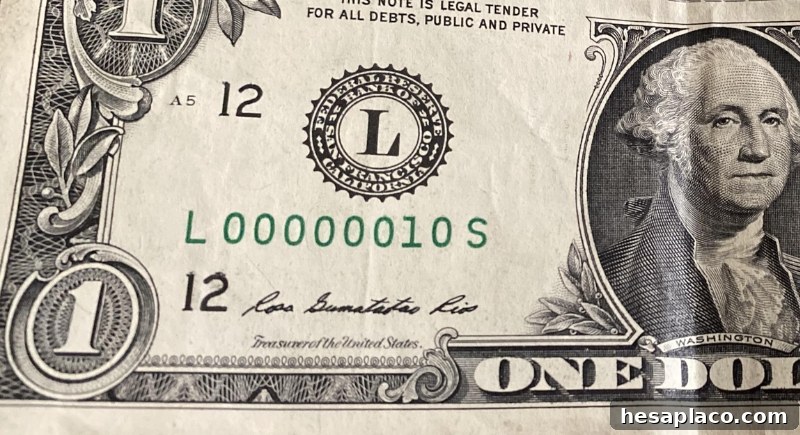
Credit: Reddit
Serial numbers that begin with several zeros—such as 00000024—are prized because they indicate the earliest notes from a print run. Collectors especially value numbers under 00000100. These low-numbered bills are uncommon in circulation, and when preserved in good condition they can command prices well above face value.
High Serial Numbers
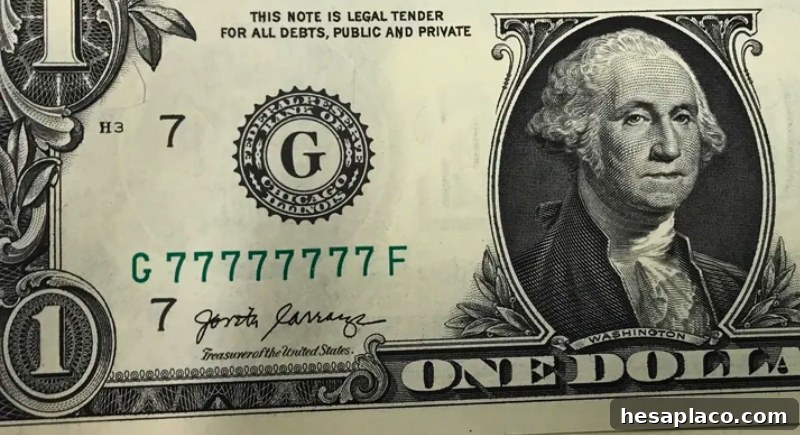
Credit: Reddit
At the opposite end, high serial numbers that approach the run’s maximum—like 99999976—are also notable. They are less sought-after than very low numbers but still appealing, particularly when the run was small or otherwise limited.
Repeater Serial Numbers
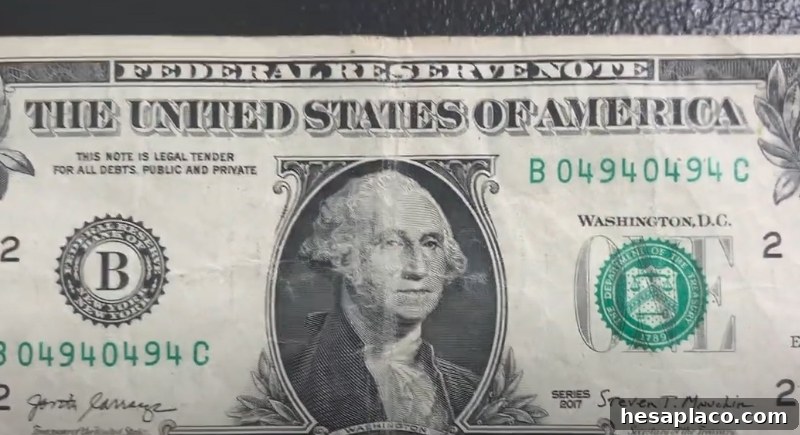
Credit: Youtube
“Repeater” serials form repeating patterns, such as 47474747. These aren’t production errors—just numerical coincidences—but their visual symmetry attracts collectors. The cleaner and more consistent the repetition, the more interest the note typically receives.
Radar Serial Numbers
Credit: Youtube
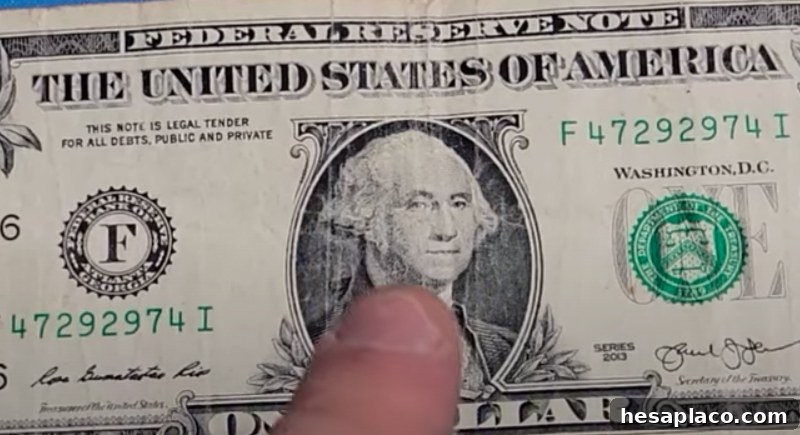
Radar notes read the same forward and backward—palindromic serials like 2455542. These occur by chance during printing and aren’t deliberately produced, but finding one in crisp condition is uncommon enough to make it desirable to collectors.
Binary Serial Numbers
Credit: Reddit
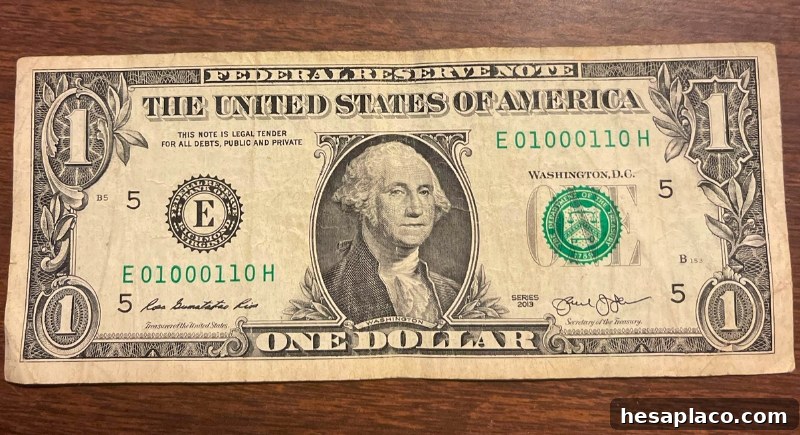
Binary serials use only two digits, for example 10101010 or 23232323. They’re visually orderly and relatively uncommon, which appeals to collectors who favor patterns and balance. Alternating or symmetric binaries tend to be more sought-after.
Solid Serial Numbers
Credit: Youtube
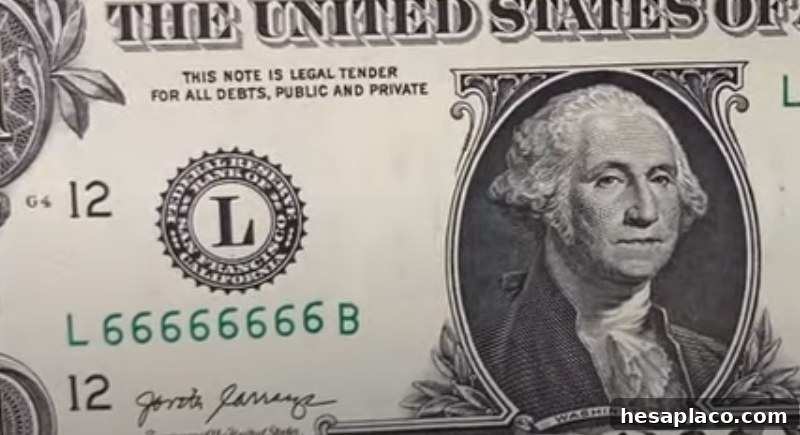
Solid serials—like 88888888—consist of eight identical digits. They are exceedingly rare (roughly one in ten million) and therefore highly collectible. Cultural associations with certain digits—such as the number 8 being considered lucky in some countries—can further increase demand for specific solid numbers.
Ladder Serial Numbers
Credit: Youtube
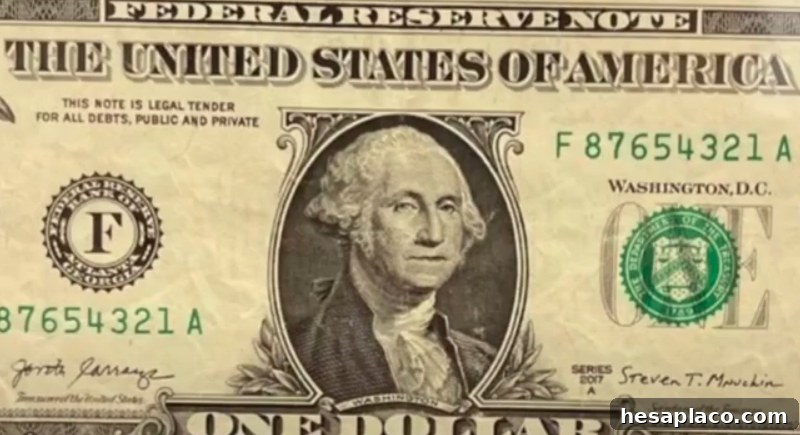
Ladder serials—such as 12345678 or 87654321—are complete ascending or descending sequences. They’re rare in circulation because only a handful exist per print run and most are removed before widespread use. When a genuine ladder appears in high grade, it typically attracts quick interest.
Mismatched Serial Numbers
Credit: Reddit
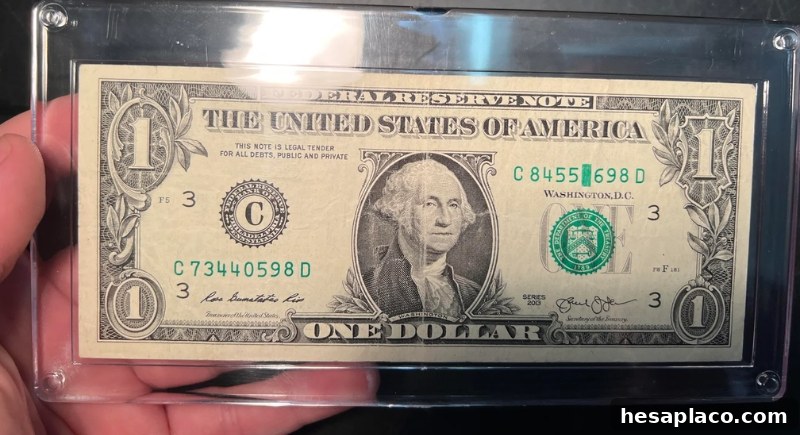
U.S. notes normally have identical serial numbers printed on both sides of the face. On rare occasions, a production error produces mismatched left and right serials. If the discrepancy is authentic and not the result of tampering, such errors can make a bill highly collectible—especially when the mismatch is clearly visible and the bill is well preserved.
Misaligned Printing
Credit: Reddit
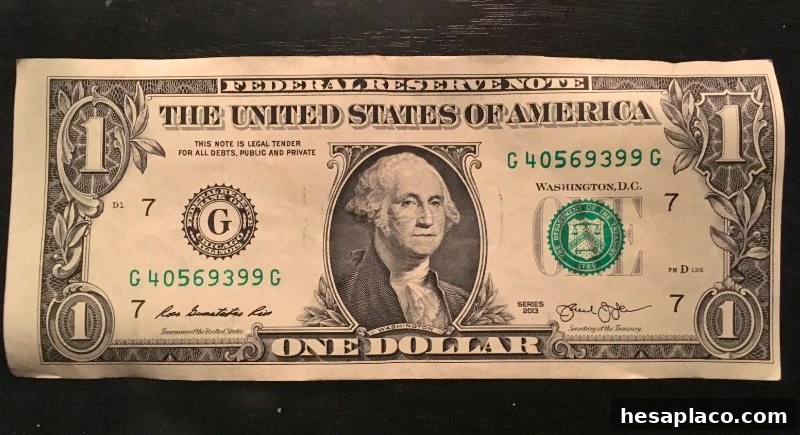
Misalignment errors occur when printed elements—seals, serials, or portraits—are noticeably shifted from their intended positions. These mechanical mistakes are uncommon and can be of interest to collectors, but the bill’s condition is crucial: wear or dirt can obscure whether a shift is an error or just damage.
Inverted Overprints
Credit: Reddit
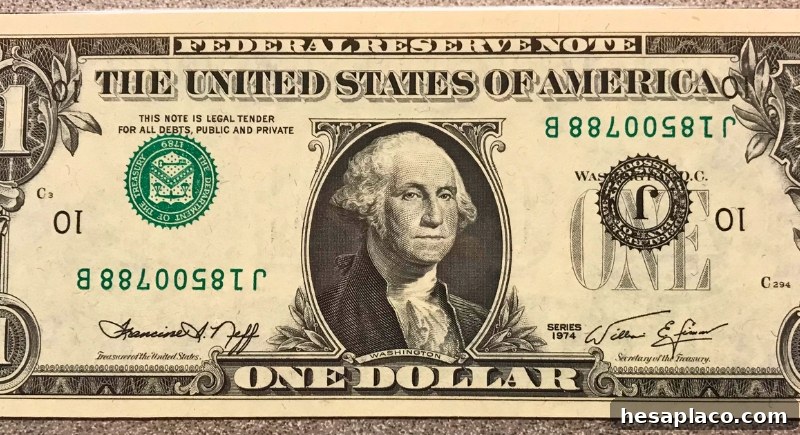
An inverted overprint happens when the Treasury seal or serial numbers are accidentally printed upside down relative to the rest of the design. These are rare mechanical errors, typically caused by sheets being fed incorrectly into the overprinting press, and can be collectible when authenticated.
Web Notes
Credit: Reddit
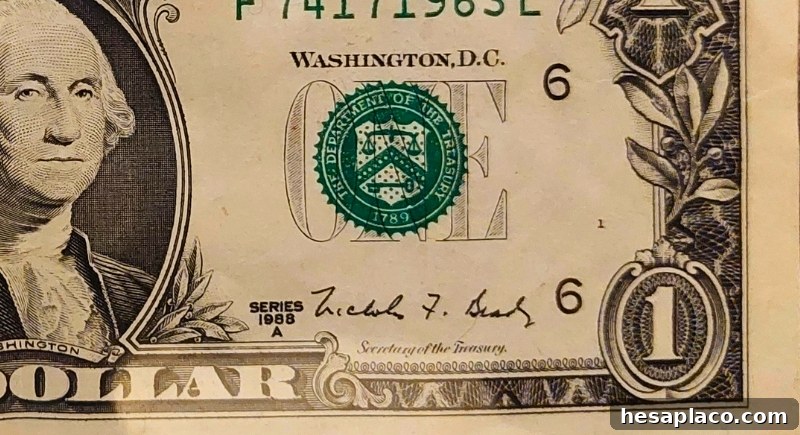
In the late 1980s and early 1990s, the Bureau of Engraving and Printing briefly used a web-fed process that printed on rolls instead of sheets. These “web notes” closely resemble sheet-fed notes but lack a plate position letter in the lower right corner of the front. They are a definite variant to look for if you’re collecting modern anomalies.
Older Series
Credit: Youtube
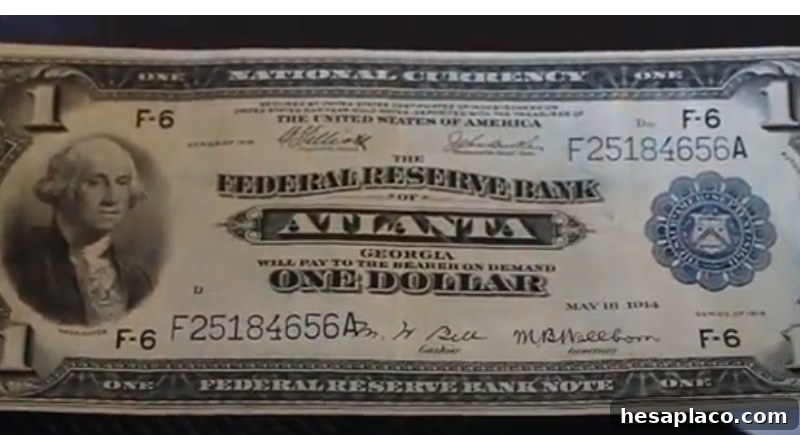
Age alone doesn’t guarantee value, but scarcity and condition matter. Early 20th-century one-dollar bills—like those from 1917 or 1923—were printed on different paper and in larger sizes, and many were worn out or destroyed over the decades. When found in excellent condition, certain older series can be significantly more valuable than face value.
Short-Term Signatures
Credit: Youtube
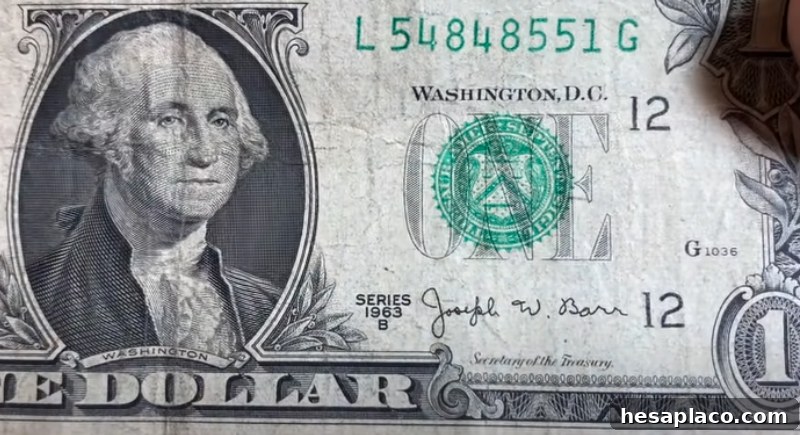
Bills are signed by the Secretary of the Treasury and the Treasurer. When one of those officials serves only briefly, notes bearing their signature can attract collectors. An example is Joseph W. Barr, who served as Treasury Secretary for only four weeks in 1968; his signature appears on the 1963B $1 series and makes those notes a point of interest.
Overall Condition
Credit: pexels
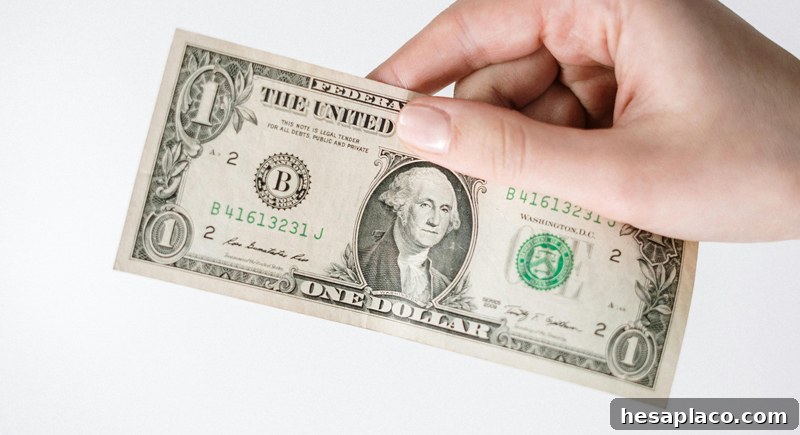
Regardless of rarity, condition is a major factor in value. Creases, tears, stains, and fading quickly reduce a note’s worth. Collectors seek sharp corners, no folds, and original crispness. A rare serial number on a well-preserved bill will far outpace the same number on a worn note.
Silver Certificates
Credit: Reddit
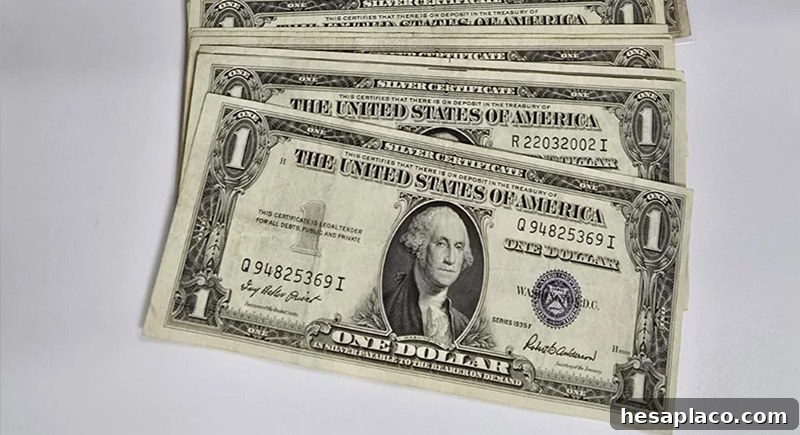
Some older one-dollar bills are labeled “Silver Certificate” instead of “Federal Reserve Note.” These were once redeemable for silver, and specific series in high grade are collectible. While they still function as legal tender, certain Silver Certificates command premiums among collectors due to their historical backing and relative scarcity in fine condition.
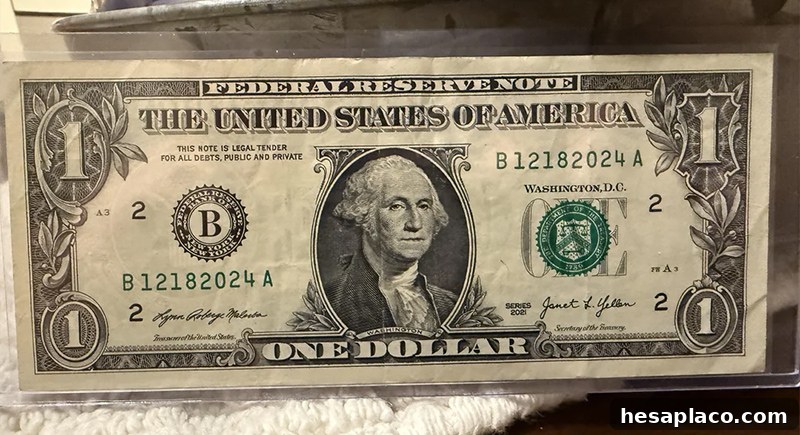
Birthday Serial Numbers
Credit: Reddit
“Birthday” serials resemble real dates—examples include 07041976 or 12251990—and are popular because they match birthdays or anniversaries. They’re not errors, but their personal resonance boosts demand among buyers seeking notes tied to a particular date.
In summary, many small features can elevate a $1 bill from ordinary currency to a collectible item: replacement stars, notable serial-number patterns, printing errors, older series, and short-term signatures. If you spot a bill with one of these traits and it’s in good condition, it may be worth holding onto or having professionally appraised by a reputable currency dealer or grading service.