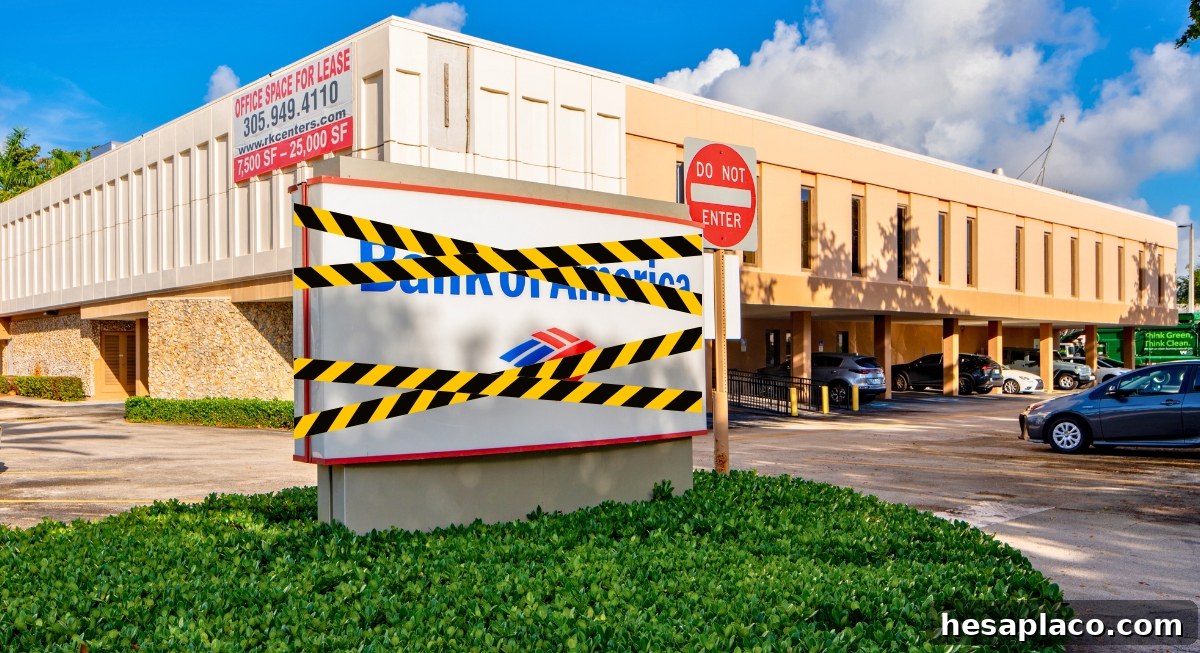
The U.S. banking system is under strain. High-profile failures, declining consumer trust, and persistent economic pressures have made the financial landscape feel precarious. Bank of America, one of the nation’s largest institutions, has recently attracted negative attention, but does that mean the entire banking system is collapsing or simply undergoing a difficult period of change?
The Cracks in the System

Credit: iStockphoto
Banks operate on trust. When depositors begin to doubt the safety of their funds, the system’s foundations are weakened. Over the past several years we have seen bank runs, liquidity crunches and heightened regulatory scrutiny that have exposed vulnerabilities and raised questions about how resilient banks truly are.
The 2023 Failures: SVB and Signature Bank
Credit: Reddit
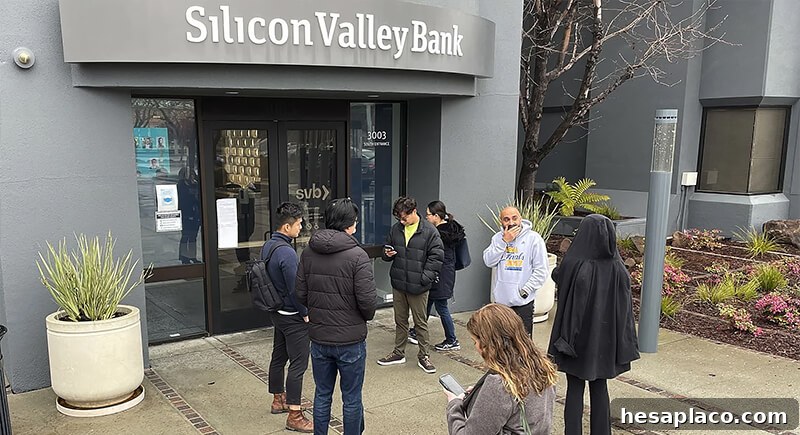
The sudden collapses of Silicon Valley Bank and Signature Bank in March 2023 were the largest U.S. bank failures since the 1930s and sparked widespread concern. Those collapses highlighted how quickly confidence can evaporate and how rapidly systemic risks can spread when institutions are exposed to similar vulnerabilities.
Bank of America Under Scrutiny
Credit: flickr
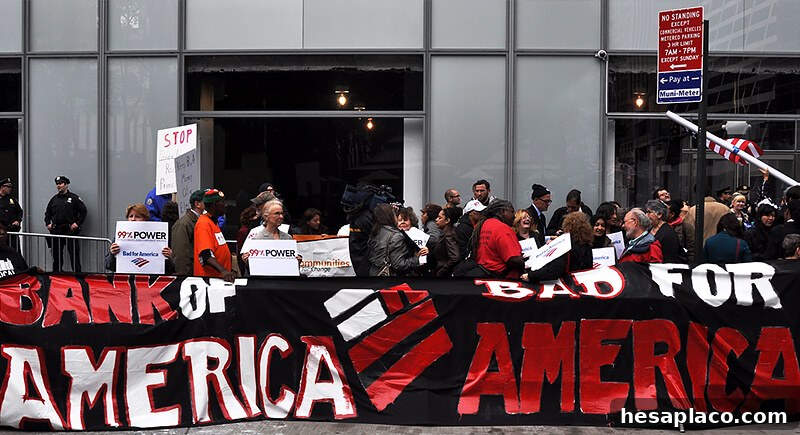
Bank of America has faced lawsuits over fees and customer frustration related to frozen transfers and service issues, which has dented its reputation. When a major bank loses consumer confidence or sees deposits withdrawn, the impact can ripple through markets and raise broader questions about stability.
The Federal Reserve’s Balancing Act
Credit: flickr
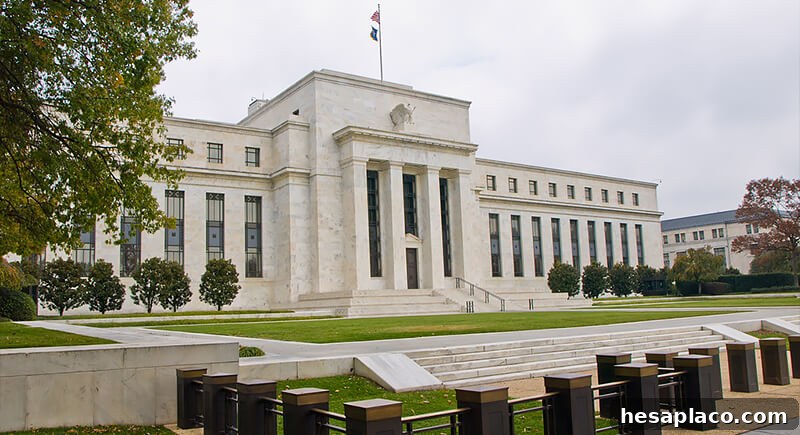
The Federal Reserve plays a central role in maintaining banking stability, but it must balance conflicting goals. Raising interest rates helps control inflation but can reduce banks’ profitability and increase loan defaults, which in turn places stress on bank balance sheets and increases the risk of losses for lenders.
Deposit Flight to Safer Returns

Credit: iStockphoto
Higher yields on Treasuries and other safe assets have enticed depositors away from traditional bank accounts. If this trend persists, banks may face liquidity pressures, making it harder for them to fund lending and meet withdrawal demands without selling assets, potentially at a loss.
Hundreds of Banks Face Elevated Risk
Credit: iStockphoto
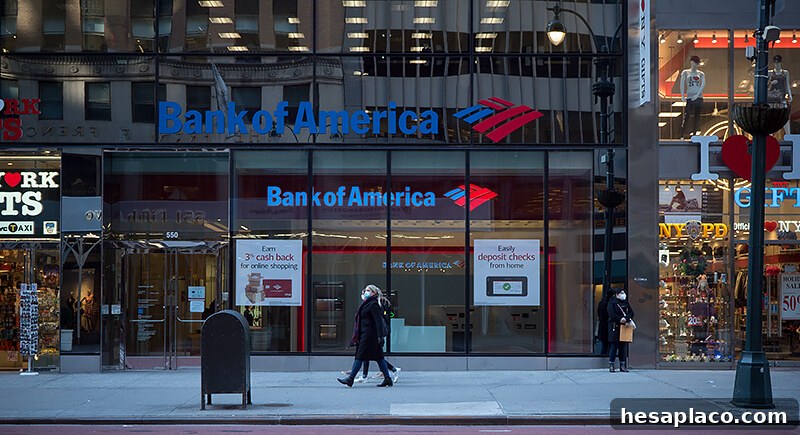
Analyses of the U.S. banking sector have highlighted that a significant number of banks face stresses from commercial real estate exposures and interest-rate-sensitive portfolios. Even if only a portion of these institutions experience severe losses, the interconnected nature of finance could amplify the fallout.
How Bank Failures Affect the Broader Economy
Credit: iStockphoto
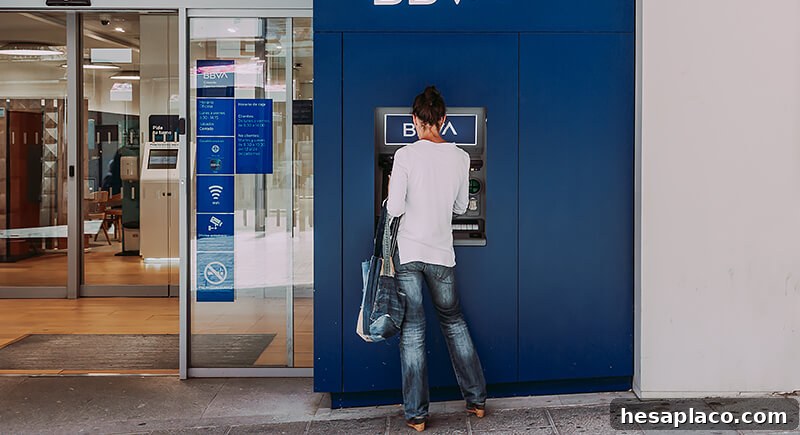
A bank closure does more than affect depositors. Credit lines can be withdrawn, lending can tighten, and businesses may lose access to the financing they need to operate. That can cause layoffs, delay investment projects, and slow economic growth—effects that ripple beyond the banking sector into the real economy.
A Crisis of Confidence
Credit: iStockphoto
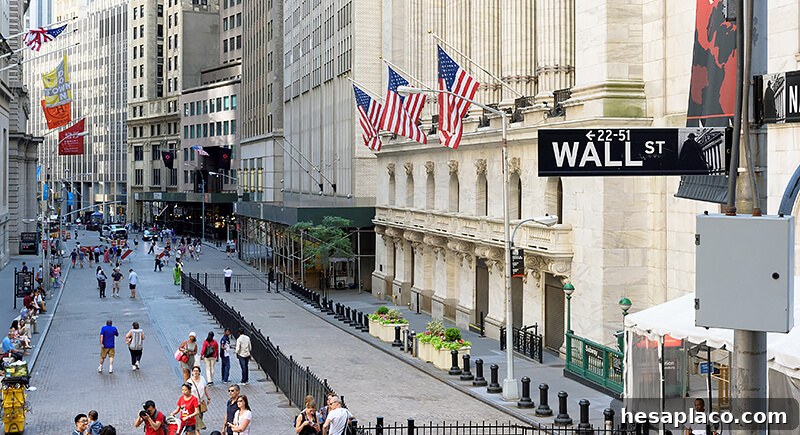
Consumer sentiment is a critical factor. Fear of losing savings can curb spending and investment, slowing demand across the economy. Financial markets also react to uncertainty, and turbulence in banking stocks can exacerbate broader market declines.
Potential Costs to Taxpayers

Credit: iStockphoto
When the government intervenes to stabilize the system—through deposit guarantees, emergency lending facilities or targeted support—taxpayers often bear some of the ultimate cost. Large-scale interventions can increase fiscal burdens and raise questions about moral hazard and long-term policy design.
Growing Public Concern

Credit: iStockphoto
Public worry about bank stability has risen. Surveys show a notable portion of Americans express significant concern about the health of financial institutions. While other issues like inflation or housing affordability may rank higher, increased anxiety about banks is an important indicator of shifting public trust.
Is the Banking System Collapsing?

Credit: iStockphoto
Despite the problems, the system is not on the brink of total collapse. Regulators and policymakers have intervened when systemic risks arise, and many banks remain well-capitalized. That said, the traditional banking model is under pressure and must adapt to new market realities and consumer expectations.
Alternatives to Traditional Banking

Credit: iStockphoto
Consumers now have more options: fintech firms, decentralized finance platforms and digital payment providers offer alternatives to traditional banks. These services often provide faster transfers, lower fees and more transparent pricing, pushing established banks to modernize or risk losing customers.
What Comes Next?
Credit: iStockphoto
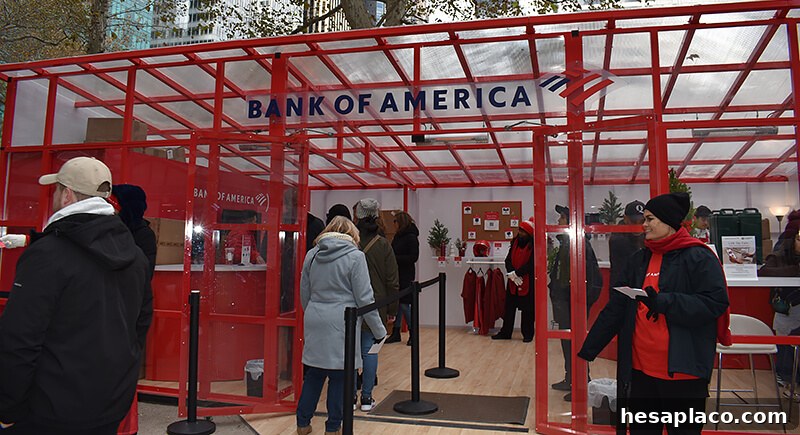
Bank of America and other large banks are unlikely to vanish overnight, but they face mounting pressures from regulation, changing consumer behavior and economic uncertainty. For individuals, a practical response is diversification: spread deposits across institutions, consider alternative financial products and stay informed about where your money is held. The banking sector is evolving — not collapsing — and those who adapt will be better positioned for whatever comes next.
Rising Credit Card Delinquencies

Credit: iStockphoto
Households are relying more on credit cards to meet everyday expenses, and delinquency rates have ticked up as budgets tighten. Higher interest rates make unpaid balances more costly, increasing the risk that rising delinquencies could weigh on bank earnings and consumer financial health.
Shadow Banking

Credit: Getty Images
Increasingly, lending and credit creation happen outside traditional banks through investment funds, private lenders and other nonbank entities—collectively known as the shadow banking sector. These players can expand credit quickly but often operate with less oversight, which raises concerns about unrecognized risks and vulnerabilities that could transmit stress back to the regulated banking system.