
If you grew up in America, you likely remember how much pride surrounds homegrown brands. Names like Levi’s, Ford, and Apple are closely tied to American origins, and many people assume these products are still made domestically.
In truth, manufacturing has shifted across multiple countries to manage costs, meet demand, and access specialized expertise. While branding and corporate headquarters often remain in the United States, the development and production processes frequently span the globe. Below is a clearer look at where several iconic American brands produce their goods today.
Levi Strauss & Co.
Credit: Wikimedia Commons
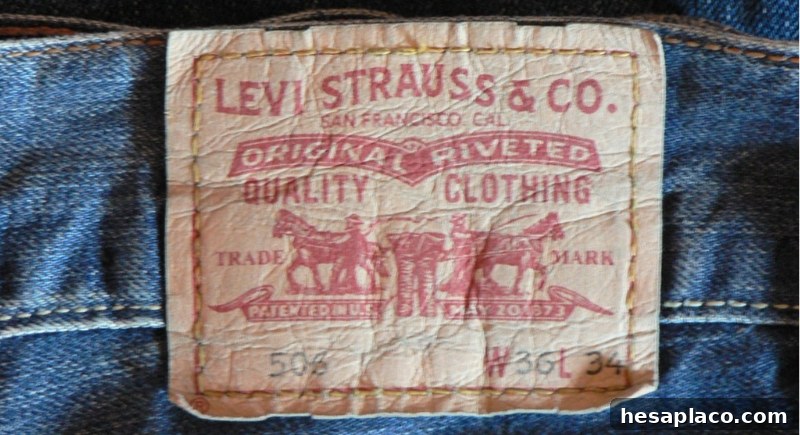
Levi Strauss & Co. still embodies the aesthetic of American workwear, but most of its jeans are manufactured in factories across China, Mexico, and Vietnam. A small portion of production remains in the U.S., but large-scale overseas manufacturing ensures steady output, competitive pricing, and reliable global distribution.
Rawlings
Credit: Wikimedia Commons
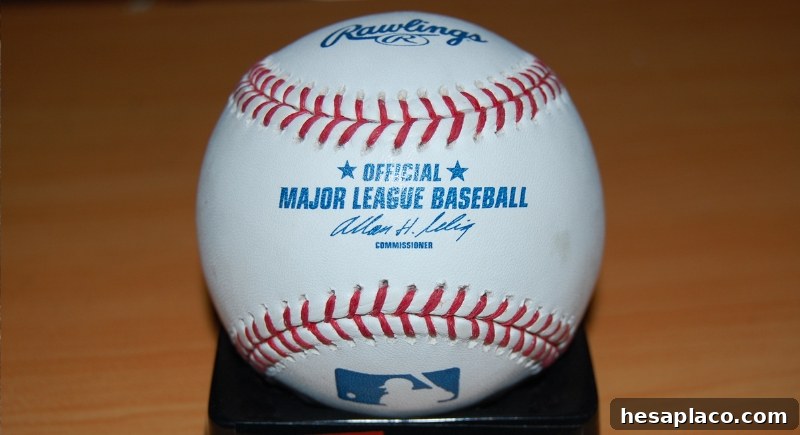
Official Major League baseballs made by Rawlings are assembled in Costa Rica. Although materials come from multiple countries, including the United States, skilled workers hand-stitch each ball, maintaining the precision and consistency required for professional play.
American Girl

Credit: Wikimedia Commons
American Girl dolls were originally produced in the United States, then in Germany, and are now primarily made in China. The brand’s pricing reflects not just manufacturing location but the broader product experience—dolls, accessories, and books that together create a curated offering.
Apple

Credit: pexels
Apple’s design and engineering teams are based in the United States, but large-scale assembly is carried out primarily in China by specialized manufacturing partners. Components are sourced worldwide and then assembled in centralized facilities. This model lets Apple achieve high-volume production with precision while focusing on product design, performance, and ecosystem integration.
Nike
Credit: pexels
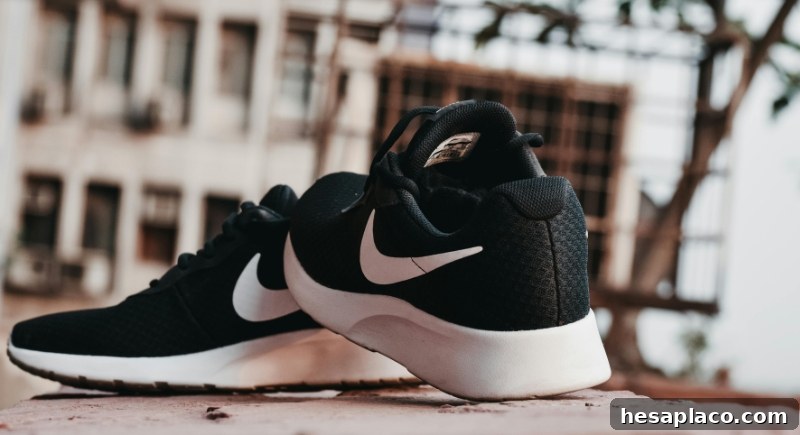
Nike shifted much of its production abroad early in its growth, expanding into Japan and then across Asia. Footwear manufacturing involves detailed manual work, and production in lower-cost regions has allowed Nike to scale while keeping retail prices relatively accessible.
Fender and Gibson

Credit: Wikimedia Commons
Fender and Gibson both started producing guitars in U.S. locations—California and Tennessee—and those roots shaped their role in American music culture. Today, many standard Fender models are produced in Mexico, while Gibson keeps most of its higher-end manufacturing in the U.S. Its Epiphone line handles a large share of overseas production in Asia.
Ford Motor Company

Credit: Wikimedia Commons
Modern vehicle production relies on parts and expertise from multiple regions. Ford coordinates a global supply chain in which components come from countries such as Japan, Germany, and China, and assembly for some models takes place in Mexico. This distributed approach leverages specialized skills and helps control costs while supporting global distribution.
Dell
Credit: Wikimedia Commons
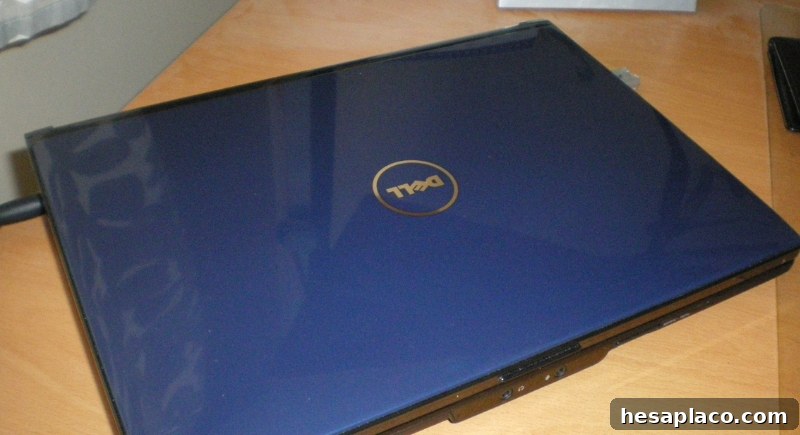
Dell remains headquartered in Texas, but much of its manufacturing occurs in Mexico. Lower labor costs and favorable trade arrangements support large-scale production, competitive pricing, and efficient supply chains, helping the company meet global demand and maintain market presence.
U.S. Steel

Credit: Wikimedia Commons
Once a symbol of domestic industrial dominance, U.S. Steel now operates within an international production network. The company still manufactures steel in the United States, but it also runs operations overseas. Expanding parts of its supply chain internationally has reduced costs and broadened market access.
L.L.Bean

Credit: Wikimedia Commons
L.L.Bean continues to finish signature items like the classic Bean Boots in Maine, preserving elements of the brand’s original craftsmanship. At the same time, many other products are manufactured overseas, including in China, to control costs and maintain a broad product assortment. This hybrid model keeps certain flagship items tied to domestic production while ensuring availability and competitive pricing across the catalog.
Overall, many iconic American brands balance heritage and global manufacturing. While design, branding, and corporate leadership often remain in the United States, production frequently reaches worldwide partners to optimize cost, capacity, and expertise. That global footprint drives lower prices, greater availability, and the large-scale production these companies need to serve customers around the world.