
Some artworks demand admiration; others demand conversation. The pieces below provoked intense reactions, divided opinion, and remained topics of public debate long after they first appeared. When collectors spent millions on these controversial works and NFTs, curiosity intensified: what determines value, who sets the price, and why do certain objects come to matter so greatly? These ten works became flashpoints not only for their content and context but for the sums they commanded and the conversations they sparked.
The Shark in Formaldehyde That Swam Into Art History
Credit: Youtube
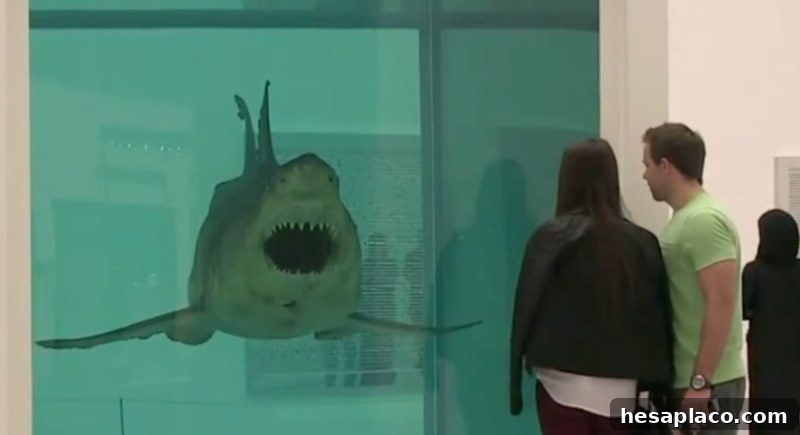
Damien Hirst’s The Physical Impossibility of Death in the Mind of Someone Living presents a preserved tiger shark suspended in a vitrine of formaldehyde. Upon its debut, the work provoked outrage and fascination alike for its use of an actual animal carcass. Critics called it sensationalist; supporters saw a stark meditation on mortality and display. In 2006, the piece reportedly sold for about $8 million to hedge fund manager Steve Cohen, a transaction that only amplified its notoriety and raised questions about how spectacle and celebrity shape market value.
Beeple’s Digital Collage That Changed the Game
Credit: Youtube
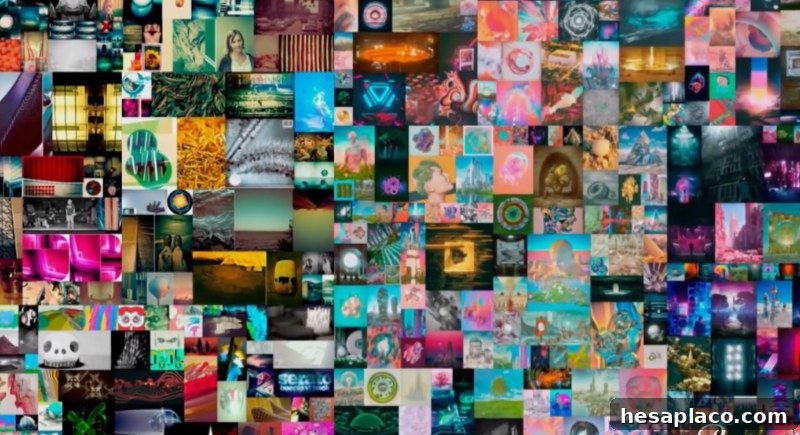
Mike Winkelmann, known as Beeple, compiled Everydays: The First 5000 Days by stitching together daily digital artworks created over more than a decade. Sold at Christie’s in 2021 for $69.3 million, the work marked a watershed moment for NFTs and digital art. The auction thrust non-fungible tokens into mainstream discussion, challenged assumptions about digital ownership, and showed how blockchain provenance could create extraordinary perceived value for images that can otherwise be widely shared online.
A Skull Made of Diamonds and Plenty of Opinions

Credit: Wikimedia Commons
For the Love of God, unveiled by Damien Hirst in 2007, is a platinum cast of a human skull encrusted with more than 8,000 diamonds. The work reportedly sold for roughly $100 million to a consortium of investors. To some observers it was a spectacle engineered for headlines—an extravagant display of wealth and shock. To others it functioned as a deliberate, if ostentatious, reflection on death, value, and how society elevates certain objects. The piece underscores how craftsmanship, concept, and celebrity can intersect to drive both admiration and controversy.
A Punk With a Price Tag
Credit: X
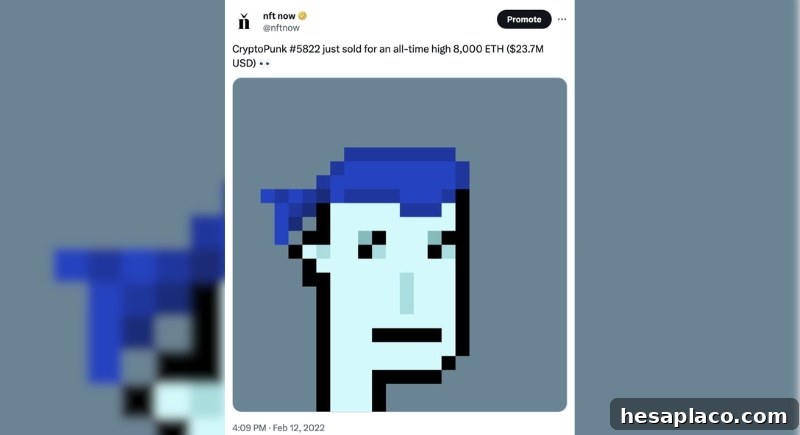
CryptoPunk #5822, a pixelated alien character sporting a blue bandana, became the priciest in the CryptoPunks series when it sold for $23.7 million in 2022. The buyer reportedly used decentralized finance (DeFi) mechanisms to complete the purchase. Its value lay largely in rarity—only nine punks are classified as aliens—and in the cultural cachet the collection had accrued among collectors exploring crypto-native status symbols.
The Rotting Cow Head That Summed Up a Cycle

Credit: Getty Images
A Thousand Years, another of Hirst’s confrontational works, incorporates a severed cow’s head, a colony of flies, and a bug zapper to present a live tableau of decay. The piece forces viewers to witness decomposition and the life cycle in real time, merging concept with visceral experience. In the 1990s collector Charles Saatchi reportedly purchased the work for a six-figure sum, drawn to its provocative power and its capacity to polarize public opinion about art and ethics.
The NFT That Ticked for Julian Assange

Credit: Getty Images
Clock, a collaboration between digital artist Pak and WikiLeaks founder Julian Assange, functioned as a countdown of Assange’s time in confinement and as a political statement. In 2022, a collective known as AssangeDAO purchased the piece for $52.7 million, raising funds for his legal defense. The work combined activism, fundraising, and digital art, using NFT technology to record a moment in political struggle and to mobilize a dispersed community around a common cause.
A Spot Painting With 10,000 Twins
Credit: Wikimedia Commons
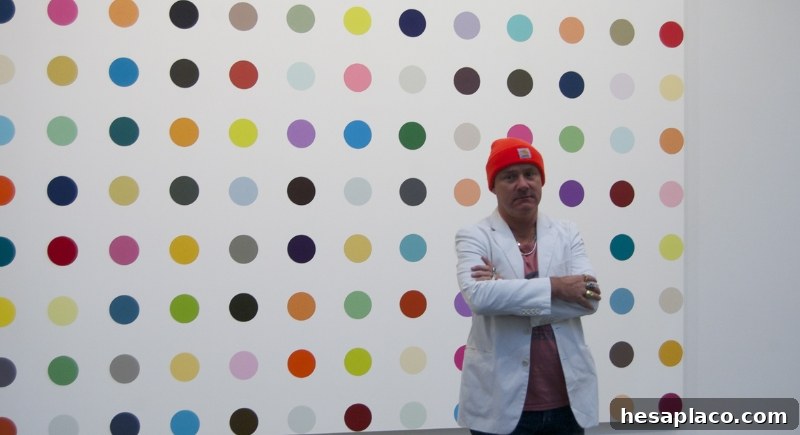
The Currency by Damien Hirst was an ambitious hybrid project: 10,000 individual spot paintings, each paired with an NFT. Buyers had to decide whether to keep the physical canvas or the digital token; those who chose the digital version saw the corresponding physical painting destroyed. The project reportedly raised over $89 million, and it reignited debates about authenticity, destruction as performance, and how scarcity—manufactured or real—shapes monetary and cultural value.
A Cowboy Punk With Crypto Swagger

Credit: Getty Images
CryptoPunk #5577, depicted wearing a cowboy hat and categorized among the collection’s rarer subtypes, sold for $7.7 million in 2022. Reports suggest the buyer may have been Robert Leshner, the CEO of Compound Finance. The cowboy hat trait appears on only a small fraction of punks, and such rarity traits helped the collection achieve near-mythic status among crypto collectors during the market’s boom years.
The NFT That Wasn’t a Painting
Credit: Instagram
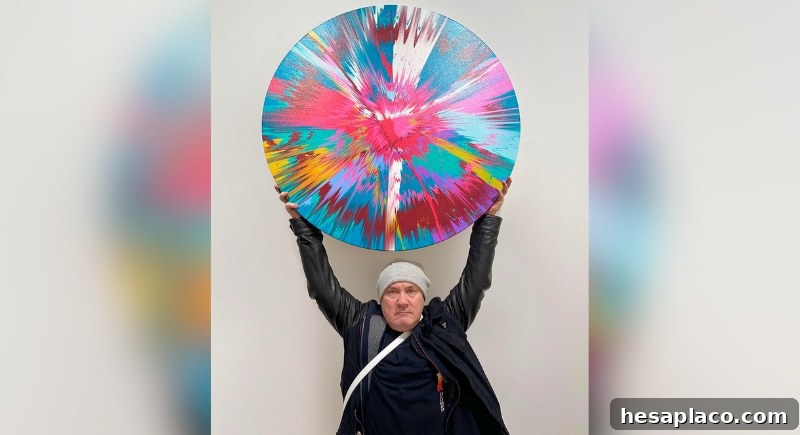
In 2023 Damien Hirst introduced The Beautiful Paintings, a project that invited collectors to generate artworks through AI, which were then produced as signed Giclée prints and sold. The series fetched nearly $21 million in total through the Heni platform. Critics noted that Hirst’s direct creative input was minimal—his signature on an edition carried significant marketing weight—yet buyers were eager to own works associated with his name, illustrating how brand and authorship influence value in the era of generated art.
The NFT That Faked a $500M Sale
Credit: X
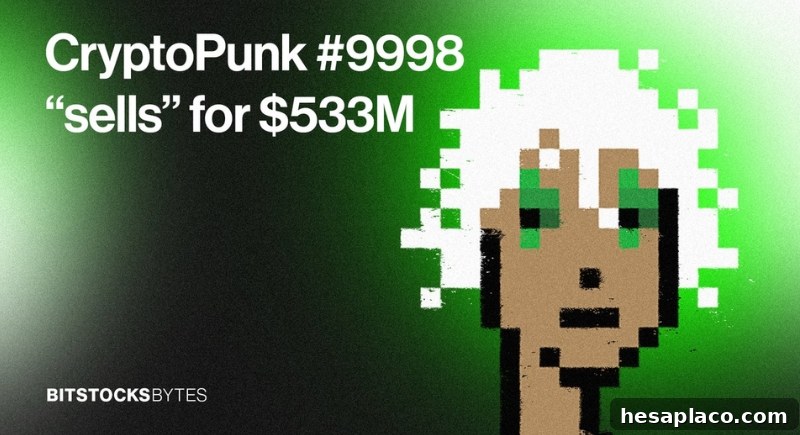
CryptoPunk #9998 briefly made headlines in 2021 when blockchain records suggested it had traded hands for more than $532 million. The transaction, however, was a on-chain maneuver: a flash loan was used to buy the token from one wallet and immediately move it to another, creating the appearance of an enormous sale without any sustained exchange of funds. The episode exposed vulnerabilities in how on-chain transfers are interpreted and highlighted the need for greater transparency and context in reporting NFT market activity.
Taken together, these works show how contemporary art and digital collectibles can become charged with meanings far beyond their physical materials or pixels. Rarity, narrative, celebrity, and controversy all play roles in assigning monetary and cultural worth. Whether lauded or lambasted, each of these pieces helped shape conversations around what art can be, what ownership means, and how markets and publics intersect to create value.