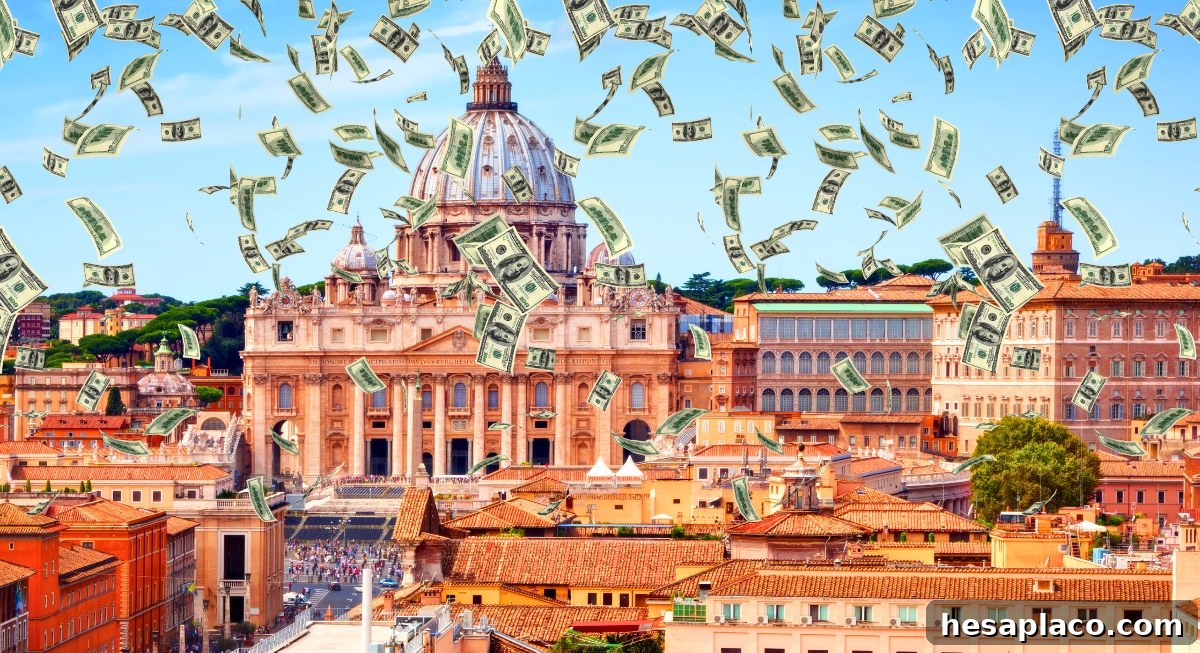
Gold crosses, priceless artworks, and vast cathedrals make the Catholic Church’s wealth hard to ignore. Built over centuries, that wealth stems from a mix of land ownership, political influence, donations, and strategic financial activity—often in unexpected ways. The following overview explains key, sometimes overlooked mechanisms that helped shape one of the world’s most powerful institutions.
The Day the Vatican Became a Country (And Received a Large Compensation)
Credit: pexels
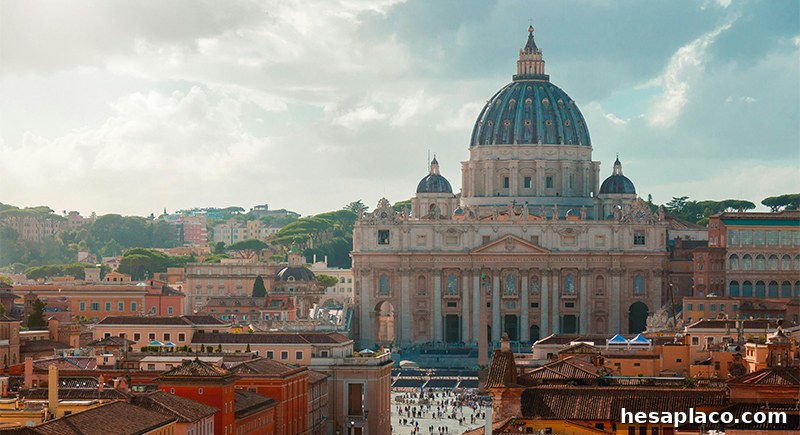
In 1929 the Lateran Treaty with Benito Mussolini’s government recognized the Vatican as an independent state. As part of that agreement the Italian government provided about 1.75 billion lire in cash and government bonds as compensation for territory the Church had lost during Italian unification. That infusion of assets helped finance a modern Vatican financial apparatus and became a cornerstone for later investments.
The Banker Who Operated Without Doctrinal Limits
Credit: Youtube
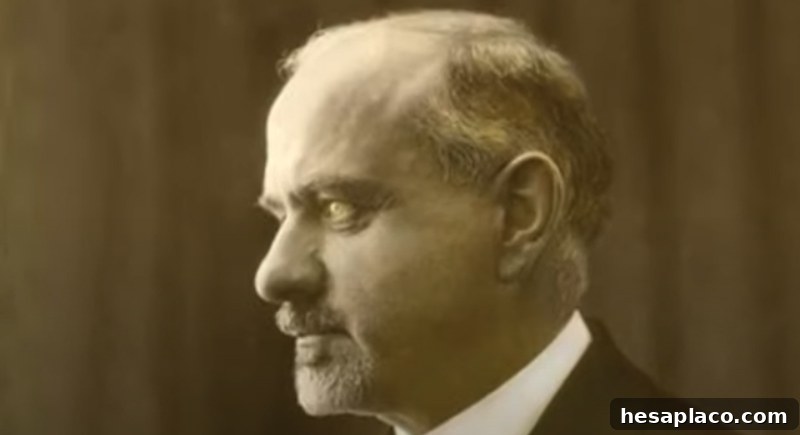
Pope Pius XI appointed Bernardino Nogara to manage the Vatican’s new resources. Nogara accepted on the condition that his investment decisions would not be restricted by Catholic doctrine. That policy enabled investments across diverse, sometimes controversial sectors—turning the Vatican’s portfolio into one resembling a commercial investment fund.
Wartime Finance and Cross-Border Transfers
Credit: flickr
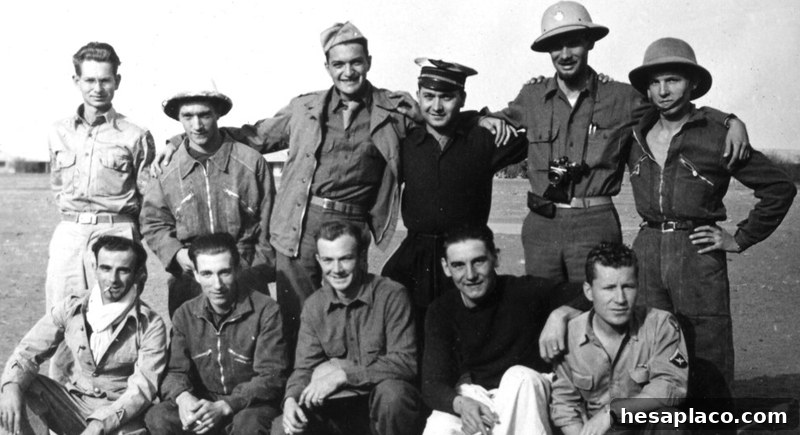
During World War II the Vatican occupied a unique diplomatic position that allowed the movement of funds across Allied and Axis lines. Using Swiss banks, coded communications, and diplomatic immunity, Church agents were able to transfer cash, securities, and other assets when most private and national channels were constrained or monitored. That capability preserved and diversified Vatican holdings during and after the conflict.
The Vatican Bank: Privacy, Privilege, and Profit
Credit: Wikimedia Commons
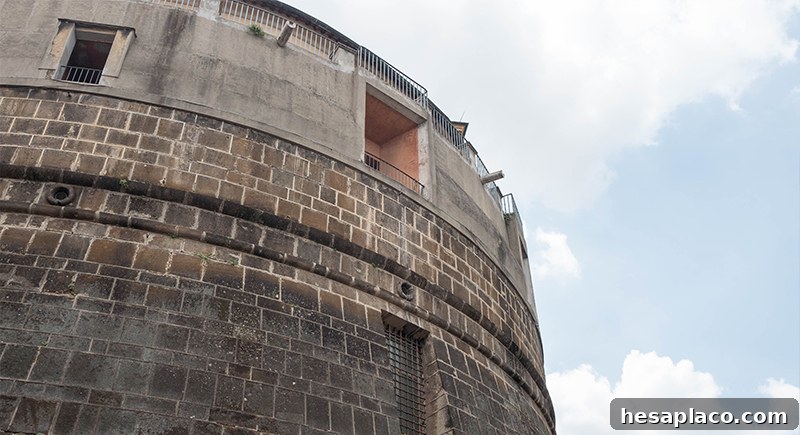
In 1942 the Istituto per le Opere di Religione (IOR), commonly called the Vatican Bank, was established. For many decades it operated with considerable secrecy: limited external oversight, no obligation to pay taxes, and minimal public financial reporting. Functioning more like a private investment institution than a charitable arm of the Church, the IOR held assets in real estate, equity stakes, and accounts beyond national jurisdictions.
Transporting Gold and Valuables During Conflict

Credit: Wikimedia Commons
Throughout the Second World War Vatican couriers often carried gold, cash, and securities in diplomatic baggage, which usually avoided inspection. Historians have discussed how these channels might have been used to move assets connected to various parties in the war, including wealth associated with fascist regimes and, controversially, assets taken from persecuted communities—though full documentation and accountability remain incomplete.
Investments in Institutions Under Scrutiny
Credit: flickr
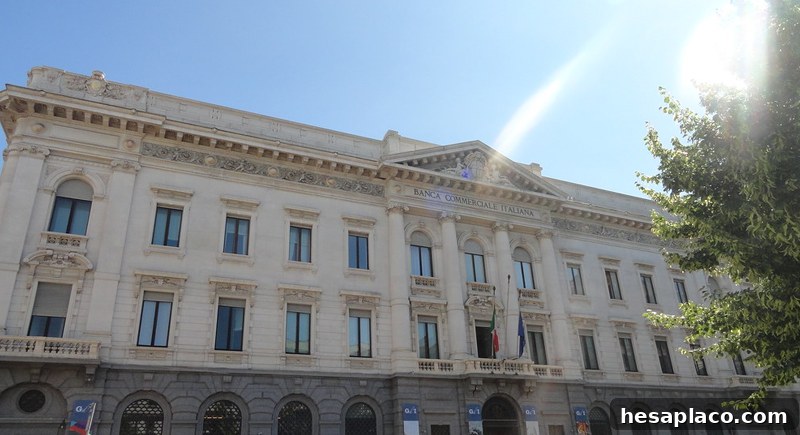
Nogara and Vatican investment channels held stakes in banks and companies that, at times, were on Allied blacklists for aiding Axis operations. Institutions such as Banca Commerciale Italiana and Sudameris were among those mentioned in historical accounts. The Vatican’s neutral diplomatic status often insulated it from the investigations and sanctions that other entities faced during wartime.
Indulgences: Revenue from Forgiveness
Credit: flickr
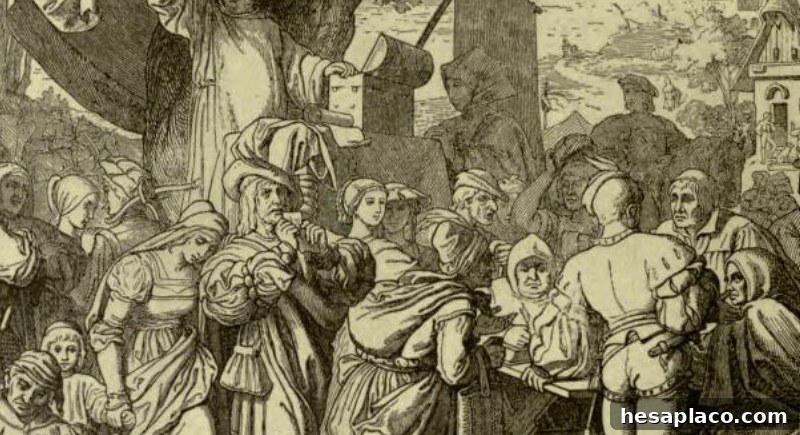
Historically, the sale of indulgences—payments made in exchange for reduction of temporal punishment for sins—became a significant income source in the late medieval and early modern periods. The practice was lucrative and controversial, contributing directly to the criticism that sparked Martin Luther’s 95 Theses and the broader Protestant Reformation.
Simony: Buying Church Office and Influence
Credit: Wikimedia Commons
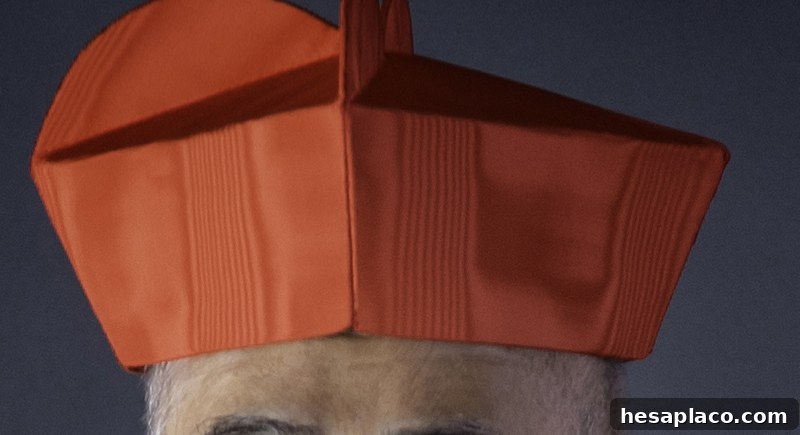
Simony—the buying and selling of ecclesiastical offices—was common in medieval Europe. Wealthy families could secure bishoprics or other church positions through financial means, reinforcing political alliances and expanding the Church’s influence across secular institutions. This interplay of money and office helped cement the Church’s authority in numerous regions.
Tithes: Compulsory Contributions

Credit: flickr
For centuries tithes—typically one-tenth of agricultural or monetary income—were obligatory in many societies. Collected by parishes and dioceses, tithes funded church construction, clergy salaries, and charitable works, but they also financed opulent papal courts, large art commissions, and even political or military ventures.
Extensive Real Estate Holdings
Credit: Wikimedia Commons
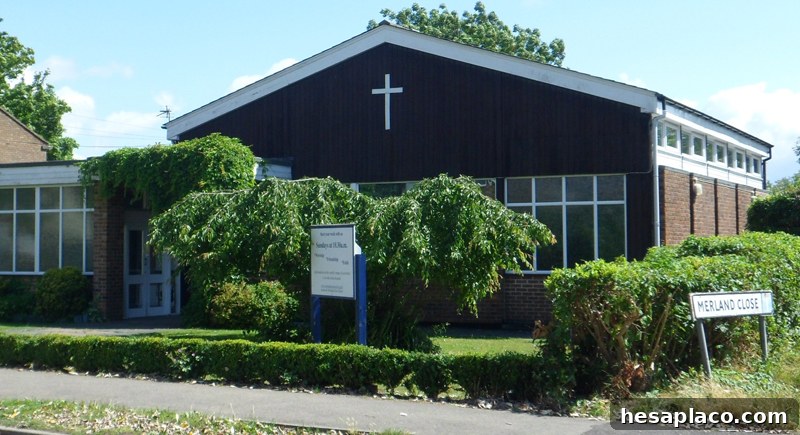
By the 18th century the Catholic Church had become one of Europe’s largest landowners. Lands arrived through donations motivated by piety, inheritances, or political pressure. This portfolio included farms, castles, vineyards, and entire villages—assets that generated ongoing income and preserved local influence. Much of that property remains part of Church holdings today.
Colonial Expansion and Church Property
Credit: flickr
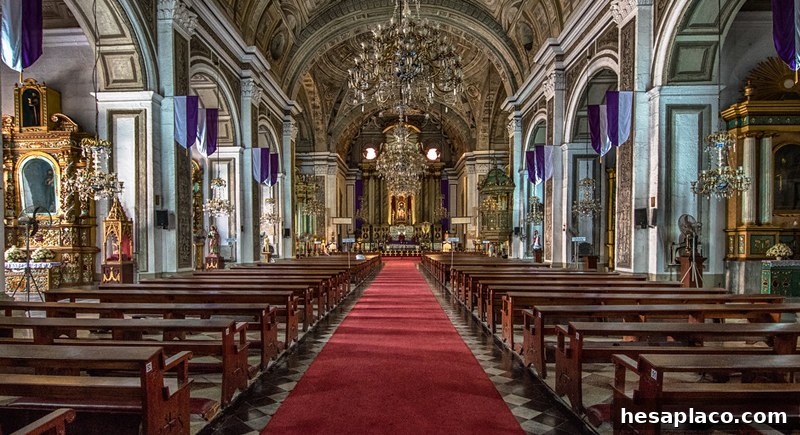
During European colonization missionaries frequently accompanied explorers, and the Church often acquired land in newly colonized territories—sometimes through grants by colonial authorities, and at other times through appropriation. While missionary activity also established schools and hospitals, it expanded the Church’s economic footprint across Africa, Asia, and the Americas.
Fees for Sacraments and Everyday Revenue
Credit: pexels
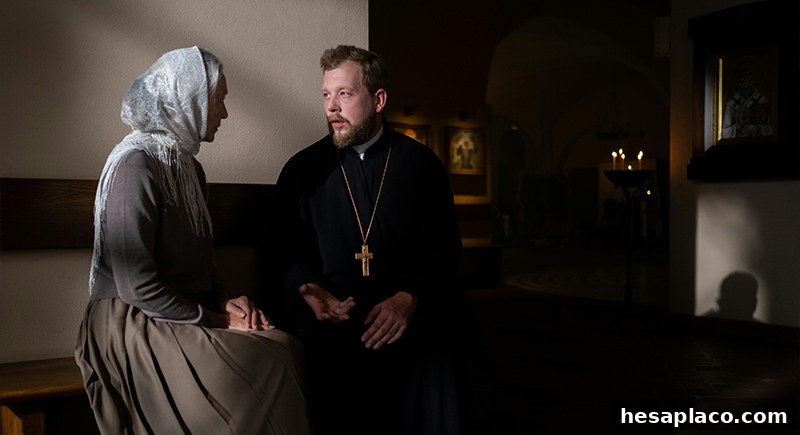
Baptisms, weddings, funerals, and other sacraments were often accompanied by expected payments or customary fees. While commonly described as donations, these charges functioned as a predictable income stream for parishes and dioceses, placing financial strain on poorer families while providing steady resources for church operations.
Art Patronage as Cultural and Political Investment
Credit: flickr
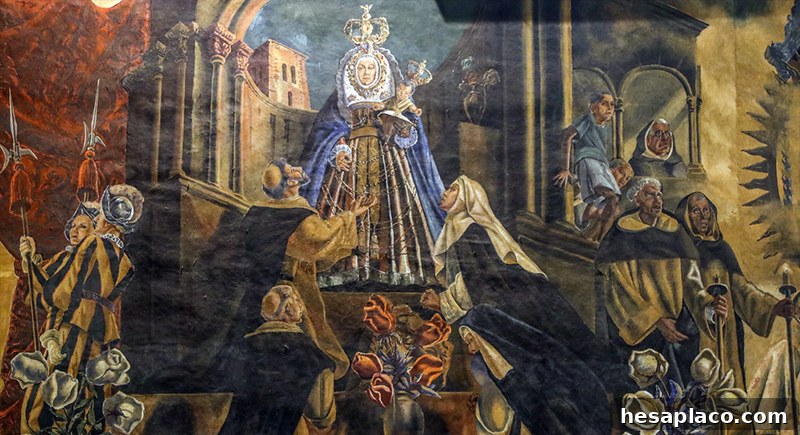
The Church commissioned masterpieces—from Michelangelo’s work to the Sistine Chapel—that reinforced its spiritual authority and cultural dominance. These commissions attracted further patronage and enhanced the value of Church-owned buildings and collections, blending devotional purpose with long-term political and symbolic gain.
Modern Corporate Investments and Financial Controversies

Credit: pexels
In recent decades the Vatican has held investments in a range of modern industries, from energy firms to high-end real estate. While many holdings support charitable missions, other investments and management practices have drawn scrutiny. Disclosures such as the VatiLeaks revelations exposed questionable financial behavior and prompted ongoing reform efforts aimed at increasing transparency and accountability.
The Church as One of the World’s Wealthiest Religious Institutions
Credit: flickr
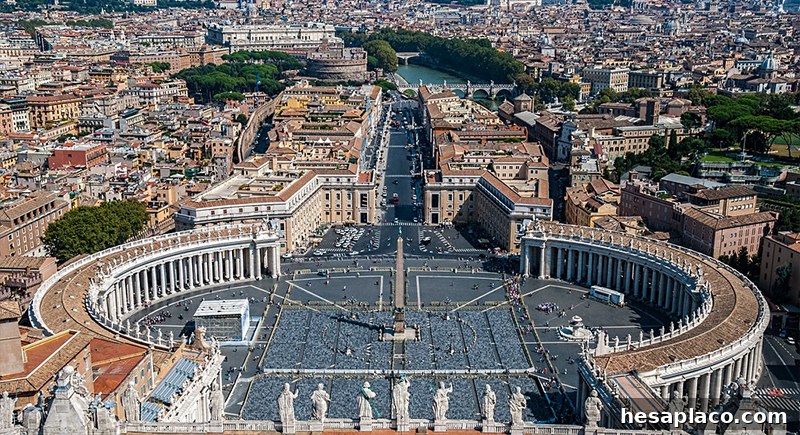
Today the Catholic Church remains among the wealthiest religious institutions. Recent popes have pursued greater financial transparency and reform, but much of the Church’s wealth arises from centuries of property, investments, and institutional practices—some transparent, others deeply secretive. The history is complex and sometimes controversial, reflecting the many ways money and influence have intersected with faith.
“Black Nobility” and Elite Networks
Credit: Wikimedia Commons
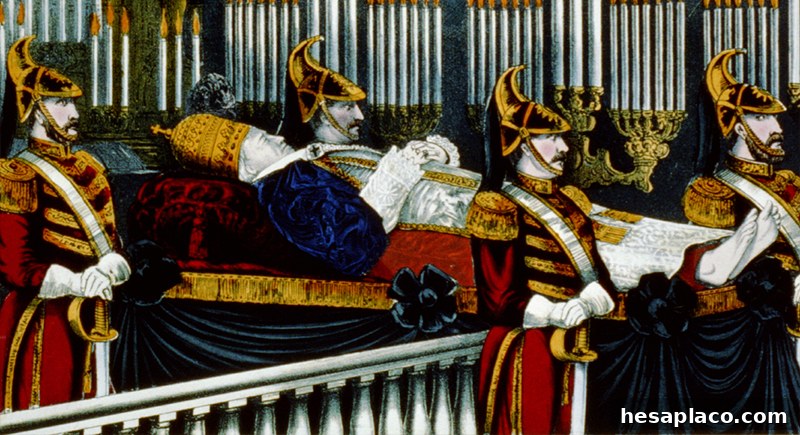
The phrase “Black Nobility” describes Roman aristocratic families closely allied with the papacy after the fall of the Papal States in 1870. These families maintained social prestige, landholdings, and influence within Vatican circles. Their longstanding connections helped preserve continuity between Church leadership, elite wealth, and political power in Rome.
Peter’s Pence: Intended Charity and Contested Uses
Credit: Wikimedia Commons
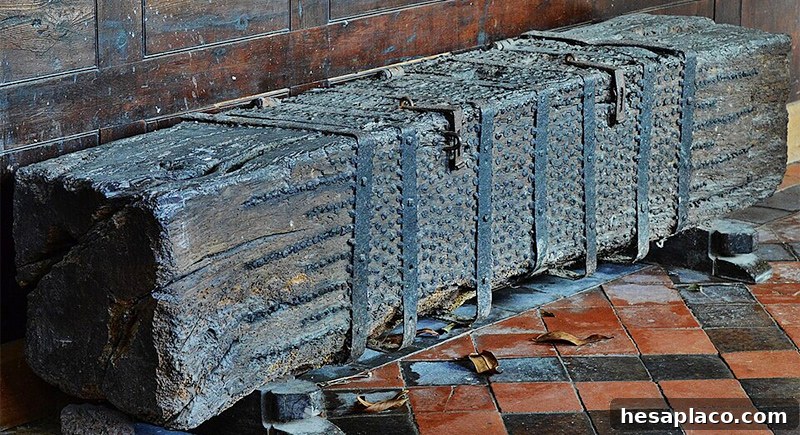
Peter’s Pence has been promoted as a global fund for papal charitable work and support for the pope’s mission. Investigations have shown that at times portions of these donations were used for investments, real estate transactions, and loans rather than only direct charitable relief. That diversion of funds prompted criticism from donors and observers who expected contributions to be directed primarily to the poor and vulnerable.