Even though many dollar stores no longer price everything at a single dollar, the draw of a bargain remains strong. For quick run-ins, last-minute party supplies, or basic household needs, these stores can be incredibly convenient—if you know what to look for. They offer a mix of genuine value and mediocre finds, so a little strategy helps you get the most for your money.
Check Expiration Dates Like a Hawk
Credit: Canva
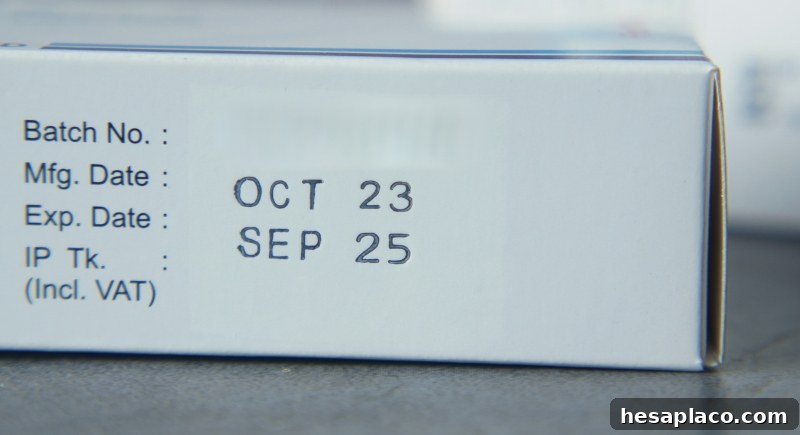
“Shelf-stable” doesn’t mean permanent. Discount stores often carry products that are close to or past their printed dates. Always inspect “best by,” “use by,” and “sell by” labels on canned goods, boxed snacks, and other nonperishables. Perishables such as dairy and eggs can still be fine if dates are reasonable, but damaged cans, swollen packaging, or faded labels are red flags—skip them.
Skip the Bargain Batteries
Credit: Facebook
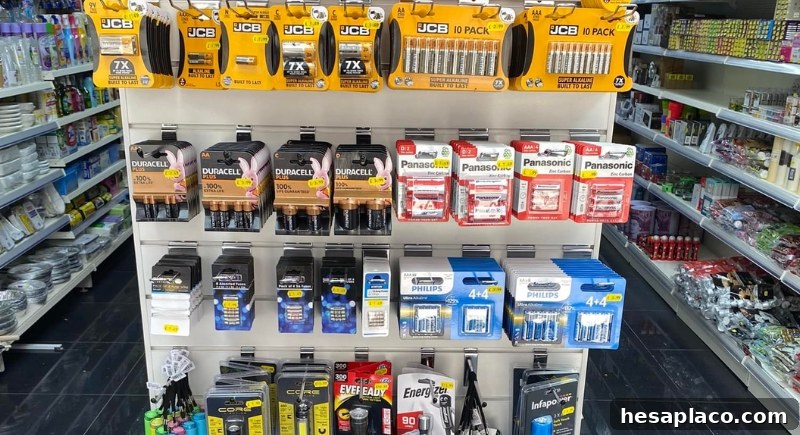
Low-cost batteries can seem like a smart save until they leak or die quickly and damage your devices. Budget batteries at discount stores often lack the rigorous quality control of well-known brands. They’re acceptable for low-stakes uses—like an occasional flashlight in an emergency—but for remotes, toys, and electronics you use regularly, it’s worth buying trusted brands elsewhere.
Buy Cards and Gift Wrap in Bulk
Credit: Facebook
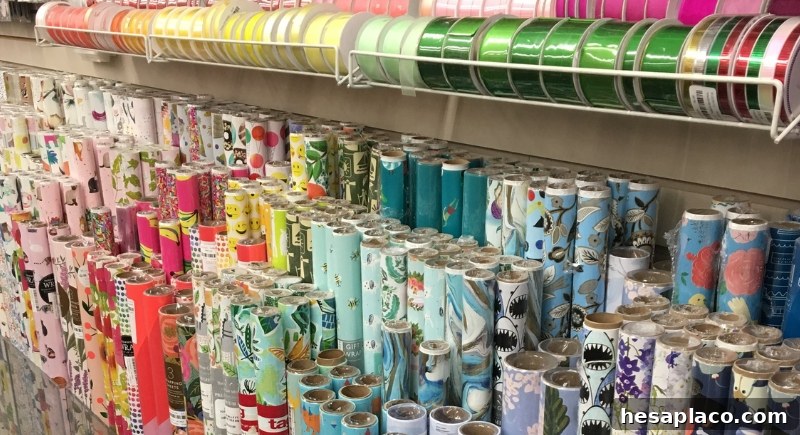
Greeting cards and wrapping supplies are often much cheaper at dollar stores compared with other retailers. If you need multiple cards or gift bags, these stores are a good place to stock up. The selection won’t include premium or designer options, but for everyday birthdays and celebrations, the basic choices are usually more than adequate. Buy extras when you find styles you like—inventory changes fast.
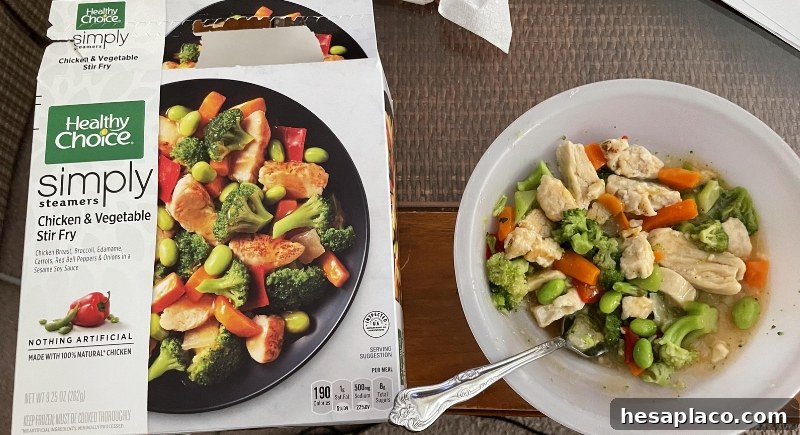
Avoid Overprocessed Packaged Meals
Credit: Reddit
Ready-to-eat frozen and shelf-stable meals can be tempting, but many are high in sodium, sugar, and preservatives. Items like canned pasta or microwave dinners may be cheap because they’re highly processed and low in nutrients. For better value and healthier meals, look for pantry staples—dried beans, rice, pasta, and canned tomatoes—that let you control ingredients and portions.
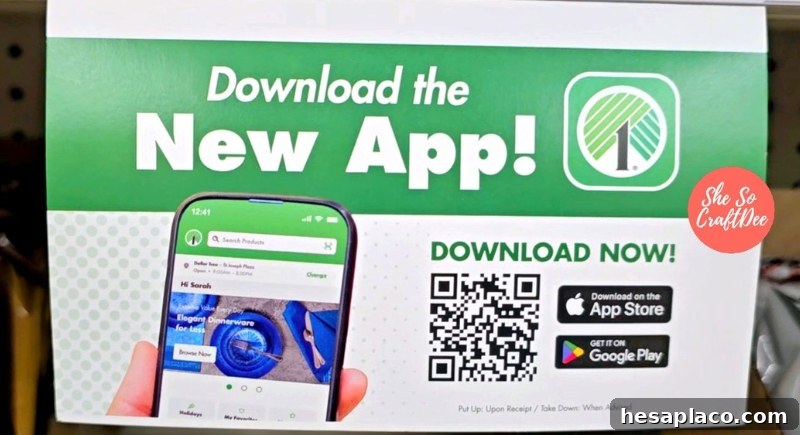
Use the Store App for Extra Deals
Credit: Facebook
Major discount chains offer apps that provide digital coupons, weekly deals, and loyalty rewards. Checking the store app before you shop or at checkout can net additional savings with minimal effort. These offers sometimes stack with in-store discounts, so it pays to glance at the app for extra bargains.
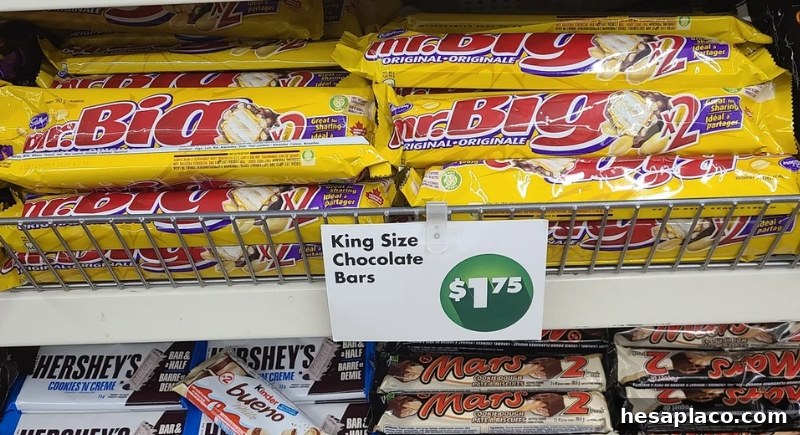
Don’t Assume It’s Always Cheaper
Credit: Reddit
A “dollar store” price tag doesn’t guarantee the best deal. Unit pricing is key—items like paper towels, cleaning supplies, or packaged goods can be cheaper per ounce or per use at bulk retailers or supermarkets. Compare unit prices when possible, especially for items you buy frequently, to ensure you’re truly saving money.
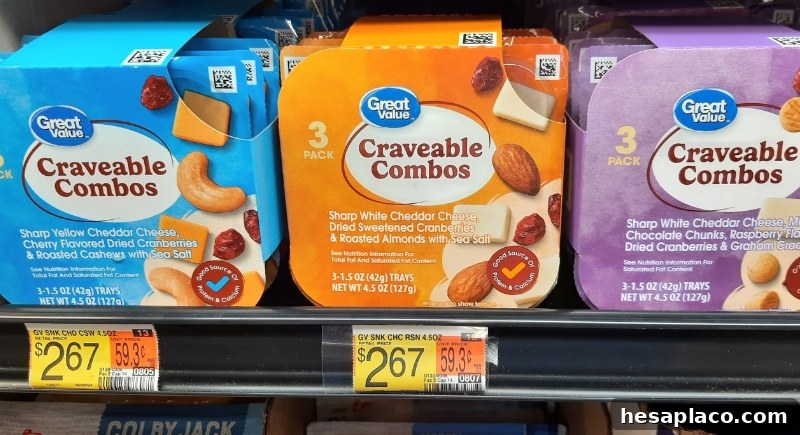
Try Store Brands for Household Basics
Credit: Facebook
Private-label items at discount stores can be a smart choice for everyday household products like dish soap, trash bags, and basic paper goods. Many store-brand items are produced in the same facilities as national brands, just with simpler formulas and packaging. They may not feel premium, but for routine cleaning or one-time use, they typically perform adequately.
Don’t Rely on Consistent Inventory
Credit: Getty Images
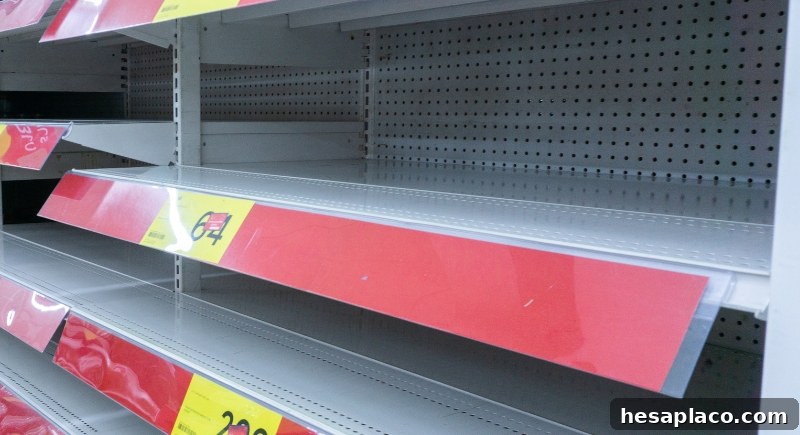
Discount stores frequently sell closeout items and rely on quick-turn inventory, so what’s on the shelf one day may be gone the next. If you find a product you like, consider buying extras because restocks aren’t guaranteed. Treat these stores as a place to “see what’s available” rather than a reliable source for a specific item every time.
Shop Early for Better Stock and Shorter Lines
Credit: Wikimedia Commons
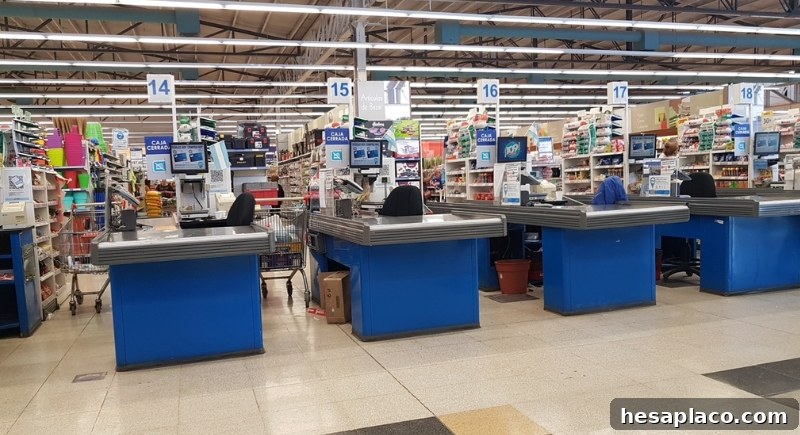
Most dollar stores restock overnight, so mornings are typically the best time to shop. You’ll find fuller shelves and shorter lines early in the day, while popular items are more likely to be gone by evening. Shopping early maximizes your chances of finding what you want and getting through checkout quickly.
Steer Clear of Supplements Without a Seal
Credit: Wikimedia Commons
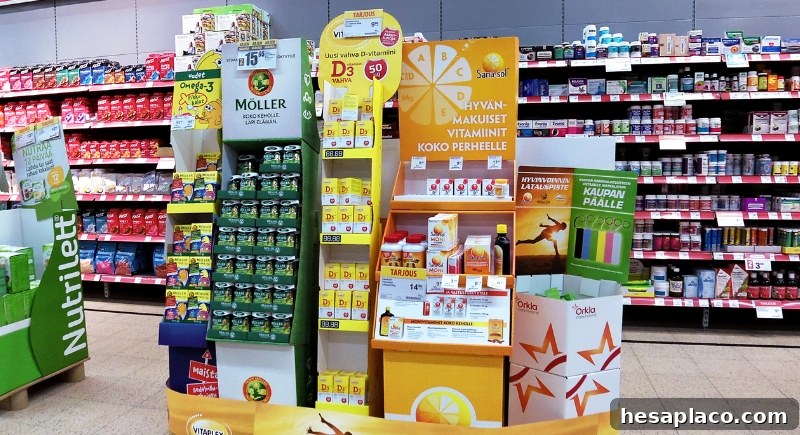
Dietary supplements at discount stores may lack third-party testing or certification, making it hard to verify that labels match contents. If you choose supplements, look for seals from reputable organizations that test product quality. When in doubt, opt for brands with transparent labeling and independent verification.