
The market rewarded bold bets in 2025, but 2026 is beginning differently. Interest rates remain uncertain, technology stocks—especially those tied to artificial intelligence—are showing signs of fatigue, and shifts in global energy prices are creating additional pressure. Many investors collected gains last year, but preserving and growing those gains will require discipline, good habits, and a clearer plan rather than relying on luck or one-time wins.
Smart investors are therefore resetting their approach. A good return in the past does not guarantee a robust investment strategy. In the year ahead, success will depend on avoiding common mistakes, maintaining consistency, and building durable routines that perform through market volatility. The practical resolutions below emphasize concrete goals, risk awareness, and simple systems that encourage thoughtful decision-making.
Get Your Financial House in Order First

Credit: Canva
Before you start allocating more money to stocks, close the obvious leaks in your personal finances. Pay down high-interest debt and build a cash buffer that covers at least three months of living expenses in a safe, accessible account. That emergency cushion prevents forced selling during market downturns to meet unexpected bills. It may seem conservative, but protecting your long-term plan from short-term shocks is a foundational step.
Treat Goals Like a Portfolio

Credit: Canva
“Build wealth” is a fine aspiration but too vague to drive action. Break big ambitions into specific goals with timelines, dollar targets, and measurable milestones. A retirement target, a college fund, or a house down payment with monthly benchmarks is easier to track and stick to. Use simple planning tools or apps that nudge you toward progress without creating needless complexity.
Rely on Index Funds to Stay Diversified

Credit: Getty Images
If choosing individual stocks still feels like guessing, favor broad-based index funds. Index funds provide wide exposure across companies and sectors, require little active maintenance, and significantly lower the concentration risk tied to any single stock. For long-term investors, diversified index exposure is one of the most reliable ways to compound returns while smoothing out idiosyncratic shocks.
Don’t Confuse Confidence With Clarity on Risk

Credit: Getty Images
Rising markets can create a false sense of invulnerability, but confidence is not the same as a sober assessment of risk. Sectors tied to hot themes—like AI—can become overvalued, and if a leading company disappoints, the ripple effects can be severe. Robust risk management—diversification, position sizing, and clarity about downside exposure—is how portfolios survive tough weeks and preserve capital for the next opportunity.
Automate Your Contributions to Remove Emotion

Credit: iStockphoto
Make investing a habit rather than a reaction to headlines or moods. After covering necessary expenses, arrange for a fixed amount to move automatically into your investment account each month—ideally right after payday. Dollar-cost averaging removes timing risk and emotional decision-making, ensuring that your savings plan continues reliably through market cycles.
Use Tools That Track Your Actual Investing Behavior

Credit: Wikimedia Commons
Behavior matters as much as returns. Use simple habit or accountability apps that measure whether you follow your investing plan, rather than only tracking portfolio performance. These tools expose self-deception—when you convince yourself you did more than you did—and help maintain consistency. Pairing accountability with small stakes or social support raises the cost of backsliding and improves follow-through.
Define Your Investment Timeline

Credit: Canva
Match assets to your timeline. Short-term goals such as a down payment or near-term expenses don’t pair well with volatile equities. Longer horizons can absorb market swings. Allocate money into separate buckets: conservative, liquid assets for imminent needs and equities or diversified growth holdings for goals that are years away. This approach preserves progress and reduces the impulse to sell during downturns.
Stop Overreacting to Market Dips
Credit: pexels
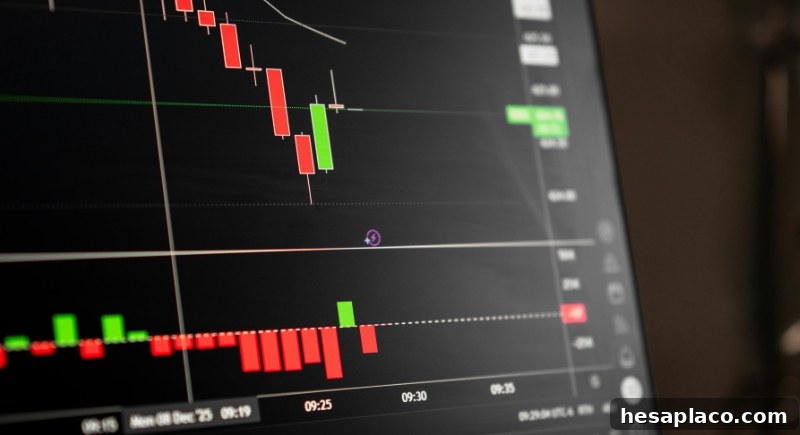
Market pullbacks are normal. Historically, investors who resist panic and maintain their long-term allocations after market declines tend to recover and benefit from subsequent rebounds. Make a resolution to check your portfolio less frequently during periods of stress and instead review your plan at scheduled intervals. Trust the disciplined process you set up, not the urge to react to every headline.
Treat Non-GAAP Earnings With Caution

Credit: Canva
Corporate earnings reports often highlight adjusted results that exclude “one-time” or non-recurring items. Those adjustments can obscure meaningful operational issues. Rely primarily on standard GAAP metrics for valuation and compare adjusted figures critically. Treat optimistic management narratives and selective metrics with healthy skepticism and supplement them with independent analysis before making investment decisions.
Find One Small-Cap Stock Worth Watching Closely

Credit: pixelshot
While large AI and tech companies dominate headlines, meaningful innovation often comes from smaller firms. Choose one small-cap company to study closely this year—examine its leadership, business model, key risks, competitive landscape, and cash flow dynamics. Deep, focused research hones your analytical skills and can uncover overlooked opportunities, but position sizes should remain modest given higher volatility and risk in smaller companies.
These resolutions are practical, not glamorous. They emphasize preparation, clarity, and consistency over chasing the latest hot stock. By organizing finances, defining clear goals, automating contributions, and applying prudent risk controls, investors can build resilience and increase the likelihood of steady progress in 2026 and beyond.