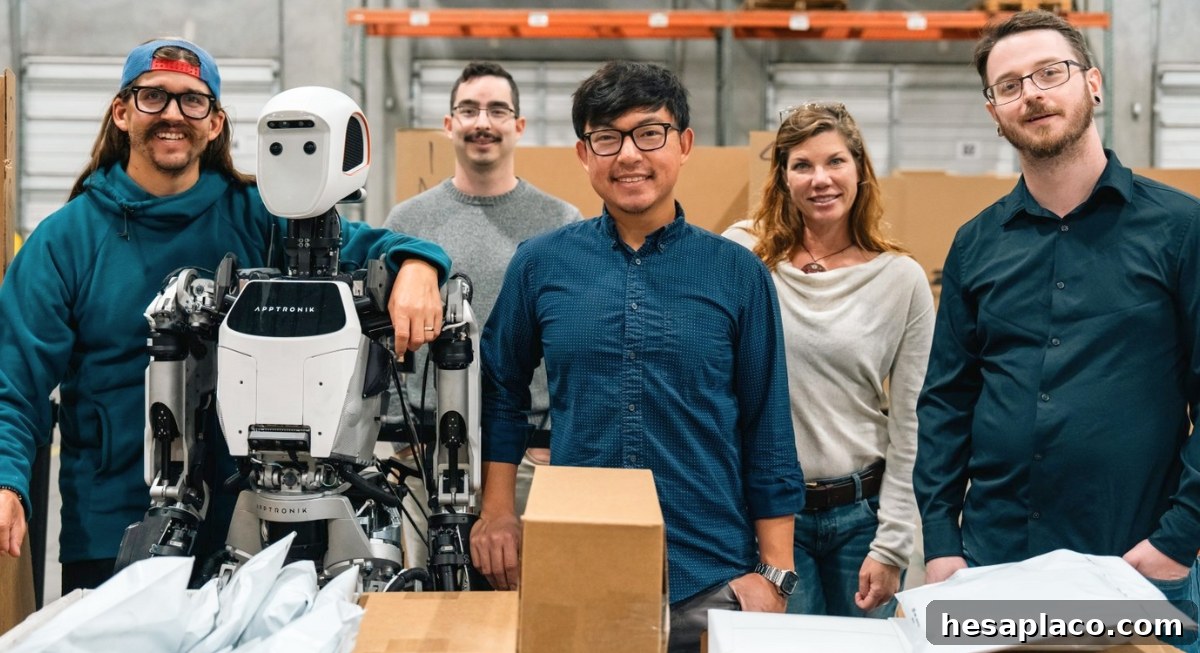
Humanoid robots that look and move like people are no longer confined to lab demos or movie sets. Increasingly, they’re appearing in real-world roles—working in retail stores, assisting in warehouses, supporting healthcare, and handling household chores. These machines combine sensing, learning, and safe physical interaction to operate around people and in dynamic environments.
Companies across technology, retail, automotive, and healthcare sectors are testing what humanoid robots can do outside controlled research facilities, and early deployments reveal practical uses as well as areas that still need refinement.
Booster T1 Plays Fully Autonomous Soccer
Credit: Youtube
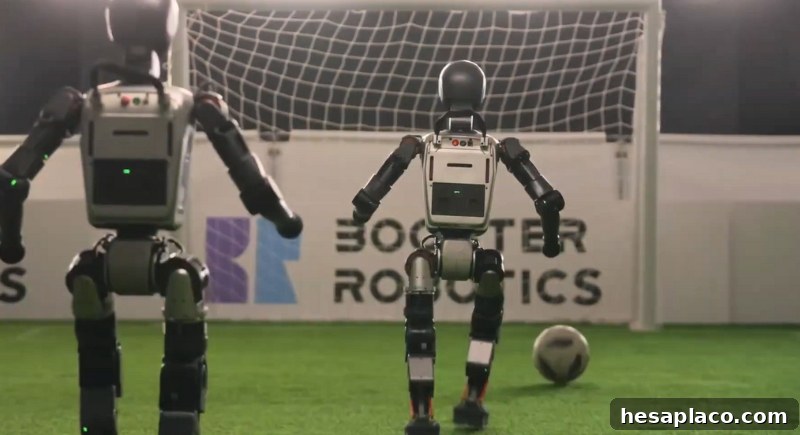
In China, Booster T1 humanoid robots took part in a fully autonomous three-versus-three soccer match. The event demonstrated the robots’ ability to make real-time decisions, coordinate movement among multiple agents, and recover after collisions. While Booster T1 is not aimed at industrial tasks, the match highlights how humanoids can collaborate in unpredictable, fast-moving situations.
Phoenix Learns New Tasks in 24 Hours
Credit: Youtube
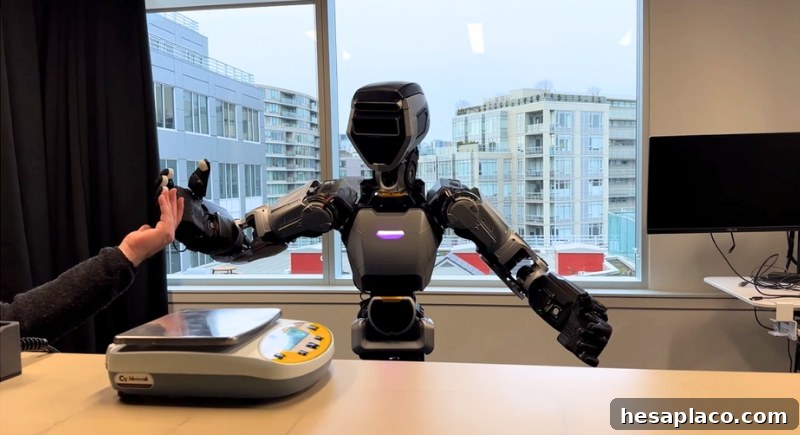
Most robots require lengthy programming cycles to pick up new skills. Phoenix, developed by Sanctuary AI, is different: it can learn complex tasks in less than 24 hours. In a Canadian retail pilot, Phoenix restocked clothing and processed online orders, adapting its behavior based on what its sensors observed rather than relying solely on preprogrammed routines.
Neo Gamma Performs Household Chores
Credit: Youtube
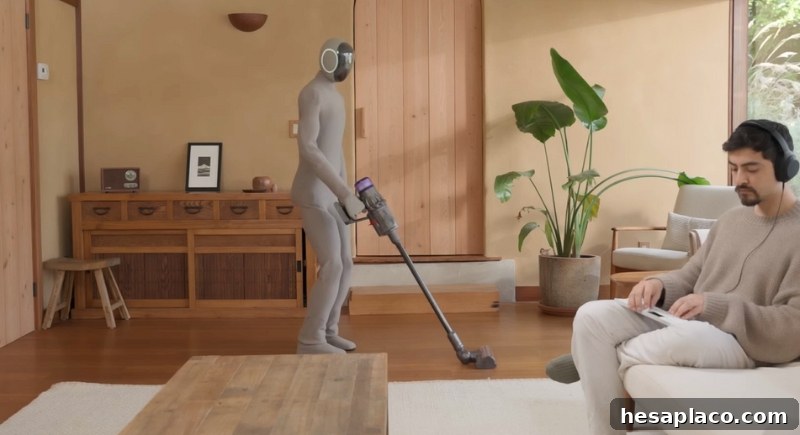
Designed for residential environments, Neo Gamma handles everyday chores such as folding laundry and wiping surfaces. Built by 1X Technologies, it uses flexible actuators and soft, skin-like coverings to reduce the risk of injury around family members. A custom conversational AI enables natural speech and contextual understanding so it can respond to typical household interactions.
H1 Holds the Speed Record for Bipedal Robots
Credit: Youtube
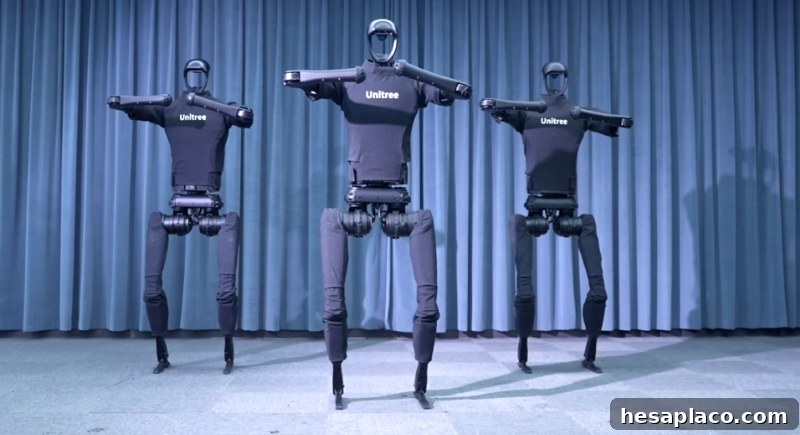
Unitree’s H1 holds the electric bipedal speed record at 7.38 mph. Equipped with LiDAR for comprehensive environment scanning and electric actuators for fine motion control, H1 is not just fast—it’s capable of practical tasks like cooking and soldering, and it can fold into a compact form for storage or transport.
GR-2 Is Being Tested for Caregiving Roles
Credit: Facebook
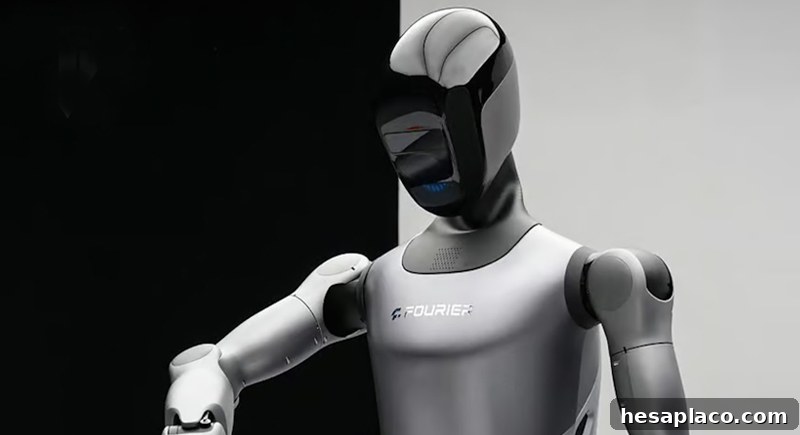
Fourier Intelligence’s GR-2 improves on its predecessor with faster, more stable walking and greater hand precision. It’s being evaluated for eldercare and rehabilitation work, where gentle touch and continuous awareness of a patient’s state are essential. Trials in clinics and research labs across Asia are exploring how well it supports therapists and caregivers.
Digit Is Commercially Deployed in Warehouses
Credit: Facebook
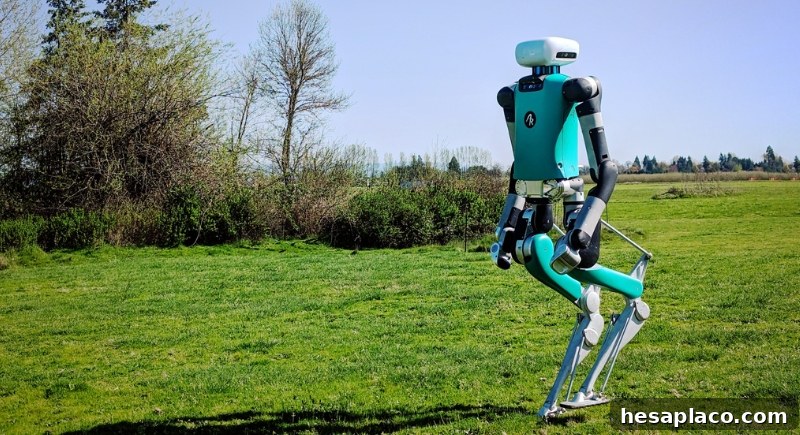
Agility Robotics’ Digit is already in commercial use within warehouse operations, performing tasks such as sorting packages and retrieving inventory. Its compact, humanoid form allows it to navigate narrow aisles and work alongside people, making it one of the earliest humanoid platforms adopted for logistics and fulfillment.
Apollo Can Lift and Transport Heavy Items
Credit: Instagram
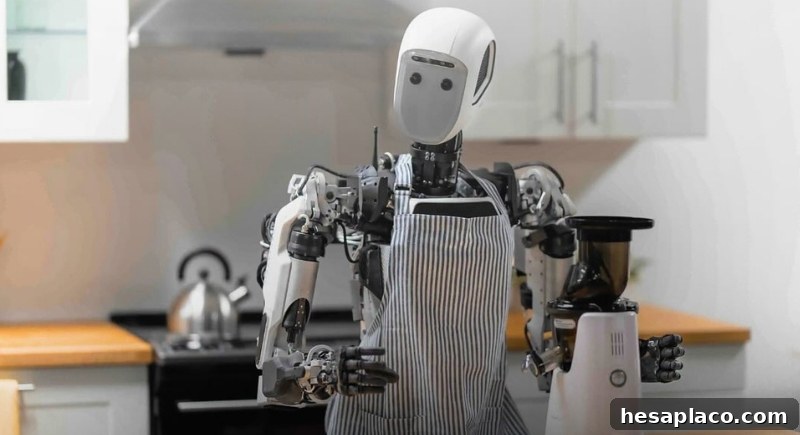
Apptronik’s Apollo can lift loads up to 25 kilograms, targeting palletizing and heavy-lift support in warehouses. It has been trialed by companies like Mercedes-Benz for loading tasks. With backing from NASA, Apollo emphasizes safe collaboration with human workers in fast-paced logistics settings, including collision avoidance and smooth handoffs.
Figure 02 Is Used in Auto Manufacturing
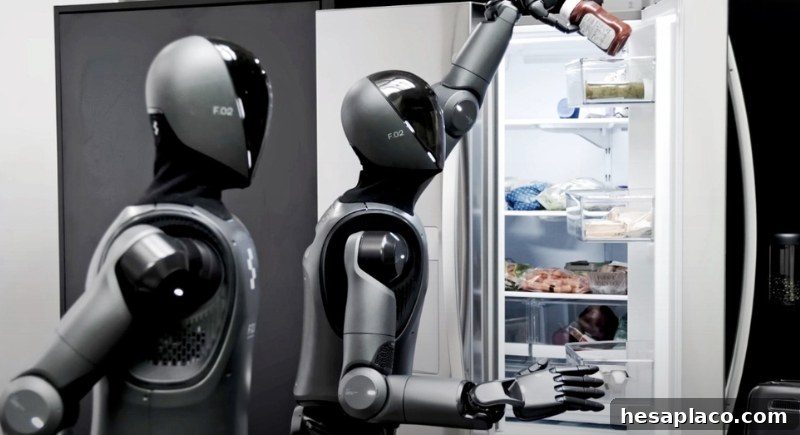
Credit: Facebook
At BMW’s South Carolina plant, Figure 02 operates alongside human workers to handle repetitive assembly tasks. This next-generation factory robot can function in semi-structured environments and adapt to minor variations without requiring frequent resets. Training with modern AI toolkits has improved its flexibility on production lines.
Optimus Gen 2 Operates Inside Tesla Facilities
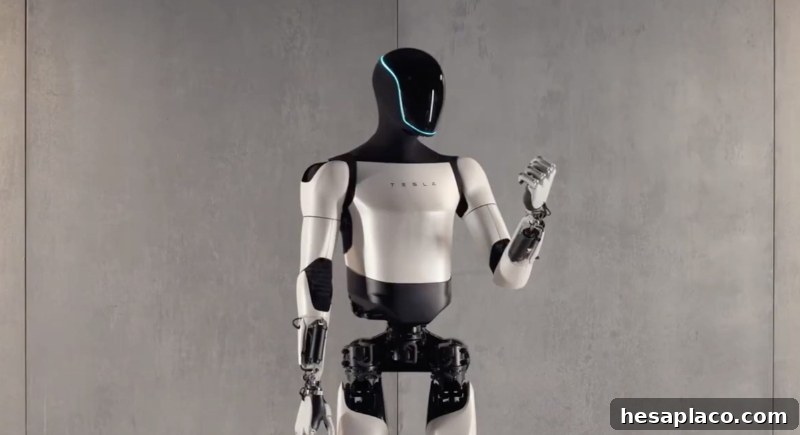
Credit: Wikimedia Commons
Tesla’s Optimus Gen 2 shares architectural elements with the company’s vehicles, including neural networks used for autonomous perception and control. Observers have seen it lifting and sorting objects inside Tesla facilities; whether every action is fully autonomous or semi-guided varies by deployment. Regardless, Optimus has moved from concept toward practical in-factory use.
All-New Atlas Uses a Fully Electric System
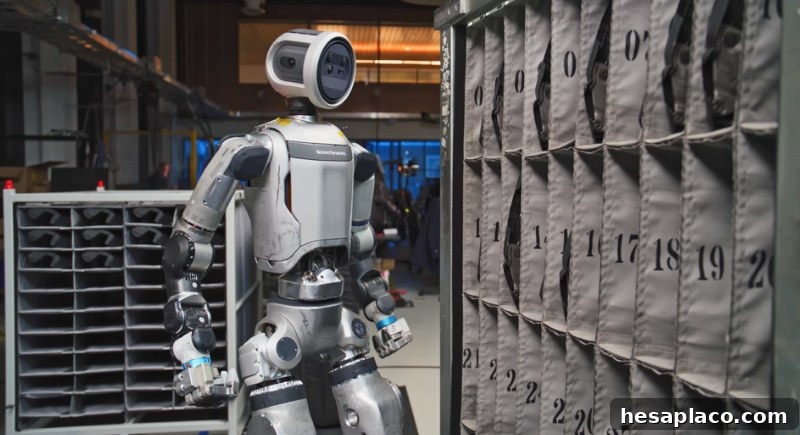
Credit: Youtube
Boston Dynamics’ latest Atlas replaces hydraulic components with an all-electric drive, which reduces weight and improves durability while enabling finer motion control. Although not yet a commercial product, the new design points toward more practical, precise humanoid movement for future applications.
These examples illustrate how humanoid robots are transitioning from research curiosities to functional tools across industries. They offer promise for automation in complex, human-centered settings, but wider adoption will depend on continued improvements in safety, reliability, and cost. As deployments multiply, expect more pilots that test how well these machines integrate with human teams and everyday operations.