
Success rarely arrives from a single moment of revelation. Instead, it emerges from ordinary routines practiced consistently over time. Both research and real-world experience show that high achievers rely on structure, steady effort, and reliable habits. As entrepreneur Patrick Carroll emphasizes, progress is driven more by consistency and follow-through than by sudden inspiration. Small daily choices determine how time is used, how stress is managed, and how decisions are made; these choices compound over months and years to produce outcomes that seem dramatic only in hindsight.
Clear Goals

Credit: Getty Images
People who succeed set goals that are specific enough to guide everyday decisions. Clear targets provide direction, prevent wasted effort, and make it easier to prioritize actions during the workday. Research on goal-setting shows that well-defined objectives improve follow-through and performance. Writing down goals increases the likelihood of tracking progress and making the necessary adjustments when plans go off course.
Organization
Credit: pixelshot
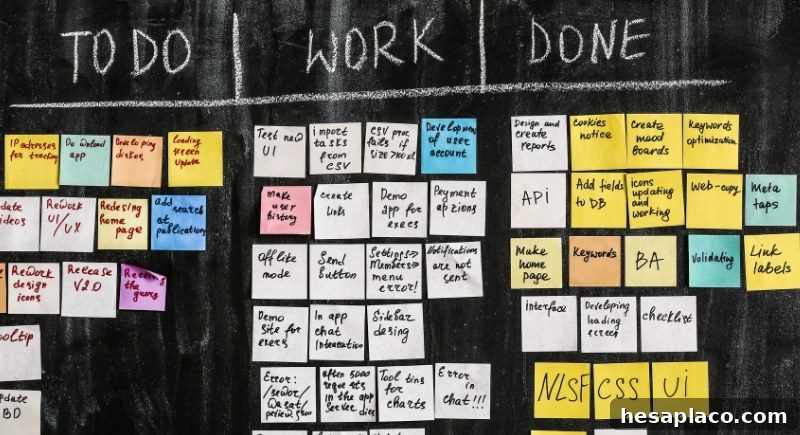
Good organization improves time management and reduces mental clutter, which leads to higher productivity and lower stress. Organized people typically plan ahead and prioritize tasks by importance rather than by urgency. A structured environment supports concentration and makes long-term projects easier to manage.
Bias Toward Action

Credit: iStockphoto
High performers tend to act rather than wait for the “perfect” time or for full motivation to arrive. Taking steps, even small ones, builds momentum and confidence. Procrastination stalls progress, while consistent action keeps projects moving and makes obstacles more manageable.
Relaxation and Mental Reset

Credit: pexels
Managing stress is crucial for clear thinking and sound decisions. Practices like meditation, deep-breathing, and scheduled breaks improve focus and emotional regulation. Neuroscience indicates that rest and mental resets support creativity and problem-solving. Many leaders use brief pauses or mindfulness techniques to stay productive during demanding periods.
Personal Care

Credit: Canva
Sleep, nutrition, and regular physical activity all shape cognitive performance and mood. Most adults function best with roughly seven to nine hours of sleep; chronic sleep loss increases mistakes and riskier choices. Prioritizing self-care supports sustained energy, sharp thinking, and helps prevent burnout over the long run.
Positive Outlook

Credit: Getty Images
An optimistic mindset strengthens resilience when setbacks occur. Psychological research links a positive outlook with improved problem-solving and persistence. People who adopt constructive perspectives focus on solutions rather than on obstacles, which helps them keep challenges in perspective and respond more effectively.
Continuous Learning

Credit: Getty Images
Keeping skills fresh is essential as industries evolve. Successful people treat learning as an ongoing habit—whether through books, courses, or hands-on practice. Regular skill development sharpens judgment, adaptability, and problem-solving, and over time it opens doors to new opportunities and steady advancement.
Daily Reading

Credit: pexels
Regular reading improves clarity of thought and accelerates learning. Exposure to ideas beyond one’s immediate experience builds comprehension and mental flexibility. Books and thoughtful articles distill others’ hard-earned lessons and offer practical shortcuts for solving problems.
Frugality

Credit: Getty Images
Mindful use of money, time, and energy creates flexibility and resilience. Research associates disciplined spending with long-term stability, and noted investors have shown how restraint can build lasting capacity rather than impose limitations. Preserving resources makes it easier to seize opportunities when they arise.
Giving Back and Boundaries

Credit: Getty Images
Volunteering and contributing to others’ wellbeing can broaden perspective and strengthen leadership skills. At the same time, setting clear boundaries around time and energy is essential to protect focus and maintain long-term balance. Combining generosity with wise personal limits supports sustainable success and a meaningful career.