
Most people expect retirement expenses to come from healthcare, housing, or occasional bucket‑list trips. But some of the biggest drains on your nest egg are the everyday items and services you already own. Quiet, recurring costs—often overlooked—can slowly erode savings until retirees find themselves short. The good news: many of these leaks are fixable with small, practical changes.
Before you assume nothing can be done, take a close look at what you own and what you pay for. Here are common expenses that often sabotage retirement plans, with straightforward suggestions to reduce or eliminate them.
Your House Is Too Big

Credit: flickr
That five‑bedroom home made sense when the kids were young, but empty rooms mean higher heating and cooling bills, elevated property taxes, and increased upkeep. Downsizing to a smaller, more efficient home can cut ongoing costs, reduce maintenance time, and free up equity that can be shifted into retirement savings or income.
Credit Card Debt Is Stealing Your Savings

Credit: Canva
Carrying balances on high‑interest credit cards is one of the fastest ways to deplete retirement funds. Interest payments compound and divert money that could otherwise grow in savings or investments. Prioritize paying off high‑interest debt, transfer balances to lower‑rate accounts where possible, and avoid new high‑interest borrowing.
Timeshares Keep Taking Your Money

Credit: Getty Image
Timeshares often come with ongoing maintenance fees and assessments that continue indefinitely. They can be hard to resell and may cost more than booking hotels or vacation rentals when you travel. If a timeshare is no longer useful, explore exit options or at least factor its recurring costs into your overall retirement budget.
Luxury Cars Cost More Than You Think

Credit: pexels
High‑end vehicles look great, but their costs go beyond the sticker price. Depreciation, premium fuel, specialized repairs, and higher insurance premiums all add up. Choosing a reliable, fuel‑efficient car can lower ongoing expenses and reduce the financial burden on a fixed retirement income.
Collectibles Might Not Pay Off

Credit: flickr
Collecting antiques, toys, or rare items can be enjoyable, but it’s a risky way to try to build retirement wealth. Values are uncertain and selling can be difficult. If collectibles are part of your plan, keep them as a hobby rather than a primary investment and diversify into more predictable assets for retirement security.
A Second Home Drains Your Savings

Credit: flickr
Owning a vacation property sounds appealing, but it brings ongoing taxes, insurance, utilities, and maintenance—even when you’re not there. If you only use it a few weeks a year, renting can be far more cost‑effective and less stressful than managing a second home.
Unused Subscriptions Steal Your Money

Credit: Canva
Recurring memberships and streaming services add up quickly—especially those you rarely use. Regularly review your bank and credit card statements to identify subscriptions you can cancel. Removing unused services can free up significant cash each year.
Old Insurance Policies Waste Cash

Credit: Getty Image
Insurance needs change over time. You may be paying for coverage you no longer require or missing opportunities to lower premiums. Review policies for auto, home, and life insurance periodically and adjust coverage levels, deductibles, or providers to better match current needs and reduce costs.
Expensive Hobbies Add Up

Credit: Canva
Hobbies bring joy, but those requiring costly equipment, memberships, or travel can strain a retirement budget. Consider lower‑cost alternatives or scale back intensity. Keeping hobbies affordable helps preserve enjoyment without sacrificing long‑term financial security.
Investment Fees Eat Away at Your Returns

Credit: pexels
High management fees and commissions can significantly reduce investment returns over time. Compare costs across accounts, favor low‑fee options like index funds or ETFs where suitable, and minimize unnecessary trading to preserve more of your portfolio’s growth for retirement.
Home Renovations That Don’t Pay Off

Credit: Getty Image
Not every remodel boosts a home’s resale value. Before committing to costly projects, evaluate expected return on investment and focus on practical improvements—like energy efficiency or essential repairs—that are more likely to pay off financially.
Giving Too Much to Family Hurts Your Future

Credit: Getty Image
Generosity toward family is admirable, but consistently covering others’ expenses can leave you exposed financially. Set clear boundaries, prioritize your own retirement needs, and consider structured support like one‑time gifts or limited loans instead of open‑ended assistance.
Overpaying for Health Insurance

Credit: Getty Image
Health coverage is essential, but overly generous plans can be unnecessarily expensive. Review deductibles, copays, and provider networks to find a plan that balances protection and cost. Shop plans during enrollment periods to ensure coverage remains appropriate for your situation.
Too Many Cars Cost Too Much

Credit: pexels
Multiple vehicles mean multiple insurance policies, registrations, and maintenance bills. If you have more cars than drivers or you drive less in retirement, consider selling extras. Consolidating vehicles reduces recurring costs and simplifies household expenses.
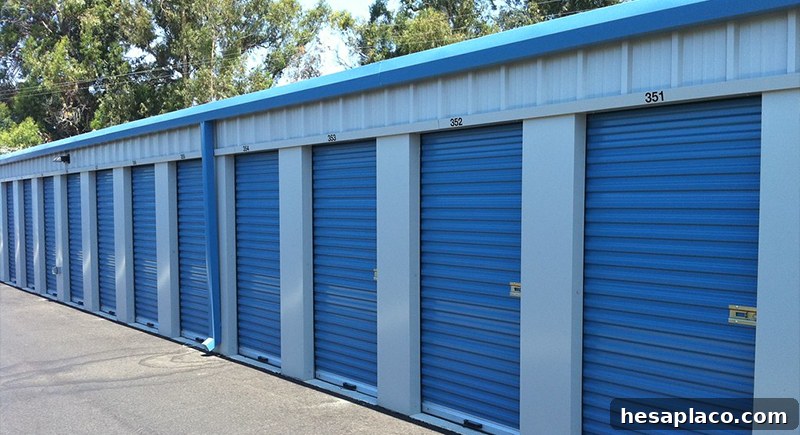
Storage Units Hold Wasted Money
Credit: flickr
Monthly storage fees can add up for items you seldom use. Decluttering, selling, or donating stored belongings frees up cash and reduces ongoing expenses. A one‑time effort to clear out storage can deliver lasting savings.
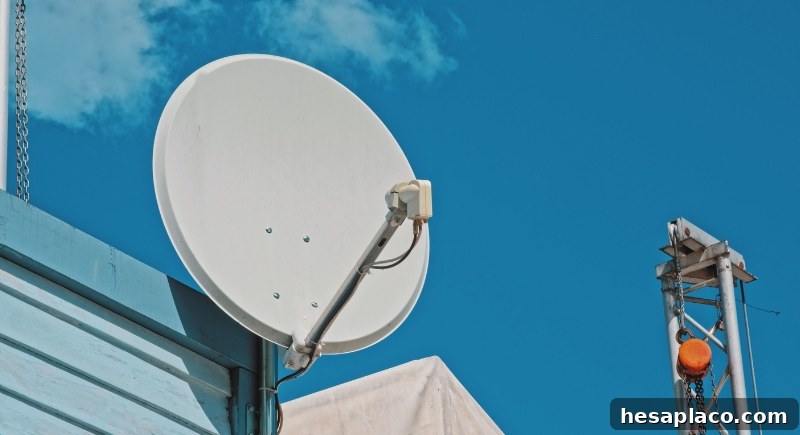
Paying for “Full” Cable Packages
Credit: Getty Images
Large cable bundles include many channels most people never watch, along with rising fees and equipment charges. Streaming services or smaller channel packages often cover your needs at a fraction of the cost. Switching can cut hundreds from annual entertainment expenses.
Keeping an Expensive Landline

Credit: Getty Images
Landlines can offer peace of mind, but they add monthly charges, equipment fees, and occasional long‑distance costs. For many retirees, a mobile phone and internet‑based calling options meet needs at a lower cost. Evaluate whether keeping a landline is necessary or simply a nostalgic expense.
Small changes add up. By trimming unnecessary costs and redirecting that money into savings or investments, retirees can significantly improve financial stability and peace of mind. Start with a budget review, target the largest drains first, and make incremental adjustments to protect your retirement future.