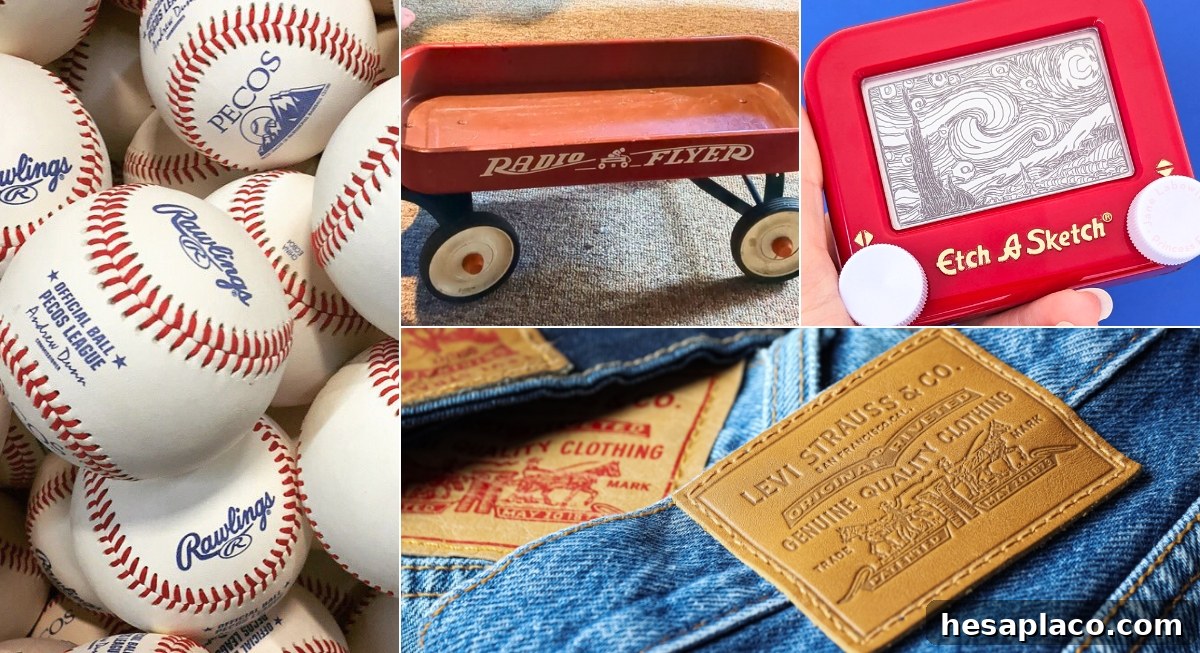
America has given the world legendary products—jeans, motorcycles, toys, and electronics. But many of these once-iconic American brands no longer manufacture their goods domestically. Below is an updated look at familiar names and the countries where their products are now made. The overview focuses on manufacturing changes over time without adding unverified claims.
Levi’s Jeans
Credit: Wikimedia Commons
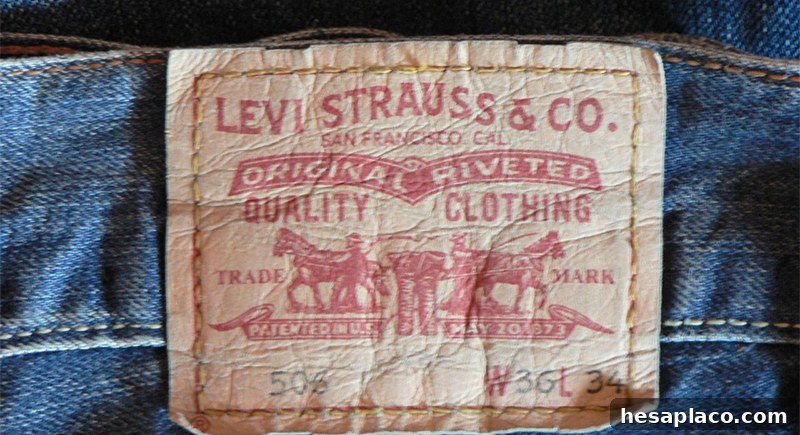
Levi’s began in the 19th century as tough workwear for miners and evolved into a worldwide fashion staple. Though the brand retains its classic denim aesthetic, much of its production has moved abroad. Today Levi’s sources and manufactures a significant portion of its jeans in countries such as Mexico, Bangladesh, and Vietnam after closing its last large U.S. manufacturing facilities in the early 2000s.
Converse Chuck Taylor All-Stars
Credit: pexels
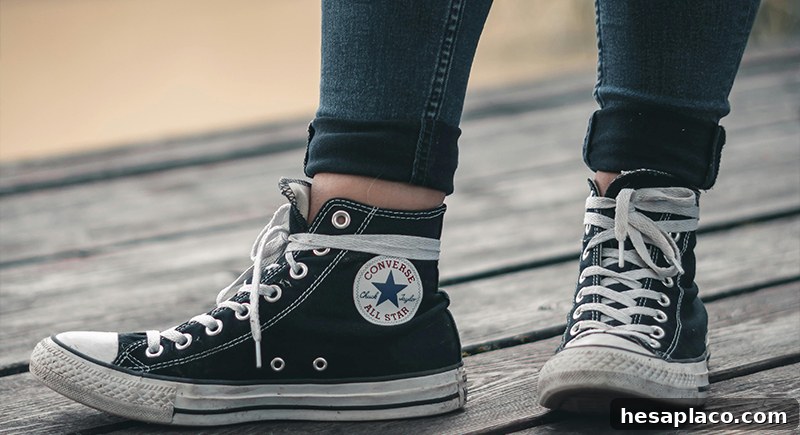
The Chuck Taylor All-Star is a cultural icon tied to American music and street style. After financial struggles and eventual acquisition by Nike, Converse shifted most footwear production overseas. Modern Chucks are primarily produced in countries such as Vietnam and Indonesia, where factories support large-scale shoe assembly.
Barbie Dolls
Credit: Wikimedia Commons
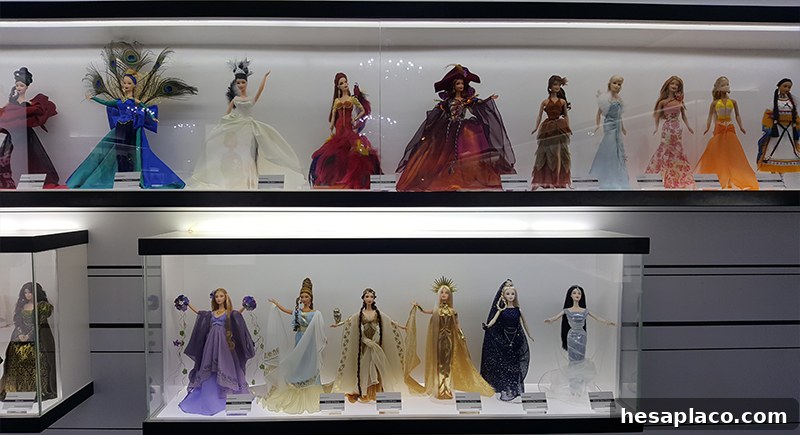
Since her debut in 1959, Barbie has been designed in the United States and inspired generations of children. To remain cost-competitive, Mattel moved much of Barbie’s manufacturing offshore in the 1980s. Today, many Barbie dolls are produced in China, while design and brand management continue to operate from the U.S.
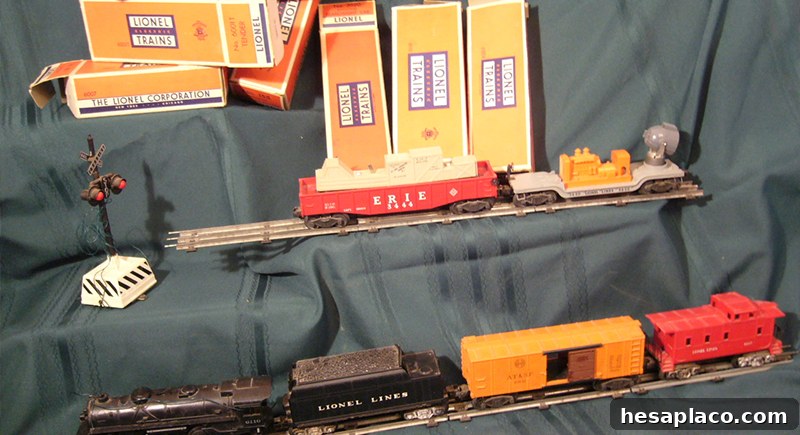
Lionel Trains
Credit: Wikimedia Commons
Lionel model trains were a nostalgic fixture of American holidays for decades. Over time, production shifted to countries such as Korea and China to reduce costs and scale manufacturing. Collectors seeking American-made Lionel pieces typically look to vintage models found in antique shops and auction marketplaces.
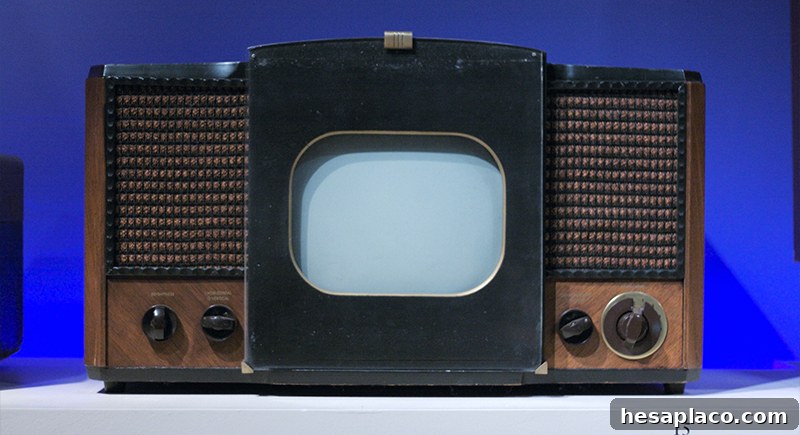
RCA Televisions
Credit: Wikimedia Commons
RCA helped popularize television technology and supplied many American households with sets manufactured domestically for years. As the electronics industry globalized, RCA changed ownership and production locations. Today, many RCA-branded TVs and components are manufactured in East Asian countries such as China and Taiwan.
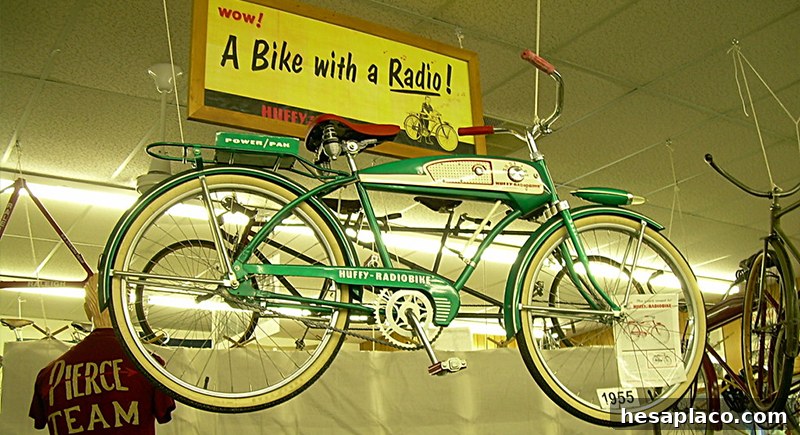
Huffy Bicycles
Credit: flickr
Huffy once produced millions of bicycles in the United States and became synonymous with childhood freedom. Competitive pressure from lower-cost imports led the company to close its last U.S. factory in the late 1990s. Today, much Huffy production is located in countries such as China and Mexico.
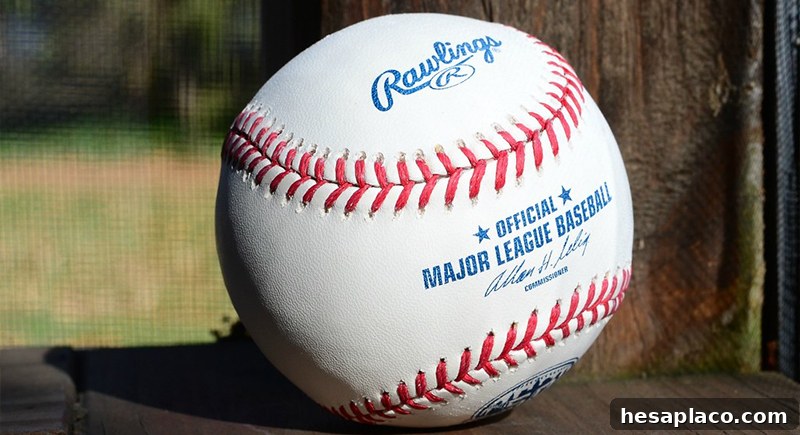
Rawlings Baseballs
Credit: flickr
Baseball is a deeply American pastime, yet many official game balls are produced outside the U.S. Rawlings, which supplies Major League Baseball, moved much of its baseball manufacturing to Costa Rica beginning in the late 1980s. The company remains American-owned while using international labor and facilities for stitching and assembly.
Radio Flyer Wagons
Credit: flickr
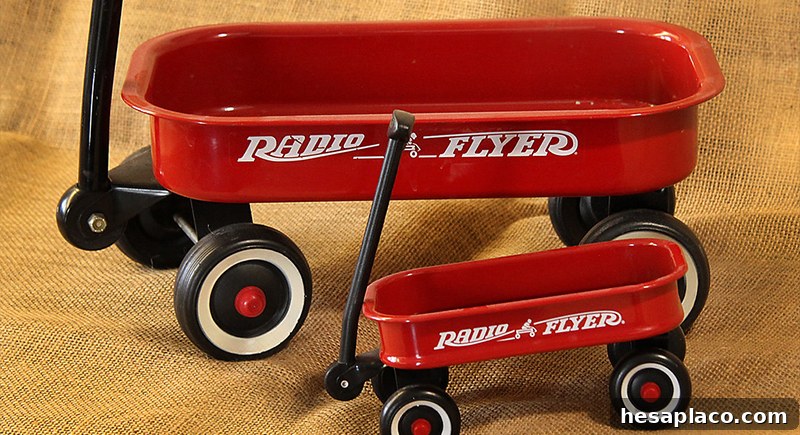
Radio Flyer made the classic red wagon in Chicago for generations. To remain price-competitive, much of the company’s manufacturing moved overseas. Today many Radio Flyer wagons and related toys are produced in countries such as China, though the company continues to operate from the U.S.
Winchester Rifles
Credit: Facebook
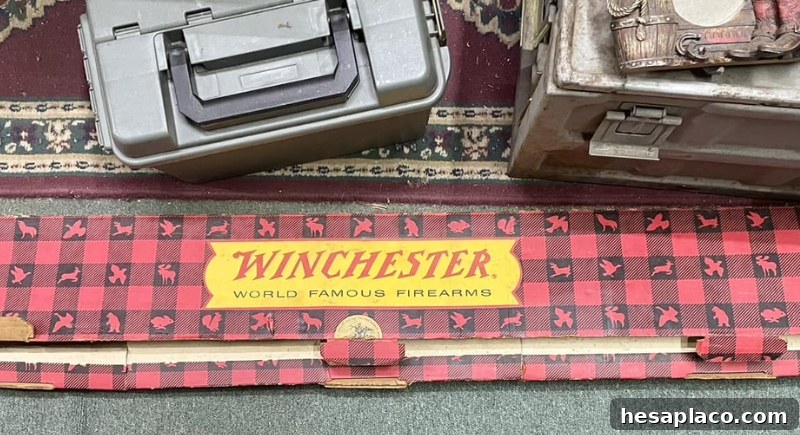
Winchester built a long-standing reputation across American history for its rifles. After many changes in ownership and factory closures, production moved outside the United States. Today, some modern Winchester-branded firearms and components are manufactured in countries like Belgium and Japan, depending on the specific product and era.
Griswold Cast Iron Cookware
Credit: Wikimedia Commons
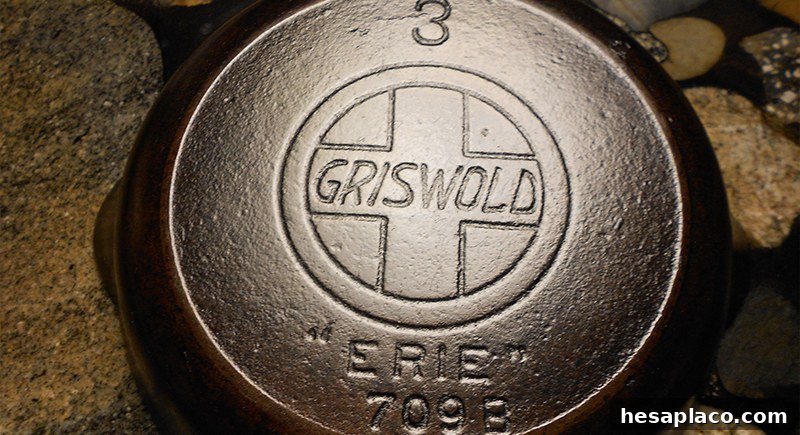
Griswold cast iron from Pennsylvania is highly prized by cooks and collectors for its quality and smooth cooking surface. Production ceased under the original company mid-20th century, and subsequent ownership changes meant Griswold-branded cookware is no longer produced by the original U.S. foundry. Original pieces are sought after on the vintage market.
Etch A Sketch
Credit: flickr
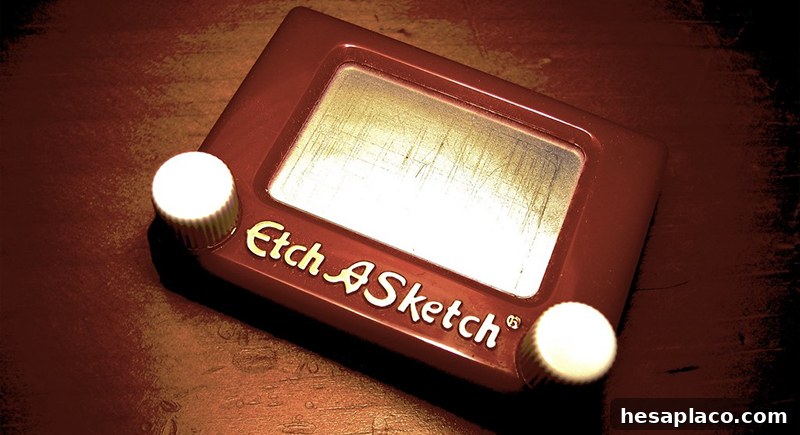
The Etch A Sketch became a popular drawing toy after its 1960 launch. To reduce costs, the manufacturer moved production to China around the turn of the 21st century. Vintage, U.S.-made units are valued by collectors, while contemporary versions are typically produced overseas.
Sylvania Light Bulbs
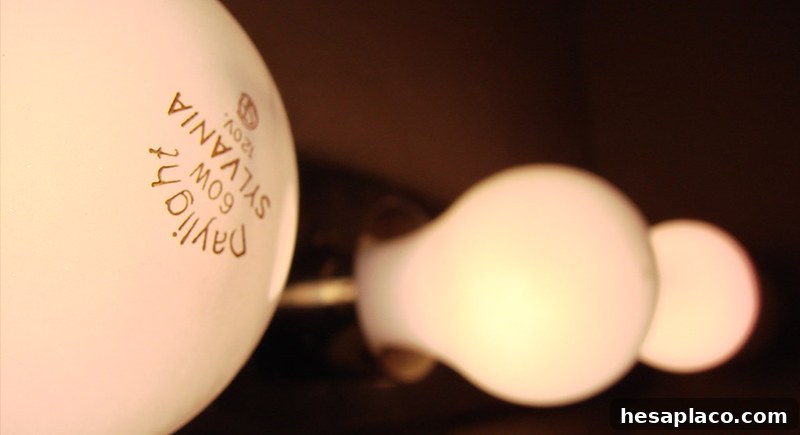
Credit: flickr
Sylvania was once synonymous with American-made light bulbs and lighting components. As the lighting industry globalized, production shifted to countries with lower manufacturing costs. Today, many Sylvania-branded bulbs and lighting products are manufactured overseas, though the brand remains recognizable in the U.S.
American Girl Dolls
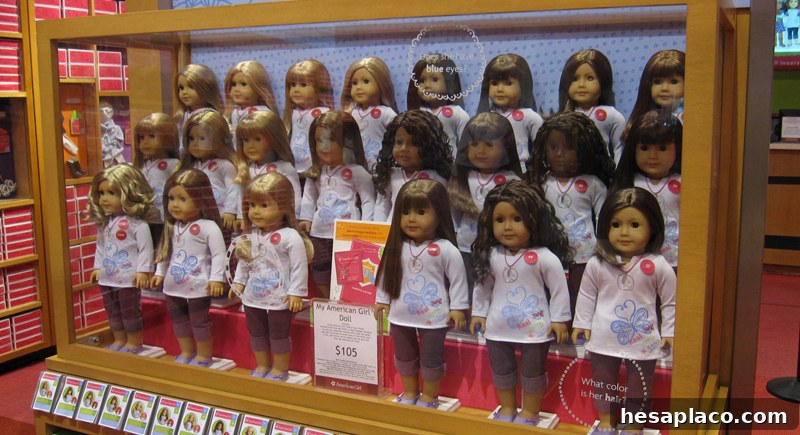
Credit: Wikimedia Commons
American Girl dolls built a strong cultural presence with detailed stories and accessories. Despite the brand’s name, most American Girl dolls have been manufactured in China since the 1990s after parent company changes and cost-optimization efforts.
Whirlpool Appliances
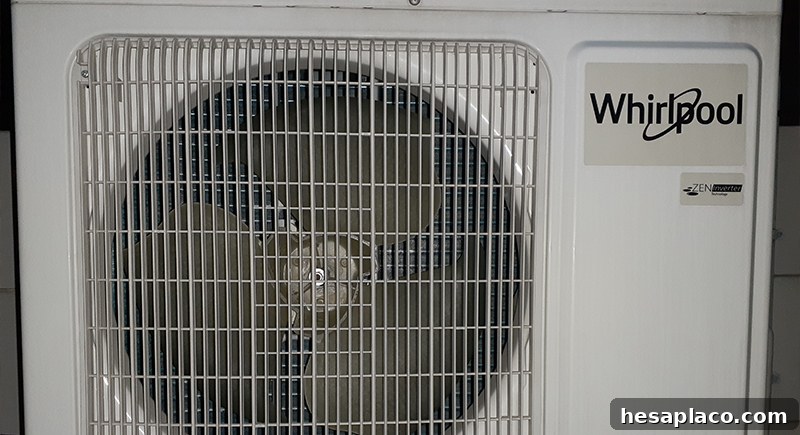
Credit: Wikimedia Commons
Whirlpool remains a major appliance brand with U.S. operations and assembly plants, but it has also shifted significant manufacturing and component sourcing overseas. Key parts and some finished products come from countries such as Mexico and China as the company balances global supply chains and production costs.
Apple iPhones

Credit: pexels
Apple designs iPhones in California, but their large-scale assembly takes place primarily outside the United States. Historically, China has been the main assembly location, with growing manufacturing activities in India and Vietnam as part of broader supply-chain diversification.
Nike Footwear
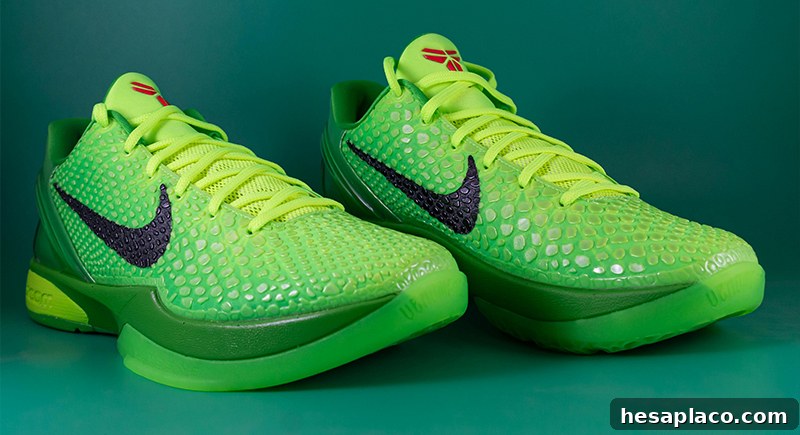
Credit: pexels
Nike once produced many shoes in the United States, but most modern Nike footwear is manufactured abroad. Major production hubs include Vietnam, Indonesia, and China, where large factories and supplier networks support the brand’s global scale and demand.
These examples illustrate how global supply chains and cost pressures have reshaped where familiar American brands manufacture their products. In many cases the brands remain U.S.-based at the corporate or design level, while production and assembly occur overseas to meet price and volume requirements.