
Grocery shopping today feels very different than it did a decade ago. The differences show up in more than just the final total at checkout: everyday staples have become more expensive for reasons shoppers rarely see on store shelves. Weather extremes, disease outbreaks, rising wages, and global trade choices have all reshaped what’s available and how much it costs.
Examining how common grocery items have changed in price helps explain the forces behind today’s food costs and offers clues about where prices may head next.
Eggs

Credit: Getty Images
A dozen eggs averaged about $2.66 in 2015. A severe avian influenza outbreak in early 2025 dramatically reduced the supply, driving retail prices above $6 per dozen at the peak. Prices have eased since then to roughly $3.88, but that level remains well above earlier norms for what has long been considered an inexpensive protein source. The spike highlights how disease in production systems can ripple quickly through supply chains and shelf prices.
Milk
Credit: Yelp
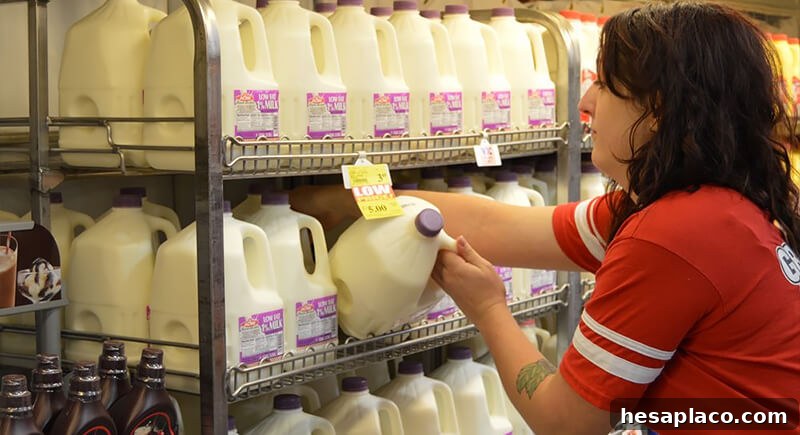
A gallon of milk that cost around $3.30 in 2015 now runs closer to $4.13. This increase reflects more than general inflation: higher feed costs for dairy cows, labor shortages in key dairy regions, and higher transportation expenses due to shifts in fuel and logistics have all pushed costs up. Because milk is a perishable product with tight distribution windows, changes in any part of the supply chain show up quickly at retail.
Bacon
Credit: Reddit
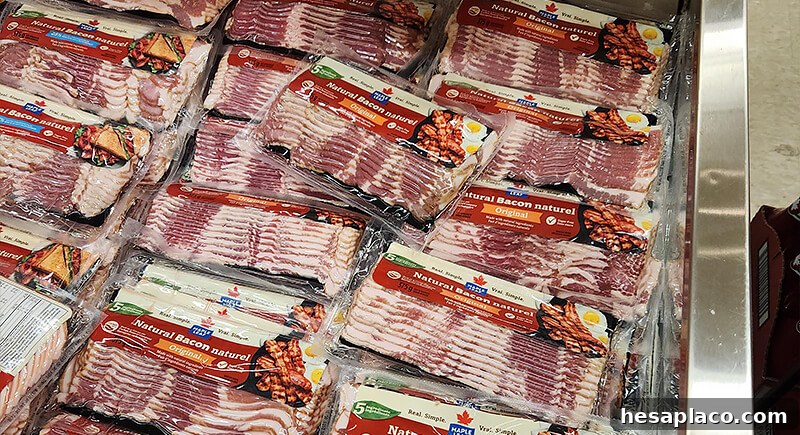
Sliced bacon sold for about $5.90 per pound in 2015 and rose to roughly $7.29 by 2025. Several factors contributed: feed price increases, disease and health issues in hog herds, and workforce shortages at processing facilities. Rising global demand also drew U.S. pork into international markets, tightening domestic availability and supporting higher prices.
Bananas
Credit: pexels
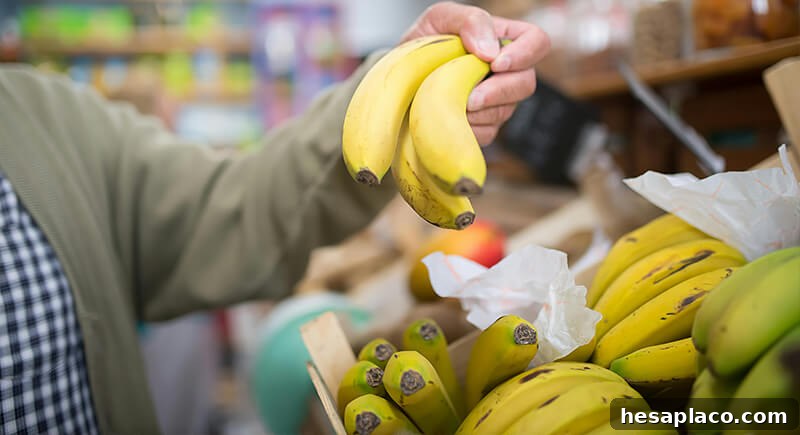
Bananas rose from about $0.58 per pound in 2015 to $0.67 by 2025. Although the overall increase seems modest, prices can be volatile: between April and October 2025 they climbed 5.4%. Much of the upward pressure reflects higher transportation and supply-chain costs rather than direct trade penalties, since bananas travel long distances and are sensitive to shipping and logistics disruptions.
Coffee

Credit: iStockphoto
The cost of ground coffee has increased significantly. In 2015, a pound averaged about $4.60; by 2025, it was roughly $9.14 per pound. Severe droughts in major coffee-producing regions reduced output, while trade costs and tariffs in some markets made importing more expensive. Strong global demand for coffee also helped keep prices elevated even as supplies became strained.
Bread
Credit: pexels
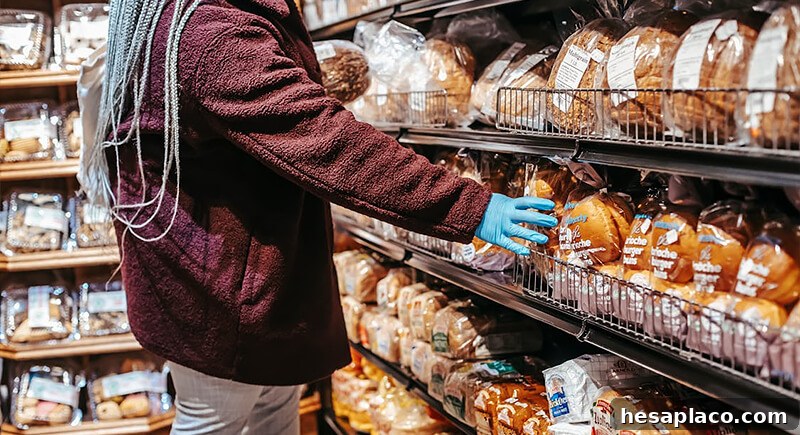
White bread cost about $1.41 per pound in 2015 and rose to around $1.79. It briefly exceeded $2 during a supply crunch in 2023. The price eased somewhat after fuel and shipping pressures cooled, but ongoing increases in flour, labor, and trucking costs have kept bread pricier than in earlier years. Because bread relies on multiple inputs, price swings in any one area — flour, fuel, or labor — affect the final retail cost.
Flour
Credit: Reddit
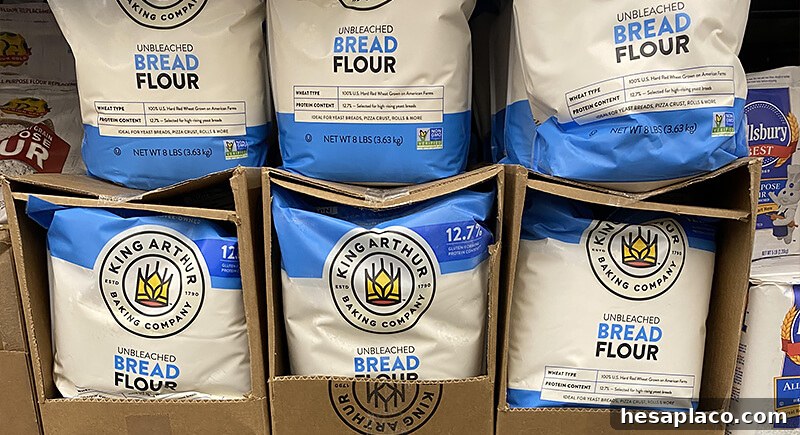
A 5-pound bag of all-purpose flour cost around $2.07 in 2013 and rose to $2.98 by 2022 — about a 44% increase. That rise reflects higher wheat prices and increased processing costs. Since flour is a foundational ingredient for many foods, price shifts here ripple across the broader grocery basket, affecting both home baking and packaged foods.
Ground Beef
Credit: iStockphoto
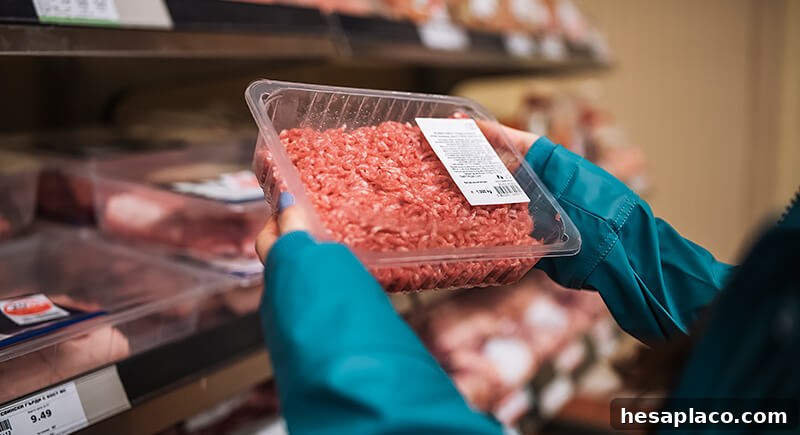
Ground beef averaged about $3.32 per pound in 2013 and climbed to $4.87 by 2022. Dry conditions in cattle-producing states, disruptions at meatpacking plants, and broader supply-chain pressures all contributed. The retail price of ground beef bundles many cost inputs — feed, labor, water, and fuel — so changes across the production chain show up at the grocery counter.
Peanut Butter
Credit: Reddit
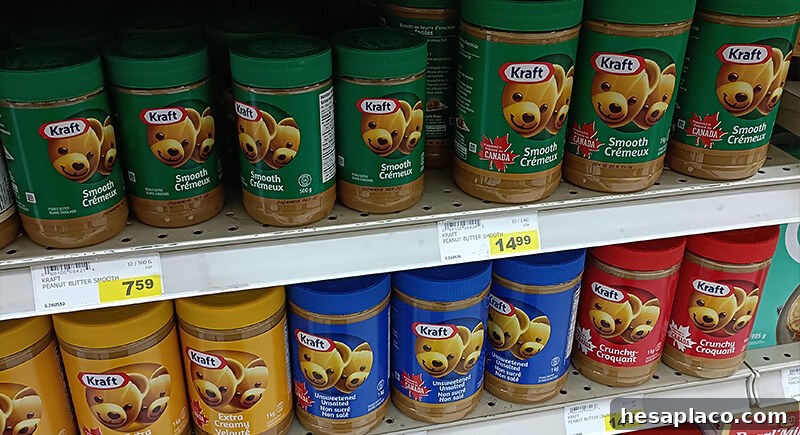
Peanut butter, a pantry staple, has also been affected by rising costs. From about $2.26 per pound in 2013 to $3.31 in 2022, the increase reflects higher prices for peanuts, packaging, and processing. For households that regularly buy peanut butter, these changes add up over time.
Apples
Credit: pexels
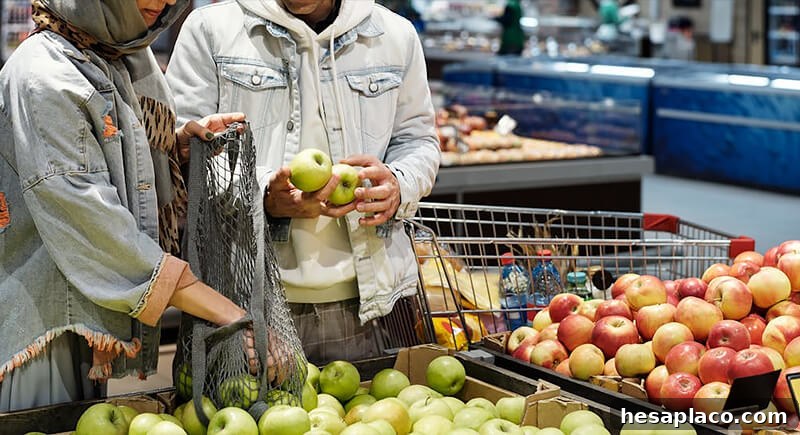
Red Delicious apples were about $1.23 per pound in 2013 and averaged roughly $1.57 by 2022. Higher costs for seasonal labor, rising prices for fertilizer and pesticides, and long-distance distribution from major growing states like Washington have contributed to the increase. Even resilient fruits aren’t immune to the combined impact of labor, input, and transportation costs.
Across these examples, a pattern emerges: food prices rise when production or distribution faces stress, whether from weather, disease, labor, or trade. For shoppers, that means the price on the shelf reflects a complex chain of factors beyond the grocery cart. Monitoring these trends can help consumers and policymakers anticipate which items may see further price pressure and where efforts to stabilize supply chains might matter most.