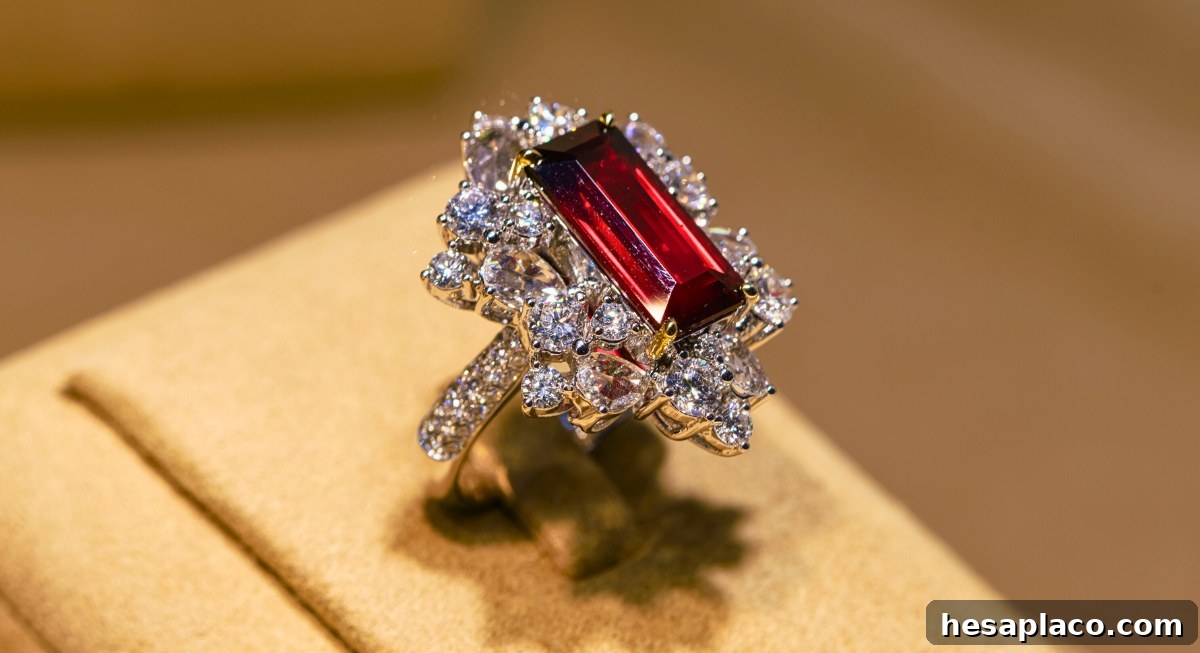
The world’s most expensive substances command their prices for very different reasons. Some, like rare gemstones, are valuable because nature produces them in limited quantities. Others, such as specialized medical isotopes, are costly because producing and handling them requires complex, tightly controlled processes. Prices are usually quoted in US dollars per gram, and many of these materials are so scarce that they are handled in microscopic amounts.
Antimatter
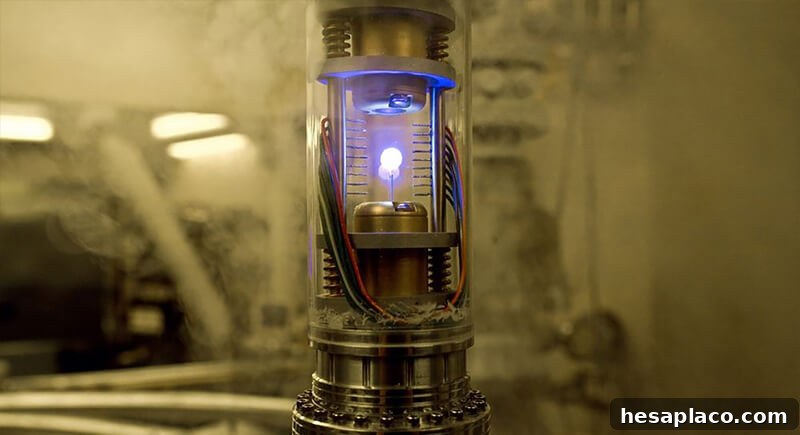
Credit: Creative Commons
Antimatter is often cited as the most expensive substance on earth. One common estimate places its cost at roughly $62.5 trillion per gram because production in particle accelerators is extremely inefficient. Facilities like CERN have produced only minute quantities, and storage is challenging: antimatter annihilates on contact with ordinary matter, so it must be confined in electromagnetic traps. The combination of production difficulty and demanding storage needs keeps antimatter firmly in the realm of laboratory research.
Taaffeite
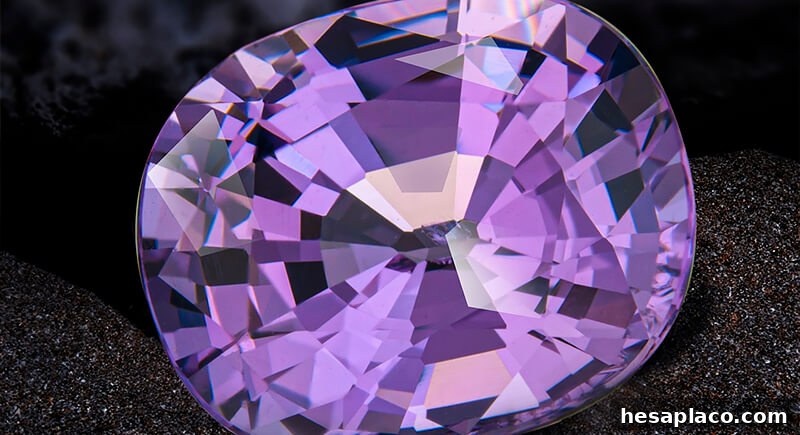
Credit: Instagram
Taaffeite is a rare gemstone first identified in 1945 when a cut stone proved not to be spinel. Gem-quality taaffeite commands prices around $20,000 per gram in many lists because high-clarity, well-colored stones are very scarce. The mineral shows double refraction—an optical property that helps distinguish it from lookalikes. Most commercially available taaffeite comes from sources such as Sri Lanka and Tanzania, where limited deposits produce only small yields of gem-grade material.
Tritium
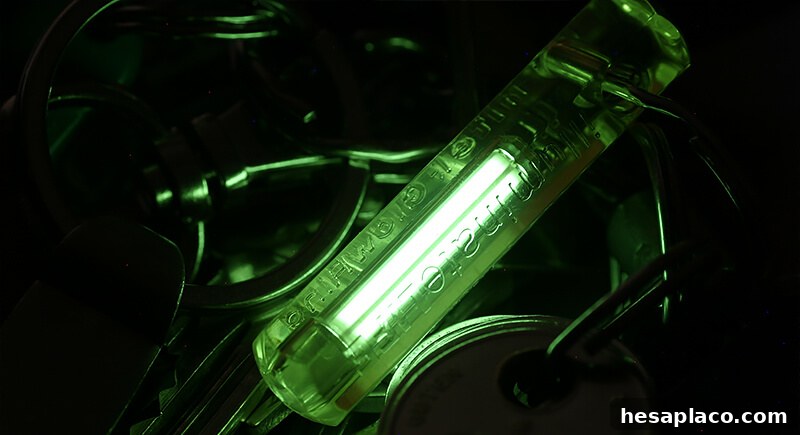
Credit: Wikipedia
Tritium, a hydrogen isotope with two neutrons, is radioactive and widely used in research and commercial applications such as self-luminous exit signs. Because it must be produced in nuclear reactors or particle accelerators and is strictly regulated, tritium’s price is often quoted at around $30,000 per gram. Its radioactivity and controlled distribution add to production and handling costs, and its usefulness in niche applications keeps demand steady.
Painite
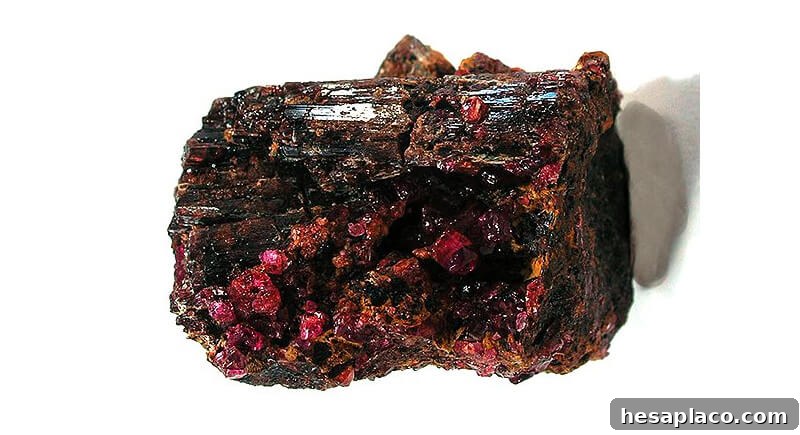
Credit: Wikimedia Commons
Discovered in Myanmar and known for decades from only a handful of specimens, painite remained one of the rarest gemstones for a long time. Even after additional finds, gem-quality painite remains scarce, and lists frequently value it at roughly $250,000 per gram. The market values stones by clarity and cutability: many painite crystals contain inclusions that prevent high-quality faceting, so a single clear, well-shaped crystal can command a much higher price than a larger but heavily included piece.
Red Diamonds
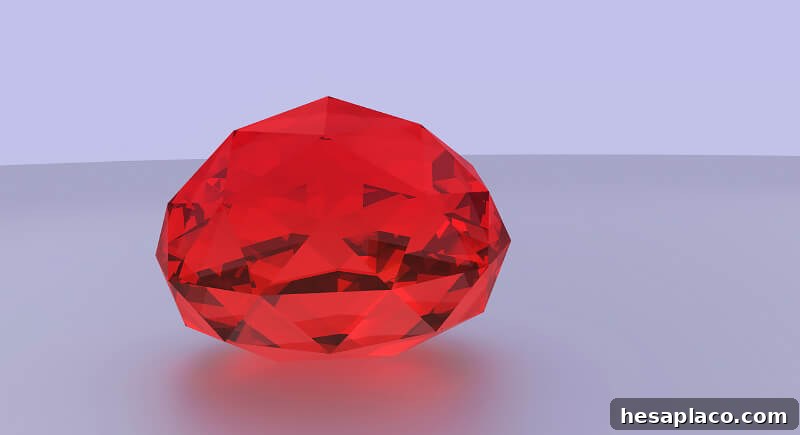
Credit: Getty Images
Natural red diamonds are among the rarest of the fancy-color diamonds. Prices in popular comparisons can reach around $5,000,000 per gram. Many red diamonds sell for well over $1,000,000 per carat; since 1 carat equals 0.2 grams, per-gram figures appear extreme. The red color typically results from distortions in the crystal lattice rather than from chemical impurities, which contributes to the extraordinary rarity and high value of true red diamonds.
Endohedral Fullerenes
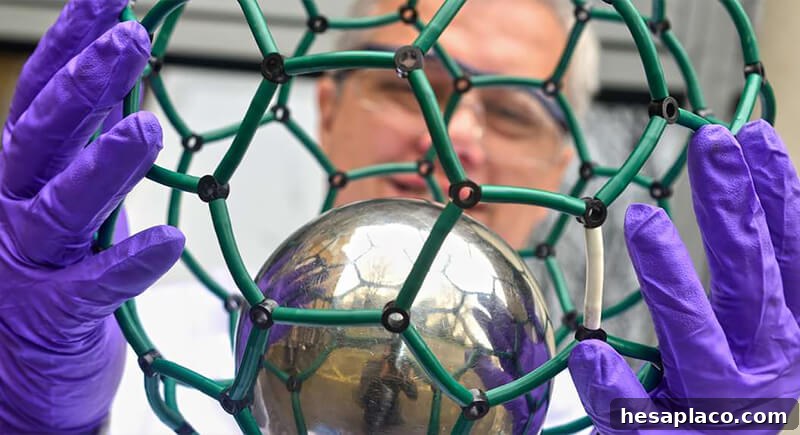
Credit: arstechnica
Endohedral fullerenes are carbon cages that enclose other atoms or small clusters inside a hollow molecular shell. Because their synthesis is complex and yields are often very low, some types are priced near $150,000 per gram or more. Researchers study these structures for advanced applications—such as precision timing and components in atomic clock research—and specialized endofullerenes cited in academic work have been associated with prices that can reach extraordinarily high sums per gram for particular, high-purity varieties.
Californium-252
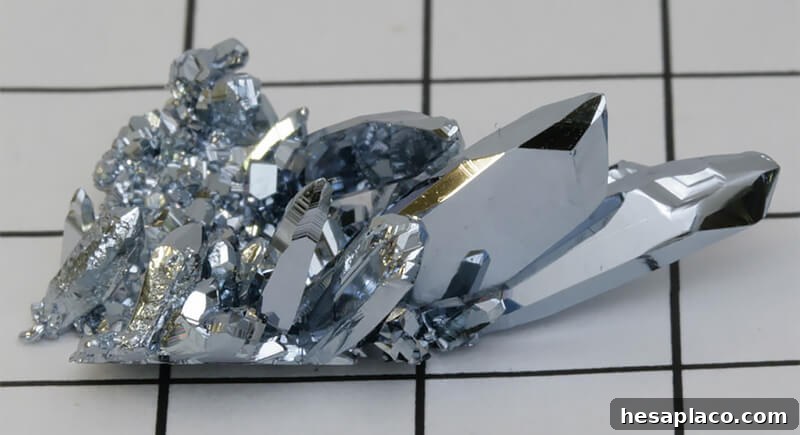
Credit: sarajevotimes
Californium-252 is a man-made isotope that emits neutrons and is used in industrial radiography, certain medical applications, and well-logging in oil and gas exploration. Production requires extended reactor time and specialized facilities, which contributes to a high price often quoted around $25 million per gram. Its intense neutron emission, handling complexity, regulatory controls, and a relatively short useful lifespan all add to the cost of producing and supplying this isotope.
Technetium-99m
Credit: Wikipedia
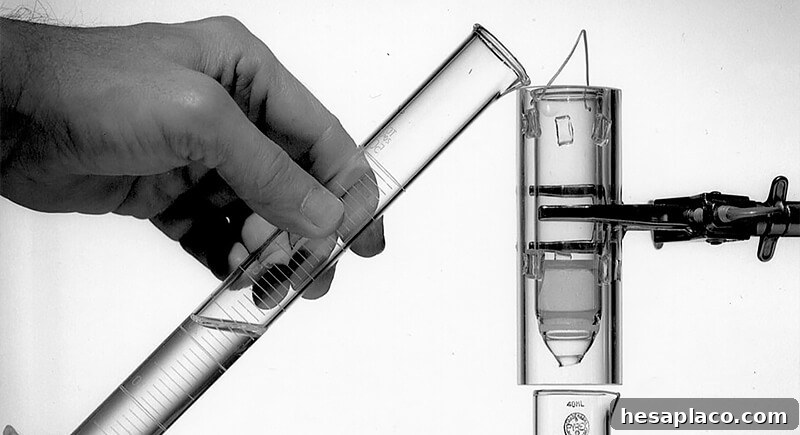
Technetium-99m is the most widely used isotope in diagnostic nuclear medicine. Although per-gram price tags sometimes quoted in lists can reach astonishing figures—often presented as high as $1.9 billion per gram—these numbers reflect the tiny masses used in clinical doses and the isotope’s short half-life of about six hours. Hospitals administer millions of tiny doses for scans such as bone imaging, and each dose must be produced and delivered on a tight schedule. Because clinical quantities are minute, per-gram prices can appear extreme even though individual patient doses contain only trace amounts by mass.
Actinium-225
Credit: Wikipedia
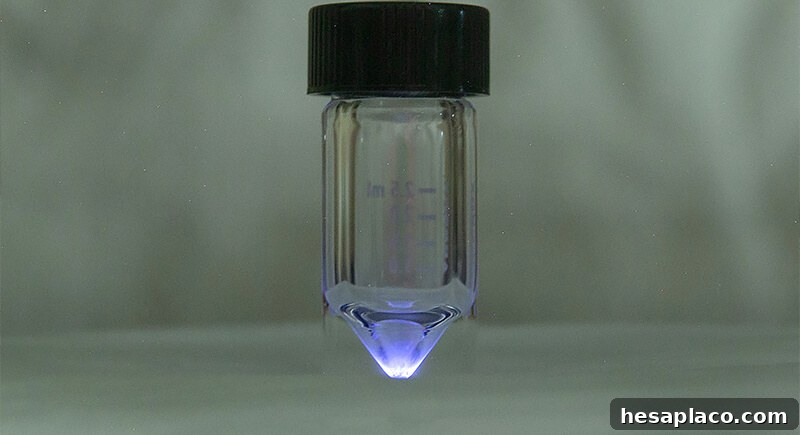
Actinium-225 is a promising isotope for targeted alpha therapies in cancer treatment. Because production routes are limited, facilities are few, and the isotope has a short half-life, prices quoted for actinium-225 can be extremely high—commonly cited near $29 billion per gram. The scarcity of supply, the complexity of production and purification, and the isotope’s strong therapeutic potential all contribute to high per-gram valuations and significant logistical challenges for medical use.
Plutonium
Credit: Wikipedia
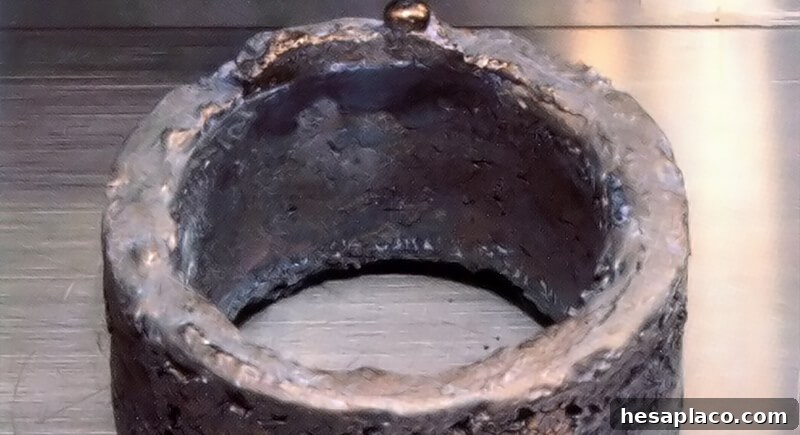
Plutonium, in its pure form, is sometimes referenced with prices around $4,000 per gram in comparative lists, though legal access and handling are tightly restricted. Different isotopes of plutonium serve distinct roles: plutonium-238 has been used to power deep-space missions through radioisotope thermoelectric generators, while plutonium-239 is notable for its fissile properties in reactors and historical weapons programs. Beyond the material’s intrinsic value, costs reflect the extensive security, regulatory oversight, and specialized facilities required to produce, handle, and store radioactive materials.