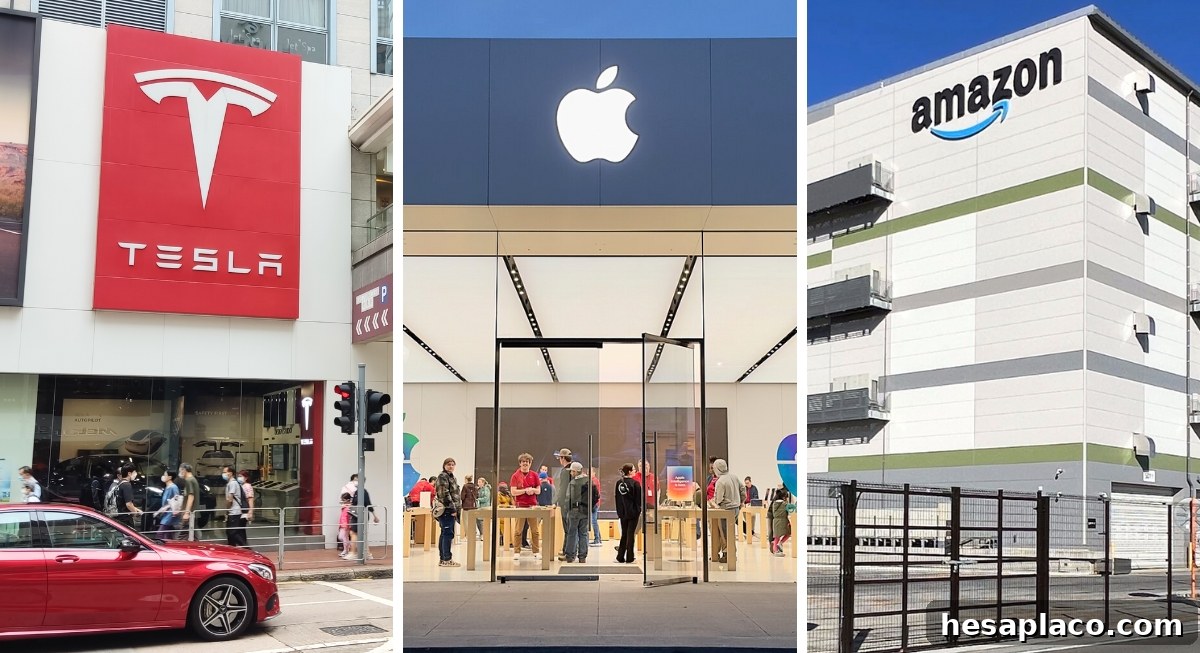
Big companies fail from time to time, but a handful have grown so large that their collapse would produce global shockwaves. Governments monitor them closely, and economists track their every move. Below is a clear look at the firms whose operations are so deeply woven into daily life and global systems that major disruption would be felt worldwide.
Amazon
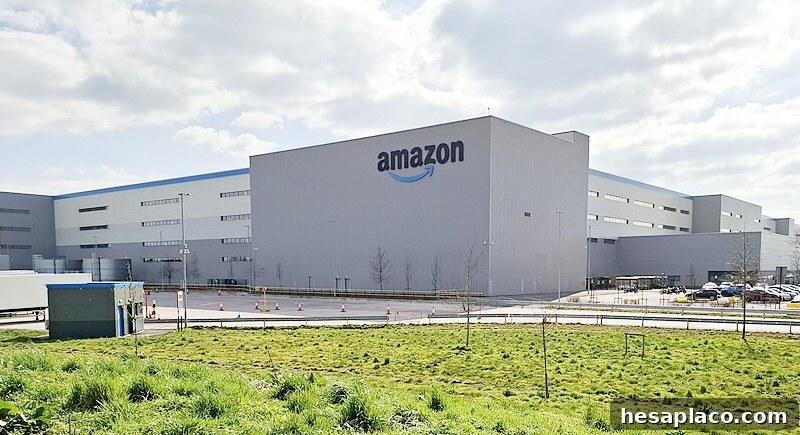
Credit: Wikimedia Commons
Amazon became a dominant force in e-commerce long before 2020, but the pandemic accelerated its role as a daily lifeline for millions who relied on it for groceries, household goods, and entertainment. Amazon Web Services (AWS) supports critical infrastructure across the internet, powering platforms from streaming services to scientific institutions. A major failure at Amazon would disrupt online retail, cloud-hosted services, and countless businesses that depend on its infrastructure.
JPMorgan Chase

Credit: Wikimedia Commons
JPMorgan Chase is not only the largest bank in the United States but also one of the most influential financial institutions worldwide. It plays a central role in mortgages, corporate lending, asset management, and payment processing. With assets measured in the trillions, its health directly affects credit flows, investment markets, and consumer finance. Significant trouble at JPMorgan would ripple through global financial systems.
Microsoft

Credit: Wikimedia Commons
Microsoft is widely known for Windows and Office, but its influence today is driven largely by cloud computing. Microsoft Azure hosts government systems, enterprise applications, and educational platforms. The company is also a major player in artificial intelligence partnerships and cybersecurity. Disruption to Microsoft’s cloud or enterprise services would affect a broad range of public and private sector operations.
Visa
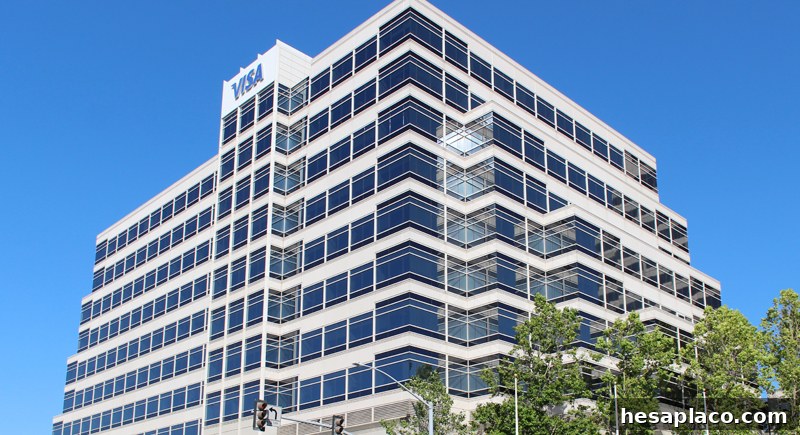
Credit: Wikimedia Commons
Visa runs one of the world’s largest electronic payments networks, processing hundreds of billions of transactions annually. Its systems move money when consumers tap, swipe, or click to pay. A prolonged outage or breakdown in Visa’s network would immediately impede commerce, hinder payroll and billing systems, and strain economies dependent on digital payments.
Apple
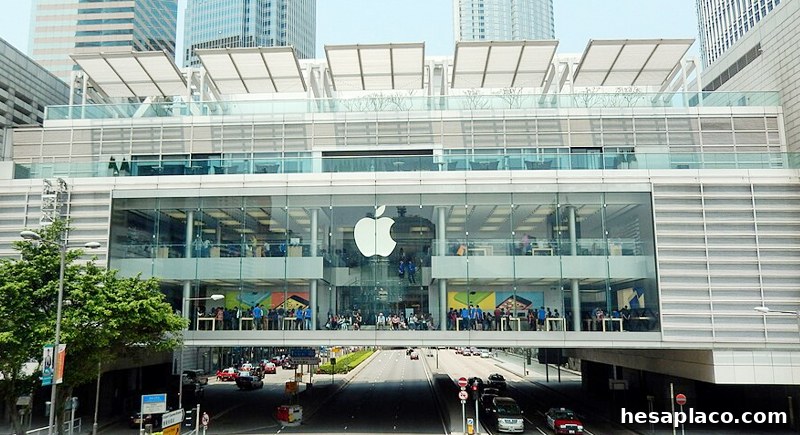
Credit: Wikimedia Commons
Apple transformed how people communicate and how companies reach customers. The iPhone reshaped mobility and commerce, and the App Store created an entire ecosystem for developers and businesses. Apple Pay has helped shift transactions onto mobile devices, while the company’s chip development and retail footprint make it a powerful player in hardware and services. Apple’s brand and product ecosystem influence consumer habits across the globe.
Google (Alphabet)
Credit: Wikimedia Commons
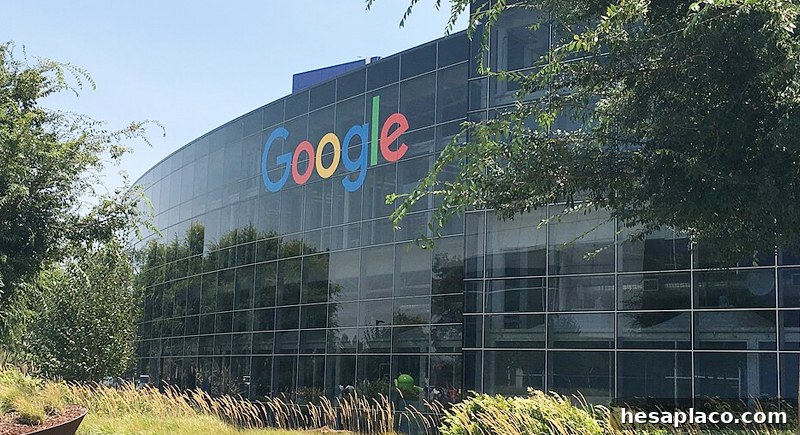
Google Search is integral to how people find information, but Alphabet’s reach extends far beyond search. The company operates YouTube, Gmail, Google Cloud, and a variety of experimental projects, including autonomous vehicle research. Alphabet’s algorithms and platforms shape information flow, advertising markets, and online discovery. Major disruption to Google’s services would affect education, navigation, media distribution, and digital advertising worldwide.
Walmart
Credit: Wikimedia Commons
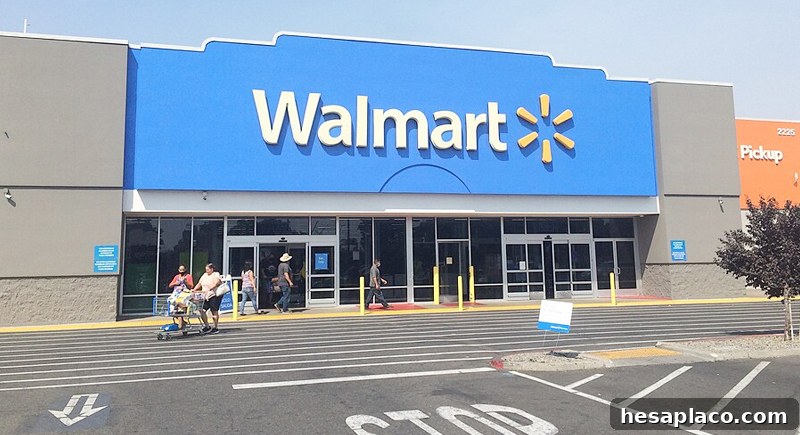
Walmart is a retail giant that moves more groceries and household goods than virtually any other U.S. retailer and employs millions globally. Its logistics and distribution networks keep supply chains moving during crises. If Walmart’s operations were to falter, the effects would cascade through farmers, manufacturers, trucking firms, and the millions of consumers who rely on its stores for essentials.
Disney
Credit: Wikimedia Commons
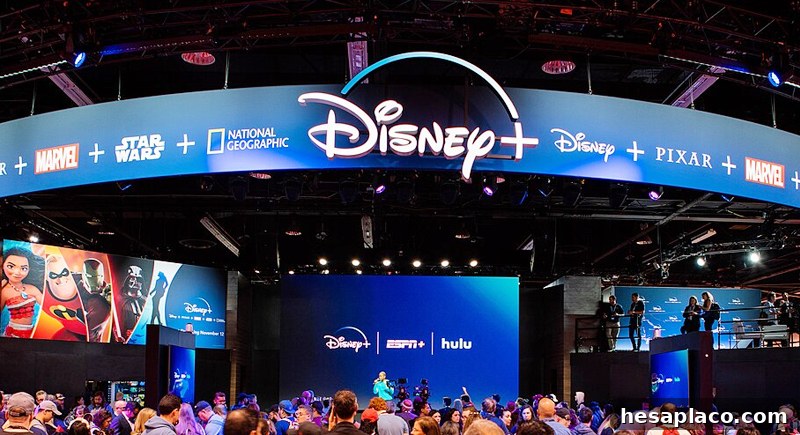
Disney’s influence spans entertainment, sports media, and theme parks. The pandemic temporarily shut parks and theaters but also accelerated growth in streaming, with Disney+ rapidly building subscribers. Disney’s holdings—Marvel, Lucasfilm, ESPN, and others—shape global media and culture. Disruption to Disney would affect content distribution, production ecosystems, and numerous creative industries.
Johnson & Johnson

Credit: Wikimedia Commons
Johnson & Johnson is a major presence in pharmaceuticals, medical devices, and consumer health products. Its role in vaccine production and medical supply chains highlights its importance to public health. A significant interruption in J&J’s operations would strain healthcare providers and supply chains for essential medicines and medical equipment.
Tesla
Credit: Wikimedia Commons
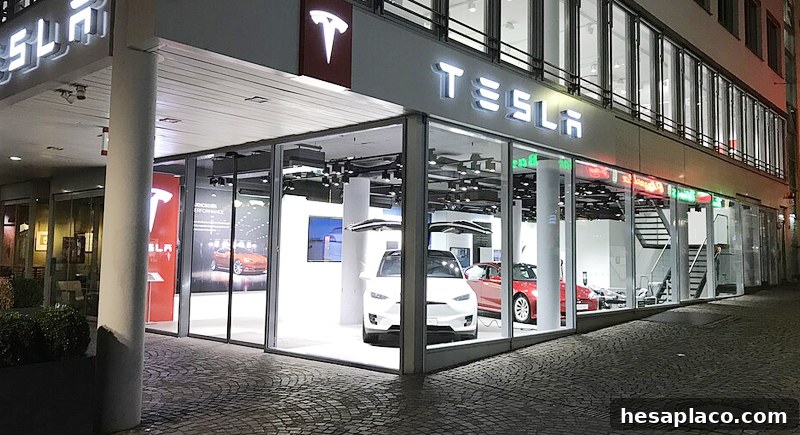
Tesla helped accelerate the global shift toward electric vehicles and renewable energy technologies. The company develops batteries, sells solar products, and operates a widespread charging network. As governments and industries push toward decarbonization, Tesla’s innovations and market presence influence the pace of change in transportation and energy sectors. A serious disruption to Tesla would have consequences for EV adoption, supply chains, and the broader clean-energy transition.