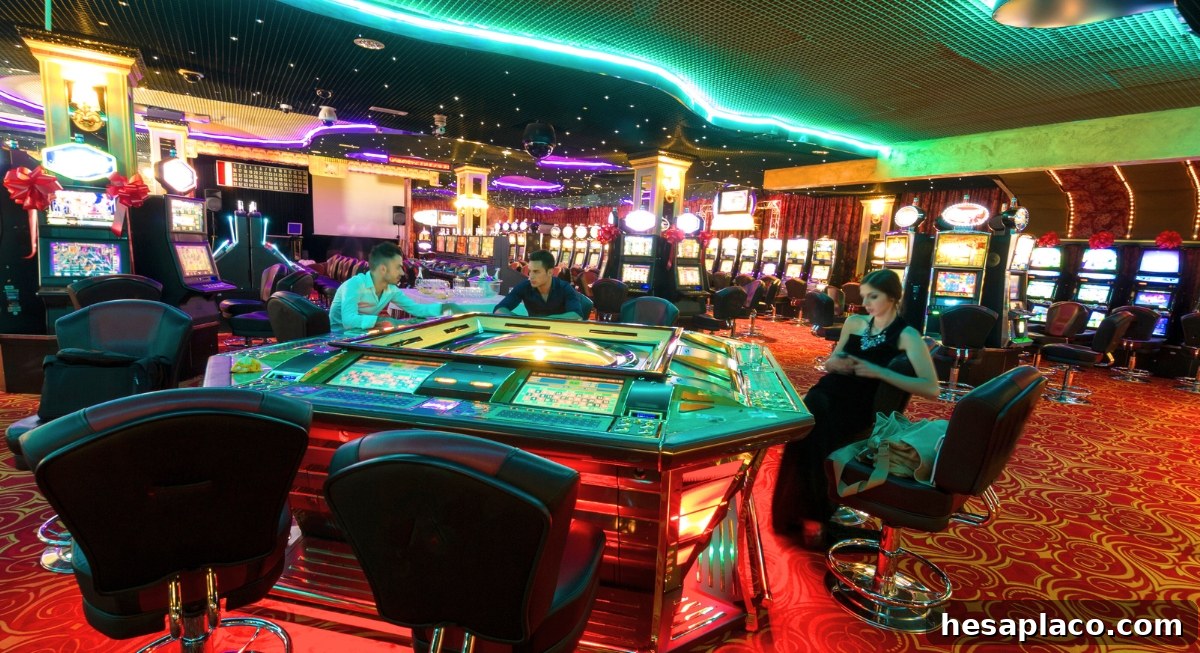
Casinos and digital gambling platforms rely heavily on lighting dominated by blue wavelengths, produced by LED screens and game displays. As gambling moved into digital interfaces and brighter, high-intensity visuals became the norm, these stylistic choices spread widely. Researchers are now examining such environments the way they study pharmaceuticals or advertising exposure — treating design elements as factors that can shape behavior. The evidence indicates that environmental design can influence financial choices indirectly, without explicit persuasion.
Blue Light Alters How You React to Losing

Credit: iStockphoto
Exposure to blue-enriched lighting changes the way gamblers perceive losses. In controlled studies, participants in blue light conditions tended to place riskier bets and exhibited a muted emotional response to losing. Although they still lost money, the expected discomfort or frustration was reduced. This effect appears to stem from blue light’s ability to dampen the natural aversion to loss, making setbacks feel less negative and thus lowering the psychological brakes that normally limit risky behavior.
The Body Reacts to Lighting

Credit: Canva
Blue light activates a set of light-sensitive cells in the retina that connect to brain regions involved in both vision and emotional processing. These pathways communicate with networks that manage risk and reward, producing automatic physiological responses that operate below conscious awareness. In other words, even people who understand gambling risks and intend to play cautiously can become more impulsive under certain lighting conditions because the body’s reactions override deliberate control.
Casino Sounds Encourage You to Keep Playing
Credit: Canva
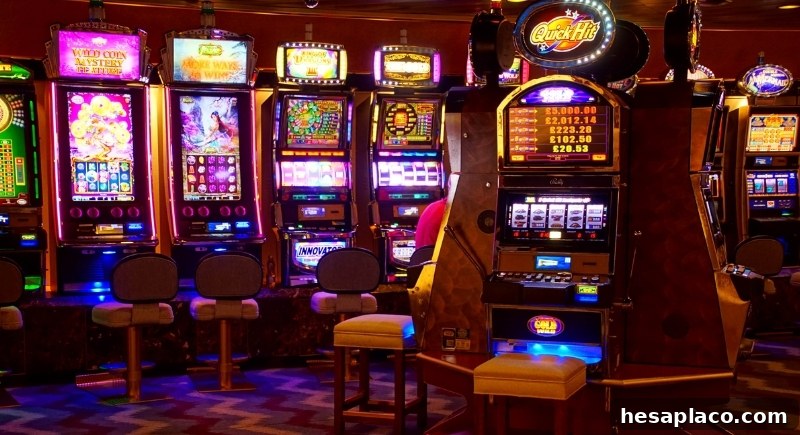
Audio design in casinos and digital games is not merely atmospheric. Machines frequently play upbeat music and celebratory sounds even when the player has not truly won. This practice creates a “loss disguised as a win” effect: the sensory package — music, flashing lights, and animated rewards — gives players the impression of success despite actual losses. That sensory reinforcement can reduce disappointment and encourage players to continue, reinforcing repeated play.
Eye-Tracking Studies Show a Change in Focus

Credit: Getty Images
Eye-tracking experiments reveal that environmental cues steer attention away from analytical information like odds and payout tables. When casino-like visuals and sounds were present, participants spent less time looking at statistics and more time fixating on sensory signals — flashing lights, animations, or images of money. Without those cues, people tended to analyze the risks more closely. The implication is clear: design can shift attention from deliberation to immediate sensation, affecting decision quality.
People With Gambling Risk May Be More Vulnerable

Credit: Canva
Individuals already at risk for problematic gambling appear particularly susceptible to environmental triggers. Bright lights, loud sounds, and rapid sensory feedback increase arousal and can undermine self-control. For someone struggling to stop or manage gambling, these cues may make it more difficult to recognize losses and step away, explaining why some people persist even when the outcomes are unfavorable.
You Can Change Your Lighting at Home

Credit: Canva
For those who gamble online or on mobile devices, adjusting screen settings can help reduce these effects. Lowering brightness, enabling a blue light filter, or shifting your device to warmer color tones in the evening can support clearer emotional responses to wins and losses. Many devices offer built-in night modes or color temperature controls; using them may help prevent overstimulation and encourage more deliberate play.
Risk-Taking Increased More in Male Participants

Credit: Canva
Some experiments found gender differences in how lighting affects behavior. Men, in particular, showed a stronger increase in risk-taking under blue light compared with women, although both sexes were influenced. This observation aligns with broader findings about gender-related patterns in gambling, suggesting that certain groups may be more sensitive to environmental cues and therefore more likely to change their behavior in response to design features.
Blue Light Suppresses Production of Melatonin
Credit: Canva
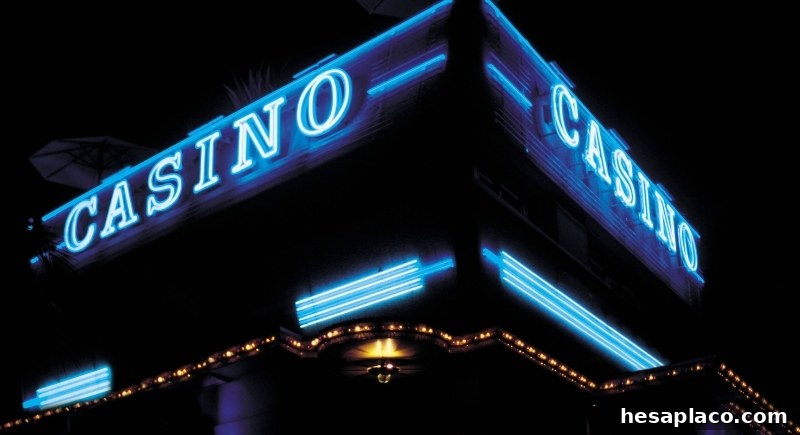
Biologically, blue light is known to suppress melatonin, a hormone that helps regulate sleep. This suppression keeps people more alert and delays the body’s readiness for rest, which is one reason casino environments feel energizing and can sustain long periods of engagement. Lower melatonin levels contribute to extended wakefulness, helping explain why players often stay longer in brightly lit gambling settings.
Digital Games Use the Same Visual Triggers
Credit: iStockphoto
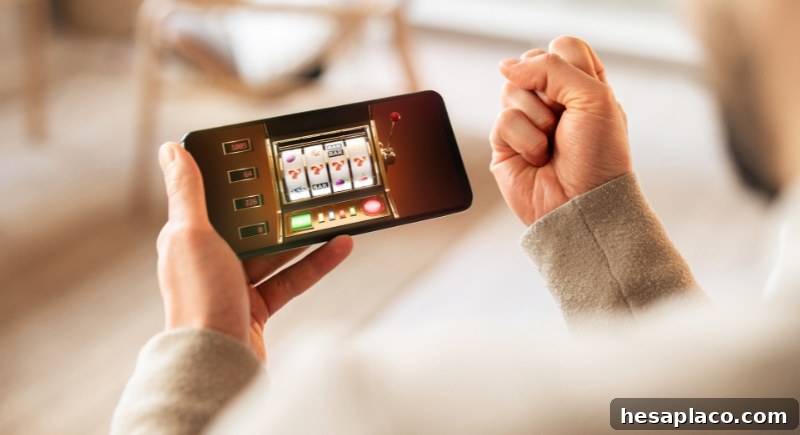
Online slot machines and digital gambling apps intentionally copy the sensory profile of real casinos. Bright on-screen cues, rapid animations, and brief audio clips are designed to evoke the same neural responses triggered by physical slot machines. Even when play happens on a screen, these design features activate reward-related brain circuits and can produce similar behavioral outcomes to in-person gambling.
Changing the Environment May Support Safer Play
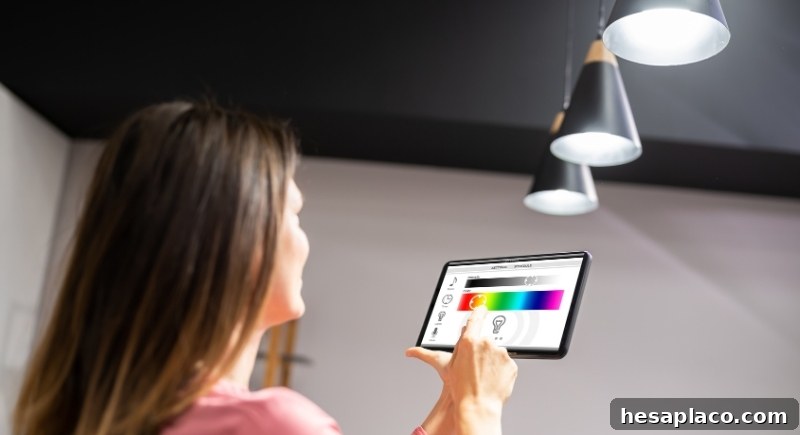
Credit: Getty Images
Experts suggest that modest design changes could reduce gambling-related harm. Shifting lighting toward warmer tones, limiting or removing celebratory sound effects, and dimming displays are practical steps that could make environments less manipulative and more conducive to intentional decision-making. By reducing sensory amplification, these adjustments aim to help players remain aware of the odds and their own limits, supporting safer play without restricting access.