Bankruptcy often signals severe financial distress, but for a number of well-known companies it became a strategic turning point. By taking advantage of legal protections, restructuring debt, or finding new ownership, these brands managed to reorganize, refocus, and re-enter their markets stronger. The following examples show how bankruptcy can enable renewal rather than signal final failure.
Marvel Entertainment

Credit: Wikimedia Commons
In the mid-1990s, Marvel faced collapsing comic book sales and mounting financial obligations that pushed it into bankruptcy protection in 1996. Rather than disappear, the company licensed its characters—most notably Spider-Man and the X-Men—to film and television producers, generating vital revenue. Those licensing successes helped reposition Marvel as a valuable intellectual property owner. In 2009, The Walt Disney Company acquired Marvel for around $4 billion, turning what had been an ailing comic publisher into a global entertainment powerhouse.
Converse
Credit: Wikimedia Commons
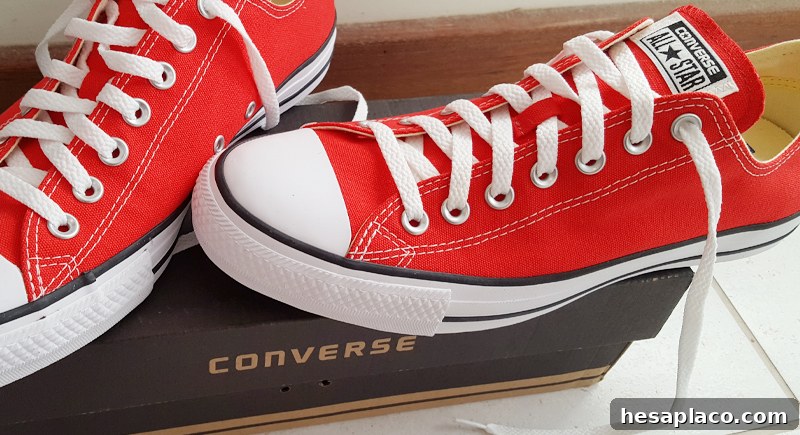
Converse struggled with declining sales and rising debt in the early 2000s and filed for bankruptcy in 2001. The company changed hands at auction and underwent leadership and operational changes that stabilized the business. The most significant shift came in 2003 when Nike purchased Converse for about $305 million. Under Nike’s ownership, Converse gained access to broad distribution channels, marketing expertise, and global scale that helped revive the iconic sneaker brand.
General Motors
Credit: Wikimedia Commons
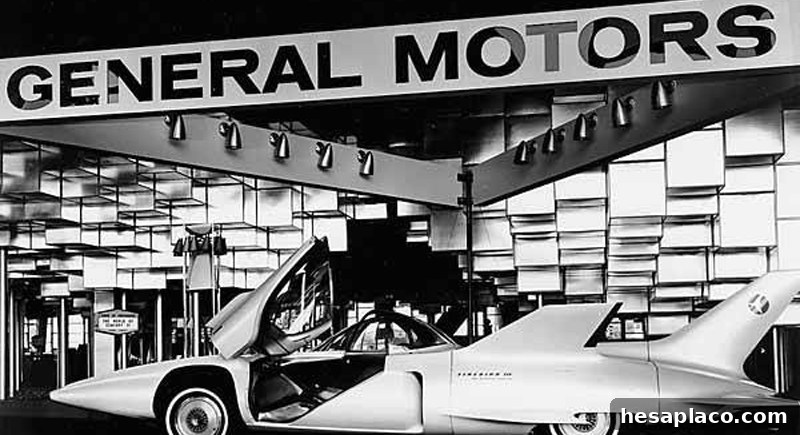
General Motors accumulated massive liabilities and lost competitiveness, ultimately seeking bankruptcy protection during the financial crisis. A government-supported restructuring—including roughly $50 billion in assistance—allowed the automaker to shed weaker brands, restructure labor and supplier agreements, and refocus on core product lines. After reorganizing, GM returned to the public markets and by the early 2020s reported healthy profits, reflecting a disciplined operational turnaround.
Six Flags
Credit: Wikimedia Commons
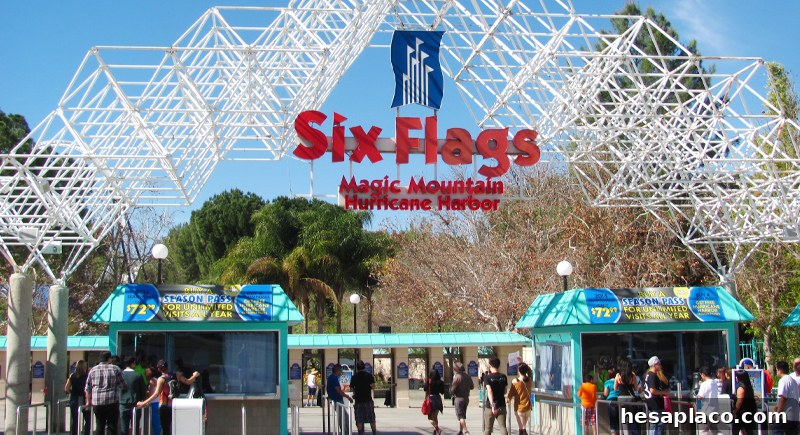
By 2009 Six Flags had taken on more than $2.7 billion in debt and struggled to meet obligations. The company used Chapter 11 to reorganize, converting large portions of debt into equity for creditors and significantly reducing its leverage. That restructuring provided breathing room to stabilize operations, invest selectively in parks, and rebuild cash flow, demonstrating how debt conversion and operational adjustments can preserve a business that provides consumer experiences.
Delta Air Lines
Credit: Wikimedia Commons
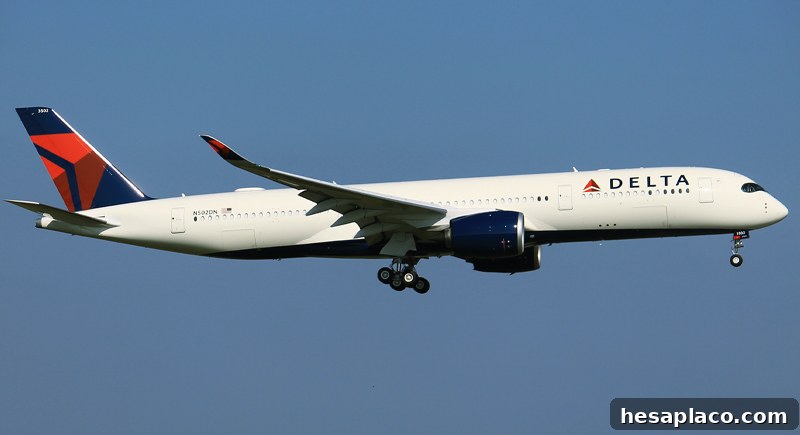
Delta entered Chapter 11 in 2005 and avoided a government rescue by focusing on aggressive cost reductions and restructuring its business. The airline cut labor costs by about $1 billion and reduced headcount, simplified operations around its Atlanta hub, and expanded international routes where margins were stronger. After roughly 19 months in bankruptcy, Delta emerged with lower costs and a more competitive route network, later returning to consistent profitability.
Hostess
Credit: Wikimedia Commons
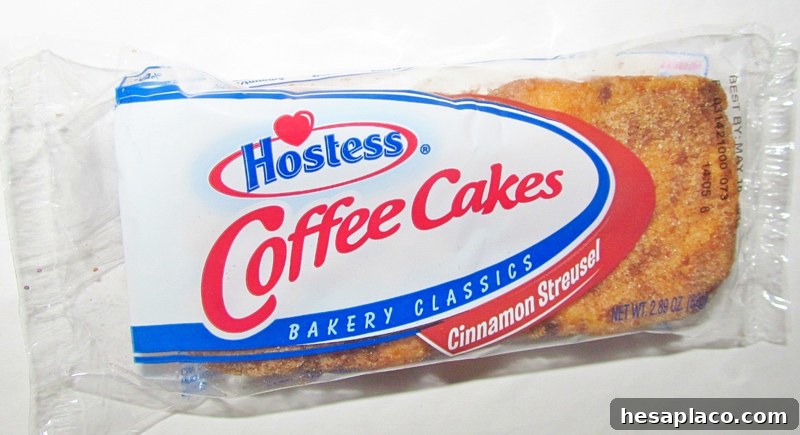
The 2012 bankruptcy of Hostess Brands appeared to threaten beloved snack products such as Twinkies when production halted and shelves emptied. However, a private equity-led acquisition in 2013–2015 injected capital, streamlined the product portfolio, and reduced overhead. With focused investment and operational changes, Hostess relaunched its core brands and rebuilt distribution, showing how targeted restructuring and new ownership can preserve iconic consumer names.
Betsey Johnson
Credit: Wikimedia Commons
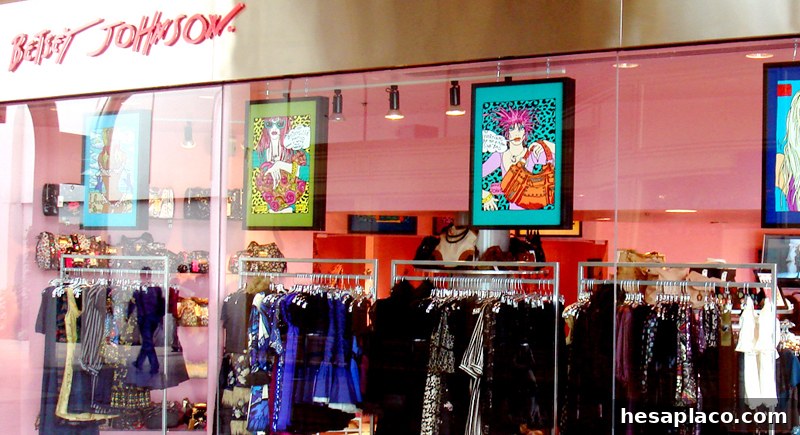
The fashion label Betsey Johnson filed for Chapter 11 in 2012 after rapid expansion outpaced sales. The brand closed stores and reduced staff, and its relaunch benefited from licensing partnerships and new distribution strategies. Backing from established fashion operators, including ties to Steve Madden’s licensing activities, helped the brand refocus on accessible price points, strengthen retail partnerships, and build a more robust e-commerce presence.
American Airlines
Credit: Wikimedia Commons
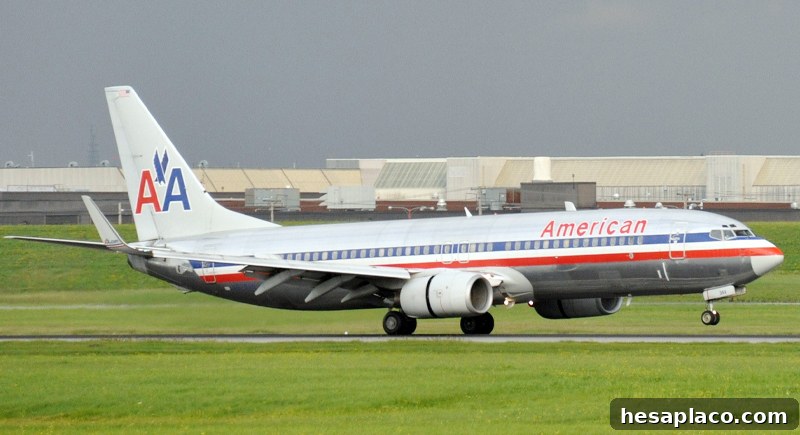
American Airlines used Chapter 11 protection in 2011 to reorganize costs, renegotiate contracts, and address its balance sheet. The restructuring created the conditions for a merger with US Airways in 2013, which formed a much larger combined carrier. That consolidation, along with post-merger synergies and streamlined operations, helped the airline return to profitability within a few years.
Ashley Stewart

Credit: Instagram
Ashley Stewart built a distinct identity serving plus-size fashion, particularly for Black women, but financial troubles led to store closures and diminished investor support by 2014. Private equity investment and new leadership focused on a digital-first strategy, modern merchandising, and revitalized branding. The company’s turnaround underscores how niche retailers can recover by embracing e-commerce and reconnecting with loyal customer communities.
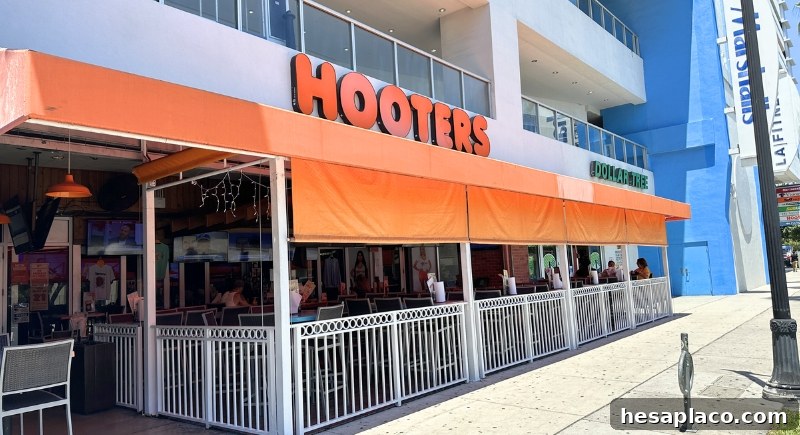
Hooters
Credit: Wikimedia Commons
Facing years of declining performance and brand challenges, Hooters filed for Chapter 11 in 2025 to reset its business model. A group that included original founders and new investors moved to take control with the goal of restoring core brand elements and simplifying operations. The effort highlights how legacy restaurant concepts may use reorganization to clarify their identity and streamline costs for renewed competitiveness.
Each of these examples shows that bankruptcy can be a tool for preserving value: through licensing, new ownership, debt-for-equity swaps, operational cuts, or strategic mergers. While the path back is rarely easy and often painful for employees and stakeholders, thoughtful restructuring can enable companies to survive, adapt, and thrive in a changed marketplace.