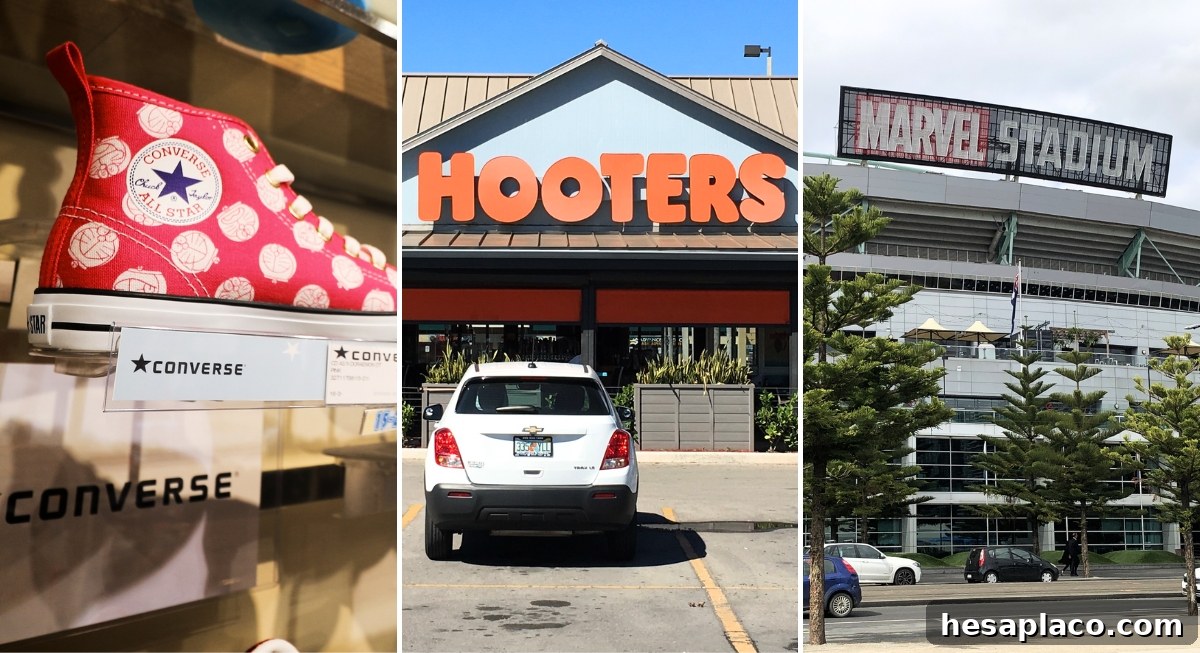
Bankruptcy often signals severe financial distress, but for many well-known companies it has also served as a critical turning point. Under legal protection, businesses can restructure debt, renegotiate contracts, and reorganize operations. For several major brands, Chapter 11 and similar processes provided the breathing room to rebuild, refocus their strategies, and re-enter the market stronger. These examples show how firms can adapt under pressure and emerge with renewed competitive footing.
Marvel Entertainment

Credit: Wikimedia Commons
In the mid-1990s, Marvel faced collapsing comic-book sales and mounting financial obligations that pushed the company into bankruptcy protection. Rather than disappearing, Marvel pursued licensing deals for its characters—leasing Spider-Man, the X-Men, and others to studios and merchandise partners. Those licensing revenues kept the business afloat and raised the profile of its characters across media. Over time, the company’s intellectual property proved extremely valuable, culminating in Disney’s acquisition of Marvel Entertainment in 2009 for $4 billion. The restructuring years demonstrated how strategic licensing and IP management can turn a fragile company into a major media force.
Converse
Credit: Wikimedia Commons
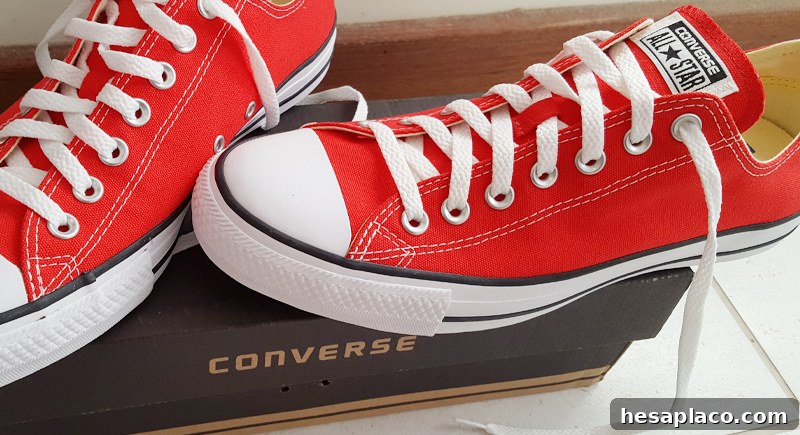
Converse, once a dominant footwear brand, struggled with declining sales and mounting debt in the early 2000s. After filing for bankruptcy in 2001 and being sold at auction, the company underwent leadership and operational changes to stabilize the business. The most significant turnaround came when Nike acquired Converse in 2003 for $305 million. Under Nike’s ownership, Converse gained access to global distribution networks, marketing expertise, and operational support that helped revive the brand while preserving its iconic identity.
General Motors

Credit: Wikimedia Commons
By 2009, General Motors had accrued tens of billions in debt and faced severe competitive pressures. A government-backed restructuring, supported by significant financial assistance, enabled GM to reorganize—closing unprofitable brands, streamlining operations, and renegotiating labor and supplier agreements. The restructured company returned to public markets and, over the following decade, rebuilt profitability. GM’s recovery underscores how large-scale reorganization, strategic cost cuts, and focused product strategy can restore viability even for once-dominant industries.
Six Flags
Credit: Wikimedia Commons
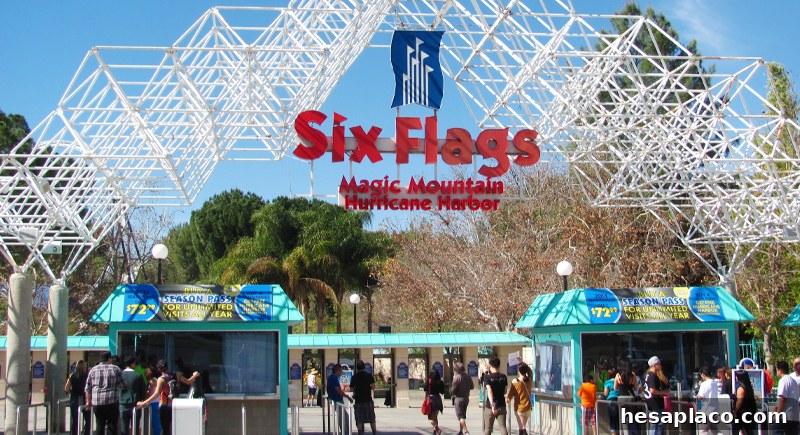
By 2009, Six Flags had taken on excessive debt that made servicing obligations unsustainable. The company filed for Chapter 11 and restructured its balance sheet by converting creditor claims into equity, effectively reducing its debt burden. The restructuring gave Six Flags financial breathing room to invest in operations and attractions, allowing it to refocus on core parks and customer experience. This approach illustrates how debt-to-equity conversions can provide a viable path out of crippling liabilities.
Delta Air Lines
Credit: Wikimedia Commons
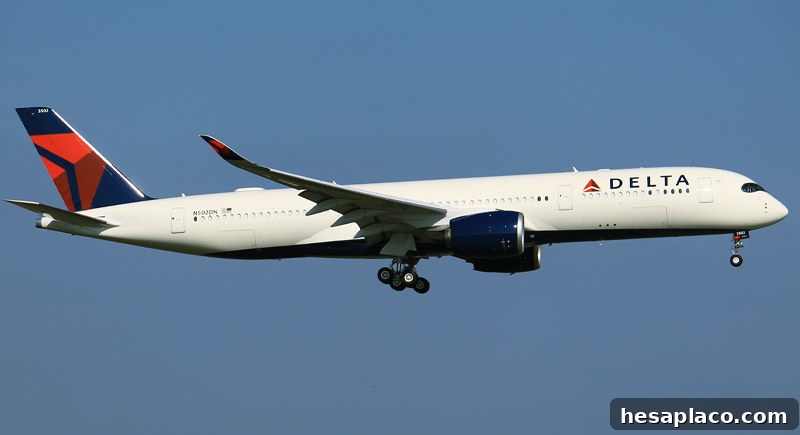
Delta entered bankruptcy protection in 2005 amid high fuel costs, labor challenges, and competitive pressure. Over 19 months, the airline focused on restructuring its cost base, negotiating labor agreements that reduced expenses by roughly $1 billion, and streamlining routes and operations around its Atlanta hub. Delta emerged from bankruptcy in 2007 with a leaner cost structure and a clearer strategic direction, later expanding international service and regaining profitability.
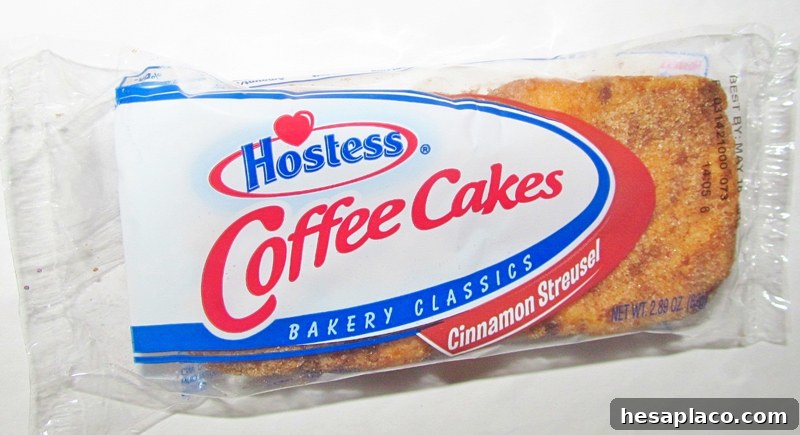
Hostess
Credit: Wikimedia Commons
When Hostess Brands filed for bankruptcy in 2012, many consumers feared the end of beloved products like Twinkies. Operations halted and retail shelves emptied temporarily. A private equity acquisition and a focused turnaround plan revived the company a few years later. The new ownership invested capital, pared down product lines, reduced costs, and modernized production and distribution. Hostess’s revival shows how targeted investment and brand-focused restructuring can restore consumer favorites to store shelves.
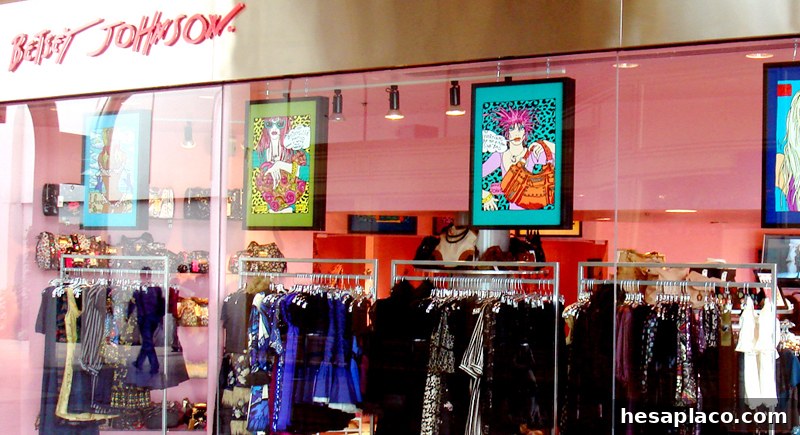
Betsey Johnson
Credit: Wikimedia Commons
Following overexpansion and sales declines, the Betsey Johnson brand filed for Chapter 11 in 2012. The company closed underperforming retail locations and reduced workforce costs to stabilize operations. Licensing arrangements and support from partners—including Steve Madden, who handled licensing—helped relaunch the brand. By focusing on lower-priced collections, improving distribution, and investing in e-commerce, the label reoriented its business model to fit changing consumer behavior.
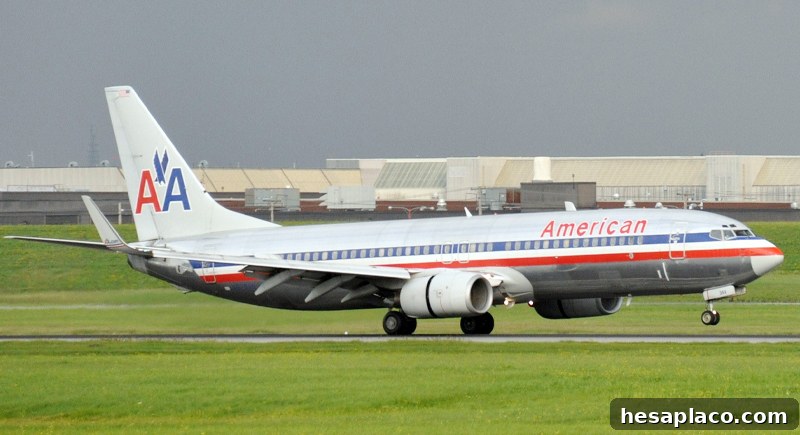
American Airlines
Credit: Wikimedia Commons
American Airlines used bankruptcy protection in 2011 to reduce costs, restructure labor contracts, and renegotiate supplier agreements. The legal breathing room allowed the airline to reorganize more effectively and pursue strategic consolidation. In 2013, American merged with US Airways to form a larger combined carrier. That consolidation helped create scale efficiencies and contributed to the company’s return to profitability within a few years.
Ashley Stewart

Credit: Instagram
Ashley Stewart built a strong identity serving plus-size customers, particularly Black women, but financial strain led to store closures and diminished investor interest by 2014. A private equity-backed turnaround refocused the brand on digital channels and customer engagement. Under new leadership, the company modernized its e-commerce platform, optimized store footprints, and reenergized marketing to reconnect with its core audience.
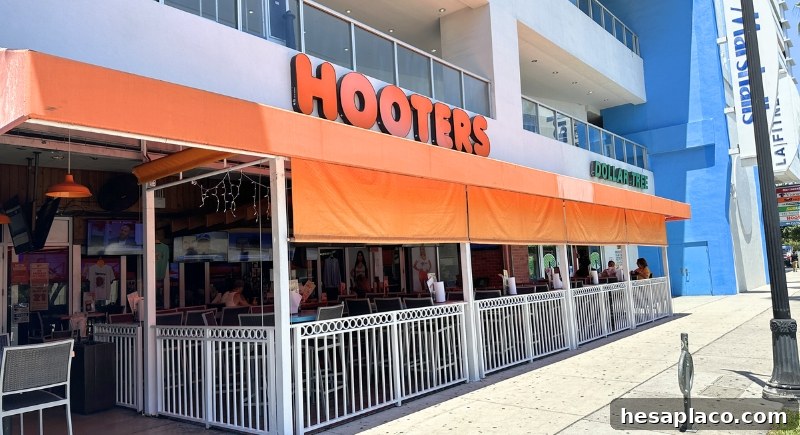
Hooters
Credit: Wikimedia Commons
Faced with years of declining performance and a shifting dining landscape, Hooters filed for Chapter 11 in 2025 to restructure its operations and finances. Investors including original founders stepped in to take control and refocus the business on core strengths. The restructuring aimed to restore the brand’s original concept, streamline operations, and improve profitability. Hooters’ case highlights how a targeted reset can help legacy casual-dining concepts adapt to changing market expectations.
These company stories share common themes: confronting excessive debt, cutting costs, refocusing on core strengths, and finding new ownership or partnerships that provide capital and operational expertise. Bankruptcy does not guarantee survival, but it can offer a structured opportunity to fix underlying problems. When combined with decisive leadership and a clear strategic plan, restructuring can transform financial distress into renewed competitiveness.