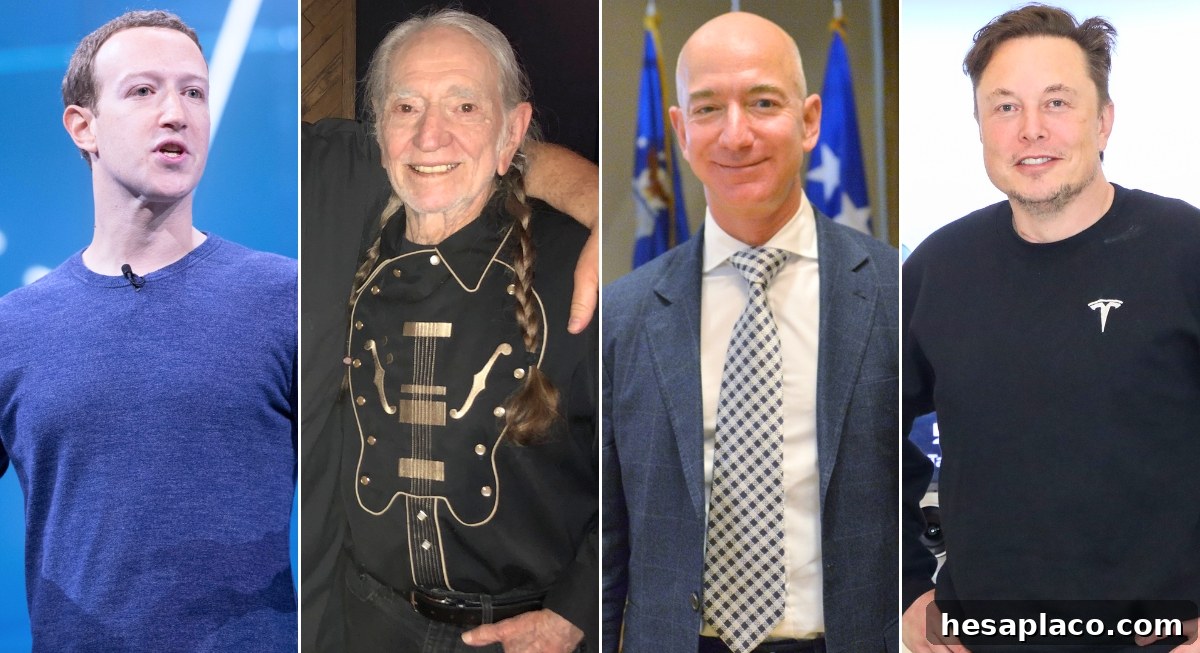
Billionaires often seem untouchable when it comes to wealth, but the stock market does not play favorites. In a single trading day, some of the world’s richest individuals saw billions wiped from their net worths as investors rushed to sell. Disappointing earnings reports, signs of slowing cloud growth, and more cautious artificial intelligence forecasts triggered a broad sell-off that erased value across major tech names. The episode underscores how quickly fortunes can shift when investor confidence falters.
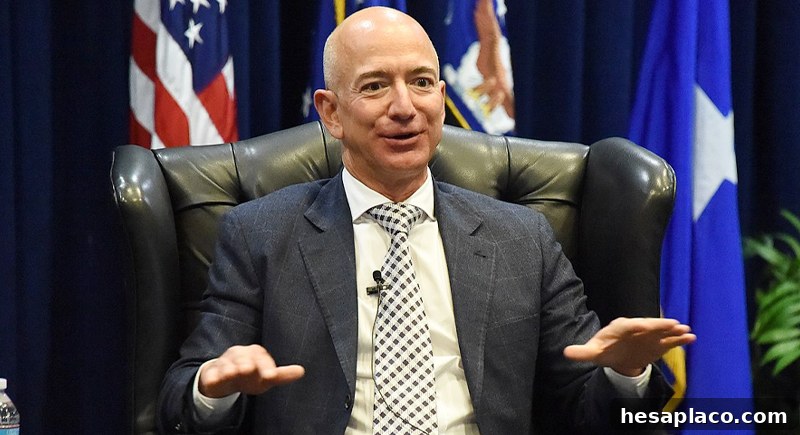
Jeff Bezos
Credit: Wikimedia Commons
Amazon’s stock fell nearly 9% after executives emphasized long-term investments in AI rather than near-term profitability. Investors, already cautious about lofty tech valuations, reacted strongly. As a result, Jeff Bezos saw his net worth decline by roughly $15.8 billion in that downturn.
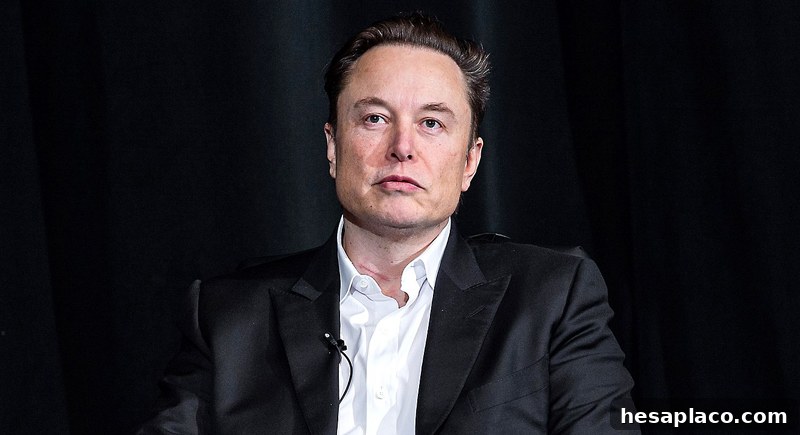
Elon Musk
Credit: Wikimedia Commons
Between July 31 and August 2, Elon Musk’s net worth dropped from about $252 billion to $235 billion. Tesla’s earnings missed expectations and broader signs of cooling AI enthusiasm contributed to the decline. It was the largest single wealth reduction among billionaires during the sell-off.
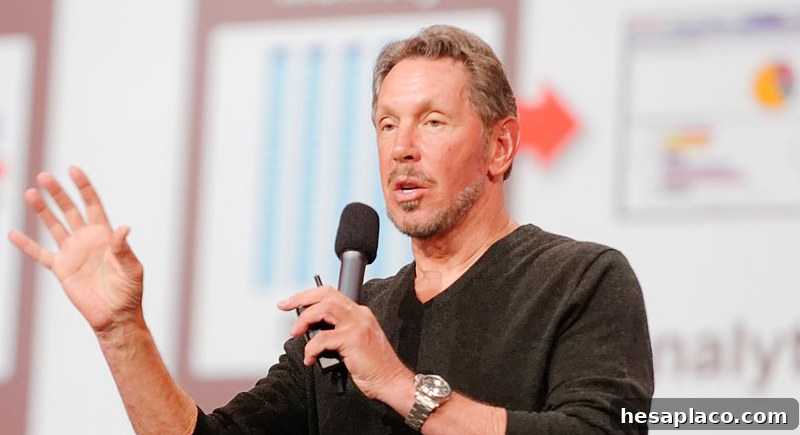
Larry Ellison
Credit: Wikimedia Commons
Oracle’s stock briefly spiked, giving Larry Ellison a temporary $3 billion gain, but the rally reversed and the shares continued to slide. Ellison ultimately saw about a $6 billion reduction in his net worth as investors worried about Oracle’s heavy spending on cloud infrastructure and AI initiatives.
Mark Zuckerberg
Credit: Wikimedia Commons
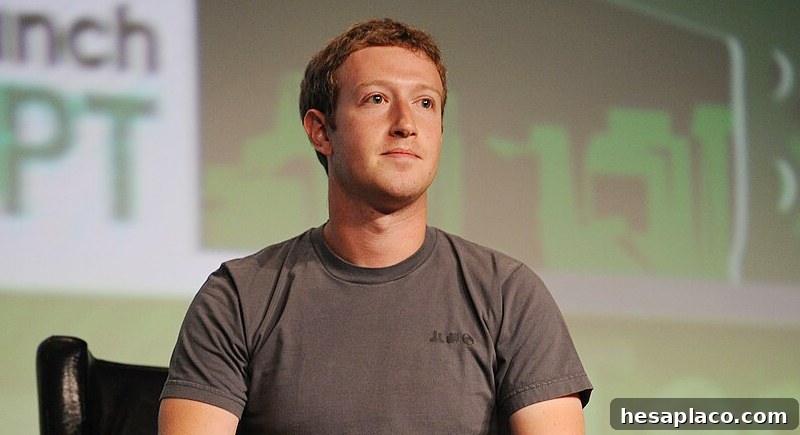
Mark Zuckerberg, founder of Meta, lost more than $3 billion amid a broader pullback in technology stocks. The decline reflected concerns about inflated AI-driven valuations and shifting investor expectations about when tech companies will deliver sustainable profits.
Sergey Brin

Credit: Wikimedia Commons
Alphabet’s ad revenue, particularly from YouTube, fell short of expectations. That shortfall rattled investors and pulled down the stock, costing Sergey Brin more than $3 billion in paper wealth. The episode highlighted that even strong, core advertising businesses may not be enough to offset concerns about slower overall growth for Alphabet.
Larry Page
Credit: Wikimedia Commons
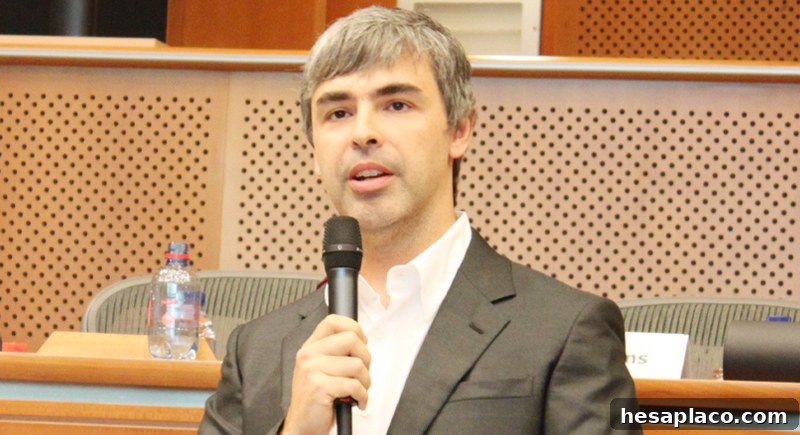
Like his fellow co-founder, Larry Page experienced parallel losses as Alphabet’s earnings missed forecasts. Weak advertising returns and slower-than-expected AI monetization, along with analyst warnings about broader revenue pressures, translated into another multibillion-dollar paper loss tied to his holdings.
Francis Ford Coppola
Credit: Wikimedia Commons
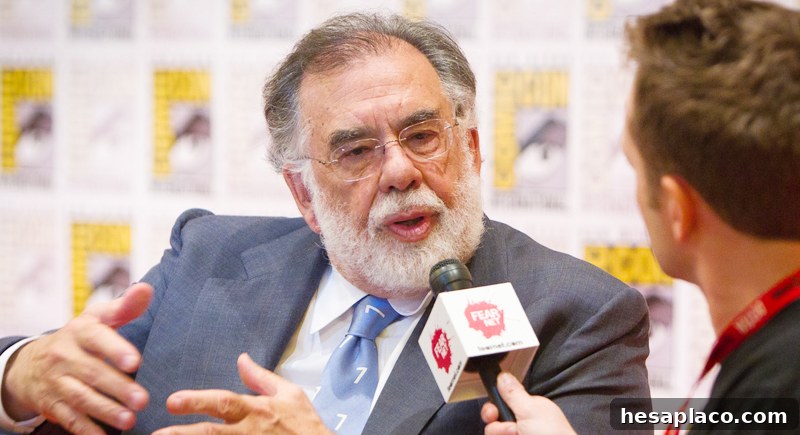
A costly misjudgment sank Francis Ford Coppola’s finances. He invested $27 million in the film One From the Heart expecting a hit, but the movie grossed only about $4 million. The flop helped drive him toward nearly $100 million in debt and ultimately forced a bankruptcy filing. Coppola later redirected his efforts into wine production and boutique hotels, rebuilding his business interests over time.
Willie Nelson
Credit: Wikimedia Commons
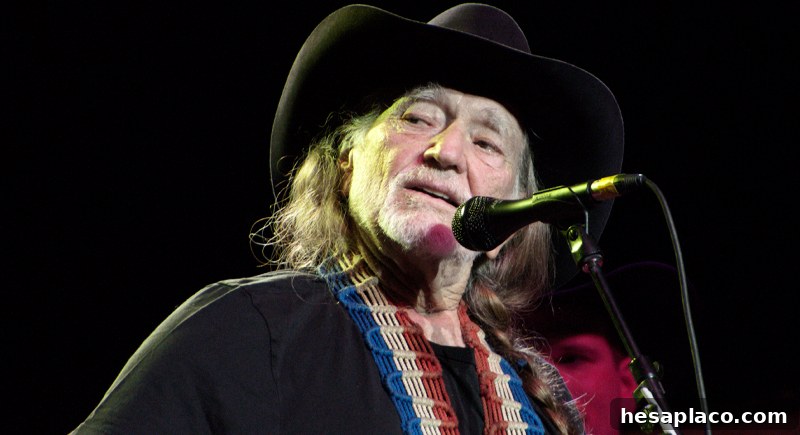
Willie Nelson fell behind on tax payments and faced a $16.7 million bill that prompted federal agents to seize many of his assets in 1990. He narrowly retained his guitar—sent to him in time by his daughter—and ultimately settled the debt by releasing an album titled The IRS Tapes, which helped raise funds to repay what he owed.
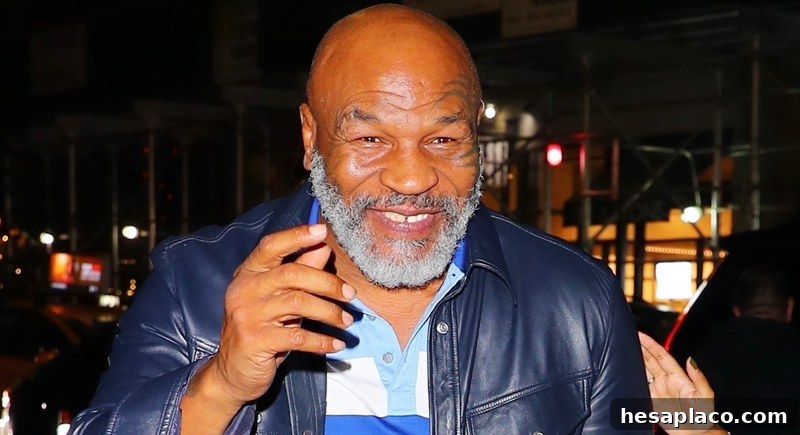
Mike Tyson
Credit: Wikimedia Commons
At the height of his earning power, Mike Tyson commanded paydays that would have bought small islands. Yet by 2003 he filed for bankruptcy, reporting roughly $23 million in debt. Lavish spending on homes, legal fees, a $9 million divorce settlement, and unpaid taxes contributed to his financial collapse. He later described himself as a “broke heavyweight” and worked to rebuild his finances.
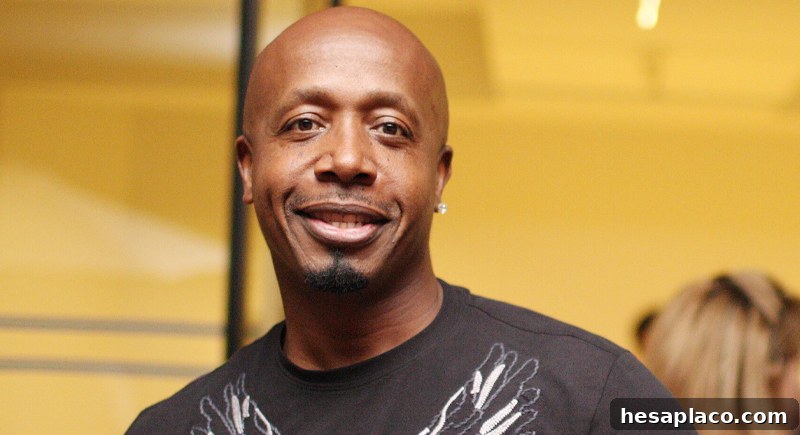
MC Hammer
Credit: Wikimedia Commons
MC Hammer rose to fame and wealth, but extravagant spending quickly eroded his fortune. He maintained a payroll of roughly 200 people, purchased thoroughbred horses, and sustained a monthly burn rate that outpaced his income. By 1996 he filed for bankruptcy and owed more than $10 million, a cautionary example of how rapid spending can outstrip even large earnings.