
A handful of Mercedes‑Benz models have become exceptionally rare—so scarce that even the most determined collectors have trouble finding them. Not all were intended to become icons; some started as small experimental runs, while others quietly entered private collections before their significance was widely recognized. Over the decades, these cars evolved into legends people discuss more than they actually see. Each entry below earned its status for distinct reasons, one chapter at a time.
Mercedes‑Benz 300 SLR W196S Uhlenhaut Coupe
Credit: Wikimedia Commons
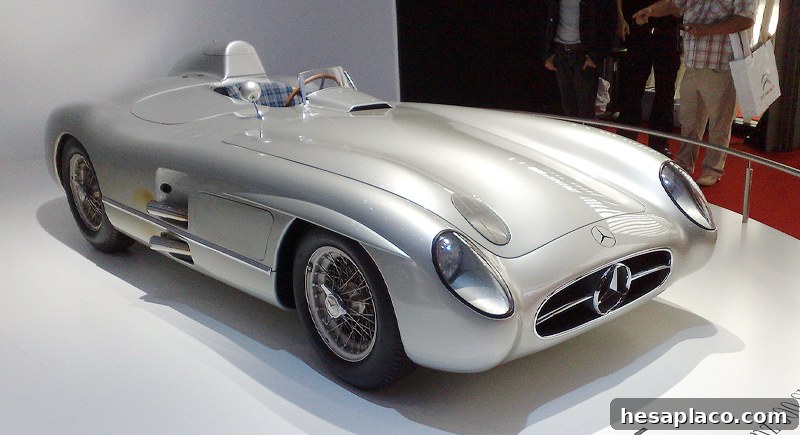
The Uhlenhaut Coupe was conceived with racing DNA but never raced. Only two were ever built, and one served as the personal car of engineer Rudolf Uhlenhaut. Its reported top speed near 180 mph was extraordinary for its era. When one example sold for $143 million in 2022, it effectively vanished from the open market, cementing its mystique and rarity.
Mercedes‑Benz AMG CLK GTR Strassenversion Super Sport
Credit: Wikimedia Commons
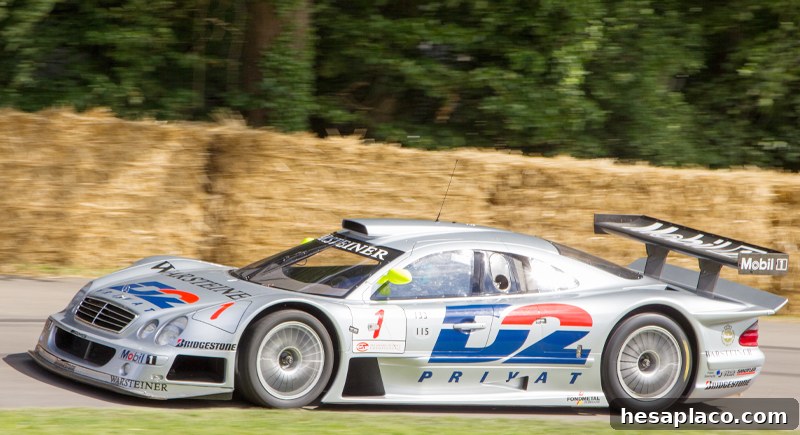
Designed to meet FIA GT Championship homologation rules, Mercedes developed road‑legal versions of its race car. Among those, the Super Sport edition stands apart: only two were produced with the factory 7.3‑liter V12 layout. Although later conversions and tuners have replicated similar power and performance, the original pair retains a distinct identity because they were built that way from day one.
Mercedes‑Maybach G 650 Landaulet
Credit: Wikimedia Commons
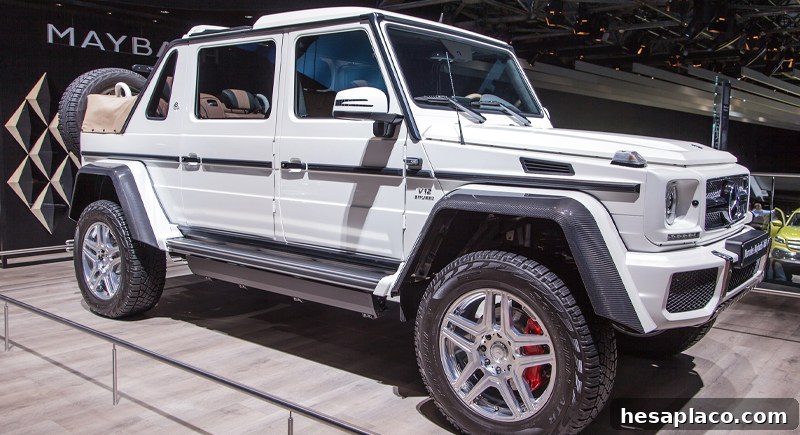
The G 650 Landaulet occupies an unusual niche between ultra‑luxury chauffeur transport and a high‑riding off‑roader. Mercedes built 99 examples in 2017, each featuring a partially open rear compartment and a V12 engine. The model was never sold in the U.S., and its short production run left little room for major variation, so surviving cars are typically similar in specification.
Mercedes‑Benz SLR McLaren Stirling Moss
Credit: Wikimedia Commons
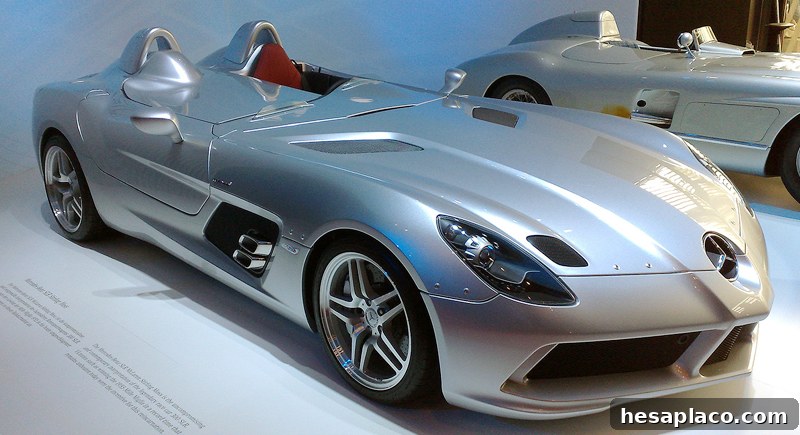
Paying homage to Mercedes’ postwar racing heroes, the Stirling Moss edition drew from classic speedsters. It famously omits a windshield and uses extensive carbon fiber, creating a raw, immersive driving experience very different from the standard SLR. Production was capped at 75 units in 2009, and many owners kept usage minimal; as a result, surviving examples are often exceptionally well preserved.
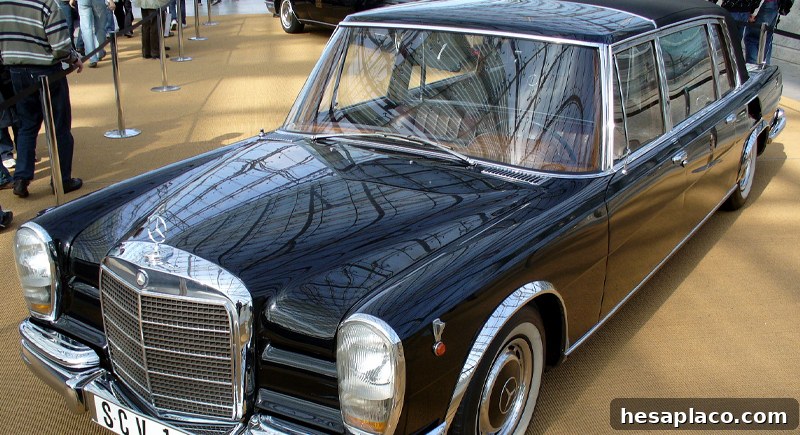
Mercedes‑Benz 600 Pullman Landaulet
Credit: Wikimedia Commons
The 600 Pullman Landaulet became synonymous with state ceremonies rather than daily driving. Its extended wheelbase and folding rear roof were purpose‑built for official appearances; only 33 were produced. Most remaining examples are preserved in governmental or institutional collections and are treated as historical artifacts rather than working cars.
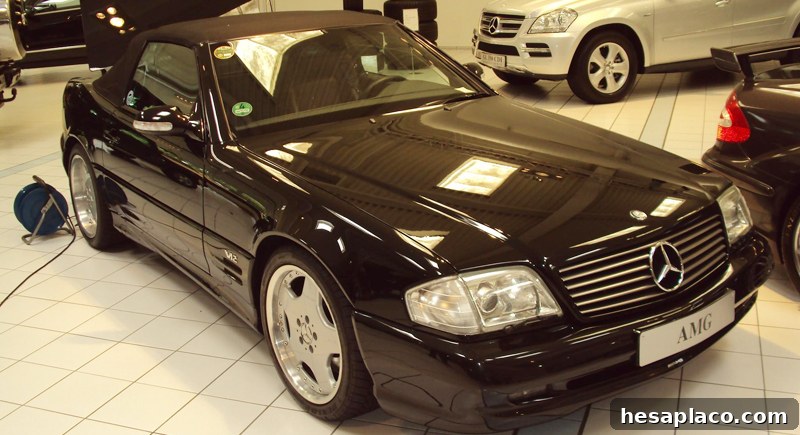
Mercedes‑Benz SL 73 AMG
Credit: Wikimedia Commons
The SL 73 started as an SL600 before AMG enlarged the V12 to create a higher‑displacement brute. That transformation produced performance that felt atypical for a luxury roadster of its era. The model’s limited production and low contemporary profile meant recognition came gradually, especially after enthusiasts connected its engine lineage to powerplants later used by manufacturers such as Pagani.
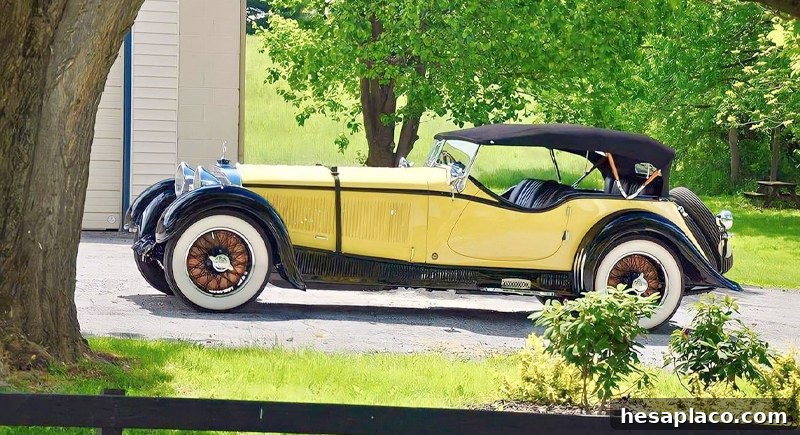
Mercedes‑Benz S‑Type 26/180 Sports Tourer
Credit: Facebook
Introduced in the late 1920s, the S‑Type was notable for its supercharger, which drivers could engage for short bursts of extra power. That feature helped the car perform admirably in contemporary competitions. Many surviving examples come with unusually thorough documentation, since early owners often entered events and kept detailed records—paperwork that now plays a key role in understanding provenance and value.
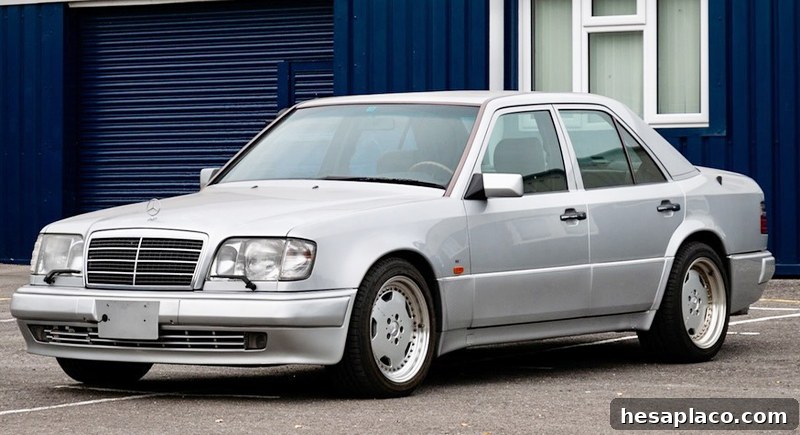
Mercedes‑Benz E60 AMG
Credit: Instagram
The E60 AMG emerged from a period when AMG operated with considerable independence, producing small runs for discerning clients. Converted from a 500E, it received a larger V8 and upgraded suspension, yielding a performance sedan that felt restrained compared with flashier 1990s rivals. Over time, collectors and enthusiasts came to appreciate the E60 as a disciplined, understated example of AMG’s craftsmanship.
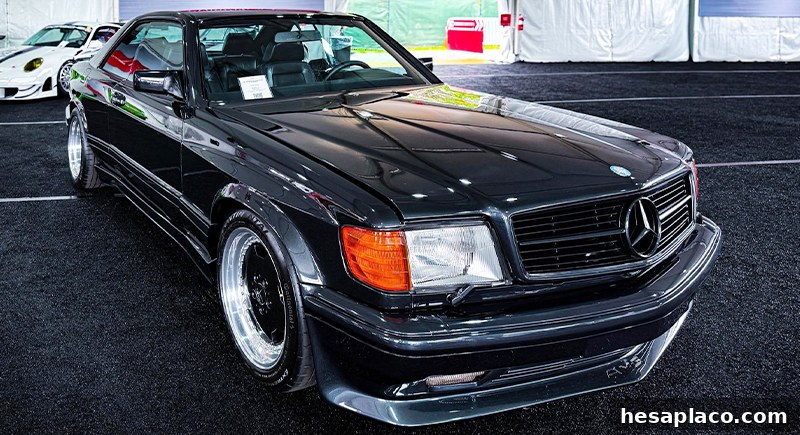
Mercedes‑Benz AMG 560 SEC 6.0 Wide Body
Credit: Instagram
The 560 SEC 6.0 exemplifies AMG’s bespoke customization before the brand was formally integrated into Mercedes‑Benz. Orders were highly individualized, so two cars built in the same year could differ significantly in trim and interior layout. The broad fenders became a signature visual cue, but the real appeal lies in the unique, client‑specific touches each car received.
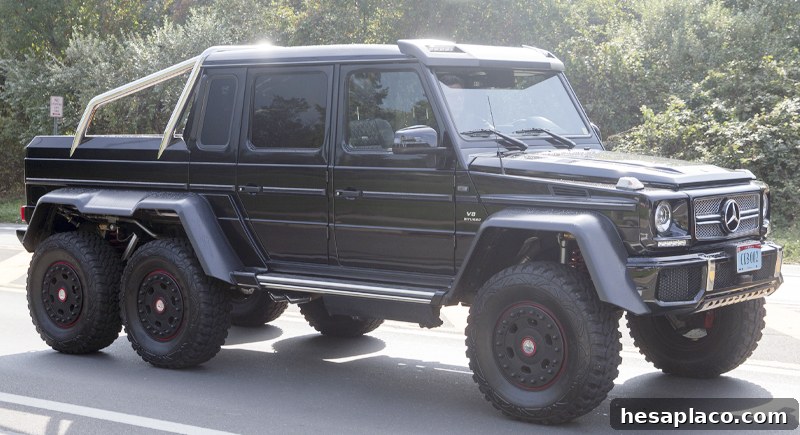
Mercedes‑Benz G63 AMG 6×6
Credit: Wikimedia Commons
The G63 AMG 6×6 is a showcase of engineering excess: six driven wheels, portal axles and a specialized chassis that made mass production impractical. Only a limited number were built, and most found homes in private collections where they were stored and preserved rather than used as everyday vehicles. Later, tuners and custom builders revived interest with dramatic aftermarket builds that brought the model back into public view.