
Poverty brings hidden costs that are not always obvious. When budgets are tight, people face fewer choices and have less flexibility, and ordinary needs often become more expensive. Over time these constraints compound, leaving low-income households paying more for essentials that others can obtain at lower cost.
Interest and Fees Accumulate Rapidly
Credit: iStockphoto
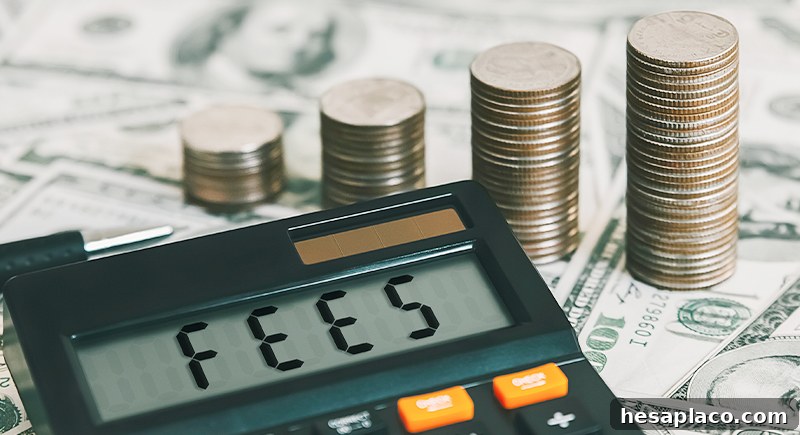
Households without savings often turn to financial products intended for people with limited access to credit. Payday lenders and other high-cost small-loan providers advertise quick relief, but the effective annual rates on these products are frequently well beyond what most borrowers can afford. A short-term cash fix can become months or even years of expensive repayments, with interest and fees compounding the initial shortfall.
Necessities Rise Faster Than Incomes

Credit: iStockphoto
Food, rent, utilities and other staples often outpace wage growth. Families already stretched thin respond by rearranging limited dollars—cutting nonessentials first, then compromising on items that affect health and stability. Over time, this pattern erodes quality of life and increases vulnerability to unexpected shocks.
Delaying Health Care Leads to Larger Bills

Credit: Getty Images
Putting off routine medical visits is a common response to both time constraints and limited funds. Without preventive care, minor health issues can escalate into emergencies that require much more costly treatment. Uninsured or underinsured people often defer care until a condition becomes severe, resulting in larger bills and longer recovery times than if they had received timely treatment.
Housing Costs Hit the Most Vulnerable Hardest
Credit: iStockphoto
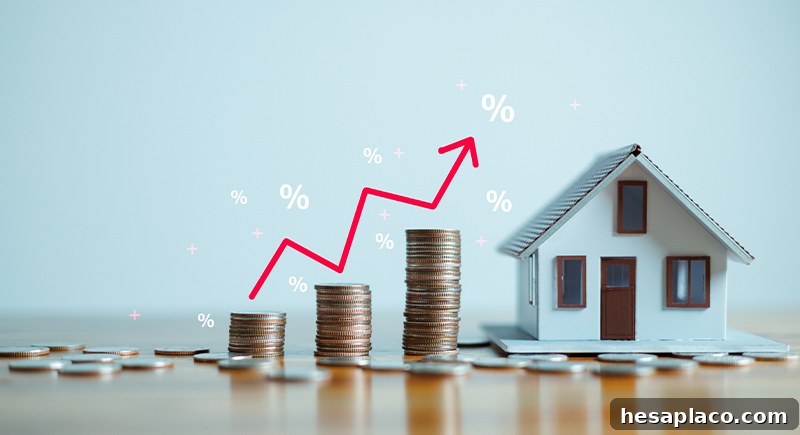
Securing stable, affordable housing is increasingly difficult when income is limited. In some markets, rents can be higher per square foot than mortgage payments for nearby owned properties, and sudden rent hikes force families to move frequently. Each relocation carries immediate outlays—security deposits, utility setup fees, repair costs and lost time—that erode savings and disrupt income generation.
The Time Cost of Everyday Life

Credit: iStockphoto
People with limited resources often pay a steep time tax. Commuting via multiple transit legs, waiting for in-person services, or hunting for basic goods in neighborhoods with few options can consume hours each week. That lost time reduces opportunities for additional work, education, or rest—resources that could help improve long-term financial stability.
Cheap Products Often Cost More Over Time

Credit: iStockphoto
Immediate affordability drives many purchasing decisions. Lower-priced goods can seem like the only option, but they often wear out quickly and require repeated replacement. This dynamic—sometimes called the “Boots Theory”—explains why buying cheaper items repeatedly ends up costing more over the long run than purchasing a single, more durable product.
Location Can Add Hidden Costs

Credit: Getty Images
Living in certain neighborhoods can increase daily expenses in subtle ways. Areas with few full-service banks push residents toward check-cashing services, payday lenders and other costly alternatives. Limited transit options, fewer grocery choices and longer distances to jobs and services all add time and money costs. Low rent in these areas can mask these ongoing disadvantages.
Credit Scores Limit Access to Better Terms

Credit: iStockphoto
Past financial setbacks and irregular income can depress credit scores for years. Lenders and landlords use credit ratings to set terms, and a lower score often translates into higher interest rates, larger security deposits or less favorable loan conditions. Those steeper costs reduce the ability to save, invest or plan for emergencies.
Benefits Cliffs Can Discourage Earnings Growth

Credit: Getty Images
Programs designed to support low-income households can sometimes create sharp cutoffs where a modest increase in income causes disproportionate loss of benefits such as healthcare or childcare assistance. Known as “benefits cliffs,” these discontinuities can make raises or extra hours feel risky because the net financial improvement may be minimal or even negative after benefits are removed.
Stress and Cognitive Load Have Economic Consequences

Credit: Canva
Living with scarcity consumes mental bandwidth. Constant worry and juggling of limited resources make it harder to plan, remember deadlines or search for better opportunities. That cognitive load contributes to missed payments, rushed decisions and avoidable fees, which in turn deepen financial strain. The emotional toll of this cycle is real and has measurable economic effects.
These layers of hidden expenses show why poverty is not just a lack of income; it’s a condition that raises the cost of living for those who can least afford it. Addressing these barriers requires more than temporary relief—policies and services that increase access to fair credit, preventive healthcare, stable housing and time-saving infrastructure can help reduce the extra costs that trap people in cycles of financial insecurity.