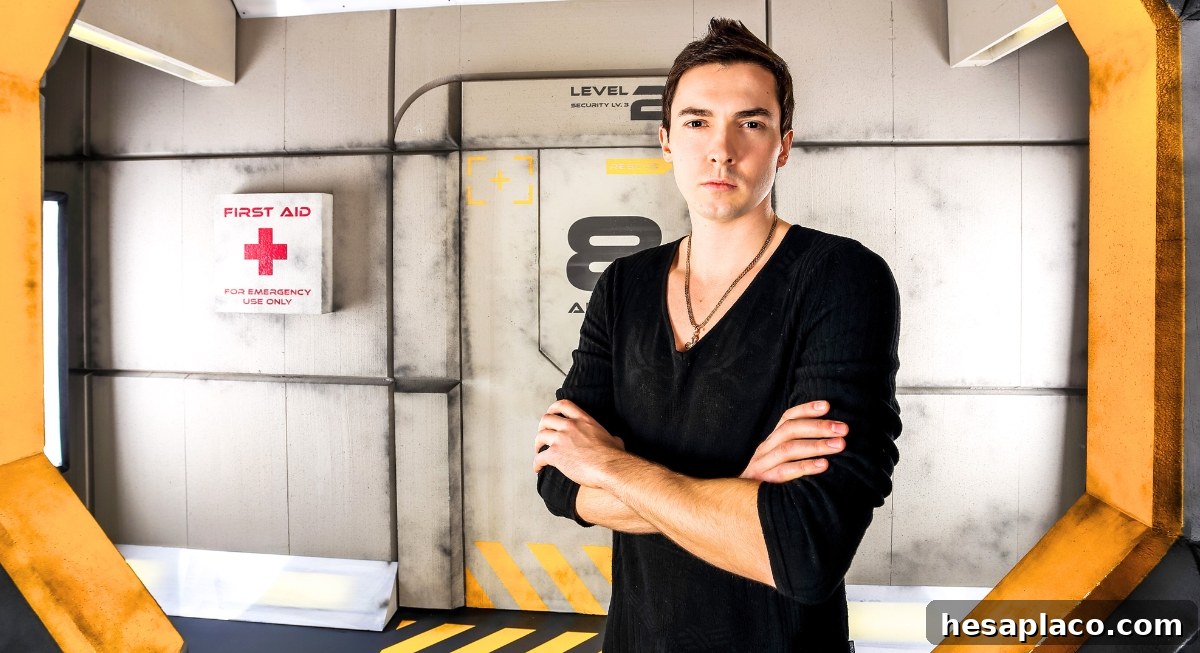
Some of the world’s wealthiest individuals are treating global instability as an imminent concern rather than a distant possibility. They are spending significant sums on contingency plans shaped by climate risks, geopolitical tensions, and worries that public systems could fail in a major crisis.
This overview describes what that level of preparation looks like in practice: private medical facilities, independent power systems, fortified hideouts and other measures designed to keep daily life functioning when wider systems are strained or collapse.
Luxury Bunkers
Credit: Yelp
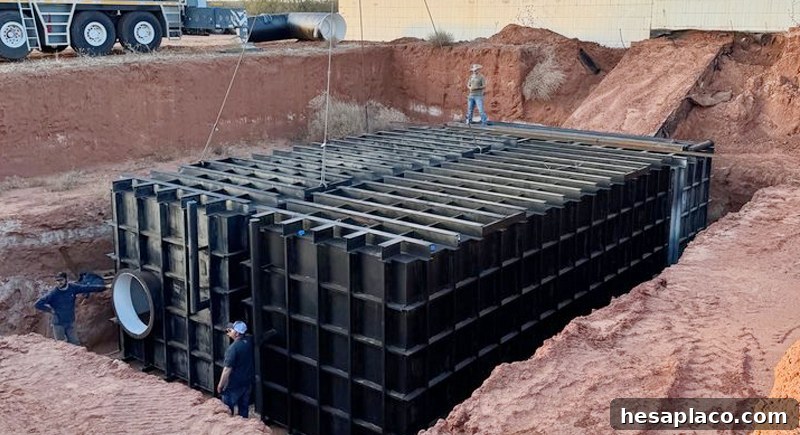
Across the United States and overseas, expansive underground bunkers have become a common investment for billionaires preparing for long-term disruptions. Firms such as Atlas Survival Shelters build sealed environments with dedicated air systems and reinforced steel rooms meant to shelter families for extended periods. Some facilities are so large they include amenities like gyms, indoor shooting ranges, and dedicated living zones for multiyear occupancy.
Hidden Escape Routes
Credit: Instagram
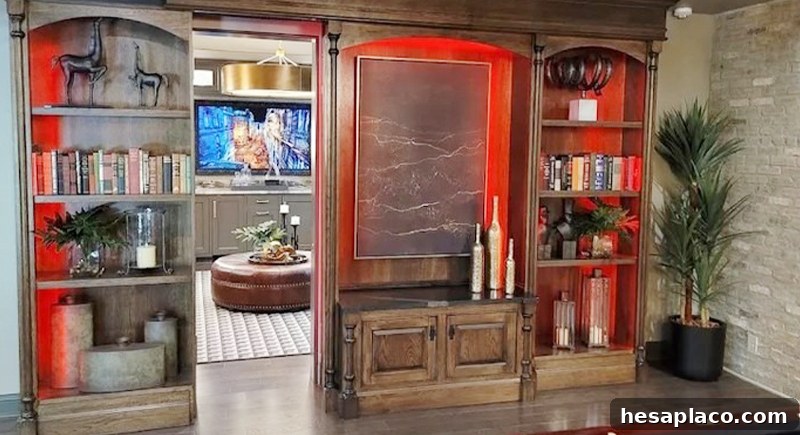
High-end survival homes often conceal critical features behind seemingly ordinary elements. Designers in Arizona create fireplaces that swing open or phone booths that lower into protected chambers. Some architects have even turned art galleries into sealed refuges with independent air supplies so the safe room integrates seamlessly into daily life.
Medical Suites Within Residences
Credit: iStockphoto
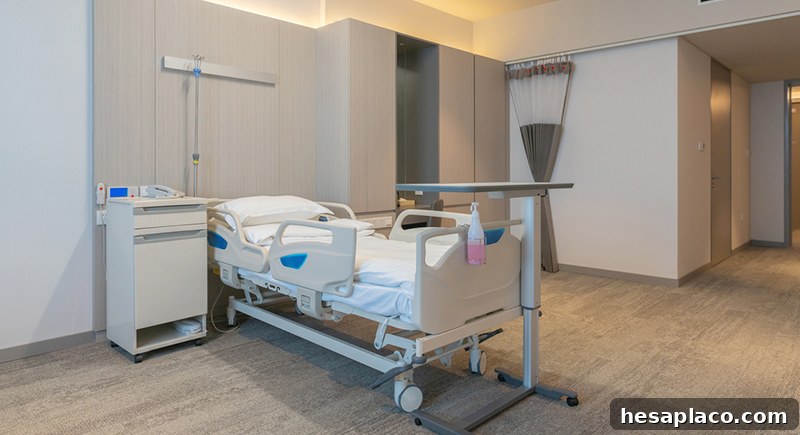
In the wake of COVID-19, many affluent homeowners have added medical suites to their properties. Companies like SAFE install rooms that resemble operating theaters alongside personalized pharmacies stocked with emergency medications. Staff train residents to administer care if external medical services are delayed or unreachable, emphasizing self-sufficiency during critical periods.
Full Entertainment Zones

Credit: Canva
For many wealthy preppers, comfort and morale matter as much as basic survival. Underground installations frequently include bowling alleys, private theaters, simulators and other leisure features so inhabitants can maintain a sense of normalcy. Some properties even incorporate water features or moats adapted for recreation, reflecting a desire to preserve quality of life during prolonged sheltering.
Independent Power Systems
Credit: Getty Images
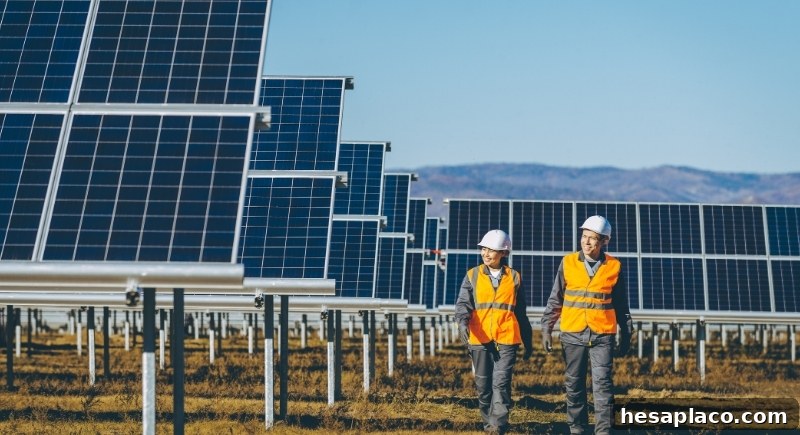
Reliable electricity is a cornerstone of these preparations. Billionaire bunkers commonly include large solar arrays, industrial-grade generators, on-site fuel caches and battery banks engineered to sustain power for extended stretches. These systems are designed to keep critical systems—lights, climate control, medical equipment and communications—running when regional grids fail due to storms, wildfires or cyberattacks.
Water Filtration and Storage
Credit: Getty Images
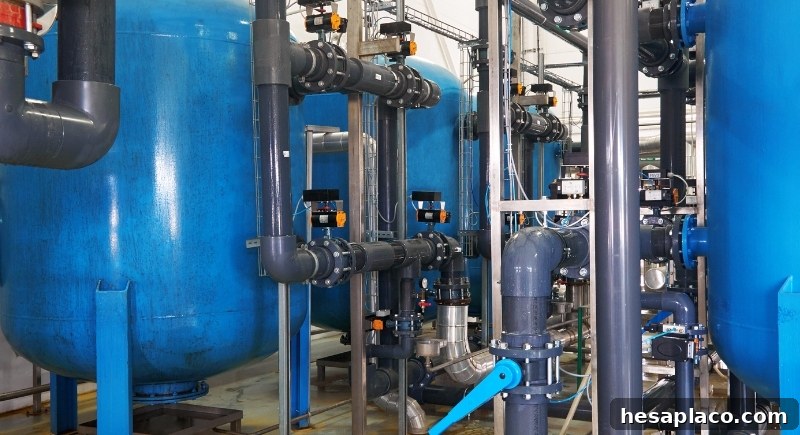
Access to safe water is a primary concern during emergencies. High-end survival properties install advanced filtration systems capable of removing contaminants and storing thousands of gallons for drinking, cooking and decontamination. These systems are typically designed to operate with minimal maintenance for long periods, using redundant treatment stages and large-capacity storage tanks.
Remote Global Retreats
Credit: iStockphoto
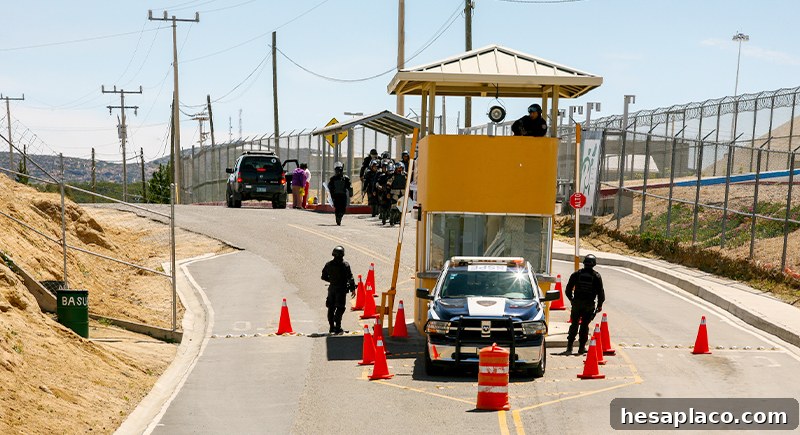
Some wealthy individuals opt for entire relocations rather than fortified homes. They acquire remote compounds in perceived safe regions, choosing locations with stable infrastructure and low population density. Others favor expansive wilderness estates in countries or regions where access is limited by geography and multiple security layers, providing distance from potential hotspots.
Long-Term Food Storage
Credit: Canva
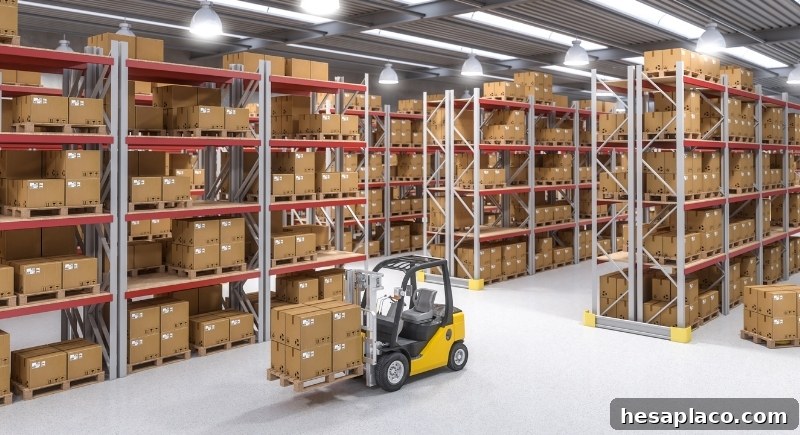
Decades-long food supplies are a common feature in elite bunkers. Shelves often hold nutrient-dense rations stacked from floor to ceiling, paired with hydroponic or indoor growing systems that allow occupants to cultivate fresh greens without leaving the compound. These combined strategies aim to reduce dependence on outside food chains for extended periods.
High-Security Panic Rooms

Credit: iStockphoto
In urban environments, fortified panic rooms remain a popular option. These sealed spaces are engineered to withstand forced entry, impact and ballistic threats for hours. In cities like New York and Los Angeles, homeowners often convert master suites into secure retreats with biometric access and communication links, preferring a defensive safe space to immediate confrontation while waiting for help to arrive.
Skills Training and Essential Gear
Credit: Canva
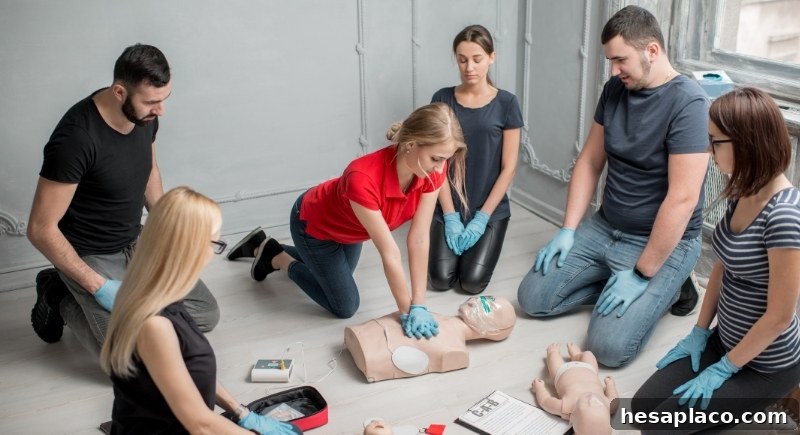
Even with extensive equipment, wealthy preppers invest in practical training. Lessons in first aid, navigation, emergency response and equipment maintenance are considered essential because sophisticated systems are only useful if occupants know how to operate them effectively. Preparedness training improves resilience and speeds recovery after disasters, which is why elite clients view these skills as a vital complement to physical infrastructure.