
Teacher salaries vary greatly across the United States, reflecting how each state prioritizes and funds public education. While some states have increased pay to retain experienced educators and address staffing shortages, others struggle to keep up with rising living costs and turnover. These differences stem from a mix of tax structures, collective bargaining power, state policy choices, and local economic conditions rather than school budgets alone. For teachers, salary disparities influence where they choose to work, how secure their careers feel, and what professional advancement looks like. Examining states with the highest average pay highlights regions that invest significantly in their public schools.
California

Credit: Getty Images
California’s large district budgets and sustained enrollment pressure have pushed teacher pay to among the highest in the nation. With an average salary above $101,000, districts must offer competitive compensation to offset the state’s high housing costs and persistent staffing needs. Local funding capacity in many districts and ongoing negotiations with teacher unions contribute to these elevated wages, helping to keep experienced educators in classrooms across both urban and suburban communities.
New York

Credit: Getty Images
New York teachers earn an average salary of roughly $95,615, according to recent reports. The state often ranks near the top of national wage indexes, driven in part by strong collective bargaining rights and local contract negotiations. Research shows states with active bargaining agreements tend to pay teachers significantly more, and New York’s longstanding union influence has helped secure structured raises, benefits, and workplace protections that support higher overall compensation.
Massachusetts

Credit: pexels
Massachusetts consistently prioritizes education funding, and that commitment shows in teacher pay. The state’s average salary approaches $92,000, with many districts offering additional compensation for advanced degrees and professional credentials. Investments in teacher preparation and classroom quality, along with regional cost-of-living considerations, help justify these higher wages and support efforts to recruit and retain skilled educators.
Washington
Credit: pexels
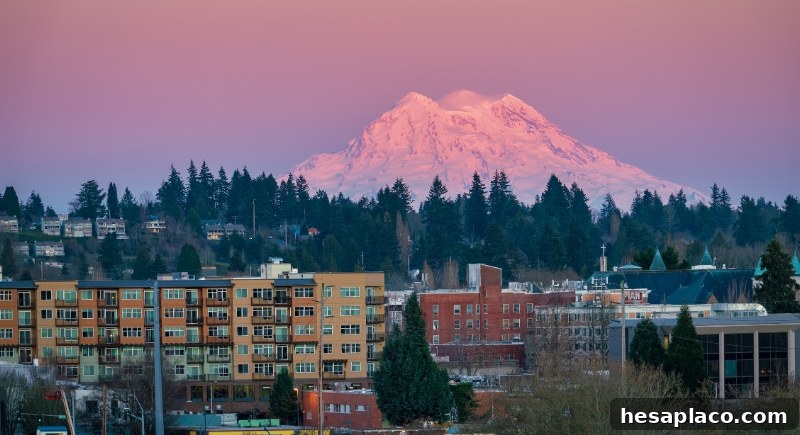
Washington state saw a notable increase in teacher pay following a court decision that restructured school funding. Average salaries are around $91,700, and many districts that once lagged behind can now match neighboring areas’ compensation. As districts adjust budgets and collective bargaining continues to shape contracts, pay increases have been used to attract new hires and reduce turnover, particularly in high-demand subjects and regions.
District of Columbia

Credit: Getty Images
Washington, D.C., reports an average teacher salary near $86,663, reflecting structured annual raises and performance-based bonuses that aim to reduce turnover and offset high local living costs. The district’s compensation packages are designed to remain competitive with neighboring jurisdictions, and targeted incentives help recruit educators for hard-to-staff schools and specialized roles.
Connecticut

Credit: Getty Images
Connecticut’s teaching workforce is among the most credentialed in the country, and average salaries sit around $86,500. Many districts explicitly tie pay increases to graduate degrees and years of service, creating predictable step systems that reward experience and continued education. Stable funding practices across districts help maintain compensation levels even when statewide budgets face pressure.
Maryland

Credit: Getty Images
Counties close to Washington, D.C., faced recruitment pressures that prompted many Maryland districts to raise teacher pay. The statewide average is just above $84,000, supported by reforms and targeted investments intended to make teaching financially viable and attract new entrants to the profession. Competitive salaries in suburban counties also help stabilize staffing levels across the state.
New Jersey

Credit: Getty Images
New Jersey’s robust union presence and strong property tax base support competitive teacher salaries, with averages near $83,000. Most contracts include clear step increases and benefit packages, and suburban districts often pay more than urban ones. Statewide policies and local funding help maintain a relatively high baseline for teacher compensation.
Rhode Island

Credit: Canva
Rhode Island’s average teacher salary is about $80,000, and regional wage pressures from neighboring states influence local negotiations. Most districts operate under union contracts, and because the state is geographically small, differences between districts are typically less pronounced than in larger states. As a result, teacher pay has remained relatively stable across the state for years.
Alaska
Credit: Canva
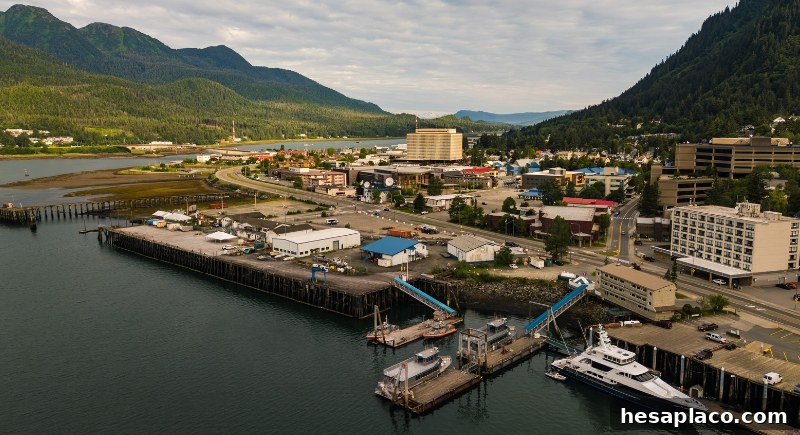
Alaska’s remote geography and higher living costs push many districts to offer larger compensation packages than might be expected for its size. Average teacher pay exceeds $78,000, with some rural districts adding incentives such as housing assistance or relocation stipends to fill vacancies. Urban districts like Anchorage tend to follow more traditional salary schedules but still reflect the higher cost of living in the state.
Across these states, factors such as collective bargaining, local tax revenue, cost of living, and statewide education policies explain why average teacher pay can differ so much. Where pay is higher, evidence suggests districts are better positioned to recruit and retain experienced educators, but challenges remain everywhere in ensuring equitable compensation that reflects the demands of the profession.