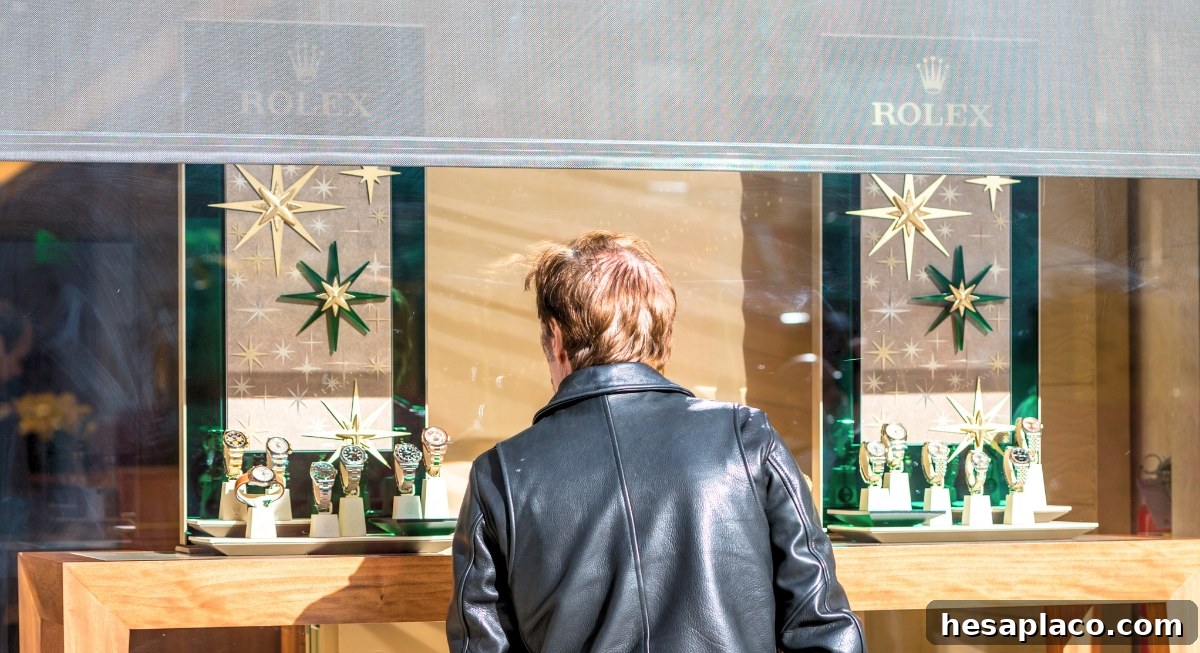
Baby Boomers tend to stick with brands they trust. Federal Reserve data shows this generation controls over 33.7% of America’s wealth, and they often invest it in companies known for quality and consistency. Marigold’s 2024 Consumer Trends Index finds that Boomers prioritize reputation and dependability above low prices, preferring products that last and retain value.
Brooks Brothers
Credit: Wikimedia Commons
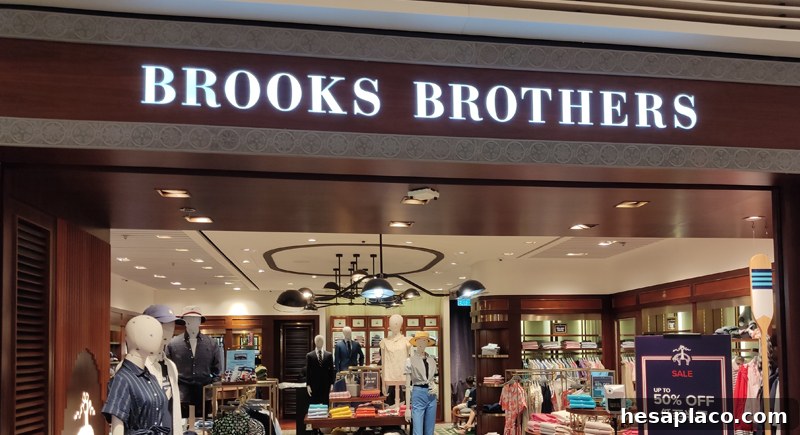
Founded in 1818, Brooks Brothers endures because its clothing remains appropriate across decades. Classic blazers and tailored pieces don’t demand constant redesigns to stay relevant, which appeals to Boomers who value understated elegance. The brand’s restraint with logos and focus on craftsmanship supports a polished, long-lasting aesthetic.
L.L.Bean
Credit: Wikimedia Commons
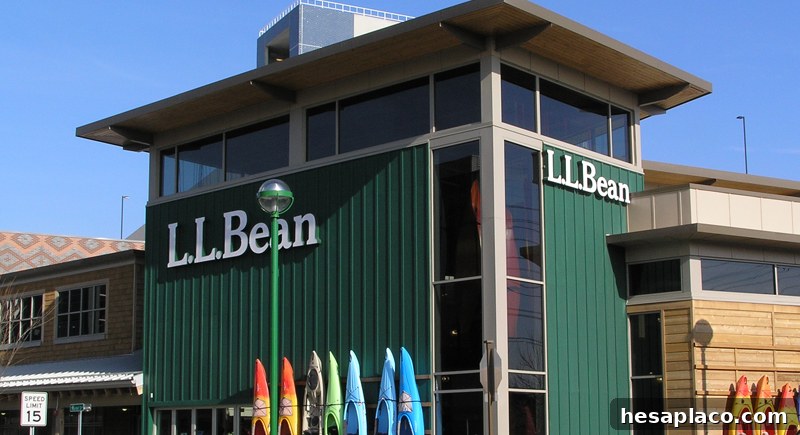
L.L.Bean’s reputation is built on durability. Boots, flannels and canvas totes that last for years give buyers confidence that their money was well spent. Boomers return because the products are reliable and because the company’s longstanding customer service and clear return policies foster trust and straightforward support.
Tiffany & Co.
Credit: Wikimedia Commons
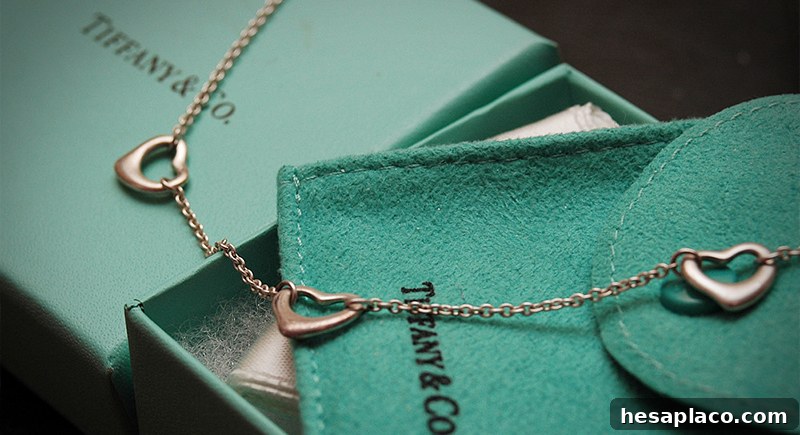
Tiffany’s simple, structured designs remain stylish across generations. A ring from the 1960s can look just as elegant today, and the iconic blue box has signified quality and occasion since 1837. Older buyers favor pieces designed to last and to retain emotional and aesthetic value over time.
Burberry
Credit: Wikimedia Commons
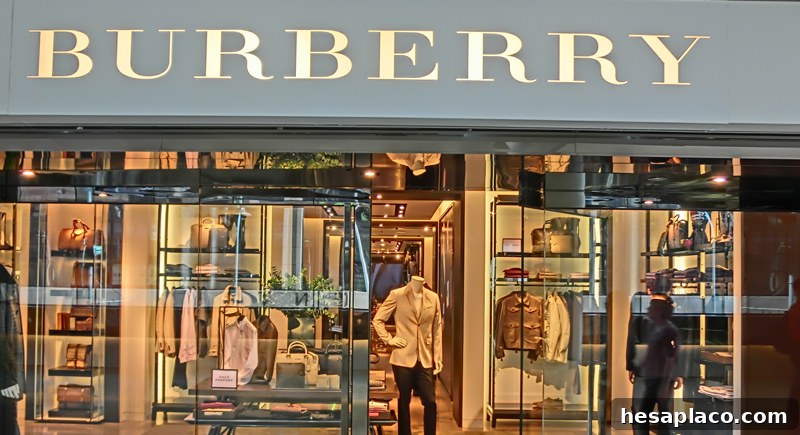
Burberry’s trench coat, with a history spanning more than a century, exemplifies the kind of heritage Boomers value. The use of high-quality gabardine and meticulous tailoring creates outerwear that endures physically and stylistically, making it a reliable wardrobe staple for decades.
Waterford Crystal
Credit: Wikimedia Commons
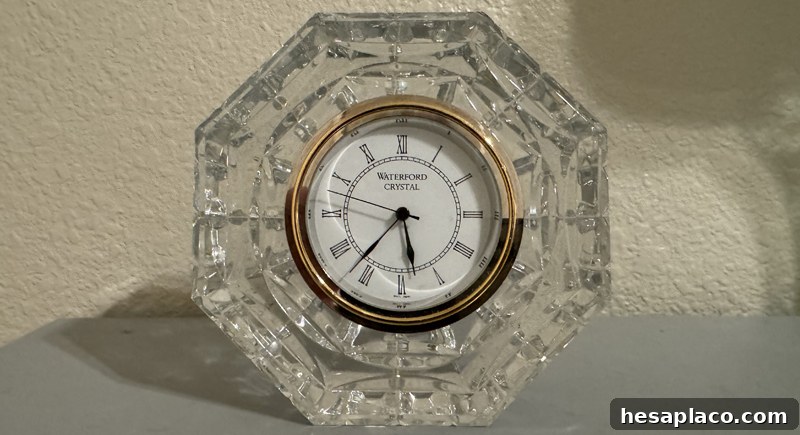
Hand-cut crystal from Waterford often appears in older homes, prized for how it catches light compared with cheaper glassware. Founded in the late 1700s, the brand carries historical and emotional resonance. For Boomers, Waterford represents craftsmanship appropriate for celebrations and heirloom pieces worth preserving.
Rolex
Credit: Wikimedia Commons
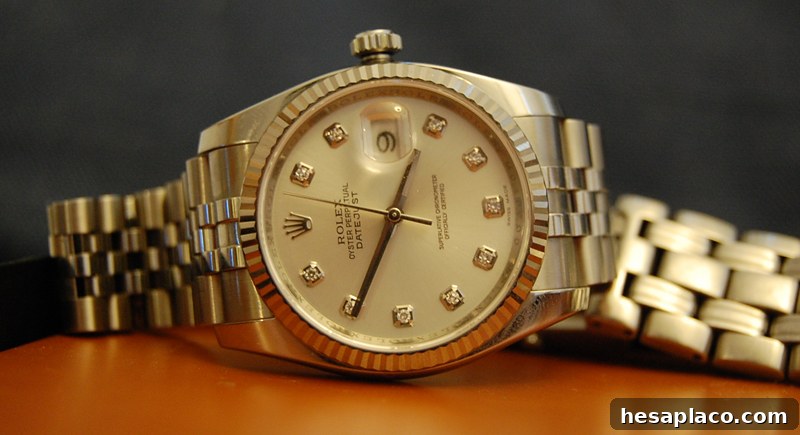
Rolex appeals because its watches can be serviced and passed down. Many models hold or even gain value, supported by steady demand and a reputation for precise mechanical movements. Unlike tech-driven wearables that quickly become obsolete, a well-maintained Rolex can function for decades and serve as a tangible heirloom.
Wedgwood
Credit: Wikimedia Commons
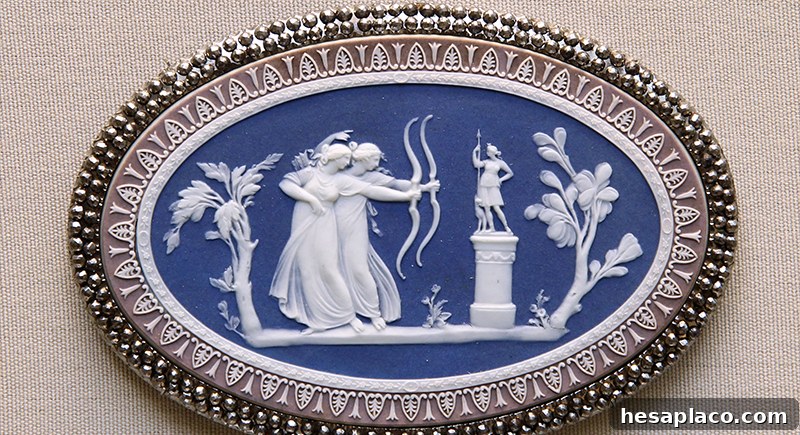
Fine china like Wedgwood may seem old-fashioned to younger shoppers, but Boomers grew up with it as part of family traditions. Founded in 1759, Wedgwood produces patterns that remain in production for generations, and its bone china is formulated to last when cared for properly, making it a lasting choice for special occasions.
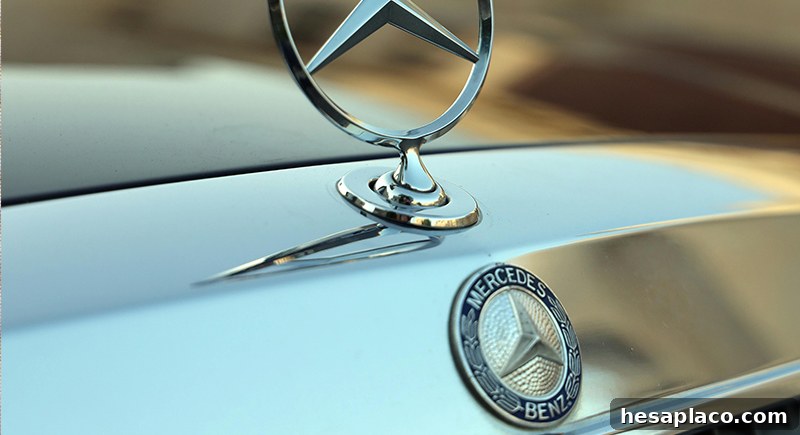
Mercedes-Benz
Credit: pexles
Automotive heritage keeps Mercedes-Benz high on Boomers’ lists. Well-maintained models from the 1980s are still in daily use because the engineering, safety features and interiors hold up over time. Established names in the auto industry earn strong loyalty from older buyers who favor reliability and longevity.
Costco
Credit: Wikimedia Commons
Costco ranks among the top retailers for Boomer spending and continues to expand services that meet older shoppers’ needs, from hearing aids and vision services to medical alert devices. Offering free hearing tests and thorough product information signals that Costco listens to this demographic, strengthening trust and loyalty.
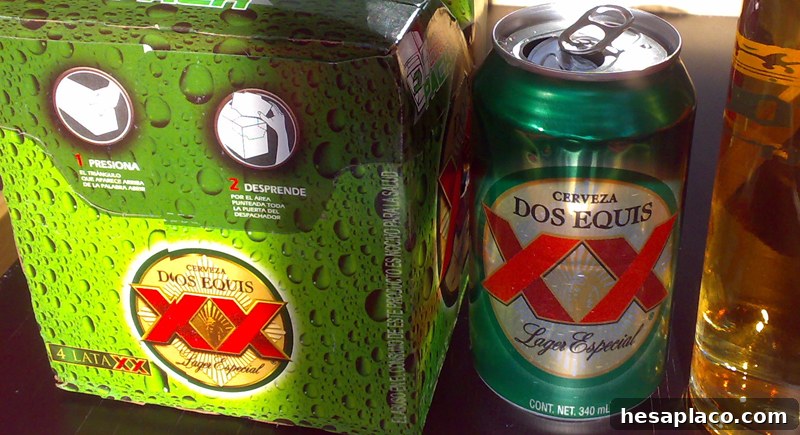
Dos Equis
Credit: Wikimedia Commons
Dos Equis may surprise some, but its “Most Interesting Man in the World” campaign, launched in 2006, resonated strongly with Boomers. Featuring an older, charismatic lead who embraced life boldly, the campaign reframed aging as experience and confidence rather than decline. Its humor and memorable imagery boosted sales and cultural visibility among older consumers.
Overall, Boomers gravitate toward brands with proven quality, enduring design and dependable customer service. For this generation, reputation and longevity matter more than trends—products that last, can be repaired or passed down, and carry emotional meaning are the ones they continue to choose.