
Generational friction in modern workplaces often stems from different definitions of professionalism. Longtime employees tend to value tradition, discipline, and established routines, while younger workers question rigid customs and prioritize flexibility and outcomes. This tension shapes daily office culture and how teams interact, collaborate, and measure success.
Casual Face Time Is No Longer Mandatory

Credit: pexels
Being seen in the office used to be equated with productivity, but that belief is fading. Research shows that employees who manage their schedules often produce better results. Younger workers, particularly Gen Z, recognize that presence isn’t the same as performance and that meaningful work can happen anywhere, not just near a manager’s office window.
Suits, Skirts, and Dress Codes Are Evolving

Credit: Getty Images
For many younger professionals, respect isn’t tied to a suit and tie. As hybrid work became common, even traditionally formal industries eased strict dress codes. Gen Z tends to choose practical, polished clothing that suits their tasks. Clients and colleagues care more about results than rigid sartorial standards.
“Paying Your Dues” Versus Skill Building

Credit: pexels
Older career systems often rewarded longevity and endurance more than growth. Younger employees frequently move between roles when learning stalls; they view measurable skill development as the path to advancement. Ambition remains strong, but the expectation is that effort should lead to clear, tangible progress.
The “Open-Door” Ideal and Focus
Credit: Getty Images
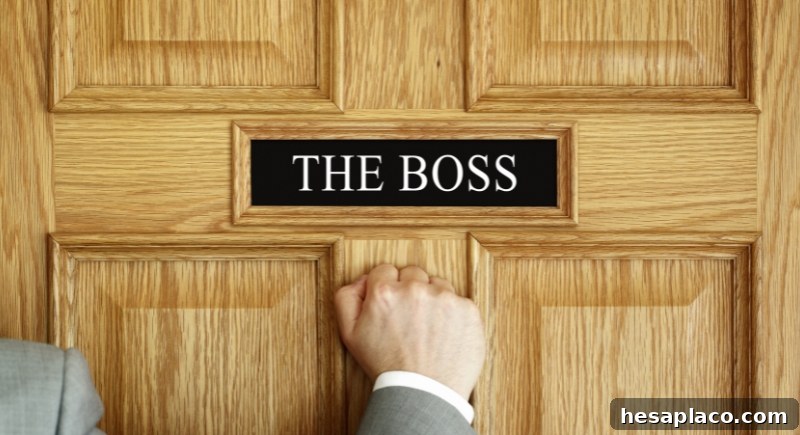
While an open-door policy seems friendly, it can undermine focused work. Studies indicate interruptions make it hard to return to deep concentration. As a result, many teams now set specific times for questions and feedback. Younger workers view clear boundaries as respectful, protecting both focus and productivity.
Working Late Doesn’t Equal Commitment

Credit: Getty Images
Long hours have lost their symbolic value. Data shows most people do their best work earlier in the day, and many younger professionals plan tasks around energy levels instead of stretching themselves thin. The emphasis has shifted from who stays late to who consistently delivers high-quality work without burning out.
Redefining Loyalty

Credit: Getty Images
Long tenure once signaled loyalty and stability. Today, staying with one company without reciprocal development can feel like stagnation. Gen Z values commitment where effort is met with fairness, growth opportunities, and respect. They see true stability as mutual benefit rather than mere longevity on the payroll.
Remote Tools Rival Face-to-Face Meetings

Credit: Getty Images
Platforms like Slack, Zoom, and Notion let teams collaborate effectively across distances. Younger employees often find that virtual collaboration can be faster and more inclusive than traditional in-person meetings. If a team can brainstorm and deliver online, insisting on face-to-face interactions feels unnecessary.
Hierarchy Versus Merit

Credit: Getty Images
Strict hierarchies can block good ideas. Research suggests flatter teams decide faster and maintain higher morale. Younger professionals prefer environments where creativity and skill influence decisions, sometimes challenging older norms that prioritize rank over contribution.
Lunch at the Desk Is Less Stigmatized

Credit: Canva
Eating at the desk used to be frowned upon, but many younger workers treat it as efficient multitasking rather than disrespect. They view time as flexible and prioritize results over rituals. When productivity remains high, managers are increasingly relaxed about where and how breaks happen.
Continuous Feedback Over Annual Reviews
Credit: Getty Images
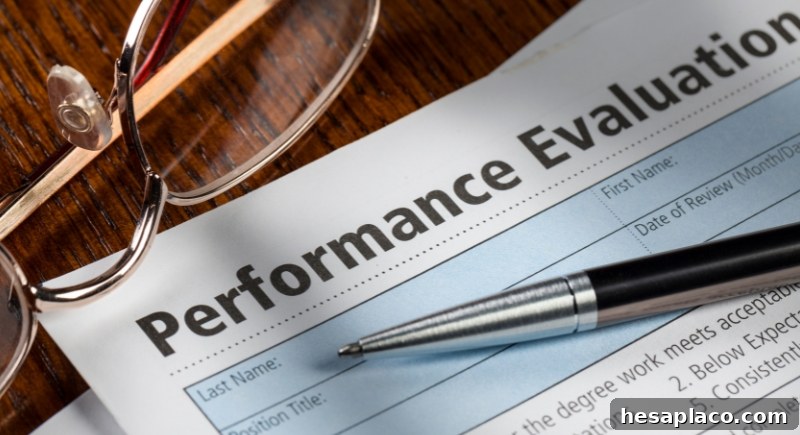
Annual performance reviews feel slow and out of step with fast-moving teams. Many organizations now prefer frequent, timely feedback that helps employees iterate and improve continuously. Younger workers see development as an ongoing dialogue rather than a once-a-year checkpoint.
Salary Growth Based on Performance, Not Just Tenure

Credit: Getty Images
The idea that raises automatically follow years served is losing favor. Younger employees want transparent expectations and visible career pathways. They prefer systems where pay and advancement reflect contribution and learning, rather than a slow clock that rewards patience more than performance.
Informal, Clear Communication Over Formal Tone

Credit: Getty Images
Email and messaging styles have loosened, favoring concise, purpose-driven language. Professionals increasingly prefer direct, human communication that stays respectful rather than strictly formal. Tone is chosen to fit the task, making exchanges clearer and faster without sacrificing professionalism.
Digital Records Replacing Paper Trails

Credit: Getty Images
Filers and paper archives are giving way to digital systems. Electronic records are faster, more searchable, and more environmentally friendly. Secure cloud storage, encryption, and collaboration tools now serve many of the functions once handled by paper-heavy processes.
Openness About Mental Health

Credit: Canva
Where previous generations often kept mental health private, younger employees treat openness about burnout and therapy as part of responsible teamwork. Talking about stress and recovery is seen as mature and practical—an approach that supports sustainable performance and healthier teams.
Customized Career Paths Replace One-Size-Fits-All Ladders

Credit: SeventyFour
Traditional career models emphasized predictable promotions and long tenure. Many younger workers, shaped by a dynamic economy, favor flexibility: mixing full-time roles with freelance work, side projects, and career pivots. They design careers that reflect skills, interests, and changing opportunities rather than relying on a single linear path.
Overall, today’s workplace is negotiating a shift from ritual to results, from appearances to outcomes, and from rigid procedures to adaptive practices. Both perspectives offer value: experience and structure provide stability, while fresh expectations push organizations toward greater fairness, efficiency, and well-being. Successful teams blend these strengths—honoring useful traditions while embracing changes that improve productivity and respect the needs of a diverse workforce.