
If you’ve noticed your wallet shrinking faster than your shopping list, you’re not alone. Everyday costs—from haircuts to groceries—have climbed substantially in recent years. What used to be routine now feels like a small luxury. Below are fifteen common expenses that have become surprisingly costly, and why they matter for household budgets.
Rent
Credit: Getty Images
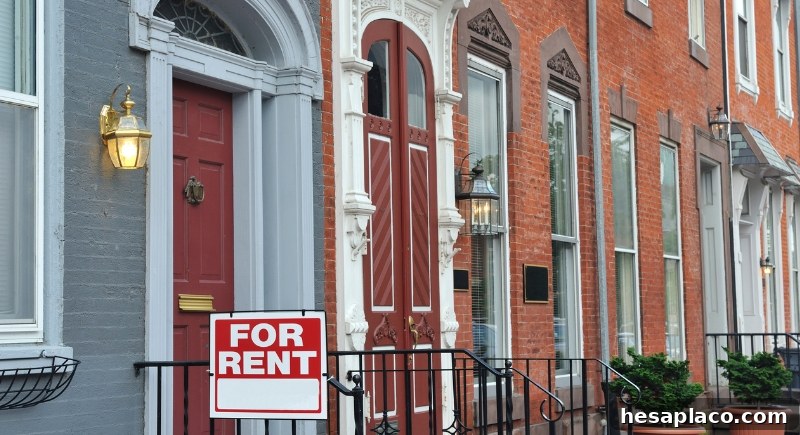
Housing costs have risen faster than wages in many regions. Apartments that once rented for under $1,000 commonly exceed $1,500 today in metro areas. Young adults delay moving out or share units longer, and retirees find fewer affordable downsizing options. What used to be manageable on a single income increasingly requires two paychecks and careful budgeting.
Dining Out

Credit: Getty Images
Eating at restaurants has shifted from casual to deliberate. Rising ingredient costs, delivery fees, and higher labor expenses push restaurant bills upward. A modest dinner for two that once cost around $30 can now reach $50 or more. As a result, many people choose to cook at home for better value and greater predictability.
Haircuts

Credit: Canva
Salon prices have climbed noticeably. A basic trim averages $40–$50 in many cities, driven by higher rents, staffing constraints, and rising product costs. Routine grooming now feels discretionary for some, prompting people to space out appointments or learn simple trims at home.
Vehicles

Credit: Canva
Cars have become more expensive across the board. New vehicles frequently top $40,000, and used-car prices remain historically high. Higher interest rates increase financing costs, turning vehicle ownership into a lengthy financial commitment that competes with housing and other priorities.
Printer Ink and Cartridges

Credit: Getty Images
Printer ink remains one of the most frequently complained-about household costs. While wholesale price jumps aren’t extreme, proprietary cartridge designs and limited refill options keep per-page printing costs high. For home offices and students, printing simple documents can feel disproportionately expensive compared with other household supplies.
Streaming Subscriptions

Credit: Getty Images
The initial appeal of streaming—lower cost and more choice—has faded for many households. Subscriptions to multiple services can surpass old cable bills, especially when add-ons for ad-free viewing or exclusive content are included. Many consumers cycle through cancellations and short-term renewals to keep monthly spending under control.
Childcare and Daycare

Credit: alamy
Childcare costs have surged, particularly in urban areas. Hourly sitters or part-time nannies frequently charge $40–$50, sometimes with limited certification. Daycare centers face higher staffing, licensing, and insurance costs that have pushed fees up faster than many wages, making childcare a major line item for families.
Concert Tickets

Credit: pexels
Live music has become more expensive thanks to service fees, dynamic pricing, and resale markups. Popular shows often sell out quickly and tickets on secondary markets can reach several times face value. Fans increasingly weigh the cost against how rare the opportunity is before committing to attend.
Canned Goods and Pantry Staples
Credit: pixabay
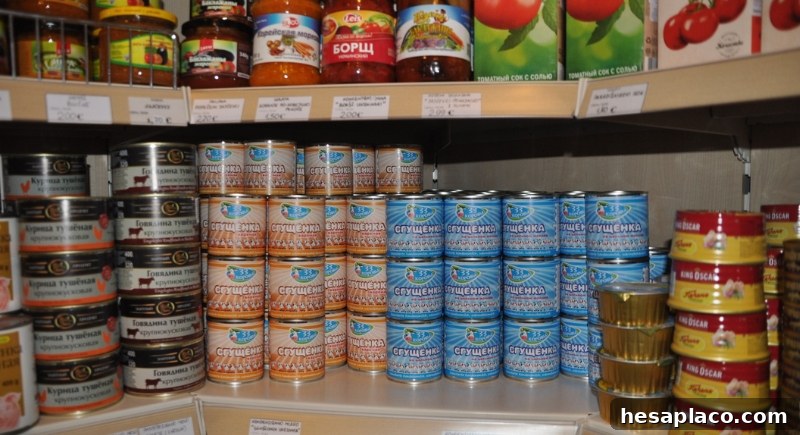
Even basic pantry items carry higher price tags. Canned beans, soups, and staples have risen due to increased costs for metal, packaging, transportation, and ingredients. For households that rely on shelf-stable foods to stretch their budgets, these steady increases add up and make meal planning more challenging.
Household Paper and Consumables

Credit: pixelshot
Toilet paper, paper towels, and other disposable goods have seen steady price increases since 2020. Shoppers switching brands rarely find meaningful savings, and because these items are essential, their rising cost quietly reduces discretionary income without improving quality or utility.
Gum and Snack Items

Credit: pexels
Small impulse buys like gum, candy, and single-serve snacks have become noticeably pricier. Over the past decade prices for these items have increased significantly, and convenience-store markups can make a small treat feel like a splurge. These everyday extras add up when purchased frequently.
Bowling and Leisure Outings

Credit: Getty Images
Casual recreational activities now cost more as venues add amenities and raise operational prices. Bowling alleys, mini-golf courses, and similar leisure spots have expanded food and entertainment offerings, increasing the overall price of a night out. Families and groups often scale back frequency or seek cheaper alternatives to stay within budget.
Pools

Credit: Getty Images
Owning a pool has become costlier to maintain. Replacement parts sold under pool brands often carry a premium compared with generic hardware, and specialized chemicals, repairs, and energy costs add up. Many homeowners postpone nonessential repairs or hunt for third-party parts to avoid steep branded pricing.
Amusement Parks

Credit: Photo Images
A family day at an amusement park can be expensive once parking, food, and extras are added. Concessions, souvenir prices, and premium experiences often double the initial cost of admission. To stay within budget, families commonly bring their own snacks, limit concessions, or shorten visits.
Having Kids

Credit: Getty Images
The overall cost of raising children has steadily increased. Expenses for diapers, childcare, education, healthcare, and activities can put substantial pressure on family finances. For many households, planning for children now requires more deliberate budgeting and long-term financial decisions to balance immediate needs with savings and debt repayment.
While not every region experiences the same rate of price increases, these examples show how ordinary items and experiences can add up quickly. Small changes in daily spending—cooking more meals at home, reviewing subscriptions, and comparing essential purchases—can help families and individuals manage rising costs without sacrificing quality of life.