The Stanley brand, founded in 1913, built its reputation on rugged stainless-steel bottles made for workers and outdoor enthusiasts. In recent years, however, one simple product—the Stanley Quencher stainless-steel tumbler—shot to fame on social media. Videos tagged #StanleyTumbler accumulated more than a billion views, and major retailers like Target repeatedly sold out. The popular 40 oz version, typically priced between $35 and $50, became a viral must-have item.
The transformation wasn’t accidental. In 2020, Terence Reilly joined Stanley after helping Crocs cross over into mainstream culture, and he steered the company toward collaborations and community-driven marketing. Reilly saw that a practical tumbler could also function as a lifestyle accessory people wanted to share online. That insight helped turn a century-old manufacturer into a contemporary viral favorite.
Women Selling to Women
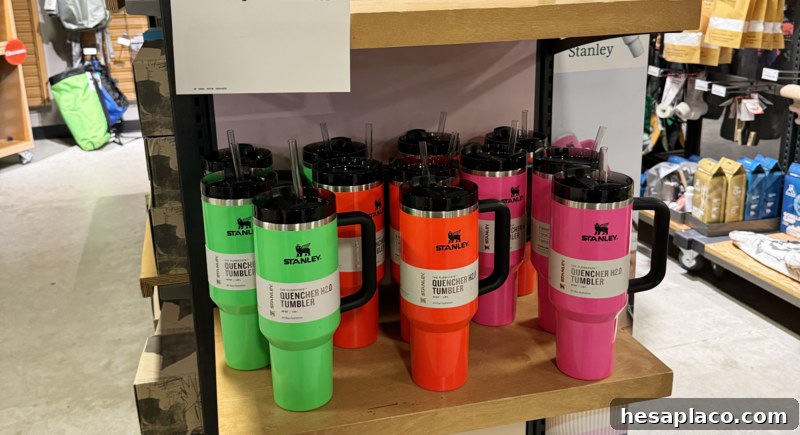
Image via Wikimedia Commons/PK-WIKI
Stanley’s real turning point involved three women who weren’t even company employees. Linley Hutchinson, Ashlee LeSueur, and Taylor Cannon, founders of the shopping blog The Buy Guide, were early fans of the Quencher. Hearing rumors that Stanley might stop producing the tumbler, they took a gamble and ordered 10,000 cups to sell themselves. They moved half the inventory in four days and sold the remainder in about an hour.
The Buy Guide’s audience was largely women aged 25 to 45, which revealed a significant market Stanley had not fully recognized. Their followers trusted relatable users more than corporate advertising, and that trust reframed the Quencher—not just as a practical item, but as a lifestyle product women wanted to adopt and showcase.
Collecting and Community
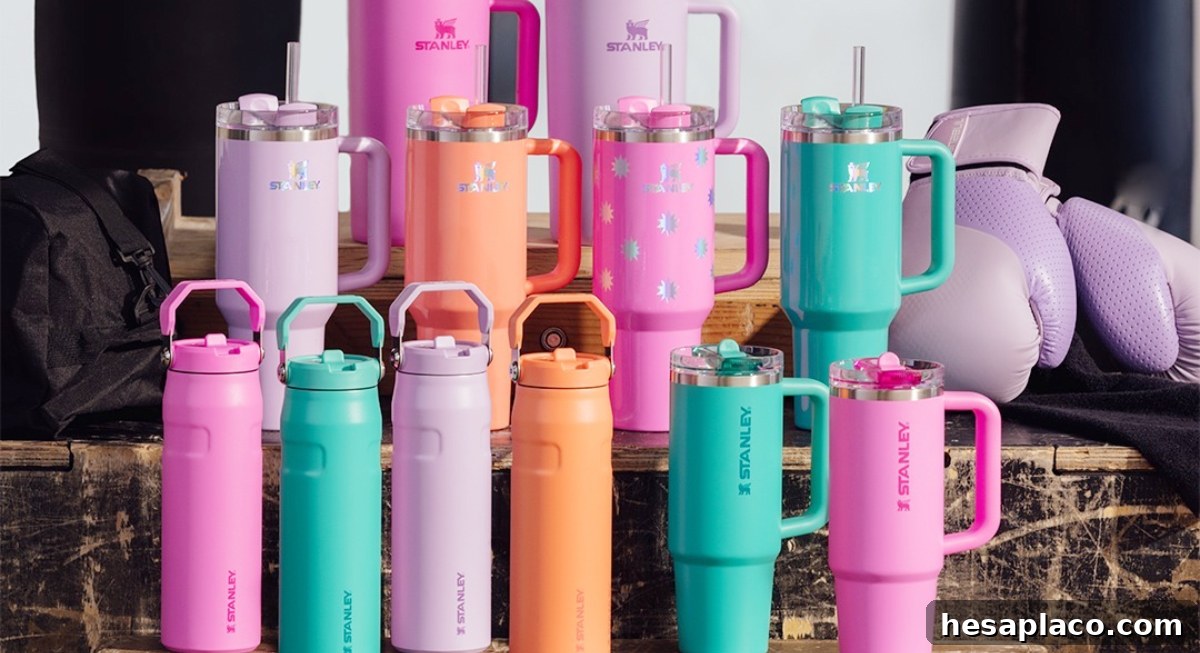
After seeing the surge in demand, Stanley adapted quickly. The company expanded colorways and patterns and launched partnerships with brands like Pendleton and Target’s Hearth & Hand with Magnolia. Limited-edition releases generated intense online interest and often sold out within minutes. TikTok and other platforms filled with videos of collectors displaying shelves of Quenchers in a wide range of hues.
Psychologists point out that collecting can provide joy and a sense of purpose, particularly following the uncertainty of the pandemic when many people sought small comforts. For many consumers, the Stanley tumbler became one of those comforting items. Its sturdy handle, streamlined profile, compatibility with car cup holders, and wide selection of colors combined utility with visual appeal, encouraging repeat purchases and displaying.
The Numbers Don’t Lie

Image via Getty Images/KamiPhotos
Stanley’s pivot to a lifestyle-focused strategy has yielded measurable results. From 2019 to 2023, the company experienced a $687 million increase in revenue. Sales of the Quencher rose 275% year over year, and the broader hydration category expanded by 215%. As a result, Stanley emerged as the leading drinkware brand in North America. These figures underscore how quickly a long-established company can flourish by observing real consumer behavior and embracing modern, community-driven marketing rather than relying on old assumptions.