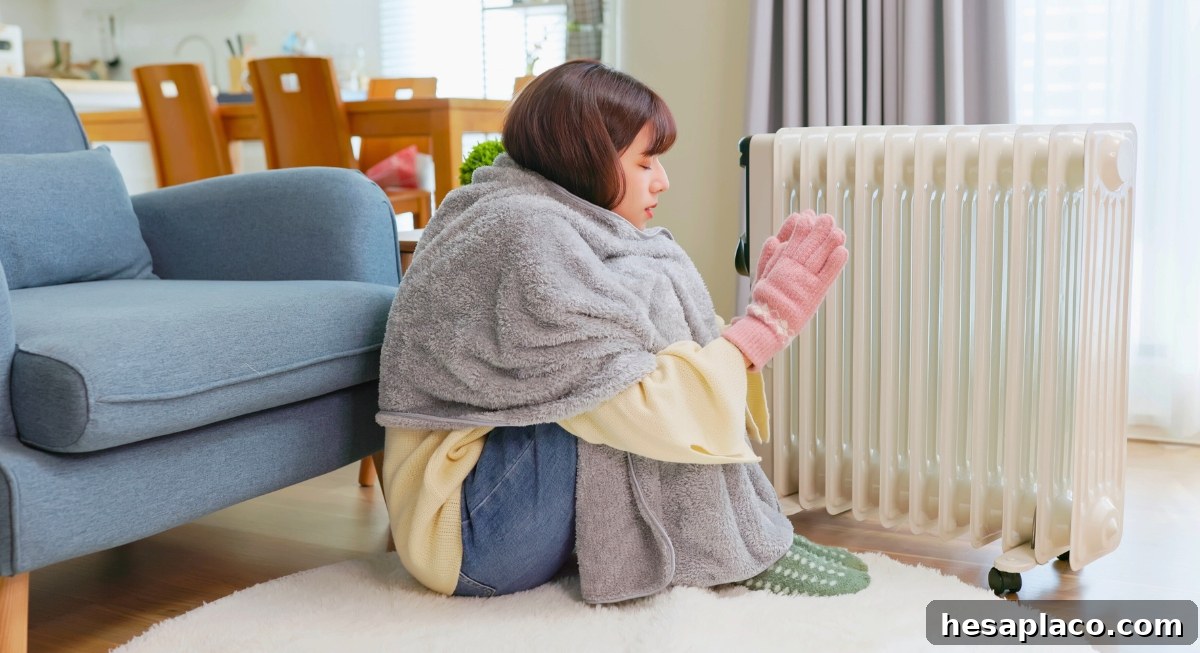
Colder weather is coming, and with it, higher energy bills. A few practical preparations now can keep your home warmer and your heating costs lower all winter. With some focused maintenance and simple upgrades, you can protect your home from the chill without major expense.
Insulate Your Attic
Credit: Getty Images
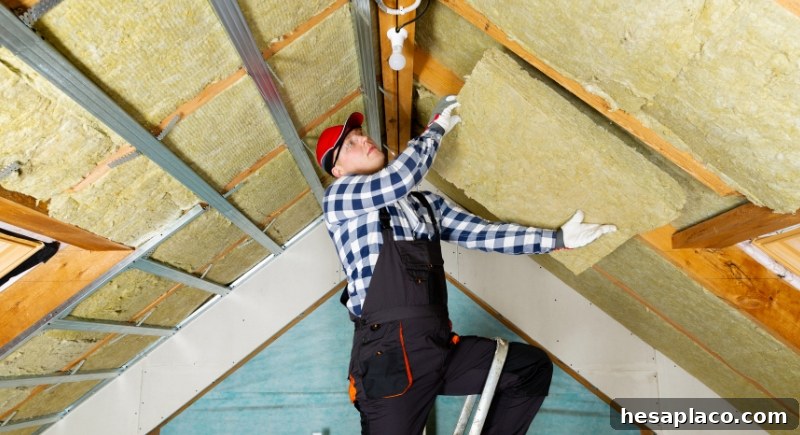
Heat rises, and an under-insulated attic is one of the most common places your home loses warmth. Adding roughly 10 inches of fiberglass or about 12 inches of cellulose insulation can significantly reduce heat loss and help control moisture on the roof deck. Before adding insulation, inspect the attic for damp spots or thinning areas and address any leaks. A single afternoon of work can lower your annual heating bill and improve comfort throughout the house.
Give the Furnace a Checkup
Credit: Canva
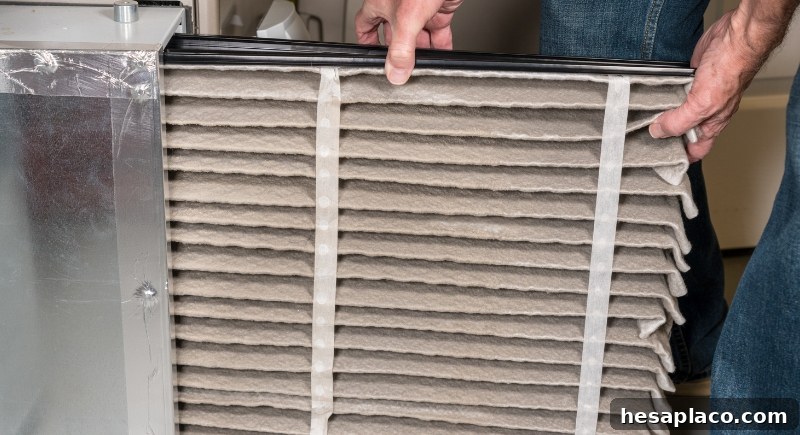
A dusty or poorly maintained furnace consumes more fuel and can become unreliable. Schedule a professional tune-up before the cold sets in so filters are changed, components are cleaned, and ducts are inspected. That modest investment improves airflow, raises efficiency, and lowers the risk of midwinter breakdowns.
Bleed the Radiators
Credit: Canva
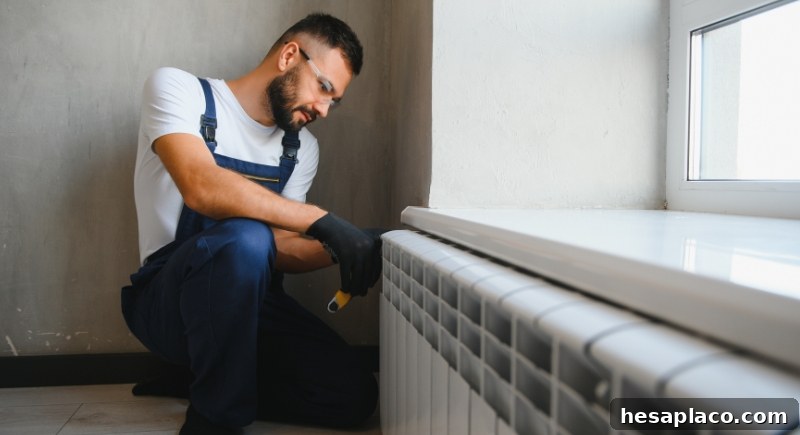
Trapped air in radiators causes uneven heating and cold spots. Bleeding a radiator is quick: use a radiator key to open the bleed valve until water flows steadily, then close it. This simple step restores consistent heat distribution and helps each room reach the desired temperature more quickly.
Wrap Your Pipes
Credit: Getty Images
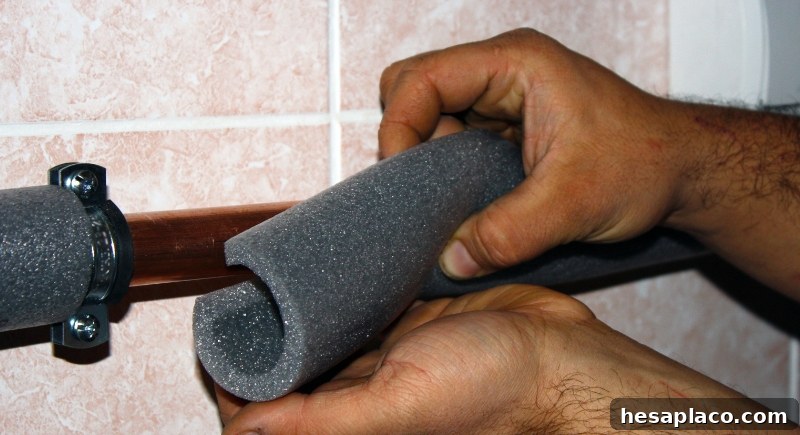
Pipes in unheated areas like basements, crawl spaces, or garages lose heat rapidly and can freeze, causing costly damage. Insulating them with foam or specialized pipe wrap helps keep water from dropping to freezing temperatures and protects plumbing during sudden cold snaps. A small amount of insulation now can prevent expensive repairs later.
Clean Out Gutters and Drains
Credit: Getty Images
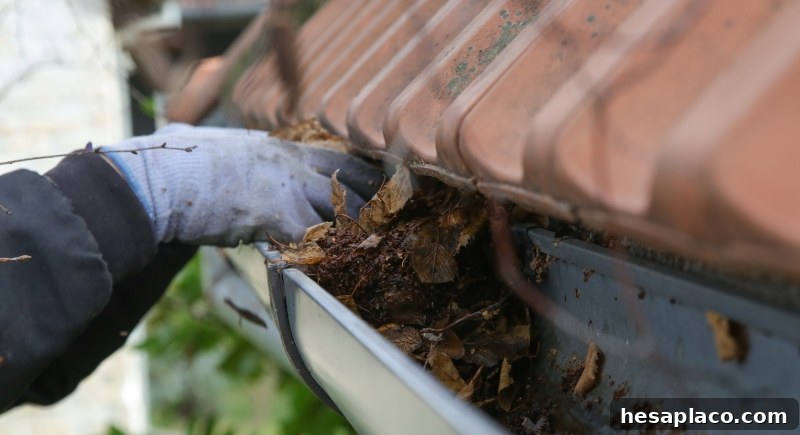
Leaves and debris block gutters, causing water to back up and form ice dams when temperatures drop. Clearing gutters and downspouts before winter ensures meltwater drains away from the roof and foundation, reducing the risk of leaks and structural damage. If working at heights isn’t comfortable or safe for you, hire a professional—preventative cleaning is usually far cheaper than repairing water damage.
Inspect the Roof
Credit: Canva
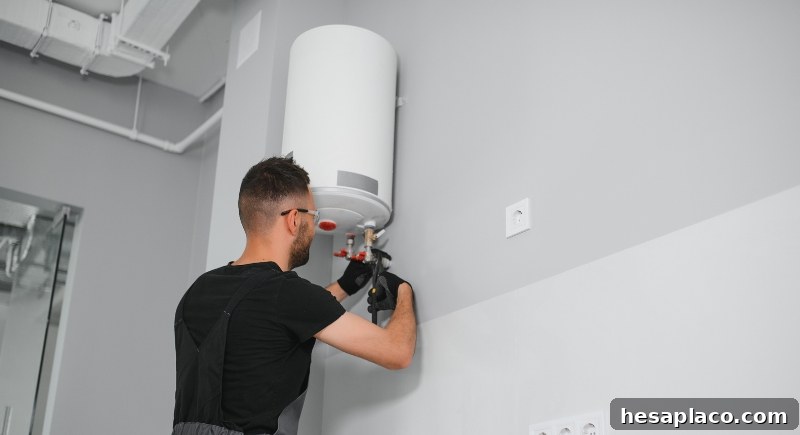
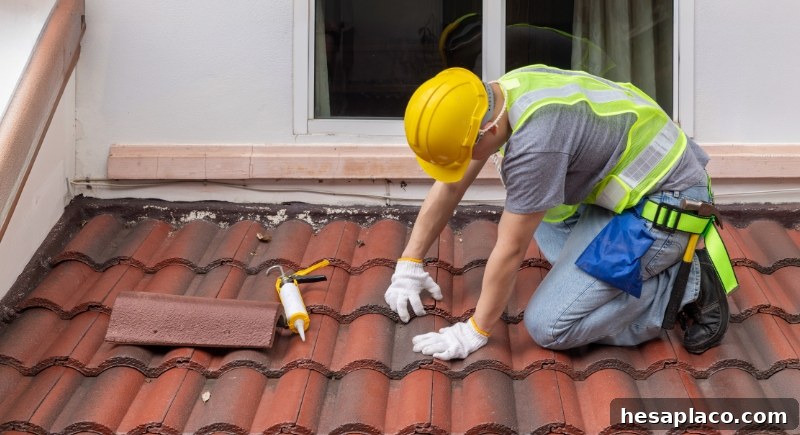
Roof shingles and flashing take the brunt of wind, rain, and snow. A quick inspection for loose, cracked, or missing shingles and for gaps around vents will help you catch problems early. Repairing or sealing small issues now avoids more extensive—and expensive—repairs after a winter storm or prolonged melt.
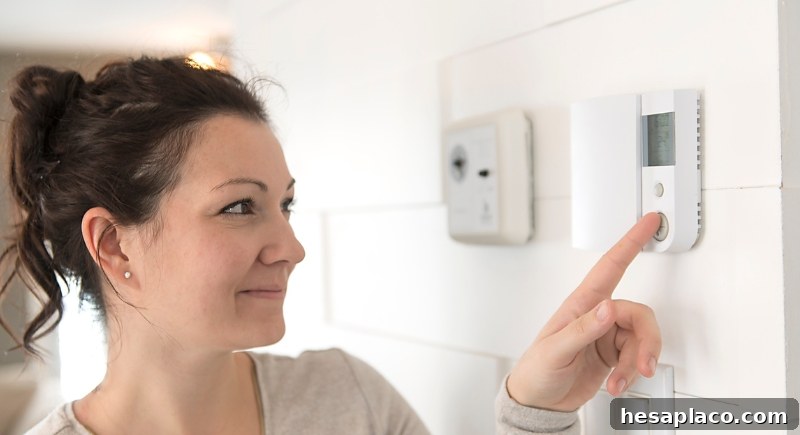
Test Your Thermostat
Credit: Getty Images
Thermostats can drift out of calibration over time. Test yours before the cold weather begins to confirm it reads and controls temperature accurately. Programmable or smart thermostats let you reduce heating during nights or when the house is empty, which can lower annual heating costs by a noticeable margin.
Use Heavy Curtains at Night
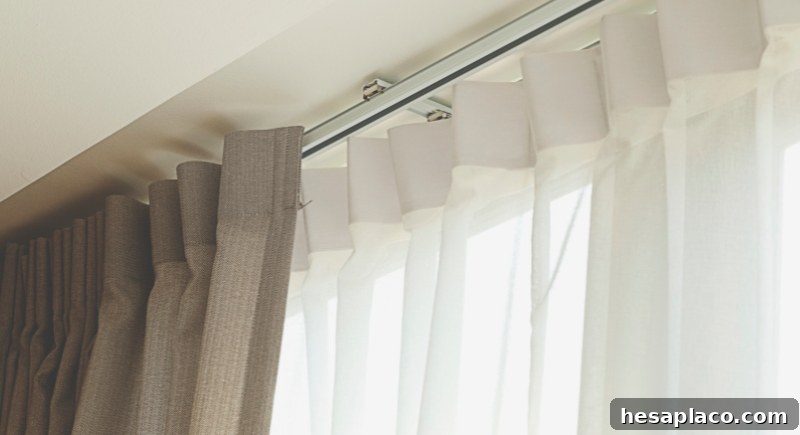
Credit: Getty Images
Heavy, lined curtains are an inexpensive way to reduce heat loss through windows. Leave them open during sunny days to capture passive solar warmth, then close them after dusk to create an extra insulating layer against drafts. This simple habit improves comfort and reduces the workload on your heating system.
Service the Chimney and Fireplace
Credit: Getty Images
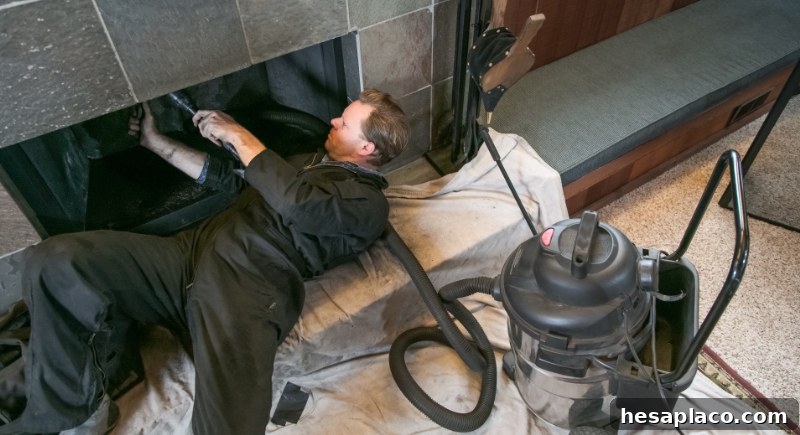
A cozy fire is a winter pleasure, but chimneys require yearly checks. Creosote buildup, nests, or blockages can create fire hazards or force smoke into the home. Hiring a professional to sweep and inspect the chimney ensures safe operation and steady draft, so you can enjoy your fireplace without worrying about hidden dangers.
Check Boiler Pressure
Credit: Canva
Boilers operate most reliably when the system pressure stays within the recommended range—often around 1 to 1.5 bar for many residential systems. Check the pressure gauge as part of your fall maintenance. If it falls outside normal limits, top up the system or call a professional to adjust and service the boiler. Proper pressure helps keep heating performance steady and reduces the chance of breakdowns when you need warmth most.