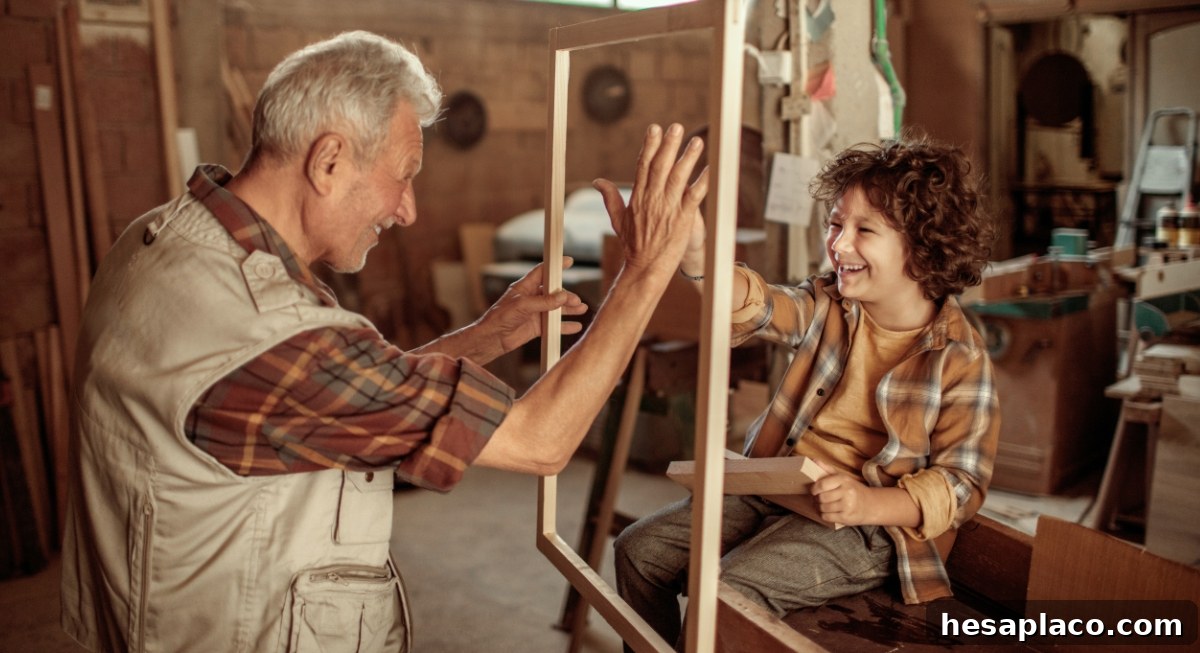
Grandparents often lived through tougher economic times and developed practical money-saving habits that still work well today. These simple, time-tested approaches can help lower expenses, reduce waste, and promote a more resourceful lifestyle without sacrificing comfort.
Cooking From Scratch
Credit: pexels
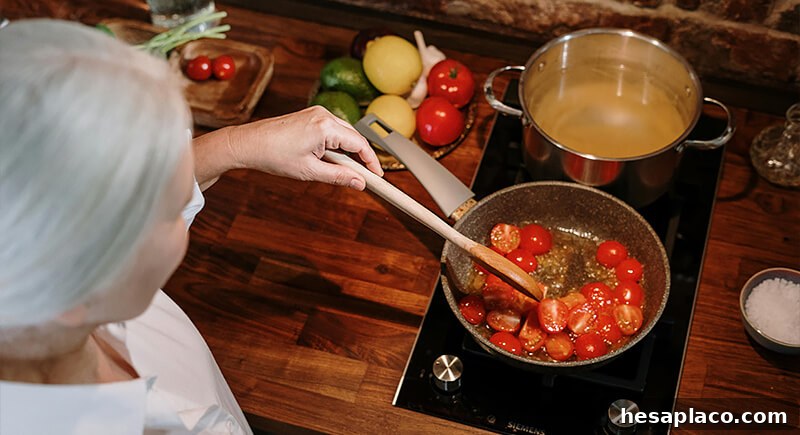
Meals were built around seasonal produce and pantry staples, with restaurants reserved for special occasions. Preparing food at home remains far more affordable than dining out: homemade soups, stews, breads, and casseroles are inexpensive, filling, and typically healthier. Learning a few versatile recipes makes it easier to save money while enjoying better-quality meals.
Repair Before Replacing

Credit: pexels
Throwing away slightly damaged clothing or household items was uncommon. Grandparents mended socks, sewed patches, and fixed small breaks. Learning basic sewing or repair skills—or paying a tailor for small jobs—generally costs less than replacing items and reduces waste, extending the life of possessions.
The Pantry Stockpile
Credit: pixabay
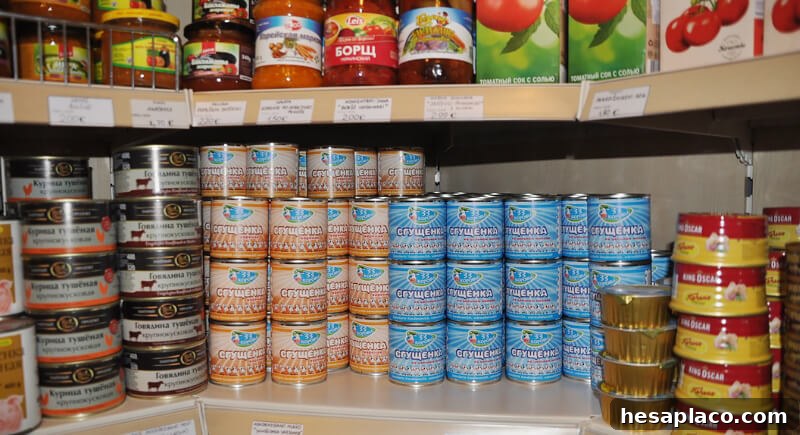
Keeping a well-stocked pantry acted as a financial and practical safety net. Canned goods, dried beans, pasta, and staples meant a meal could be assembled quickly without last-minute grocery runs. A stocked pantry helps absorb price spikes, makes meal planning easier, and reduces stress when schedules get busy.
Reusing Containers
Credit: pexels
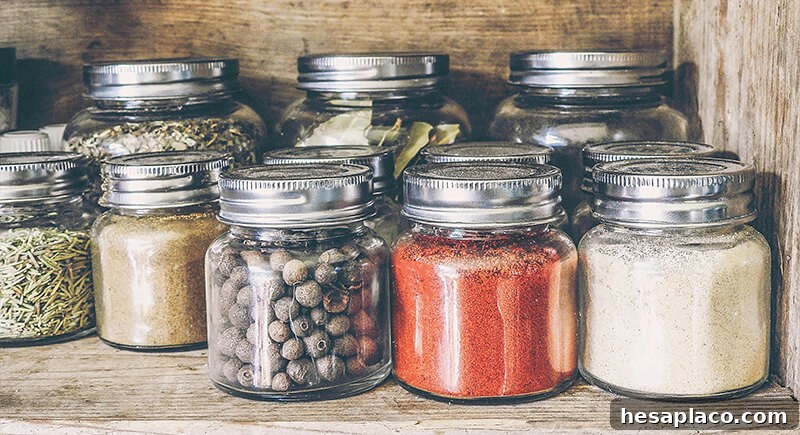
Jars and cans with lids were reused for storage rather than discarded. Old sauce jars could hold leftovers, buttons, or spices, and coffee tins kept rice dry. Repurposing containers reduces waste, saves money on storage solutions, and adds practical organization around the home.
Creative Use Of Leftovers

Credit: pexels
Leftovers were intentionally transformed into new meals: a roast became sandwiches, vegetable scraps became stock, and small portions combined into soups or casseroles. Treating leftovers as ingredients reduces food waste and stretches the grocery budget while inspiring creative, varied meals.
Batch Cooking
Credit: Getty Images
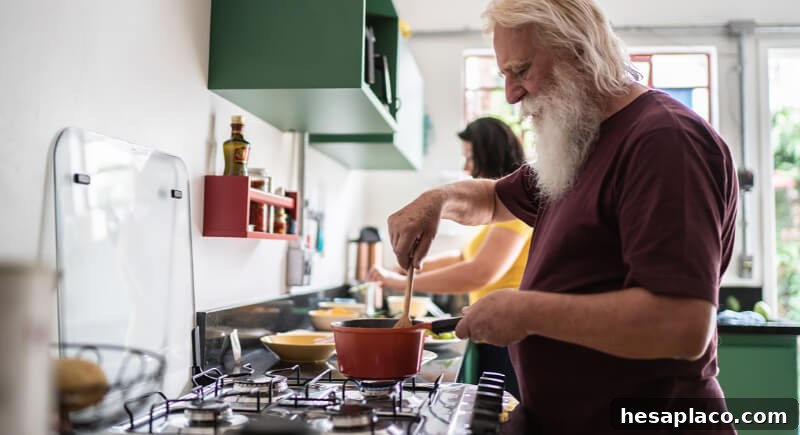
Cooking in large batches saves both time and money. Making several portions at once—soups, stews, or loaves of bread—means more meals are ready to freeze or refrigerate for later. Batch cooking reduces the temptation to order takeout on busy days and produces consistent, homemade meals with minimal daily effort.
Hang-Drying Laundry
Credit: pexels
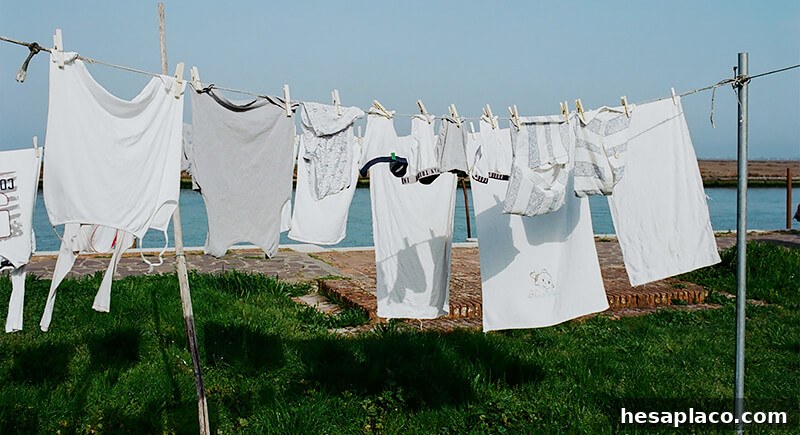
Before electric dryers were common, clothes were dried on outdoor lines or indoor racks. Air drying conserves energy, is gentler on fabrics, and leaves clothing smelling fresh. Using a drying rack or clothesline can noticeably cut energy bills and extend the life of garments.
Growing Food At Home
Credit: pexels
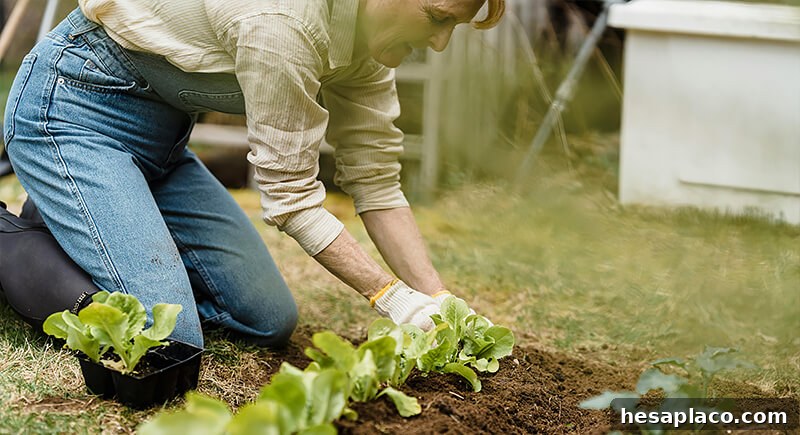
Home gardens provided vegetables, herbs, and fruit, reducing grocery bills and improving meal quality. Even small spaces can yield fresh produce: herb pots on a windowsill, salad greens in shallow containers, or tomatoes in a balcony planter. Growing food at home is satisfying, lowers food costs, and provides flavor that store-bought produce often lacks.
Stretching Household Products

Credit: iStockphoto
Small practices—using butter wrappers to grease pans, thinning the last of a condiment with a splash of vinegar, or saving bacon grease for flavor—meant getting full value from purchases. These small saves add up over time and help avoid wasting usable food or household goods.
DIY Cleaning Solutions
Credit: iStockphoto
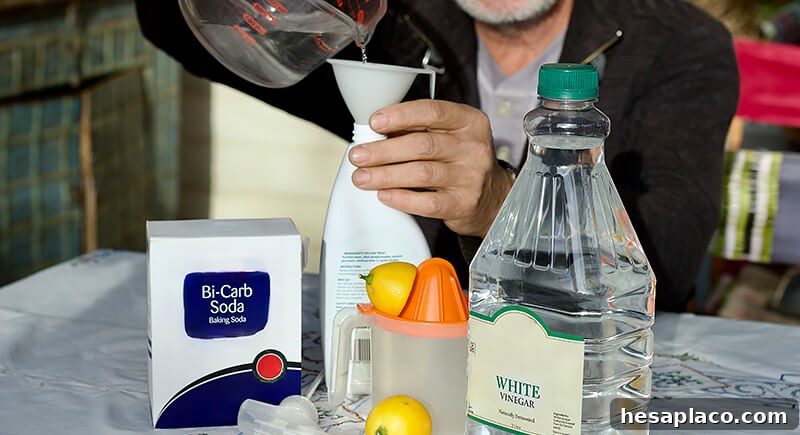
Simple household staples—vinegar, baking soda, and lemon—served as effective, inexpensive cleaners. A diluted vinegar spray cleans glass and surfaces, while baking soda removes stains and odors. Making your own cleaning solutions reduces spending on commercial products and avoids harsh chemicals.
Using Cash To Budget

Credit: pexels
Envelope budgeting—setting aside cash for groceries or entertainment—made spending visible and tangible. Physically handing over money encourages mindful purchases. Many people who revert to cash for discretionary categories find they naturally spend less and regain clearer control over their budget.
Hand-Me-Downs And Secondhand Finds
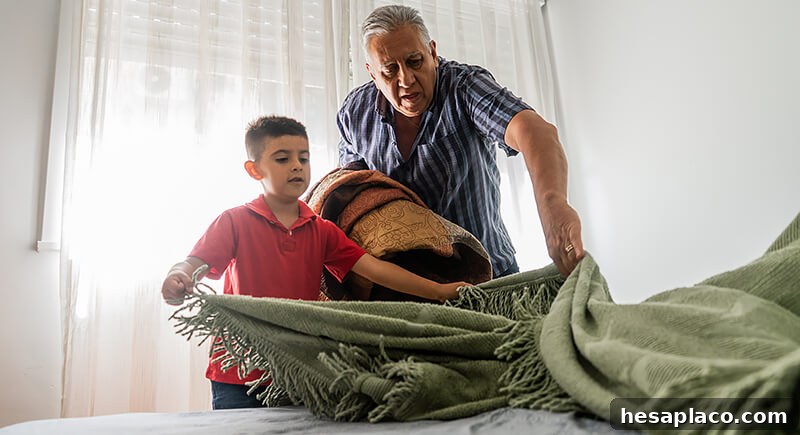
Credit: iStockphoto
Clothing, furniture, and household goods were often passed down or bought secondhand instead of being discarded. Thrift stores, estate sales, and hand-me-downs still offer high-quality items at a fraction of new prices. Choosing used goods reduces costs and often results in sturdier purchases than cheap, disposable alternatives.
Packing Food For Travel
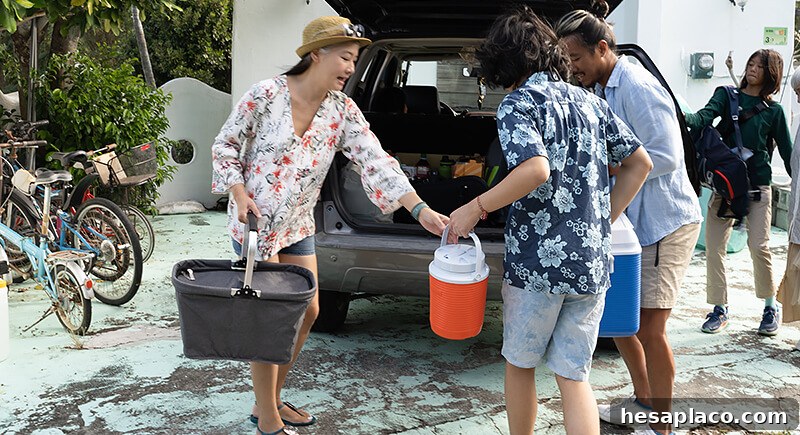
Credit: iStockphoto
Bringing homemade sandwiches, fruit, and snacks on trips prevented expensive roadside meals and ensured healthier choices. Packing food for the commute, road trips, or outings saves money and often tastes better than fast-food alternatives.
Conserving Heat And Cooling

Credit: pexels
Before programmable thermostats and constant climate control, people adjusted clothing, used blankets, and relied on cross-ventilation to stay comfortable. Small changes—wearing layers in winter, opening windows on cool evenings, or using fans strategically—can reduce energy use and lower utility bills, especially when energy costs are high.
Avoiding Debt At All Costs

Credit: Canva
Many grandparents treated borrowing cautiously, preferring to save for purchases rather than rely on credit. Avoiding unnecessary debt reduces interest payments and financial stress. When larger purchases are needed, saving in advance or choosing used options can preserve financial stability and peace of mind.
These traditional habits may seem modest, but when combined they build resilience and reduce everyday costs. Adopting a few—cooking from scratch, repairing what you can, growing a few herbs, or using cash for discretionary spending—can make a noticeable difference in monthly expenses while promoting a simpler, more sustainable way of living.