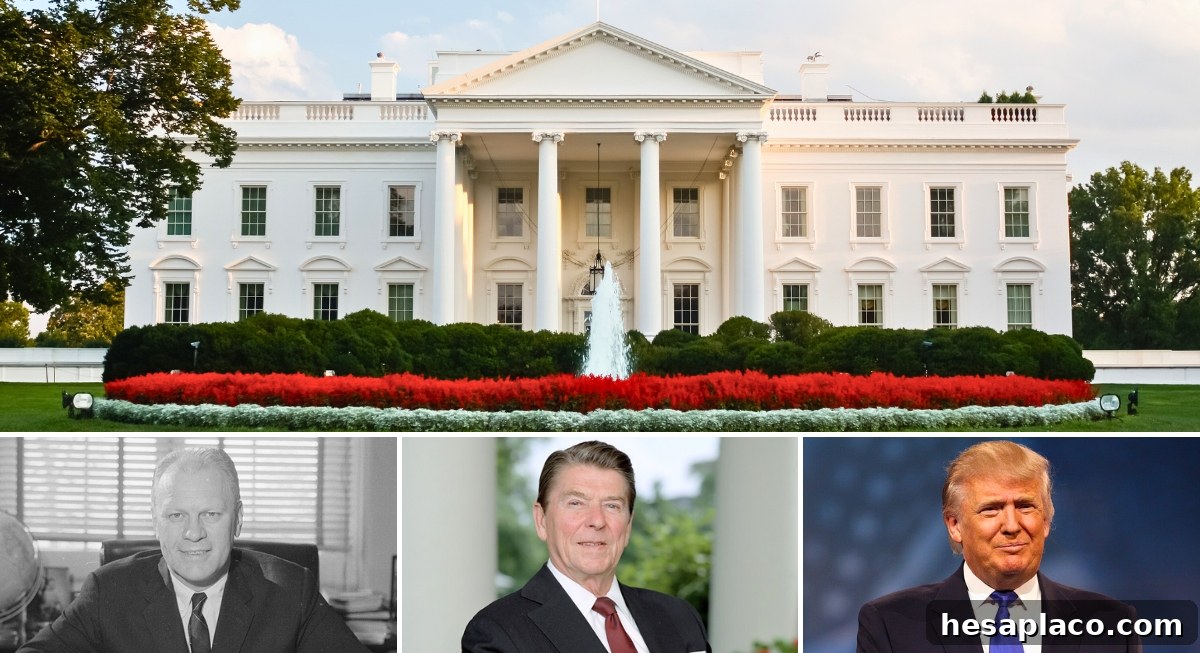
Since the mid-1970s, budget disputes in Washington have occasionally shut down large portions of the federal government. Some closures were brief and localized; others lasted weeks and disrupted daily life nationwide. Below is a clear, chronological account of notable federal shutdowns, explaining their causes, duration, and impact.
1976: Gerald Ford’s 11-Day Stumble
Credit: picryl
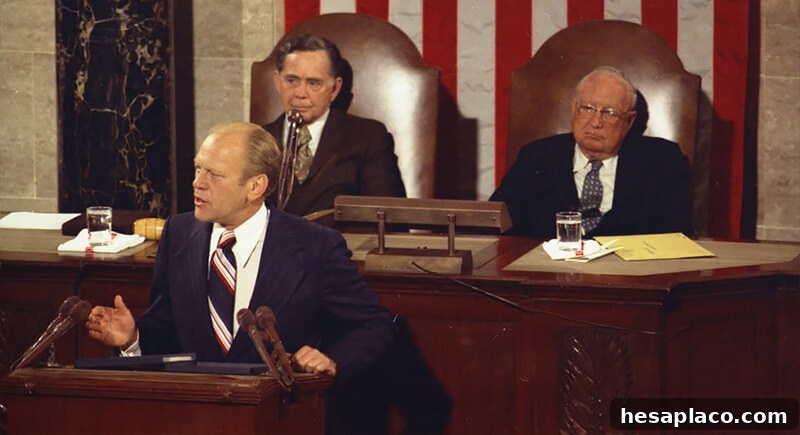
The first modern shutdown occurred under President Gerald Ford and lasted 11 days. Disagreements between Congress and the White House over defense and domestic appropriations led to vetoes and a stalemate. Ford pressed for higher defense spending while lawmakers disputed the overall funding package, starting a pattern where policy fights translated into government closures.
1977: Jimmy Carter’s First Showdown
Credit: Wikimedia Commons
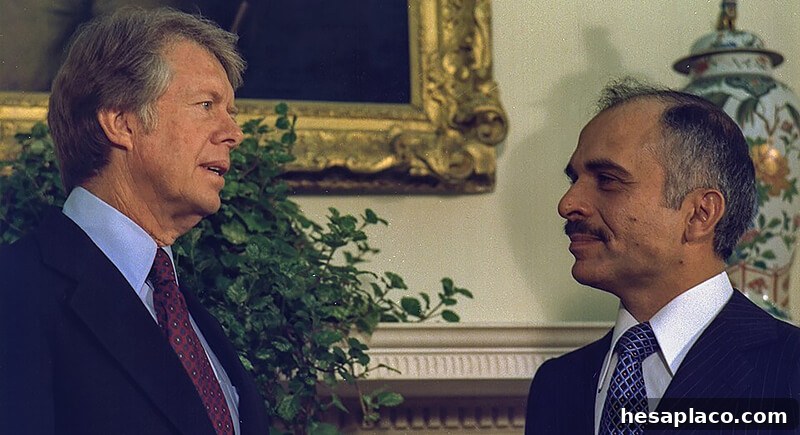
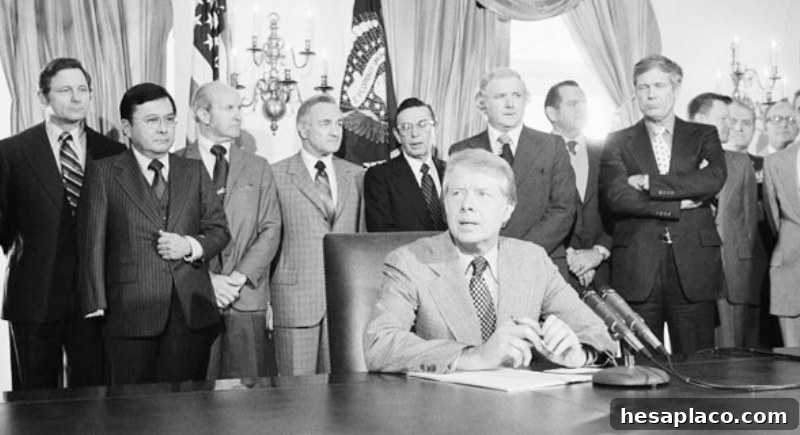
President Jimmy Carter faced a 12-day shutdown driven largely by disputes over Medicaid funding and restrictions on abortion-related services. The controversy over how taxpayer dollars could be used stalled appropriations, paused many federal activities, and ended only after negotiators reached a compromise.
1977: Double Eight-Day Shutdowns
Credit: Wikimedia Commons
Later in 1977, two separate eight-day funding gaps occurred back-to-back, again centering on arguments about abortion limits in Medicaid. These consecutive shutdowns demonstrated how a single contentious issue could repeatedly halt federal operations and prolong uncertainty for agencies and workers.
1978: A Seventeen-Day Stalemate
Credit: Wikipedia
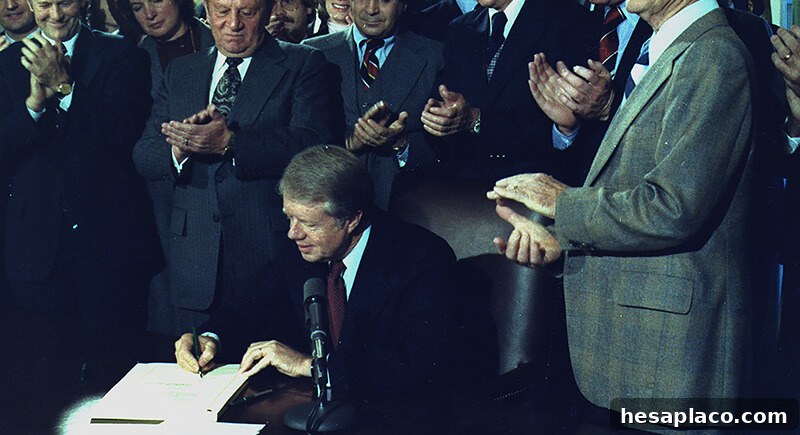
In 1978, disagreements over funding for public works, welfare, and defense produced a 17-day shutdown—one of Carter’s longest. The impasse illustrated that prolonged budget gridlock was not new to modern politics and that competing priorities could keep Washington stalled for weeks at a time.
1979: Eleven Days of Deadlock
Credit: Wikipedia
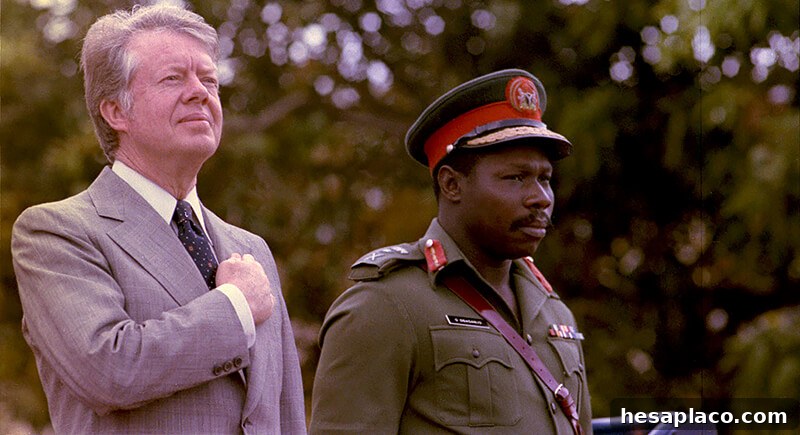
Carter’s final shutdown lasted 11 days and centered on funding disputes for public works programs and naval shipbuilding, including nuclear-powered aircraft carriers. The clash highlighted the persistent tension between social spending priorities and military investments.
1981: Ronald Reagan’s Two-Day Closure
Credit: Wikipedia
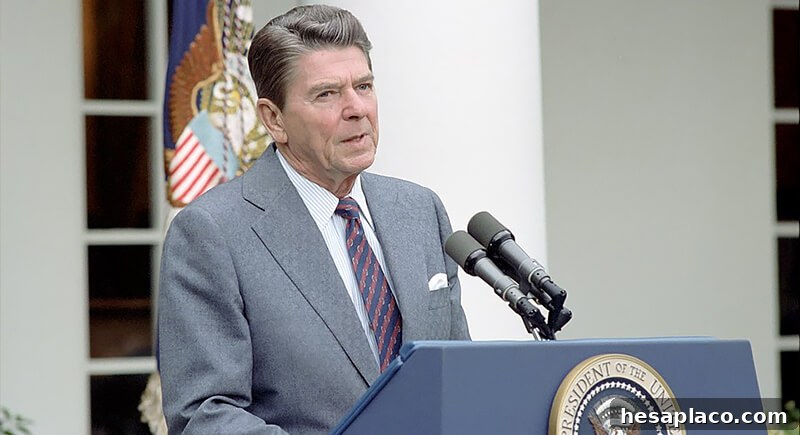
Early in Ronald Reagan’s presidency a two-day shutdown occurred as he pushed for sizable cuts to domestic programs while seeking increases in defense spending. Although short, the closure signaled the ideological divide that would define many of the administration’s budget battles.
1982: One Day, Blink and You Missed It
Credit: Wikipedia
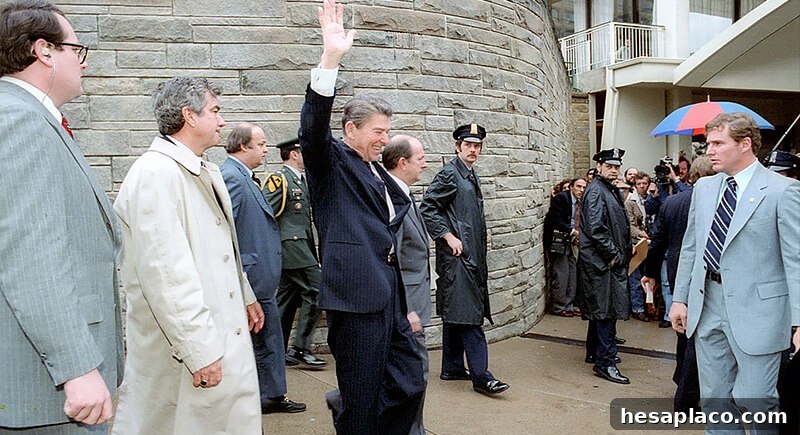
A one-day lapse in 1982 briefly halted federal operations amid disputes over defense and domestic appropriations. Under guidance from Attorney General Benjamin Civiletti, even short funding gaps were officially treated as shutdowns, formalizing how such incidents were recorded and managed going forward.
1982: Three Days Later That Year
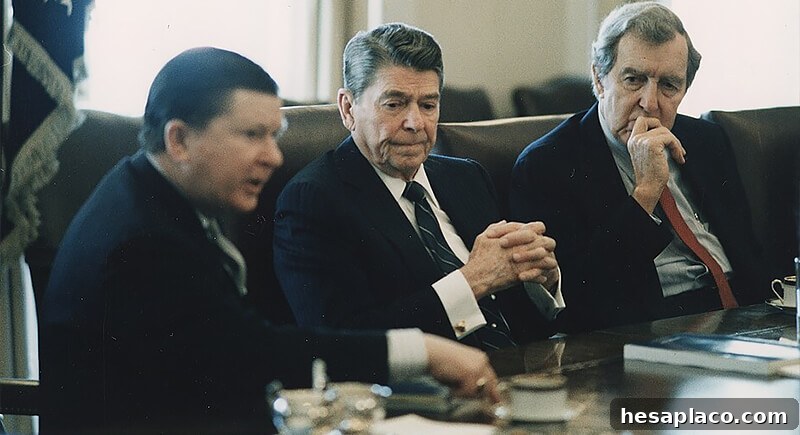
Credit: Wikipedia
Later in 1982, a three-day shutdown reflected continued clashes over proposed defense cuts and funding for education and environmental programs. These short closures became a recurring feature of Reagan-era budget negotiations.
1983: Another Three-Day Gap
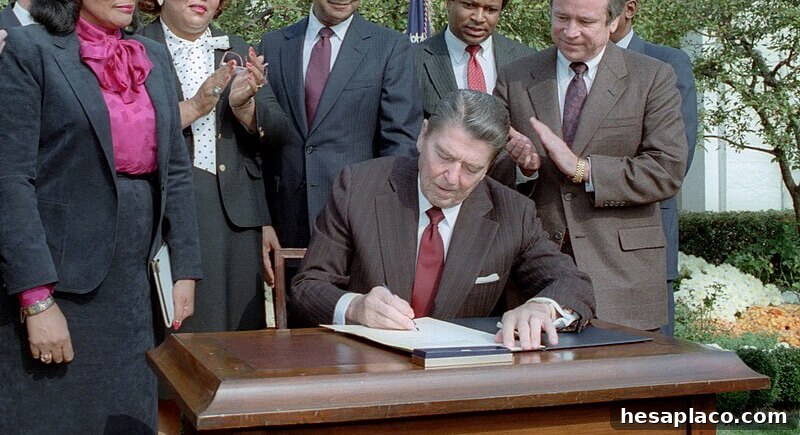
Credit: Wikipedia
In 1983, a three-day lapse occurred as Reagan continued to press for larger defense budgets while congressional Democrats defended funding for social programs and education. The closure was brief but emblematic of repeated partisan standoffs.
1984: Two Days Off the Clock
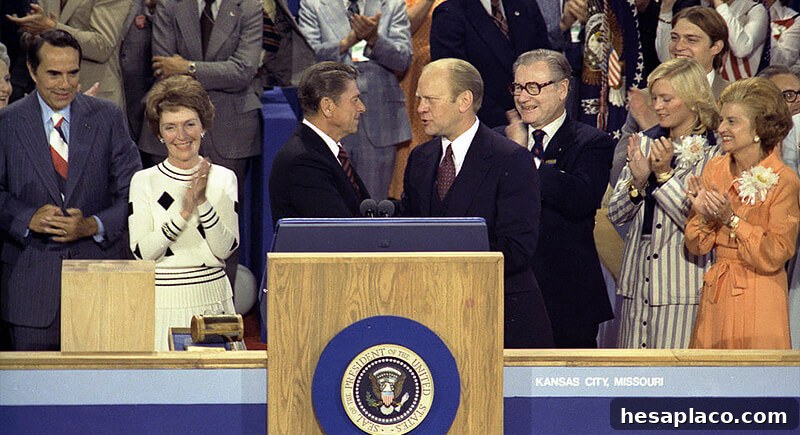
Credit: Wikipedia
Budget talks in 1984 produced a two-day shutdown as Reagan faced resistance from a Democratic House over funding for education, civil rights enforcement, and public works. The short closure underscored that even brief stalemates could interrupt services and planning across agencies.
1984: The One-Day Encore
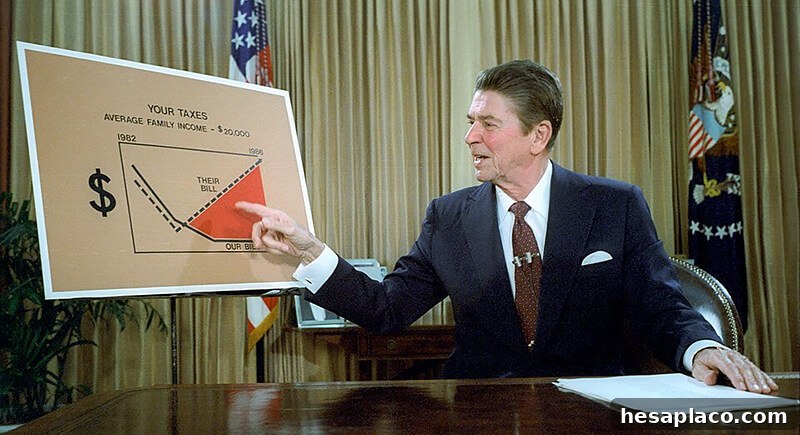
Credit: Wikipedia
Later that year, a one-day lapse again shut down nonessential federal activities amid familiar disputes over defense and social spending. Recurrent short shutdowns became a predictable, if disruptive, feature of budget negotiations.
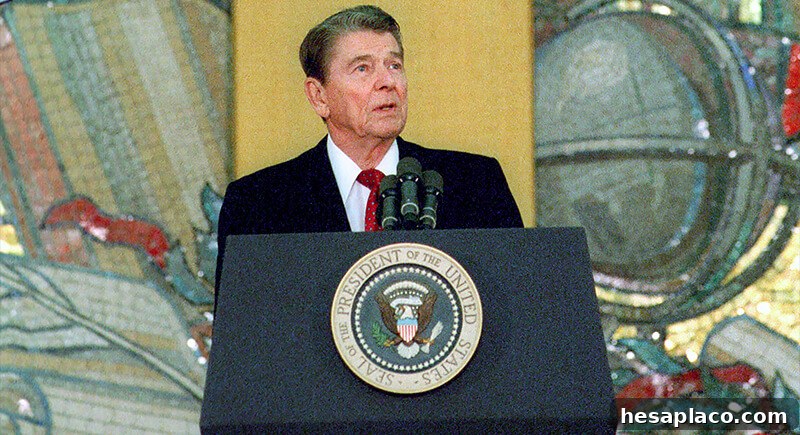
1986: The One-Day Pause
Credit: Wikipedia
In 1986, a one-day shutdown resulted from a dispute over foreign aid to the Contras in Nicaragua and welfare funding. Even brief funding lapses affected federal employees and highlighted how international policy controversies could influence domestic budgeting.
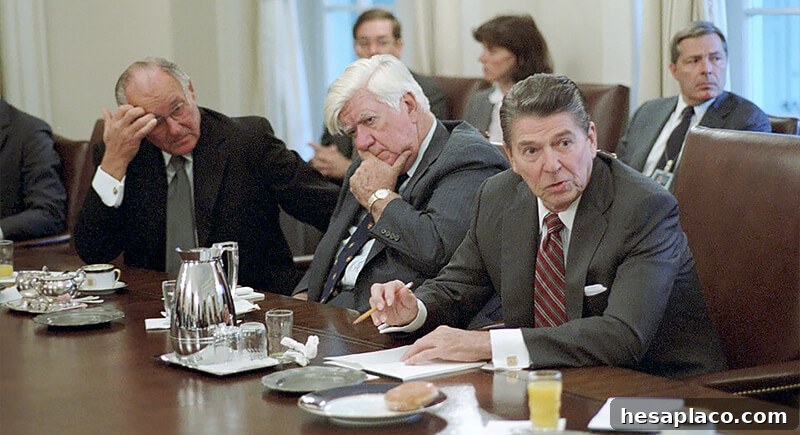
1987: Another One-Day Break
Credit: Wikipedia
Reagan’s administration saw another one-day shutdown in 1987 during budget fights over how to reduce the rising federal deficit. Competing proposals to trim defense or domestic programs briefly shut down nonessential services before negotiators reached agreement.
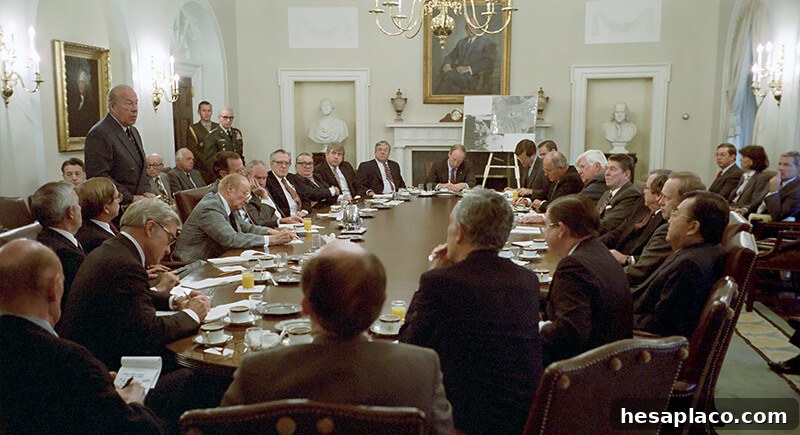
1990: George H.W. Bush’s Four-Day Stretch
Credit: Wikipedia
President George H.W. Bush confronted a four-day shutdown in 1990 driven by disputes over taxes and deficit reduction. Bush had pledged “no new taxes,” but fiscal pressures forced difficult choices. The closure ended with a compromise and contributed to political fallout that affected Bush’s standing with conservatives.
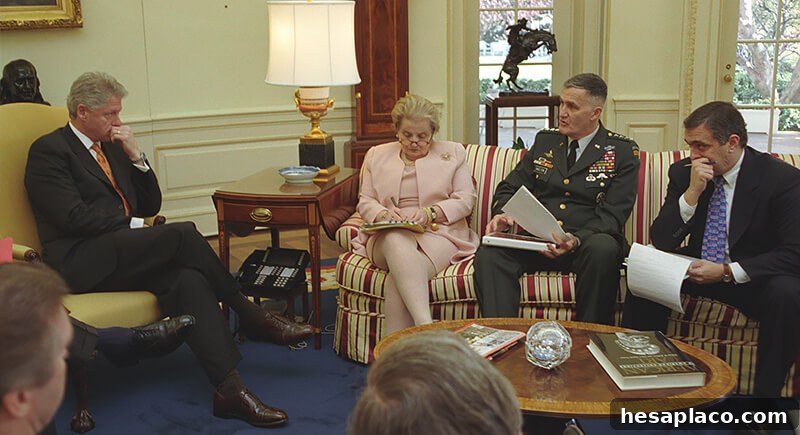
1995: Bill Clinton’s Five-Day Shutdown
Credit: Wikipedia
The first of two shutdowns during Bill Clinton’s administration began in November 1995 and lasted five days. House Republicans, led by Speaker Newt Gingrich, demanded deep cuts to entitlement and social programs; Clinton resisted significant Medicare and education reductions. Public opinion largely faulted Republicans for the stalemate.
1995-1996: The 21-Day Marathon
Credit: Wikipedia
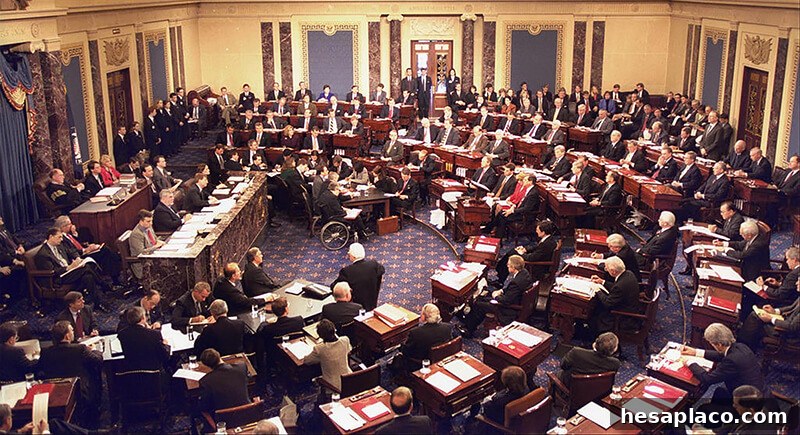
The second shutdown spanning December 1995 into January 1996 lasted 21 days—the longest at that time. It arose from clashes over budget-balancing proposals between President Clinton and the Republican-controlled Congress. The lengthy closure ended when Republicans, pressured by public opinion and economic concerns, accepted a settlement that included elements of Clinton’s budget plan.
2013: Barack Obama’s 17-Day Closure
Credit: Wikipedia
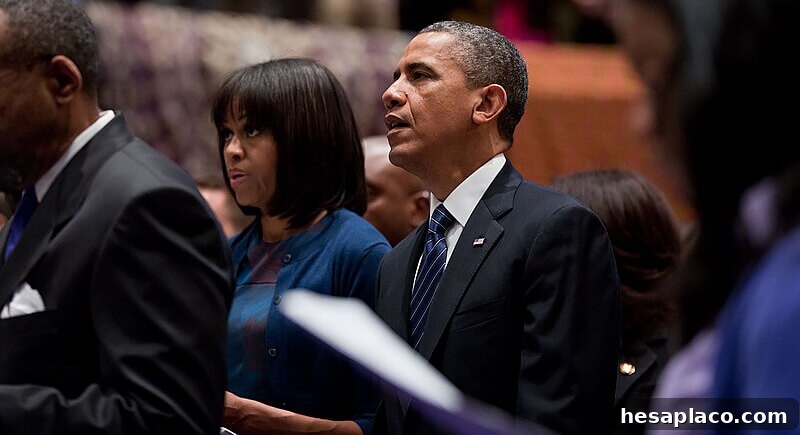
In 2013, a 17-day shutdown occurred when the Republican-led House refused to approve funding that included implementation of the Affordable Care Act. After bipartisan Senate negotiations, leaders reached an agreement to reopen government. Analysts later concluded the shutdown cost the economy billions in lost output and wages.
2018: Donald Trump’s Weekend Shutdown
Credit: Wikipedia
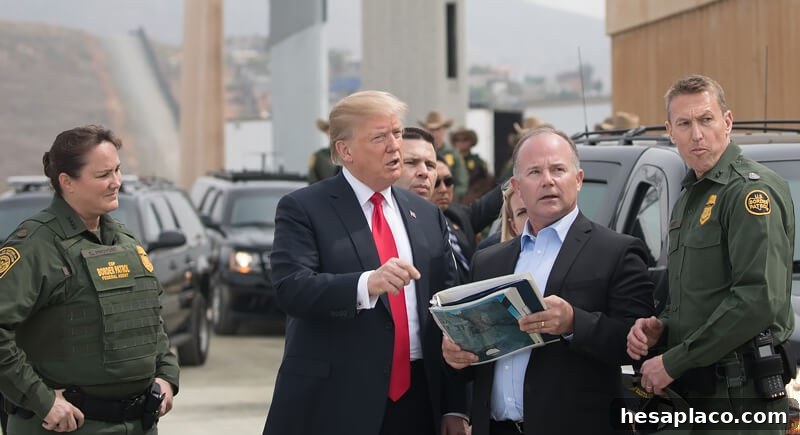
A brief three-day shutdown in January 2018 followed failed negotiations over DACA protections for undocumented immigrants brought to the U.S. as children. The missed deadline closed nonessential federal offices over a weekend until lawmakers approved a short-term continuing resolution that reopened operations.
2018-2019: The Record-Breaking 35 Days
Credit: Wikipedia
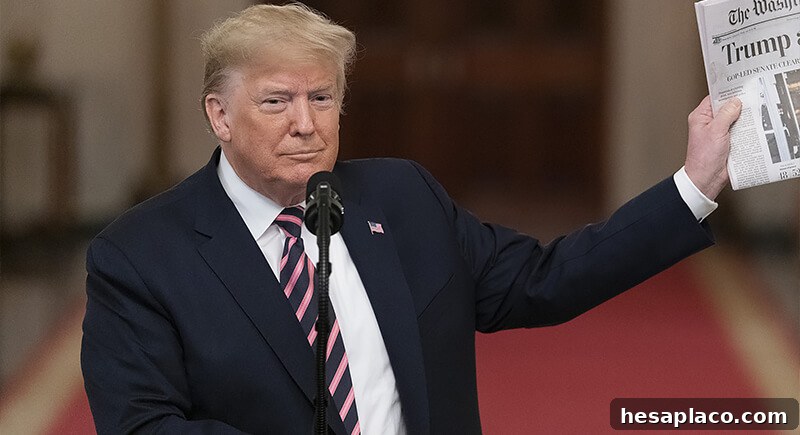
The longest U.S. government shutdown on record ran from December 22, 2018, to January 25, 2019—35 days. The impasse centered on President Donald Trump’s request for funding to build a border wall, which Democrats rejected. Hundreds of thousands of federal workers were furloughed or worked without pay, airport operations and some services experienced disruptions, and the episode inflicted an estimated multi-billion-dollar hit to the economy.
2025: Back to Square One
Credit: Wikipedia
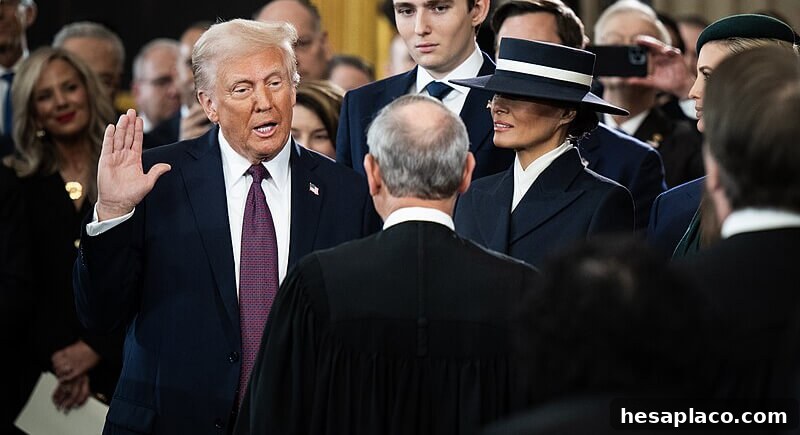
On October 1, 2025, the federal government entered its first shutdown since 2019 after lawmakers failed to pass a new appropriations bill. Approximately 800,000 federal employees were furloughed while another 700,000 continued working without immediate pay. Essential services such as Medicare and air traffic control remained operational, but many parks, research grants, and public programs were disrupted. The shutdown underscored how missed deadlines and political deadlock quickly translate into tangible impacts across the country.
Over the past five decades, government shutdowns have ranged from single-day interruptions to multi-week crises. Although the causes vary—from disagreements over defense and social spending to immigration and border security—the recurring theme is the same: partisan divides over budget priorities can force widespread disruption, affect federal employees, and impose measurable costs on the broader economy.