
For decades, personal finance advisors repeated a simple rule: never buy a new car. At the time, it made sense. New vehicles could lose as much as 20% of their value the moment they left the dealership, while used cars offered better value and plenty of usable life. Recently, though, that guidance has started to feel outdated. Surging used-car prices mean that buying new often makes more financial sense. In some markets, brand-new models can actually be thousands of dollars cheaper than the same model used.
Certified financial planner Tristan Blackwood captures the shift succinctly: the used-car market has entered a strange phase. Strong demand, limited supply, and the perceived reliability of certain brands have driven pre-owned prices sky-high. In some cases, you might pay $3,000 more for a used car with 50,000 miles than for a comparable brand-new example. The old math no longer holds.
“Old” Doesn’t Always Mean Better
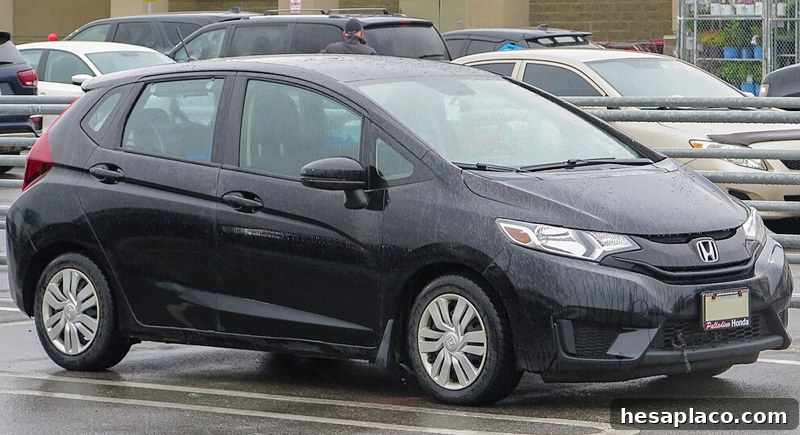
Image via Wikimedia Commons/Elise240SX
That said, many drivers remain unconvinced that new is always better. Some shoppers prefer cars that have already survived their first few years on the road. One blogger who leased a 2015 Honda Fit after years of buying used discovered firsthand that new vehicles can still cause headaches. His Fit experienced multiple recalls, electrical glitches, and lengthy waits at the service center. He also argued that dealers often earn more through repairs than through vehicle sales, creating an incentive for frequent warranty work.
Based on his experience, he recommends waiting until a model’s second or third year on the market—when manufacturers typically correct early issues. He identified his ideal used purchase as a five-year-old car with roughly 50,000 to 70,000 miles: by then the first owner has absorbed the steepest depreciation and major maintenance milestones. Still, with used prices elevated, that five-year sweet spot may not be the bargain it once was.
Drivers Are Holding On Longer
Image via Canva/Fahroni
According to S&P Global Mobility, the average age of cars on U.S. roads is now 12.6 years, with passenger cars averaging about 14 years. New vehicles are expensive—the average sticker price is roughly $47,000—and insurance costs have risen sharply across many markets. These factors help explain why owners are keeping cars longer.
There’s another factor driving the trend: many buyers don’t like the direction new-car design has taken. Increasingly, physical buttons are being replaced by touchscreens, basic controls have been buried in complex menus, and vehicles resemble rolling computers. Some owners worry that connected systems could expose personal data. Longtime drivers often prefer the tactile, straightforward controls of older cars and engines they understand. They’re tired of automated systems that intrude on the driving experience or cars that constantly beep at minor mistakes. As one owner put it, modern cars are reliable tools but often lack emotional appeal.
The New Rules for Buying
So is the old “never buy new” rule dead? Partially. In today’s market, new cars can be the better economic choice—offering modern reliability, improved fuel economy, and fewer unexpected issues. The important caveat is to be strategic. Avoid buying a vehicle in its first year after a major redesign; give manufacturers time to work out initial problems. Always compare prices carefully, because a new model can sometimes cost less than its used counterpart. And regardless of whether you choose new or used, remember that fuel, insurance, and maintenance remain ongoing expenses.
Ultimately, the best rule now is to choose the car that makes the most financial and practical sense for your situation, rather than following blanket advice that no longer fits current market realities.