
Finding a true bargain in today’s housing market takes more than luck and perfect timing. Some properties sit overlooked or quietly reduced in price, while others have minor flaws that deter buyers but are inexpensive to fix. Sellers who face pressure—whether from time constraints, relocation, or financing needs—may be willing to accept lower offers or provide incentives. Learning to spot these signals and focusing your search strategically will help you uncover homes priced below their true market value.
Below are expert-backed strategies to help you find better deals without sacrificing the features that matter most.
Start Your Search Before Competition Builds

Credit: Getty Images
Shopping early—before listings attract a wave of interest—can make a measurable difference. Agents often find more negotiating room when a property hasn’t yet attracted multiple offers. Buyers who act quickly can avoid bidding wars and gain leverage, especially with fresh listings that haven’t built momentum.
Target Properties That Have Sat On The Market

Credit: Getty Images
Homes listed for more than 30 days often indicate a motivated seller. With each passing week, sellers may become more open to cutting price—sometimes by 5–10% or more. Monitoring stagnant listings gives you a pool of candidates where the seller may be ready to negotiate to avoid remaining unsold.
Focus On Homes Needing Only Cosmetic Work

Credit: pexels
Surface issues—outdated wallpaper, worn carpet, or mismatched cabinetry—can scare off many buyers, yet they’re often easy and inexpensive to remedy. If the home’s structure and mechanical systems are sound, a relatively small investment in cosmetic updates can significantly increase value and comfort while keeping the purchase price low.
Examine The Property’s Pricing History

Credit: Getty Images
A home that has been relisted or has had several price reductions is often a signal of overpricing or an anxious seller. Understanding a listing’s history gives you leverage during negotiations and helps you determine when a seller is more likely to accept less rather than risk another lengthy stay on the market.
Explore Housing Types With Less Demand

Credit: Canva
Not all property types attract the same buyer pool. Duplexes, condos, manufactured homes, or townhomes often see less competition than traditional single-family houses, which can translate into lower prices. If you’re flexible about property type, you may find better value—and in some cases, opportunities for rental income.
Consider Homes With Unpopular Features
Credit: Canva
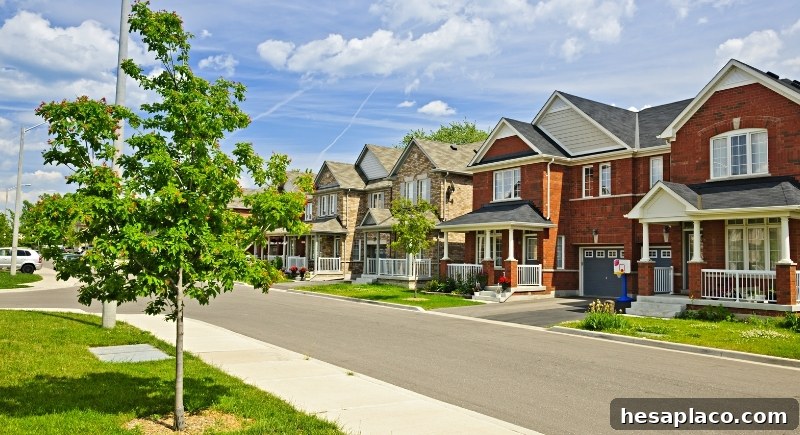
Some features—like homes on busy streets, odd floor plans, or unconventional lot shapes—put many buyers off. Those properties may remain on the market longer, giving you negotiating power. If you can tolerate a less-than-ideal view or unusual layout, you might secure a better neighborhood or larger property within your budget.
Track Contingent Deals That May Collapse

Credit: Getty Images
Listings listed as “contingent” can be overlooked—even though many contingent deals fall apart due to financing, inspections, or appraisal issues. Staying alert and ready with a backup offer puts you in a strong position to act quickly if the property returns to market, often facing less competition the second time around.
Leverage Inspection Results For Concessions

Credit: Getty Images
Home inspections often reveal issues that can be used to negotiate a lower price or secure credits at closing. Significant repairs—like roof issues, aging HVAC systems, or electrical concerns—can justify asking the seller to lower the price or contribute funds for repairs, which is frequently preferable to sellers than restarting the sale process.
Work With An Agent Who Knows The Micro-Market

Credit: Canva
Neighborhoods differ block by block. A knowledgeable local agent understands seller tendencies, off-market or pocket listings, and homes likely to drop in price. That insight can position you to make an early, competitive offer before broader interest spikes.
Use Future Development Plans In Negotiations

Credit: pexels
Sellers sometimes price homes based on expected future development, such as new transit lines or retail centers. Always verify the actual timeline and status of those projects—many take years or never materialize. Using verified development timelines as part of your negotiation can help counter speculative price increases.
Negotiate Beyond Just The Purchase Price

Credit: Canva
Value extends beyond the sale price. Requesting seller contributions to closing costs, including appliances or furniture, or negotiating flexible move-in dates can be meaningful wins. Sellers who need a quick or coordinated move may prioritize these concessions over a few thousand dollars on the contract price.
Look For End-Of-Quarter Or Year Developer Incentives

Credit: iStockphoto
Builders and developers often offer discounts or upgrades as they approach sales goals or the end of a quarter. Monitoring these cycles in new-construction communities can yield reduced prices, upgraded finishes, or waived fees—especially helpful when a development nears completion.
Maintain A Low Profile During Negotiations

Credit: iStockphoto
Showing too much enthusiasm can weaken your negotiating position. Staying measured during showings and in communications signals that you have other options. Sellers who believe you’re not fully committed are more likely to consider concessions to close the deal.
Be Ready To Walk Away If Terms Don’t Fit

Credit: Canva
Sometimes the strongest negotiating stance is the willingness to walk away. Know your budget limits and deal-breakers before you make an offer to prevent emotion from pushing you past your limits. Walking away calmly can also prompt sellers to reconsider if they didn’t expect you to hold firm.
Use Government-Backed Programs To Stretch Your Budget

Credit: Getty Images
Government-backed programs—like VA loans, USDA financing, and local down-payment assistance—can increase affordability and expand your buying power. Lower down payments or subsidized interest rates paired with smart negotiation strategies can allow you to afford more without taking on excessive risk.
Applying these tactics—combined with patience, research, and a knowledgeable local agent—can help you identify undervalued homes and secure better terms. The right approach turns market noise into opportunity, allowing you to buy wisely even in competitive conditions.