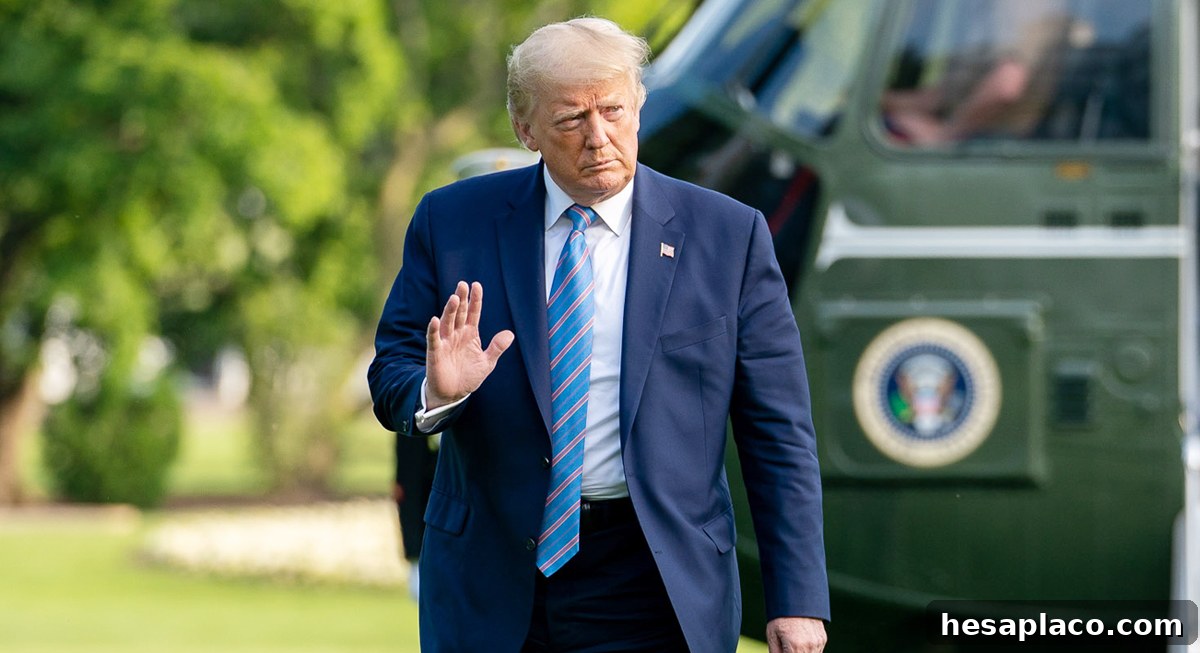
Donald Trump entered the White House as a billionaire, his wealth built on office towers, hotels, golf resorts, and a brand he had spent decades turning into a business empire. The presidency, however, exposed his finances to an unprecedented level of public scrutiny. Loans, property holdings, and business deals were examined in ways they never had been before. The rules and the risks changed.
Over the following years—both during and after his term—Trump’s financial picture shifted dramatically. Asset values, income streams, and visible debts transformed his personal balance sheet into an ongoing story of power, politics, and profit.
The First Term Hit
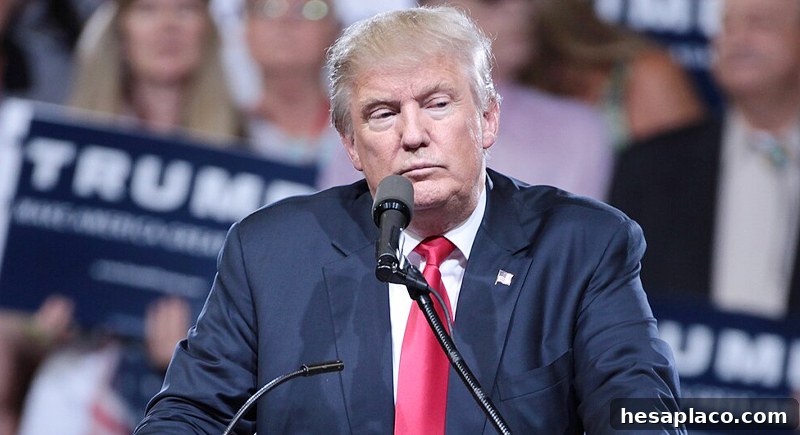
Image via Wikimedia Commons/Gage Skidmore
When Trump assumed office in January 2017, Forbes estimated his net worth at about $3.5 billion. By the time he left in January 2021, Bloomberg put his net worth near $2.3 billion. That roughly $1.2 billion decline reflected heavy losses across sectors tied to travel, hospitality, and commercial real estate—many of which were hit hard by the COVID-19 pandemic.
Remote work depressed demand for office space, tourism and hotel revenue collapsed, and lenders grew wary after the January 6 Capitol riot. Institutions such as Deutsche Bank moved to distance themselves from the Trump Organization, reducing options for refinancing and liquidity. Properties that had once supported the Trump brand increasingly became liabilities rather than reliable income sources.
Despite frequent claims that his Washington hotel was highly profitable, financial records later showed it posted annual losses under his ownership. Golf courses, often portrayed as pandemic-era winners, failed to offset mounting shortfalls: some longtime money-losing properties—like his Scottish courses—continued to bleed cash, and PGA of America decisions, such as pulling a championship from his Bedminster course after January 6, further dented revenues.
The Post-White House Rebound
After leaving office, Trump mounted a financial comeback driven largely by new ventures and a surge in speculative market interest. He launched the Trump Media & Technology Group, the company behind Truth Social, which went public via a Nasdaq listing in March 2024. That listing, amid strong market enthusiasm, temporarily valued the company in the billions and contributed to estimates that pushed Trump’s personal net worth higher—Forbes and other trackers reported figures that reached into the mid-single-digit billions by late 2025.
Speculative digital assets and crypto-related ventures played a major role. World Liberty Financial, a cryptocurrency initiative founded with his sons, sold tokens that reportedly raised around $1.4 billion, with a substantial portion routed into a Trump family vehicle. A meme coin tied to Trump was credited with adding hundreds of millions in paper value. Trump Media also pivoted into crypto holdings, acquiring large amounts of Bitcoin with proceeds from stock transactions. These moves—token sales, stablecoins, licensing arrangements in markets such as Saudi Arabia and Vietnam, and other speculative investments—created a significant pool of liquid assets, though many of these valuations remained volatile and largely unrealized.
Beyond the Balance Sheet

Image via Getty Images/utah778
The financial swings reflect two concurrent narratives: the presidency cost Trump hundreds of millions in lost asset value and revenue, but his post-presidential activities have generated substantial cash and paper gains. In 2024, estimates indicated sharp increases in licensing and management income, while some golf properties reported rising profits. Legal wins—such as the reduction or reversal of major penalties—also improved headline net worth figures.
What stands out is how closely many of these gains are tied to political influence. Demand for access and association with the Trump name has proven lucrative: membership fees at Mar-a-Lago, for example, reportedly rose dramatically over the last decade, reflecting a premium placed on proximity to political power. Investors and partners interested in political connections have shown readiness to engage with Trump-branded tokens, licensing deals, and other business arrangements.
In short, Trump’s financial trajectory since entering the White House shows both the costs of governing under intense scrutiny and the commercial advantages that can come from remaining a polarizing, high-profile political figure. Asset values and revenue streams shifted dramatically in response to global events, public perceptions, and legal outcomes, while the post-presidential era introduced new, high-volatility sources of wealth tied to media, crypto, and the enduring marketability of his name.