Frugality isn’t always about clipping coupons or using budgeting apps. Often, the smallest habits lead to the biggest savings. People stretch leftovers into meals, repurpose items others throw away, and find new uses for everyday things. These unconventional hacks may sound odd, but they proved useful enough that many still rely on them today.
Pickle Brine as a Zero-Waste Marinade

Credit: pexels
That jar of sour, salty liquid doesn’t need to be poured out. Pickle brine can turn plain chicken into juicy, flavorful meat if used as an overnight soak. A splash brightens salad dressings or adds tang to boiled eggs. It’s an easy way to boost flavor without spending extra money.
Price Purchases in Hours, Not Dollars

Credit: Getty Images
That $60 meal is more than a receipt line—it represents hours worked. Converting price tags into time spent earning them helps curb impulse purchases. When a new shirt or dinner equates to several hours of your life, it becomes easier to decide whether it’s worth it.
Make “Perpetual” Bar Soap
Credit: iStockphoto
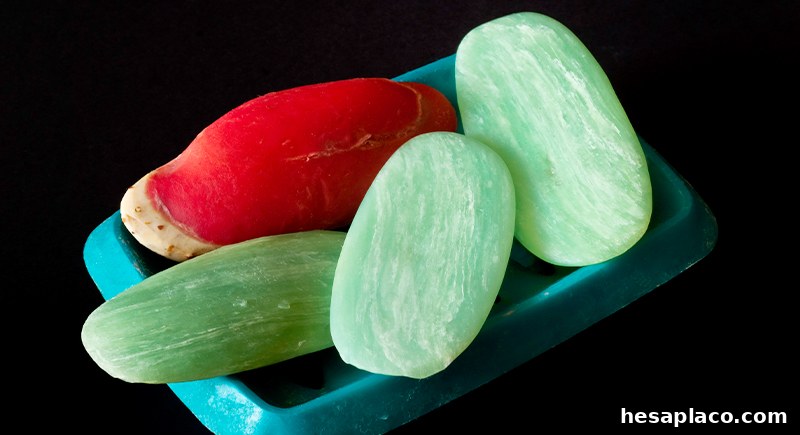
Soap slivers rarely survive long on their own. Some households save every scrap and press them onto a fresh bar, creating a long-lasting soap that avoids waste. The savings are small but satisfying—turning what would be trash into usable product extends value and reduces purchases.
One Greek Yogurt Tub, Many Uses
Credit: Getty Images
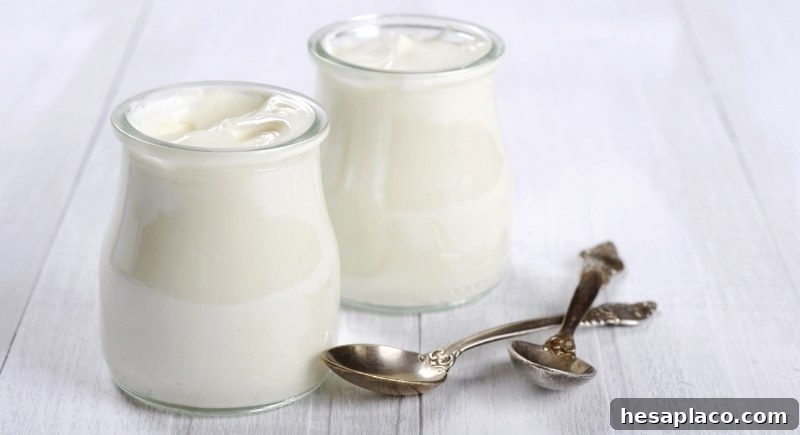
Instead of buying sour cream, cream cheese, and several dressings, one tub of plain Greek yogurt can do it all. Use it in dressings, on tacos, blended into smoothies, or incorporated into baked goods. Fewer products in the fridge means less waste and a lower grocery bill.
DIY Dog Pill “Pockets”
Credit: Getty Images
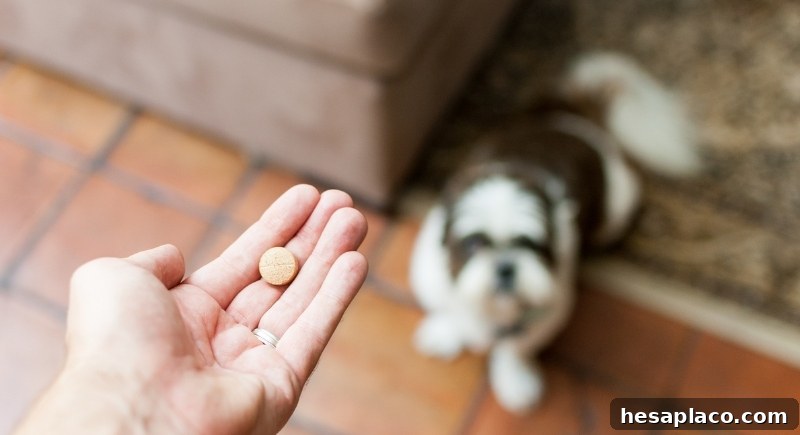
Getting a pet to take medication can be challenging. Instead of buying costly pill treats, one owner mixed peanut butter, yogurt, and flour into a soft paste. Rolled into small balls, the mixture hides pills, freezes well for future use, and is inexpensive to make—plus the dog never seemed to notice.
Create New Candles From Old Ends
Credit: Canva
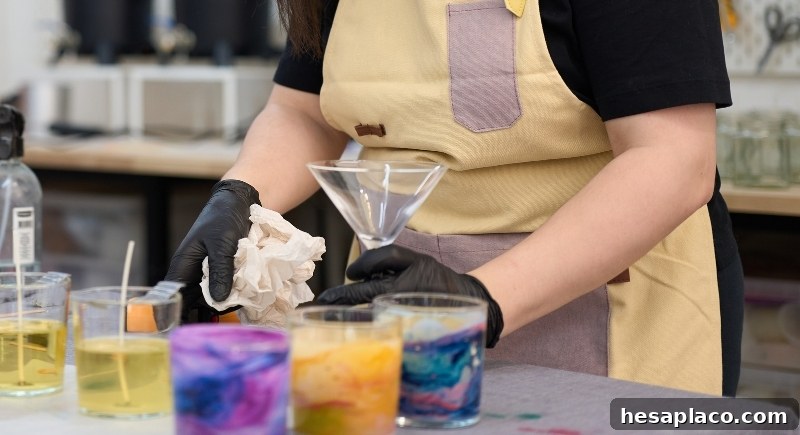
Don’t throw away half-burned candles or wax stubs. Save the remnants, melt them together, and pour the mixture into jars with new wicks to create fresh candles. For an even simpler option, place jars on a mug warmer to enjoy the scent without extra work. It’s a budget-friendly way to extend the life of scented products.
Bidet Attachment for Lower Toilet Paper Costs
Credit: Getty Images
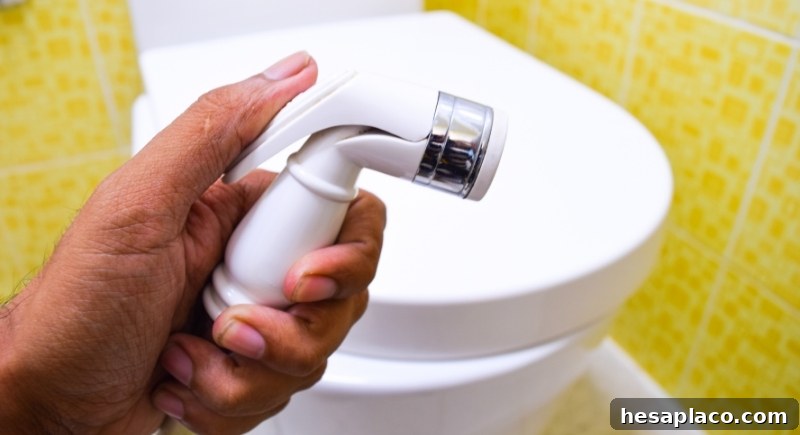
A basic bidet attachment can drastically reduce the need for toilet paper. While guests might be hesitant at first, many who try it prefer it and ask where to get one. It keeps things cleaner and cuts household costs over time.
Pantry-Purge Weeks
Credit: Getty Images
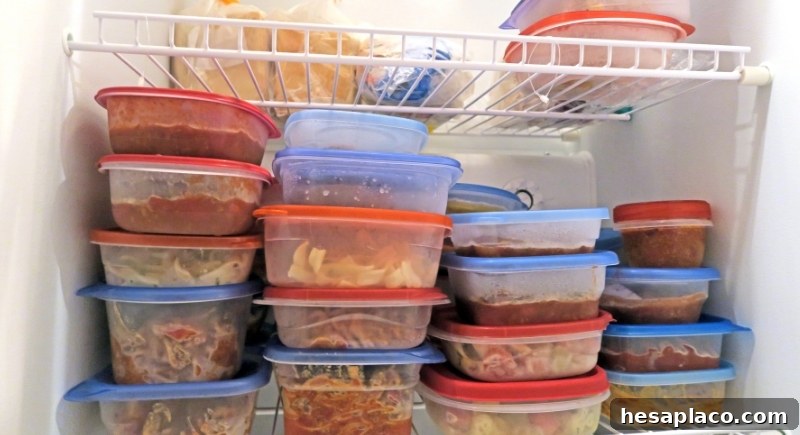
When money was tight, one family stopped grocery shopping for a week and cooked only from what they already had. Forgotten lentils, canned goods, and freezer leftovers became surprisingly creative meals. What started as necessity ended with cleared shelves and a reduced food bill for the following months.
Save Bones to Make Broth
Credit: Getty Images
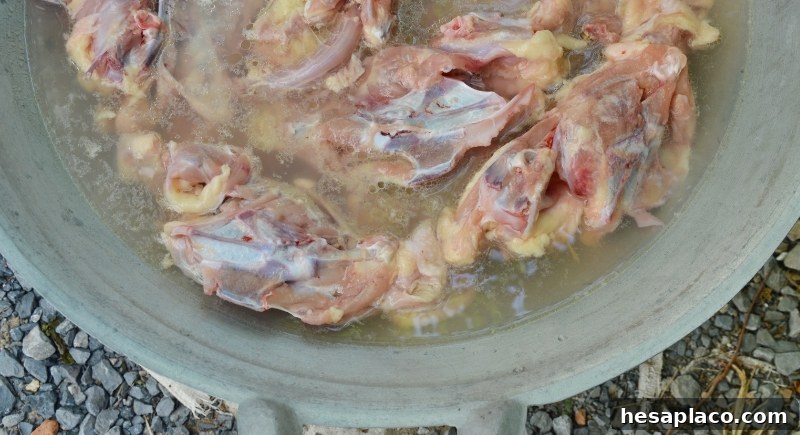
Chicken bones don’t need to be thrown away. Simmer them in a pot to make rich, flavorful broth that outperforms store-bought cartons. Buying bone-in cuts is often cheaper, and using the scraps for stock stretches your grocery dollars further while supplying a homemade base for soups and stews.
Buy Games Only When You’ll Play Them

Credit: pexels
Steam sales and discount stores make it tempting to buy more than you’ll play. One gamer stopped the habit by not purchasing until they were ready to play immediately. That rule turned impulse buys into thoughtful purchases that delivered instant enjoyment instead of guilt.
Envelope-Only Spending

Credit: iStockphoto
Some families ditch digital budgeting and use a simple envelope system filled with cash for daily expenses. Physically watching the money decrease makes spending feel more real than an app notification, helping reduce impulse purchases and keep a tighter rein on day-to-day costs.
Make Pet Toys from Scraps
Credit: Getty Images
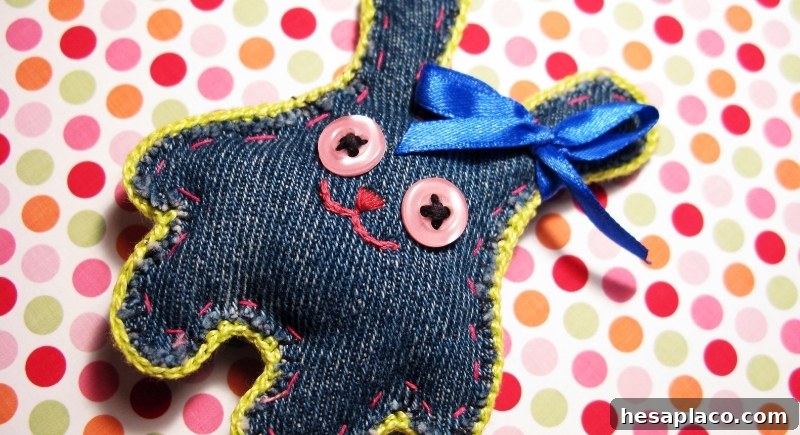
Old jeans, tangled yarn, and masking tape balls can entertain pets for hours. A simple cardboard box filled with crumpled paper keeps many animals engaged for weeks. Pets don’t care whether their toys are store-bought or homemade—one household swapped purchased toys for scrap creations and never looked back.
Grow Herbs from Kitchen Scraps
Credit: Getty Images
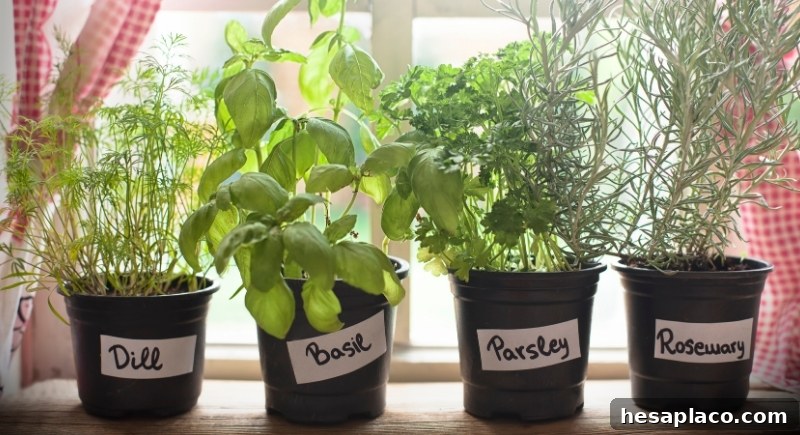
Give herb stems a second life by rooting them in water. Place green onion bottoms, basil stalks, or mint sprigs in a glass of water on a sunny windowsill and watch roots form. Snip what you need as they grow or pot them for a continuous, low-cost supply of fresh herbs.
Use Store-Brand Spices
Credit: Canva
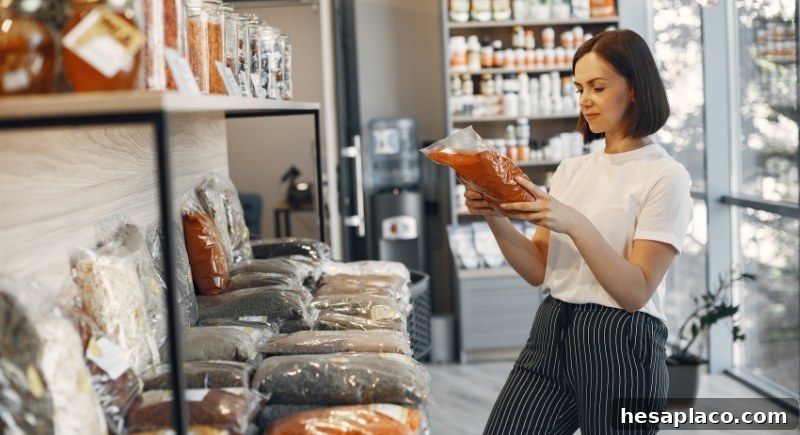
Pre-mixed seasoning packets can come with big markups. One thrifty cook switched to store-brand staples like garlic powder, paprika, and lemon pepper. A few basic spices transformed simple vegetables and proteins into flavorful meals without relying on expensive, mysterious blends.
Freezer Meal Swaps with Friends
Credit: iStockphoto
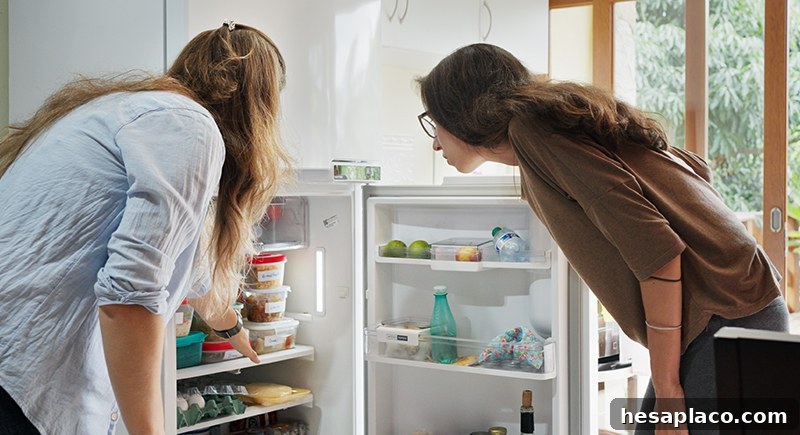
A group of friends started batch-cooking different dishes, freezing portions, and trading them. The result: a fridge and freezer full of variety without anyone spending more on groceries. Swapping meals like this reduces waste and keeps dinner interesting with minimal extra cost.