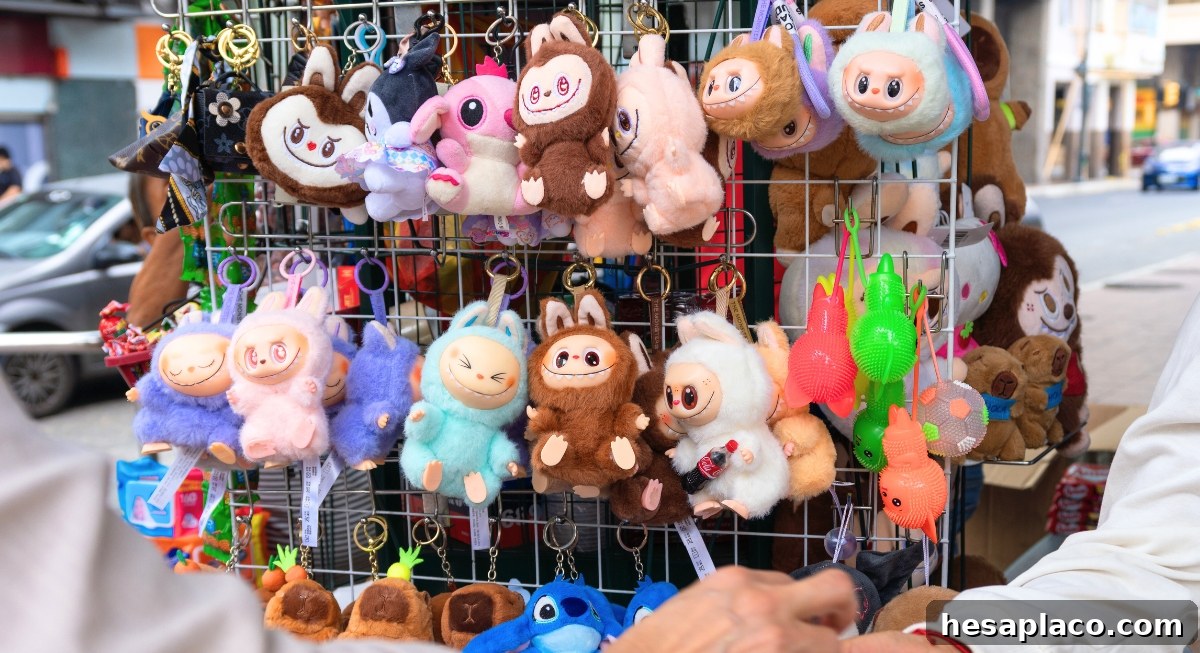
Labubu dolls have exploded into a rarefied craze in the toy world: collectors wait in hour‑long lines, compete at auctions, and spot the character dangling from luxury handbags carried by international celebrities.
While retail prices are modest, resale values can climb into the thousands, and Pop Mart has elevated the spiky‑toothed figure into one of its best‑selling franchises. Behind the viral unboxing videos and bidding wars, however, is a deeper story about scarcity, belonging, and the ways people seek small pleasures amid widespread uncertainty.
From Storybook Character to Pop Mart Phenomenon
Labubu originated in 2015 from the imagination of Hong Kong artist Kasing Lung, introduced through a trilogy of picture books inspired by Nordic myth. In 2019 Pop Mart adapted the character into a vinyl collectible as part of its “The Monsters” series. Its fuzzy coat, long ears and toothy grin were distinctive enough to stand out in an already crowded market.
The craze accelerated in 2024 when BLACKPINK’s Lisa popularized the doll as a personal accessory. Photos of Labubu charms hanging from designer handbags spread across social feeds, transforming the figure from an unusual toy into a fashion statement. Other stars followed, and the trend continued into 2025.
A Marketplace Driven by Scarcity

Image via Wikimedia Commons/中国新闻社
Although typical retail prices for Labubu pendants range from $20 to $30, scarcity reshaped the market dynamics. Pop Mart stores frequently saw lines forming before opening, and in some locations, including the UK, sales were temporarily suspended to prevent chaotic crowds. In the United States, incidents of theft involving tens of thousands of dollars’ worth of dolls underscored how intense demand had become.
Auctions and resale platforms amplified the phenomenon. Limited editions have fetched prices above $10,000, and high‑profile collaborations with fashion and music partners have reached over $30,000. A parallel secondary market for counterfeits—sometimes called Lafufus—also emerged. Authorities in several countries issued warnings after confiscating knockoffs that posed safety concerns.
The Psychology Behind the Obsession
Experts point to scarcity and social signaling as central drivers of the craze. Ownership of scarce items communicates status, and Labubu’s deliberately “ugly‑cute” aesthetic challenges conventional tastes, turning the doll into a marker of discerning—or playful—taste. Pop Mart’s blind‑box format adds another element: collectors chase hidden variants and rare editions, treating each purchase as a small gamble.
Therapists note a different appeal: Labubu offers a respite from the pressure to make every purchase practical or justifiable. The dolls don’t solve problems or perform functions; they exist purely for enjoyment. That simple, unproductive pleasure can feel liberating in an era when many aspects of life are measured by efficiency and output.
A Community Formed Around a Toy
The phenomenon is visible across social platforms. On TikTok and Instagram, fans upload unboxing videos, trade tips for finding rare releases, and celebrate strangers who reveal coveted variants. Those rituals have created a shared language of delight during a culturally heavy moment: the dolls give people a reason to gather, swap stories and take part in small, joyful rituals.
Beyond the economics and aesthetics, Labubu’s rise highlights how collectibles can foster connection. Whether chasing a rare figure, decorating a handbag, or joining an online community, collectors find meaning in the pursuit and in the social bonds it produces—proof that in uncertain times, people often turn to playful, communal experiences to reclaim a sense of pleasure and belonging.