
College is no longer the automatic next step after high school. Rising tuition, growing student debt, and stagnant wages have pushed many young people to explore trade schools and skilled apprenticeships instead. These alternative career paths focus on hands-on training, often lead to stable, well-paying jobs, and in some cases can reach six-figure salaries without a bachelor’s degree.
Elevator Technicians
Credit: Wikimedia Commons
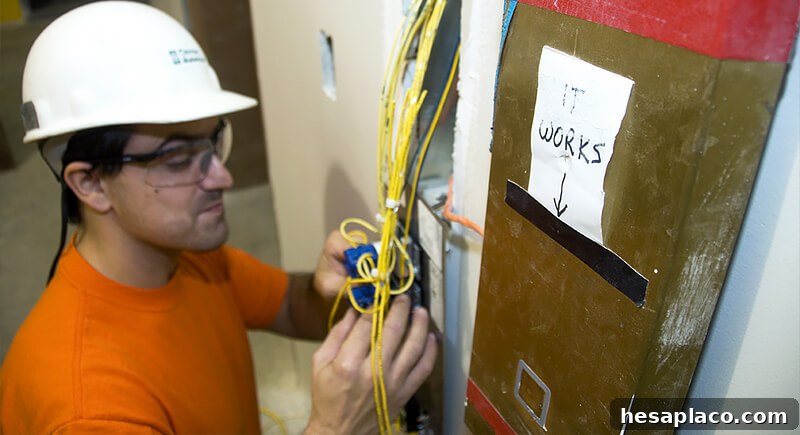
Elevator technicians are responsible for installing, maintaining, and repairing elevators, escalators, and airport moving walkways. Their work keeps people moving safely between floors and prevents costly service interruptions. Many technicians complete multi-year apprenticeships and must obtain state licenses; experienced professionals often earn more than $100,000 annually.
Power Plant Operators
Credit: Wikimedia Commons
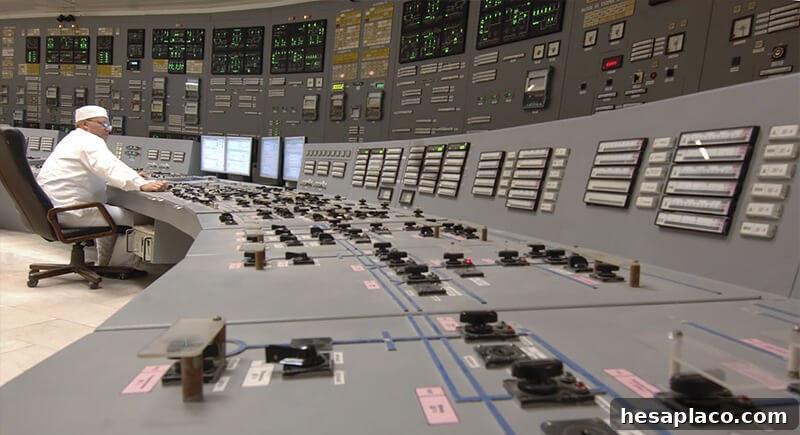
Power plant operators manage the systems that generate electricity, monitor gauges, maintain equipment, and ensure safe operations. The role demands extensive on-the-job training and, for those in nuclear facilities, federal licensing. Median pay hovers around six figures for experienced operators.
Electrical Power-Line Installers and Repairers
Credit: Wikimedia Commons
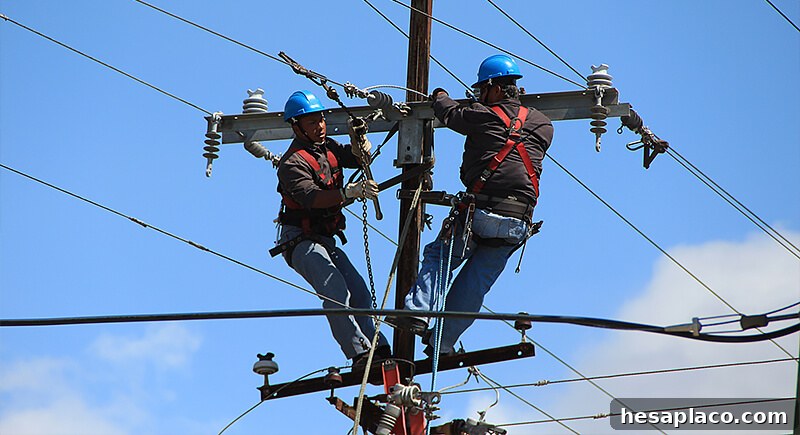
Lineworkers install and repair high-voltage power lines, often working at height and in challenging weather conditions. These jobs pay well—commonly in the mid-to-high five figures—and require physical stamina, technical training, and apprenticeships that combine classroom instruction with hands-on fieldwork.
Aircraft Mechanics and Technicians
Credit: Wikimedia Commons
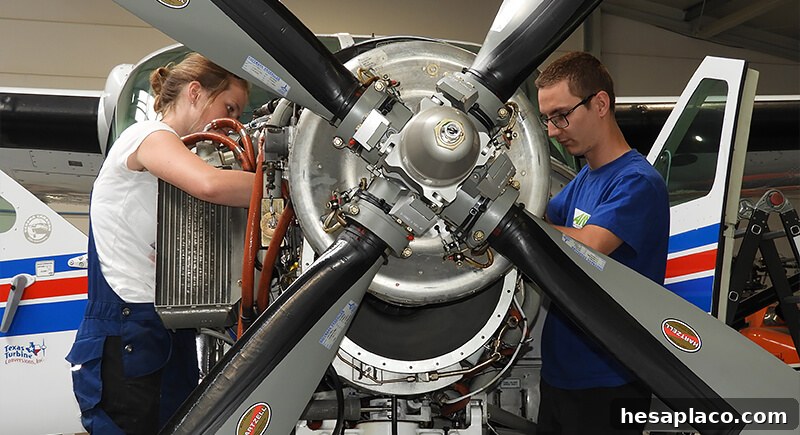
Aircraft mechanics inspect and repair engines, hydraulics, and electrical systems to keep planes safe and airworthy. Most technicians train at FAA-approved schools and obtain certification before joining a workforce of more than 160,000 professionals. Median annual earnings are strong, making this an attractive, debt-free path into aviation maintenance.
Railroad Workers
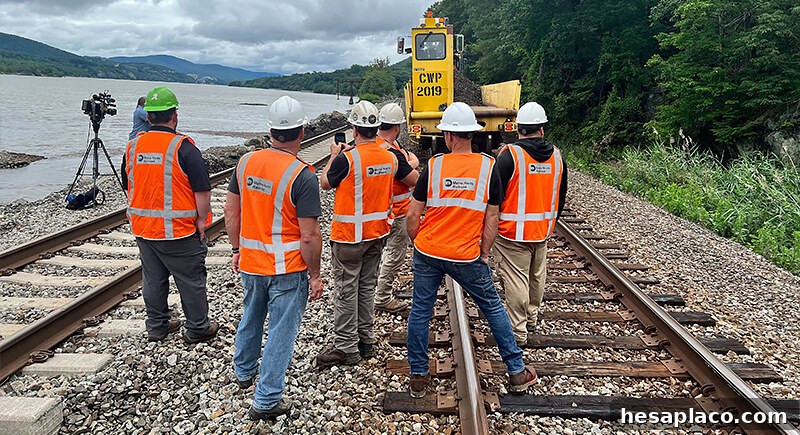
Credit: Wikimedia Commons
Train conductors, engineers, and other railroad workers can earn competitive pay without a college degree. Many roles begin with a high school diploma and several months of paid, hands-on employer training. Positions often involve travel and nontraditional schedules but offer steady wages and career advancement opportunities.
Boilermakers

Credit: Wikimedia Commons
Boilermakers build and repair large boilers and pressure vessels used in industrial settings. The work can be physically demanding and often takes place in confined or remote locations. Training usually involves a four-year apprenticeship that mixes technical instruction with paid work, and pay can be substantial once experienced.
Construction and Building Inspectors
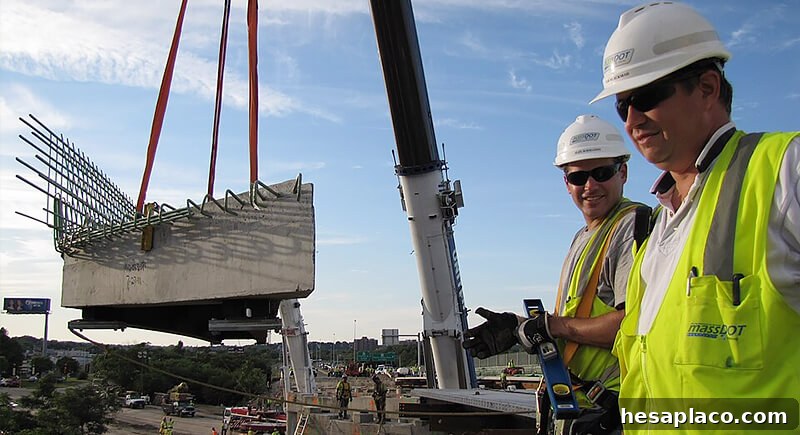
Credit: Wikimedia Commons
Inspectors serve as the bridge between design and completion, examining plans, visiting sites, and testing systems to confirm code compliance. Many inspectors move into the role after gaining years of trade experience, and their median pay reflects the responsibility of ensuring public safety in the built environment.
Stationary Engineers
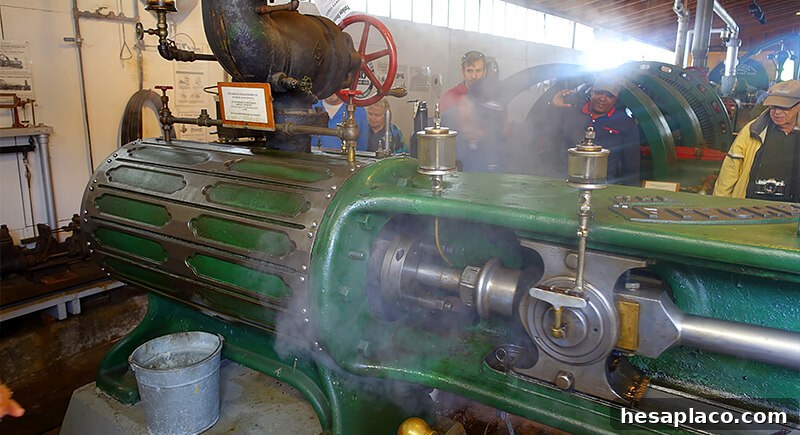
Credit: Wikimedia Commons
Stationary engineers operate and maintain large-scale heating, ventilation, and air conditioning systems found in hospitals, office towers, and industrial facilities. These roles are essential to daily operations and provide solid pay without requiring a four-year degree, appealing to those who want practical, dependable work.
Electrical and Electronics Repairers

Credit: pexels
For people who prefer technical work away from public-facing roles, electrical and electronics repairers offer a strong option. These specialists maintain industrial systems, troubleshoot complex equipment, and often make mid-to-high five-figure salaries. The work suits tech-savvy individuals who value focused, skill-based careers.
Gas Plant Operators
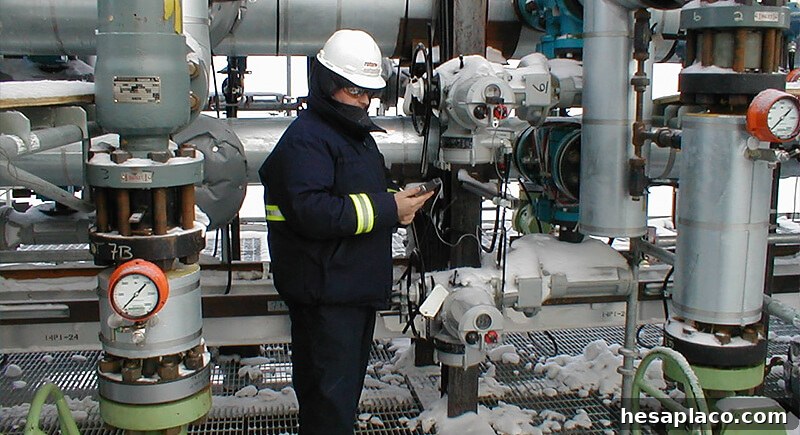
Credit: Wikimedia Commons
Gas plant operators control and monitor natural gas processing and distribution systems. Much of the training is on the job, enabling workers to start earning relatively quickly without college debt. These positions emphasize process control and safety, and experienced operators can earn competitive salaries.
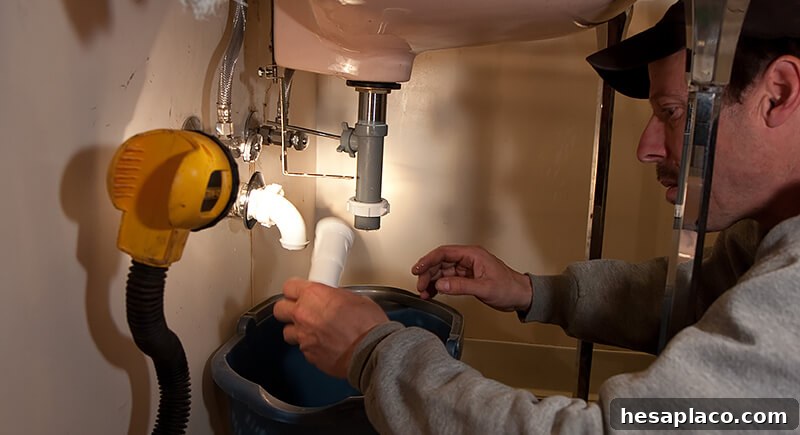
Plumbers
Credit: Wikimedia Commons
Plumbers install and repair water and gas lines, fix leaks, and install fixtures from sinks to heaters. The trade remains in steady demand across residential and commercial sectors. Most plumbers learn through apprenticeships and state licensing, and median pay is solid, reflecting the essential nature of their work.
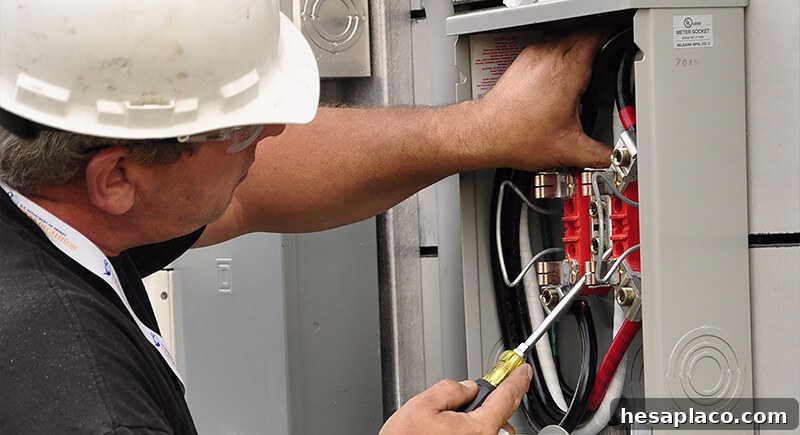
Electricians
Credit: Wikimedia Commons
Electricians install, maintain, and repair electrical systems in homes, businesses, and renewable-energy setups like solar panels. As technology evolves, the demand for skilled electricians rises. Apprenticeships and on-the-job training provide a direct path to a well-paying, in-demand career without college tuition.
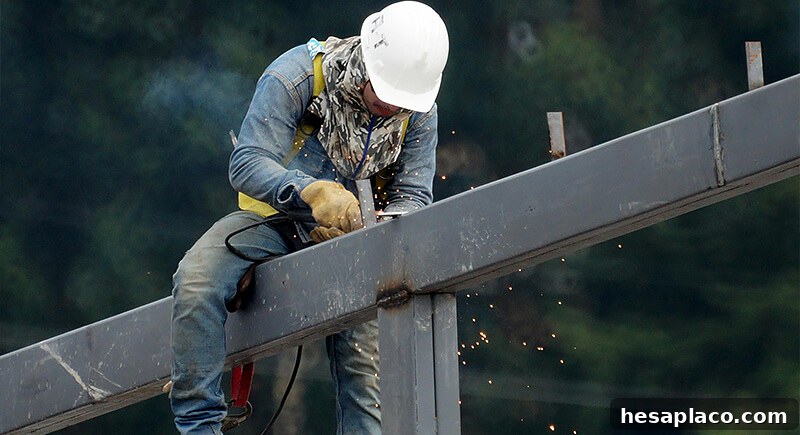
Ironworkers
Credit: pexels
Ironworkers construct the steel frameworks of skyscrapers, bridges, and stadiums. Union apprenticeships teach welding, rigging, and safety skills for working high above the ground. With clear training-to-job pathways and competitive pay, ironworking appeals to those who prefer tangible results and immediate career outcomes.
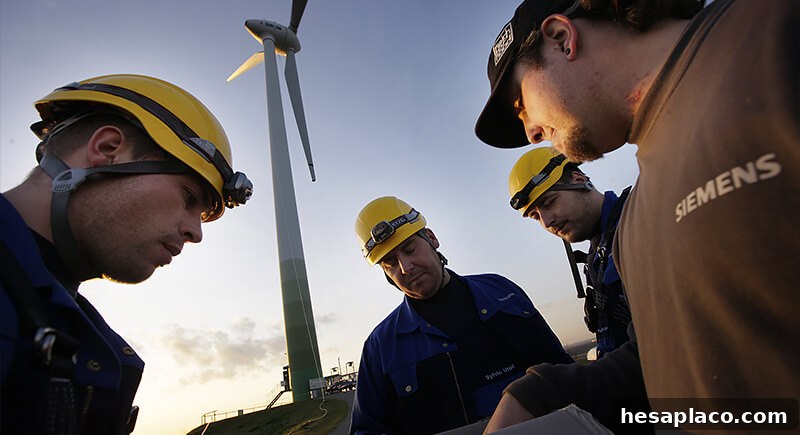
Wind Turbine Technicians
Credit: Wikimedia Commons
Wind turbine technicians install, maintain, and repair wind turbines, supporting a rapidly expanding renewable energy sector. Median pay is competitive, and demand for these technicians is projected to grow significantly over the coming decade. Most enter the field through technical programs followed by field training.
Aircraft and Avionics Equipment Technicians

Credit: iStockphoto
Avionics technicians specialize in the electronic systems that keep aircraft operating safely. FAA-approved training programs and certification are required, but the path is shorter and less costly than a four-year degree. The role is technical, in demand, and offers a route into aviation without significant student debt.
Across trades, apprenticeships and technical programs offer practical pathways to well-paying, stable careers. For many young people, these options deliver clear training-to-employment routes, less financial risk, and satisfying, hands-on work that keeps essential systems running every day.