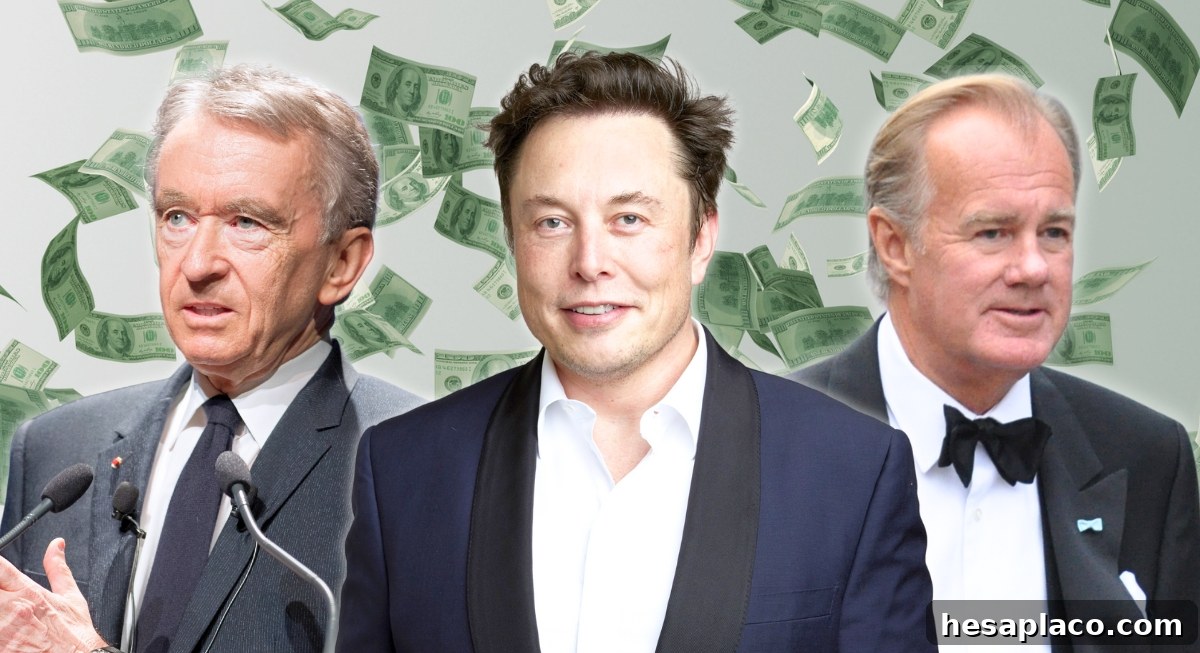
There are more than 3,000 billionaires worldwide, but a relatively small number of countries concentrate much of that wealth. Below is an updated, SEO-optimized overview of where the world’s billionaires live, what drives their fortunes, and how concentrated global billionaire wealth has become.
United States – 902 Billionaires
Credit: Getty Images
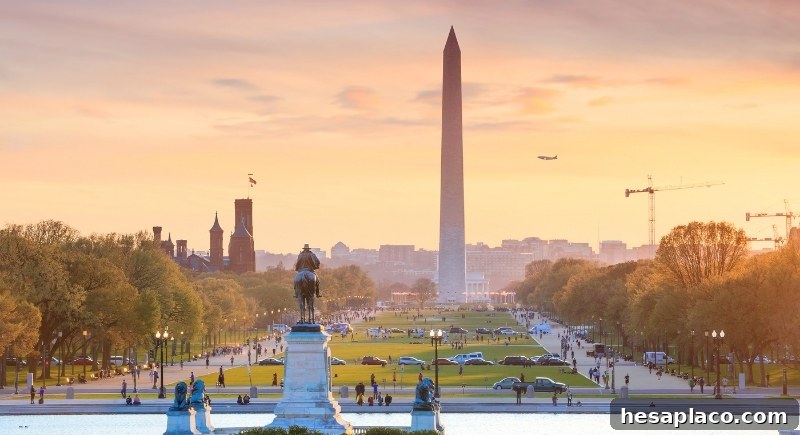
The United States leads by an overwhelming margin with 902 billionaires whose combined net worth is roughly $6.8 trillion. That represents more than 40% of global billionaire wealth concentrated in a single country. High-profile tech entrepreneurs and investors dominate the list, with Elon Musk estimated at about $342 billion and other top names including Jeff Bezos and Mark Zuckerberg. Finance, technology, media, and real estate consistently produce new billionaire wealth in the U.S., and many industries are represented among the nation’s richest individuals.
China – 450 Billionaires
Credit: Getty Images
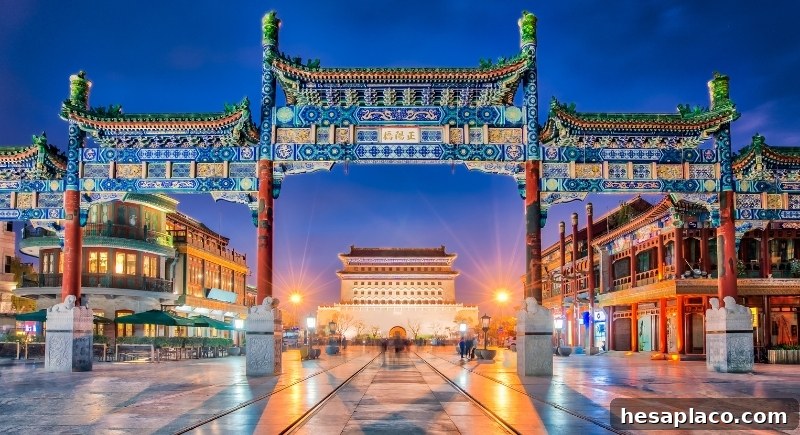
China remains home to a large number of billionaires—about 450 individuals with combined wealth near $1.7 trillion. The billionaire count recovered after a 2024 dip, helped by corporate moves such as share buybacks that boosted cofounders’ net worths. Big drivers include technology firms (including social media and internet platforms), property developers, and real estate holdings, with several entrepreneurs and founding executives seeing notable gains.
India – 205 Billionaires
Credit: Canva
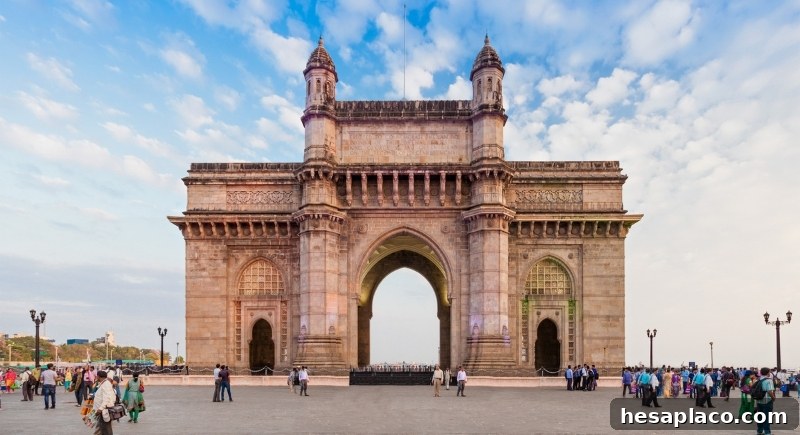
India ranks third with around 205 billionaires, totaling roughly $941 billion in combined net worth. While major figures such as Mukesh Ambani and Gautam Adani experienced significant valuation swings after share price declines, the country’s wealth base remains strong thanks to energy, infrastructure, manufacturing and a rapidly expanding digital and consumer tech sector. Family conglomerates and growing startups continue to add to the billionaire roster.
Germany – 171 Billionaires
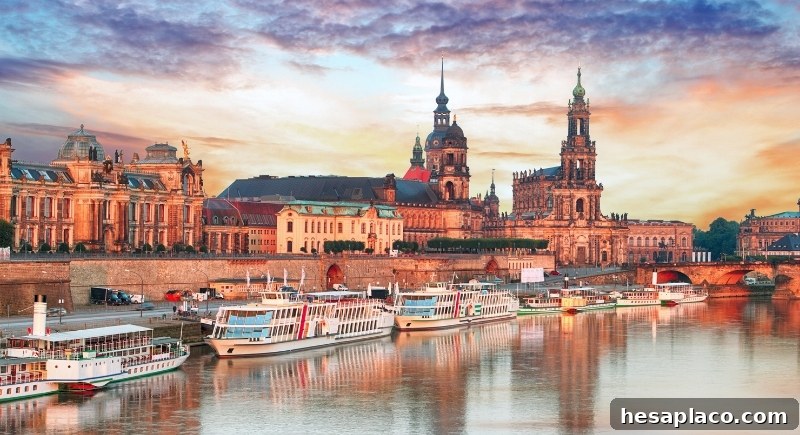
Credit: Getty Images
Germany’s 171 billionaires amass wealth across supermarkets, shipping, manufacturing and industrial supply chains. Dieter Schwarz, associated with the Lidl supermarket chain, is among the wealthiest Germans. Many of Germany’s billionaires are heirs or family owners of long-established enterprises, running expansive operations from regional hubs such as Hamburg and beyond, with substantial global export footprints.
Russia – 140 Billionaires
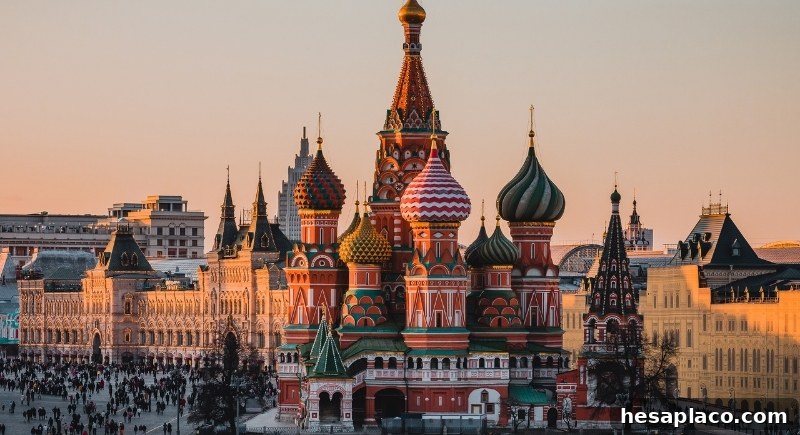
Credit: pexels
Russia still counts roughly 140 billionaires with a combined net worth near $580 billion. Wealth in Russia remains strongly tied to natural resources, energy, metals and mining. Vagit Alekperov, linked to Lukoil, has been a leading name. Despite sanctions and shifting international ties, these sectors continue to underwrite significant private fortunes.
Canada – 76 Billionaires
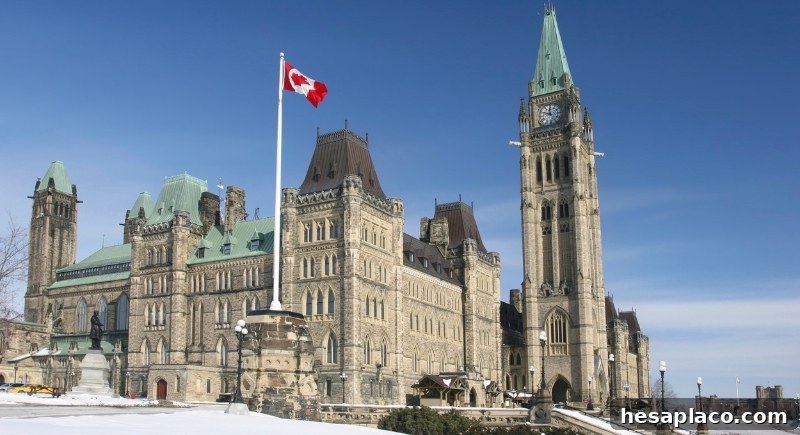
Credit: Getty Images
Canada now hosts about 76 billionaires with combined wealth of roughly $359 billion. Prominent names include Changpeng Zhao, the Binance founder and a Canadian citizen, and long-standing family fortunes like the Thomsons. Canadian billionaire wealth spans natural resources, tech, media and diversified investment holdings that help sustain their positions on global rankings.
Italy – 74 Billionaires
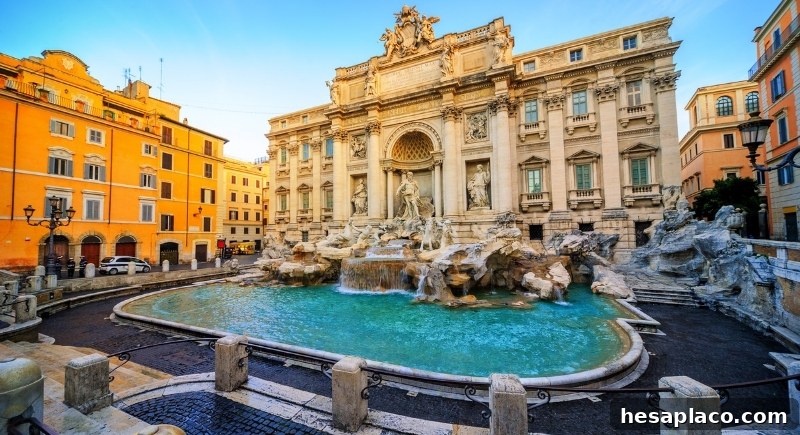
Credit: Getty Images
Italy counts about 74 billionaires, with fortunes tied closely to luxury goods, fashion, food manufacturing and niche industries. Giovanni Ferrero, known for Nutella and Kinder brands, is the country’s wealthiest individual. Italian billionaires often combine family-owned business legacies with global brand recognition in fashion, food, cosmetics and specialty manufacturing.
France – 72 Billionaires
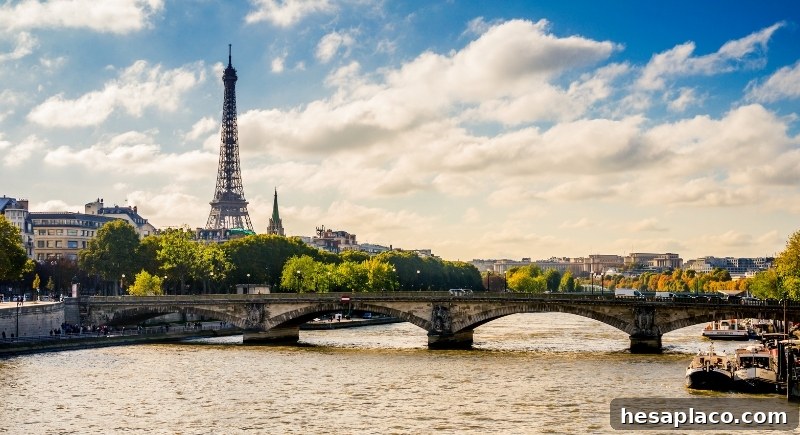
Credit: Getty Images
France is home to roughly 72 billionaires and some of the most influential figures in global luxury. Bernard Arnault, the head of LVMH, stands out among the wealthiest, and luxury fashion, cosmetics, wines and spirits are major sources of billionaire wealth. French fortunes are tightly linked to international brand empires and long-term family holdings in premium goods.
Hong Kong – 66 Billionaires
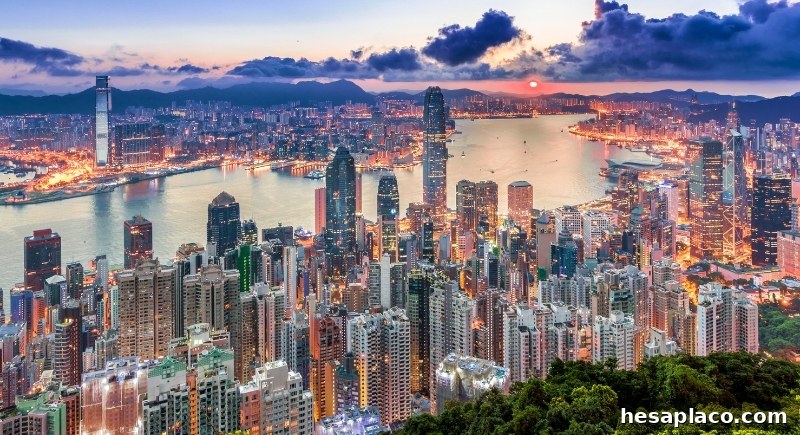
Credit: Getty Images
Hong Kong, despite its small geographic size, hosts around 66 billionaires whose combined wealth is substantial, with real estate, logistics, ports and telecommunications as core sectors. Many Hong Kong tycoons maintain extensive business ties across mainland China and Southeast Asia, making the city a persistent regional center for ultra-high-net-worth individuals and cross-border enterprise.
Brazil – 56 Billionaires
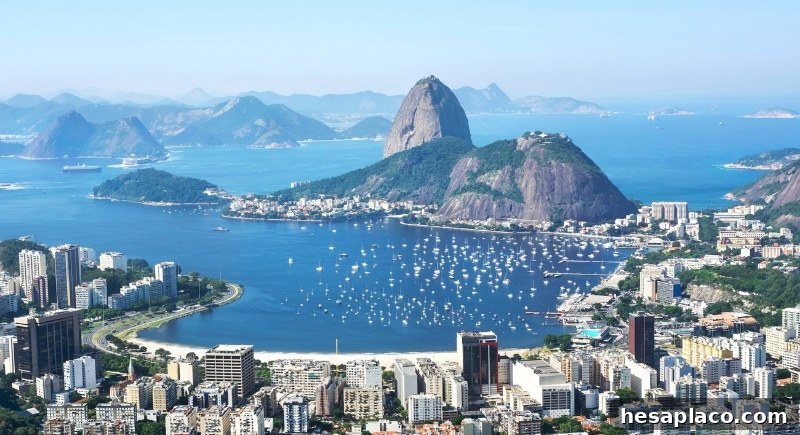
Credit: Getty Images
Brazil’s billionaire count sits near 56, with a combined value of about $212 billion. Economic factors like inflation and market volatility have trimmed some fortunes, yet family-run conglomerates, agricultural and natural resource firms, and investment portfolios sustain the country’s wealth base. Eduardo Saverin, a Facebook cofounder, is among the wealthiest Brazilian residents.
United Kingdom – 55 Billionaires
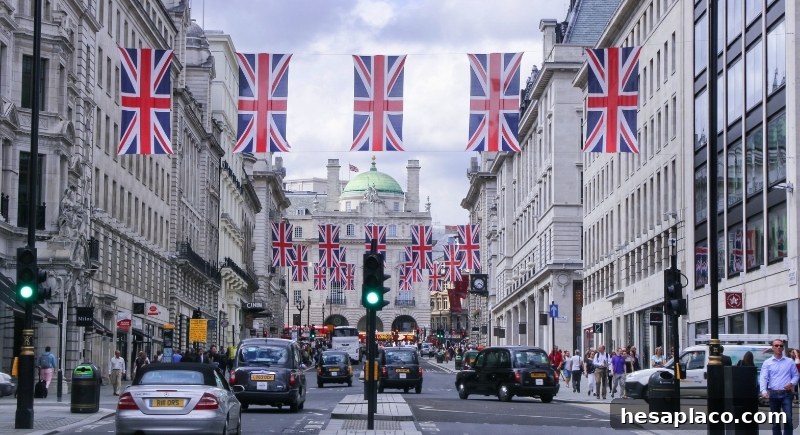
Credit: pexels
The United Kingdom holds roughly 55 billionaires and a combined wealth of about $238 billion. The number of billionaires remained steady, with hedge fund managers and finance figures like Michael Platt among the leading names. Post-Brexit economic dynamics and global investment flows continue to shape where and how billionaire wealth is held and moved.
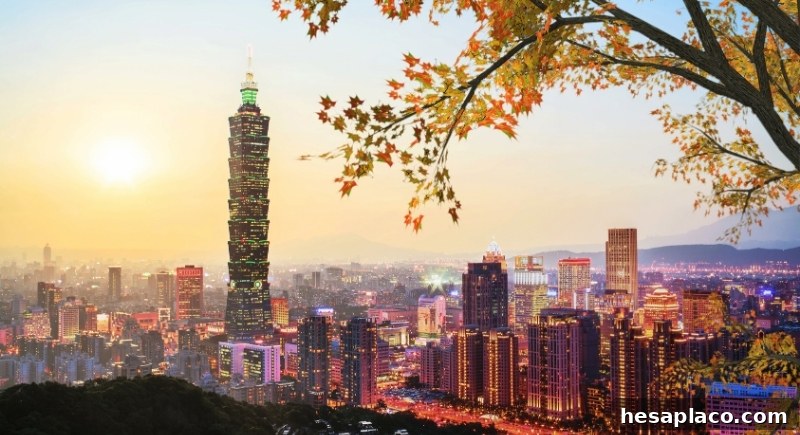
Taiwan – 51 Billionaires
Credit: Getty Images
Taiwan has about 51 billionaires and significant cumulative wealth, driven largely by the electronics and semiconductor sectors. Companies producing hardware and components for global supply chains have propelled many founders and industrialists into the billionaire ranks. Barry Lam and other tech-industry leaders have benefited from rising global demand for chips and electronics.
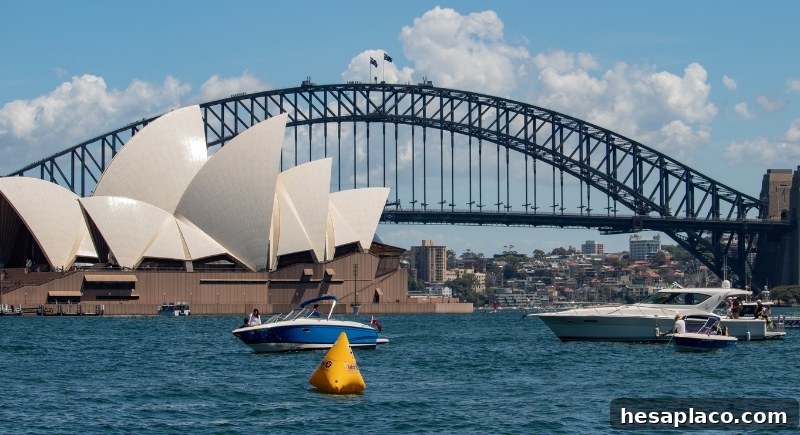
Australia – 47 Billionaires
Credit: pexels
Australia lists approximately 47 billionaires whose combined net worth approaches $1.8 trillion across various measures. Mining and natural resource extraction remain key sources of wealth, with notable figures such as Gina Rinehart among the wealthiest. Technology, biotech, property and agricultural holdings also contribute to Australia’s billionaire ecosystem.
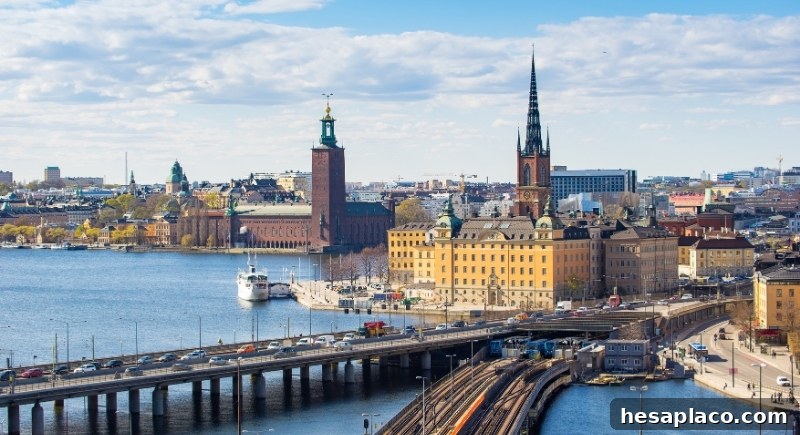
Sweden – 45 Billionaires
Credit: Getty Images
Sweden’s billionaire population—around 45 individuals—owes much to ownership stakes in multinational companies and global industrial enterprises. Families behind major brands and retailers, such as the H&M group, hold concentrated equity that translates into multimillion- and billion-dollar fortunes. Sweden’s blend of manufacturing, technology and global investment supports persistent high-net-worth accumulation.
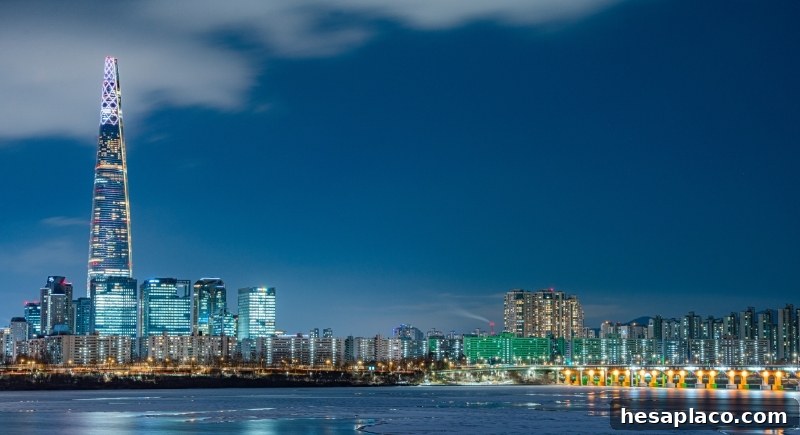
South Korea – 30 Billionaires
Credit: pexels
South Korea’s billionaire ranks—numbering in the 30s—are shaped heavily by technology, manufacturing and large family-controlled conglomerates known as chaebol. Corporate dynasties maintain significant influence over the economy, and leaders in electronics, consumer goods and heavy industries are consistently represented among top wealth holders. Jay Y. Lee of Samsung is a prominent example among South Korea’s wealthiest individuals.