
Some business ideas once sounded absurd—until they made millions. Each of these ventures found a gap in the market, tapped a particular mood, or appealed to people willing to try something offbeat. Some became long-lasting brands, others were cultural flashes, but all proved one point: being strange doesn’t mean being wrong.
Below are a number of unusual products and marketing ideas that turned into highly profitable enterprises, along with concise explanations of why they worked.
Lucky Break Wishbone
Credit: Facebook
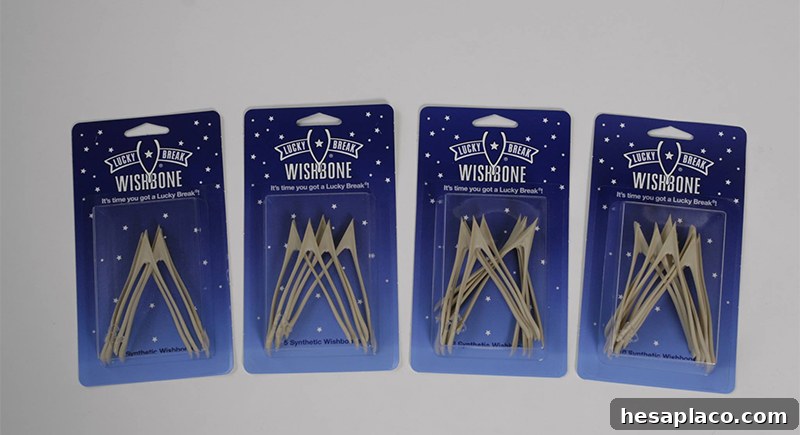
Thanksgiving often leaves families with just one natural wishbone and too many contenders. Ken Ahroni turned that minor social tension into a product by inventing plastic, breakable wishbones and launching Lucky Break Wishbone Corp in 2004. The idea was simple: offer a playful, shareable ritual that created delight at the table. It succeeded because it solved a small problem while adding a light-hearted moment to a familiar tradition.
Yellow Smiley Face

Credit: pixabay
The combination of a simple yellow smiley face and the phrase “Have a Nice Day” turned a basic graphic into a universal mood signal. Its power wasn’t in visual complexity but in emotional shorthand: an instantly recognizable symbol that conveyed friendliness and good intent with minimal words. That accessibility helped the image spread across merchandise, advertising, and pop culture.
Slinky

Credit: Wikimedia Commons
The Slinky is deceptively simple: a metal coil that walks down stairs, flips, and bounces in a hypnotic rhythm. Its appeal crossed generations because it offered tactile entertainment without batteries or rules. Families kept Slinkys on desks and shelves for quick moments of quiet amusement, and that enduring simplicity made it a reliable seller.
Banana Phone
Credit: Youtube
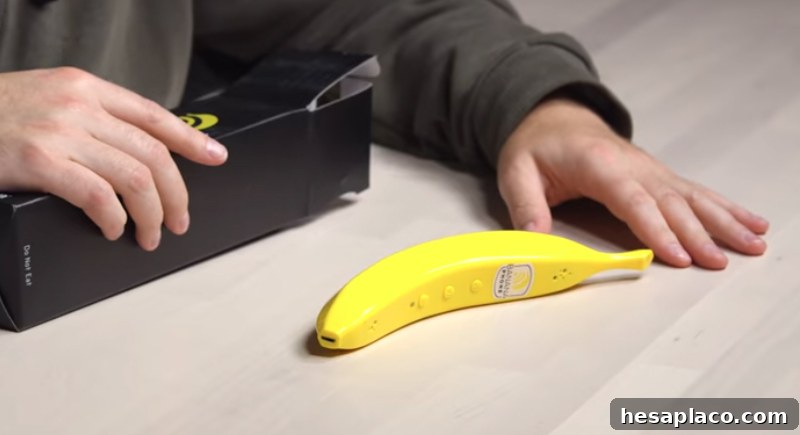
The Banana Phone is literally a Bluetooth handset shaped like a banana. It didn’t compete on technical superiority; it sold because it made people laugh. The product embraced its own absurdity through playful branding and viral marketing, showing that novelty and humor can be powerful forces in consumer adoption.
Crocs
Credit: Wikimedia Commons
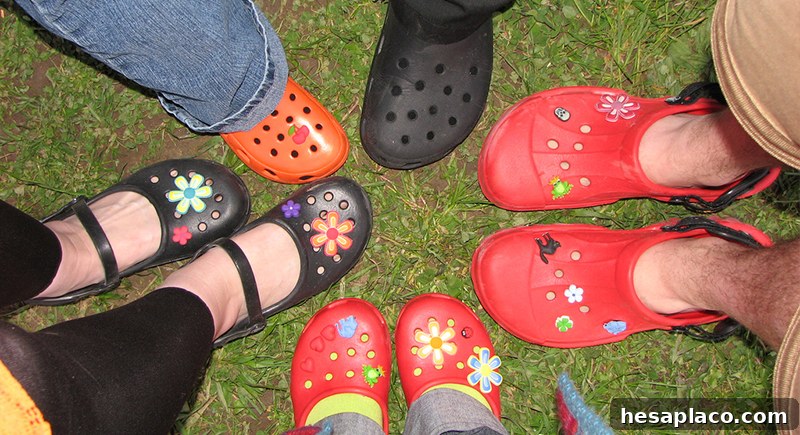
Starting as a practical clog for boating, Crocs were made from Croslite, a soft, durable foam that prioritized comfort, affordability, and utility. Early marketing leaned into the shoes’ unusual look and honest positioning. Consumers responded to the candidness: the product was unapologetic about its appearance and very good at what it claimed to do, which helped Crocs move from niche footwear to mainstream success.
Snuggie
Credit: Wikimedia Commons
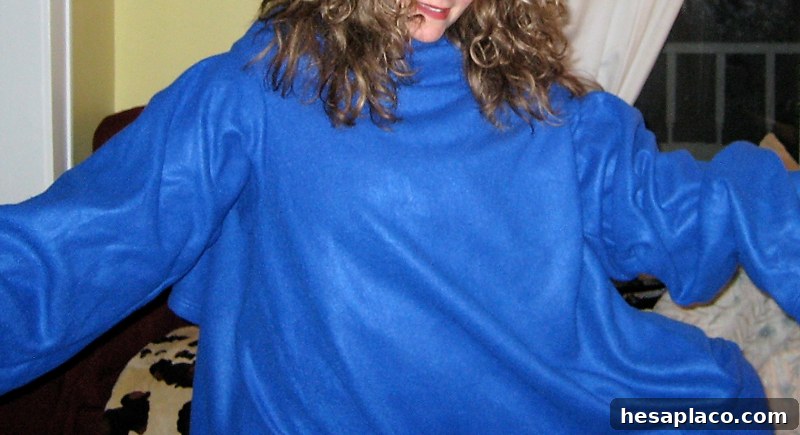
The Snuggie turned a solitary comfort item into a communal, ironic fashion statement. Images of groups wearing matching fleece robes—at campfires, sporting events, or family gatherings—made the product memorable. Many consumers bought one because they laughed at the concept and still valued the warmth and convenience it offered.
Flowbee

Credit: Wikimedia Commons
Home haircuts usually mean clippers on a towel and a messy cleanup. The Flowbee combined a vacuum with cutting attachments so trimmed hair was sucked away as it was cut, leaving little mess. Practical, time-saving, and oddly satisfying, it appealed to busy households and even found niche uses in places like remote locations and specialized settings.
Slap Bracelets
Credit: Wikimedia Commons
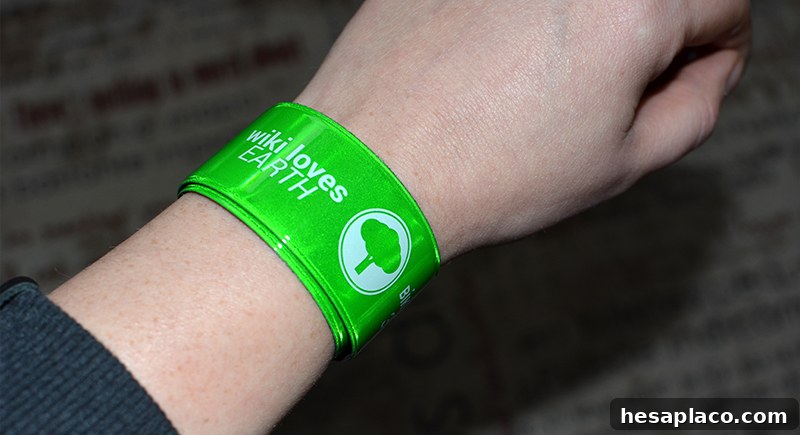
In the early 1990s, a sharp snap followed by laughter became the soundtrack of many schoolyards. Slap bracelets were simple strips of flexible metal wrapped in colorful fabric that, when tapped, curled instantly around the wrist. They were cheap to produce, easy to collect, and became ubiquitous despite occasional bans—an illustration of how a low-cost novelty can achieve mass popularity.
Santa Mail
Credit: Wikimedia Commons
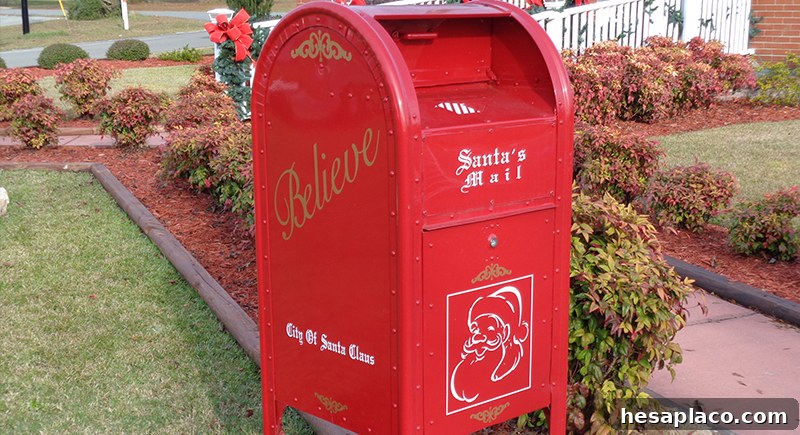
Receiving a personalized letter from Santa creates a vivid moment of magic for many children. Santa Mail services sold families a tangible piece of that wonder: customized letters, stamps, and details that made the experience feel authentic. The product succeeded by delivering emotional value and a memorable family keepsake.
Tamagotchi
Credit: Wikimedia Commons
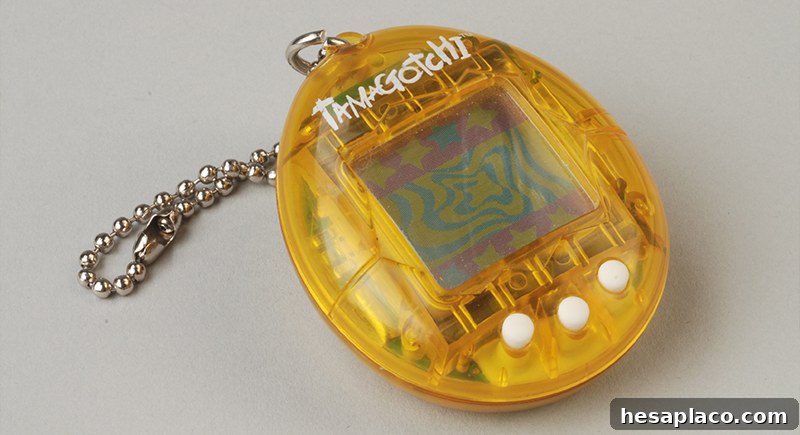
Launched by Bandai in the late 1990s, the Tamagotchi taught basic responsibility through a tiny, beeping virtual pet that needed feeding, cleaning, and attention. It was portable, emotionally engaging, and perfectly suited to a generation growing comfortable with pocket-sized electronics. Its gameplay loop and attachment mechanics later influenced many app-based virtual pets.
Doggles
Credit: Wikimedia Commons
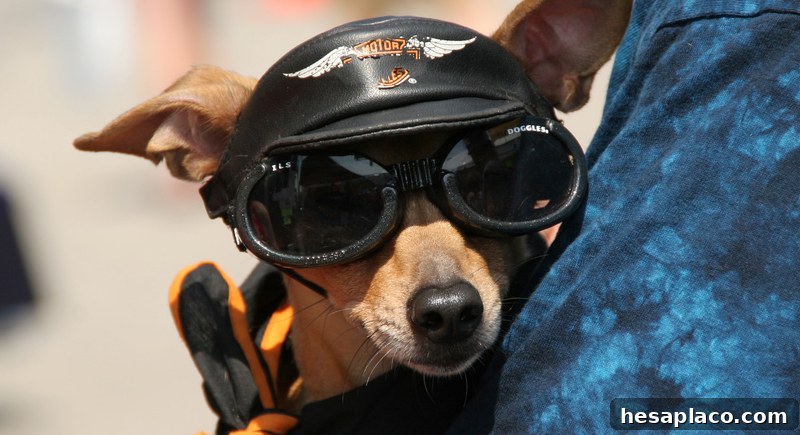
A squinting dog on a bright day inspired Roni Di Lullo to invent Doggles—protective eyewear for dogs that shields against UV rays, wind, and debris. The product resonated because it combined novelty with genuine utility. Pet owners who already treated pets like family welcomed a thoughtful accessory that also had personality.
Pet Rock
Credit: Wikimedia Commons
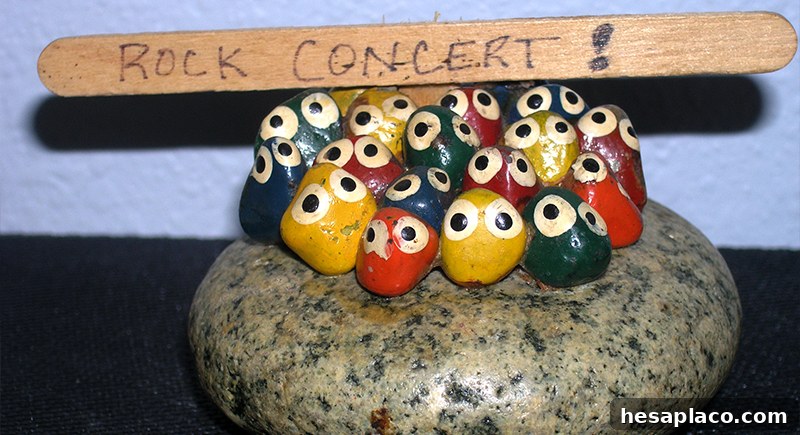
In 1975 a simple concept—packaging a smooth stone in a box with a humorous care manual—became a cultural novelty. The Pet Rock required no feeding, no cleaning, and no attention, yet it created a playful, low-cost gag gift that people enjoyed giving and receiving. Its success highlights how humor and clever presentation can turn the ordinary into a sensation.
I Want to Draw a Cat for You
Credit: Wikipedia
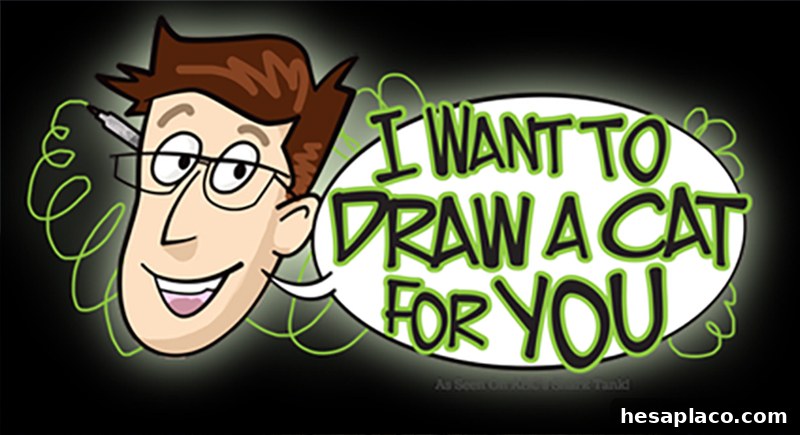
Steve Gadlin created a website offering intentionally awkward, stick-figure cat drawings on commission. Customers supplied odd or humorous prompts—cats in costumes or performing unlikely acts—and received hand-drawn doodles. The charm came from the intentional imperfection and the playful relationship between creator and buyer.
iFart App
Credit: Youtube
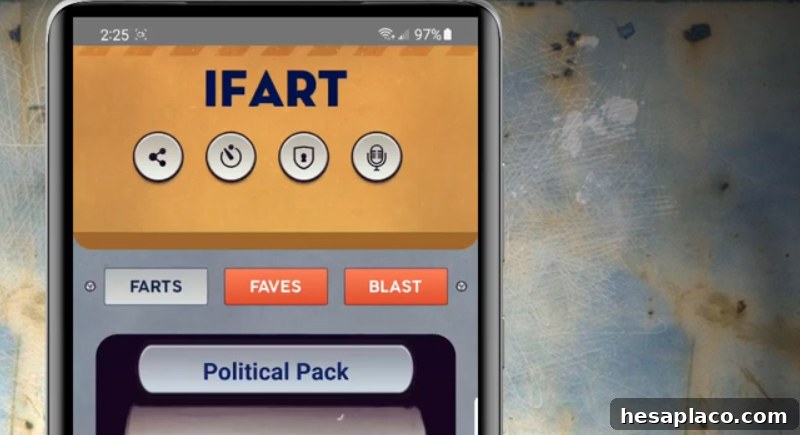
A bathroom joke became a mobile hit when iFart launched as an app that played dozens of flatulence sounds, each labeled and presented with silly icons. It had no practical utility beyond the gag, but it was cheap, instantly shareable, and perfect for pranks—demonstrating how novelty apps can exploit viral behavior for significant returns.
Antenna Balls
Credit: Instagram
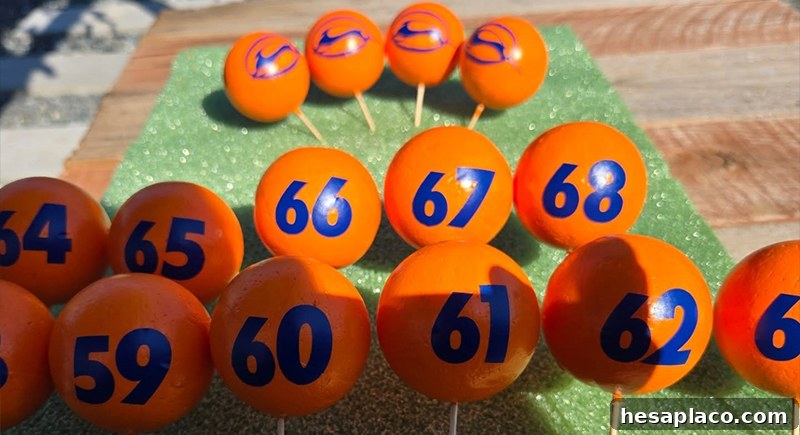
A novelty giveaway from a fast-food chain evolved into a roadside staple when Jason Wall began selling custom antenna balls through auto shops. Drivers added them to cars for visibility, recognition, or pure fun. Their low cost, customizable designs, and impulse-buy appeal helped antenna balls reach seven-figure sales rapidly.
These examples show that successful products often begin by embracing a single strong idea—humor, convenience, novelty, or emotional resonance—and finding the right way to present it. They remind entrepreneurs that unusual concepts can attract attention, create community, and become commercially valuable when executed with clarity and a strong sense of audience.