
Most people rarely consider a private jet or a personal chef, but for the ultra-wealthy these are everyday conveniences. What seems ordinary to them often costs more than the average household earns in an entire year. Below is a clearer look at the extravagant expenses rich people sometimes treat as routine.
Luxury Watch Collections Worth More Than a House

Credit: Getty Images
Some collectors assemble watch collections valued at half a million dollars or more. Individual high-end pieces, like certain Patek Philippe Grand Complications, can sell for several hundred thousand dollars—more than the U.S. median home price. Unlike many real estate investments, most luxury watches don’t reliably appreciate unless they are rare or historically significant. For many buyers, they serve as status symbols kept behind glass rather than practical assets.
Owning Multiple Homes Around the Globe

Credit: Getty Images
Wealthy individuals often maintain residences in several international locations—London, Malibu, the Maldives, or St. Barts, for example. Each property brings ongoing expenses: payroll for household staff, seasonal maintenance, utilities, and insurance. These recurring costs easily reach tens or hundreds of thousands of dollars annually, a scale far beyond what most families manage for a single home.
Flying Private Instead of Commercial

Credit: pexels
A round-trip private jet flight between Los Angeles and New York can cost tens of thousands of dollars, sometimes reaching $40,000 or more. Frequent private travel adds up quickly when you factor in fuel, crew salaries, maintenance, and hangar fees. For people who fly this way often, these expenses can total millions each year—an order of magnitude higher than commercial first-class travel.
Hiring a Full-Time Personal Chef

Credit: Getty Images
Full-time private chefs typically earn between $70,000 and $150,000 or more annually, not including the cost of gourmet ingredients, kitchen staff, or specialized menus. For wealthy households, daily five-star meals prepared at home are common; for most people, meal prep or quick dinners at home remain the norm.
Designer Clothes for Toddlers

Credit: Canva
High-end fashion for children is a growing trend among affluent parents. Designer baby items—like a Burberry trench coat—can cost several hundred dollars despite being outgrown in months. These purchases are often more about prestige and image than practicality.
Exotic Pets with Expensive Needs

Credit: pixabay
Owning exotic pets like Bengal cats or macaws entails high initial costs, special permits, and ongoing veterinary care. Some exotic animals can cost tens of thousands upfront, with annual maintenance running into thousands more. For some owners, these animals are as much about social status as companionship.
Annual Ski Trips to Private Chalets

Credit: Getty Images
A week in a private chalet in elite ski resorts like Courchevel can exceed $100,000 during peak season. Luxury ski weeks often include private chefs, staff, equipment, lift access, and exclusive use of facilities—turning a vacation into a significant annual expense.
Having a Full Staff at Home

Credit: Canva
Large estates often employ teams that include housekeepers, nannies, chauffeurs, butlers, gardeners, and security personnel. Payroll for a full household staff can reach into the hundreds of thousands or even exceed a million dollars per year for very large households—an expense most families avoid by handling chores themselves.
Private School Tuition for Children

Credit: pexels
Elite private schools in the United States can charge tuition in excess of $60,000 a year. When you add donations, specialized programs, uniforms, and extracurriculars, the annual cost resembles paying for a small college. These expenses are far beyond the reach of many families who rely on public schools or struggle to cover basic school supplies.
Outrageous Spending on Cosmetic Procedures

Credit: Canva
High-net-worth individuals may spend substantial sums on cosmetic and aesthetic procedures—ranging from advanced skin treatments to surgical enhancements and luxury post-operative care. These services are often elective and repeated over time, contributing to significant annual spending on appearance and wellness.
Designer Furniture That Isn’t Functional

Credit: Canva
Designer furnishings often prioritize aesthetics over practicality. High-end sofas, artful chairs, and sculptural tables can carry price tags far above everyday furniture yet are used primarily for display or occasional entertaining. For many homeowners, affordability and durability are the main priorities—quite different from showroom pieces that stay pristine.
Throwing Lavish Parties with Celebrity Performances

Credit: Getty Images
Some private celebrations feature headline entertainers, Michelin-level catering, elaborate décor shipped globally, and costly gift packages. A single night’s entertainment and production can reach seven figures—an extravagance most people only see in magazines or on television shows dedicated to high-end lifestyles.
Buying Custom Cars Instead of Off-the-Lot Models

Credit: Getty Images
Rather than buying standard models, some buyers commission bespoke vehicles with custom interiors, unique paint, and one-off features. These cars can cost hundreds of thousands of dollars and are often purchased for prestige, collection, or investment, sometimes never seeing regular use on the road.
Going on Shopping Sprees in Foreign Cities

Credit: Getty Images
Some affluent shoppers travel to fashion capitals like Paris or Milan specifically to buy seasonal wardrobes. These excursions often include personal stylists, private showrooms, and security, producing six-figure retail bills that many people would find unimaginable for a single trip.
Spending Thousands on Personal Trainers and Gyms

Credit: Canva
Elite personal trainers can charge several hundred dollars an hour, and installing a fully equipped private gym at home can cost as much as a luxury car. While many people rely on affordable gym memberships or community facilities, some wealthy households invest heavily in bespoke wellness spaces and one-on-one coaching.
Paying for 24/7 Security

Credit: Getty Images
High-net-worth individuals often pay for round-the-clock security, which can include armed guards, armored vehicles, biometric access systems, and secure transport. Comprehensive security programs can cost hundreds of thousands per year—an expense that reflects both risk management and lifestyle priorities.
Renting Out Entire Islands for Vacations

Credit: pexels
Exclusive island rentals offer privacy, dedicated staff, and tailored experiences. Resorts and private islands provide everything from personal chefs to watercraft on demand. For most people these escapes remain aspirational fantasies; for some affluent travelers, they are regular retreats.
Buying Original Artwork for Home Decor

Credit: pexels
Collecting original works by prominent artists is another area of major expense. Single pieces by well-known painters or sculptors can carry multi-million-dollar price tags. For many families, art is a modest purchase from a local store or created by a child—while collectors invest in pieces that can also serve as financial assets.
Having a Closet Just for Shoes

Credit: Getty Images
Some affluent individuals dedicate entire walk-in closets to shoes, housing hundreds of designer pairs that can cost hundreds or thousands each. Where most households keep a handful of practical pairs, these collections are curated, insured, and occasionally displayed rather than frequently worn.
Using Concierge Medical Services

Credit: Getty Images
Concierge medicine offers personalized care with rapid access, house calls, and 24/7 communication. Annual fees range widely, from a few thousand dollars to tens of thousands, giving wealthy patients prioritized access to healthcare and preventative services not commonly available to the average patient.
Wearing Jewelry Worth More Than a Car

Credit: pixelshot
High-value jewelry—diamond necklaces, rare gemstones, and custom pieces—can cost more than many cars or even homes. These items often require separate insurance and security measures and are commonly worn for public appearances or kept as investment-grade possessions.
Spending More on a Dog Than a College Fund

Credit: Canva
Purchasing a designer or champion-bred dog can cost tens of thousands of dollars. Add professional training, grooming, custom diets, and comprehensive veterinary coverage, and annual pet expenses for some households outweigh costs that many families associate with housing or childcare.
Taking Space Flights for Fun

Credit: Getty Images
Commercial space tourism has emerged as a luxury experience. Short trips to the edge of space afford a few minutes of weightlessness and a unique view of Earth, but tickets cost as much as a house or more—an experience reserved for those with substantial discretionary wealth.
Owning a Wine Cellar with Bottles Worth Millions

Credit: Getty Images
Serious collectors build cellars stocked with rare vintages that can be worth millions. These collections are often professionally managed by sommeliers and stored in climate-controlled environments. While most people pick up affordable bottles for everyday occasions, fine wine collecting is its own high-end hobby and investment category.
Living in Penthouses with Million-Dollar Views

Credit: Canva
Top-floor residences in cities like New York or Dubai can sell for tens of millions of dollars and include services such as private elevators and full-time concierges. For many buyers, the view and exclusivity are central to the price—outstripping the total mortgage carried by average households.
Spending Big on Wellness Retreats

Credit: Getty Images
Luxury wellness retreats offer curated programs of yoga, therapies, nutritional guidance, and relaxation in secluded settings. These multi-day stays provide personal chefs, spa treatments, and medical-grade services—an indulgence and investment in health that many consider a luxury.
Chartering Yachts for Summer Vacations

Credit: Getty Images
Chartering a luxury yacht for a week can range from six figures to over a million, excluding fuel, docking fees, and crew gratuities. For affluent travelers, multi-day yacht vacations with full crews and customized itineraries are a favored way to explore coastlines in privacy and comfort.
Installing Home Theaters That Rival Cinemas

Credit: Getty Images
Private home theaters equipped with top-tier sound systems, projection, and acoustics can cost hundreds of thousands to build. These spaces recreate a premium cinematic experience on a private scale—allowing owners to screen films in comfort without the crowds and concessions of a public theater.
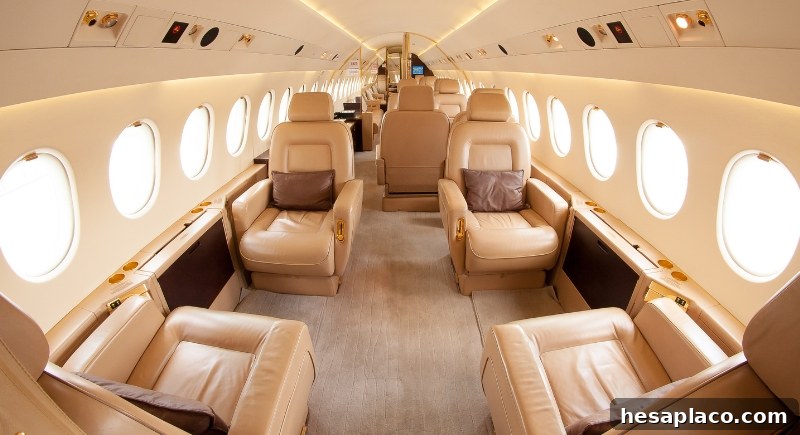
Customizing Private Jets with Designer Interiors
Credit: Getty Images
High-end private jets from manufacturers like Gulfstream and Bombardier can be customized with luxurious finishes, bespoke seating layouts, private bedrooms, and even spa-like bathrooms. These interior upgrades can cost millions on top of the aircraft price, turning a jet into a flying private residence.
Hiring Nannies with Degrees and Specialized Training

Credit: pixelshot
Affluent families often hire full-time childcare professionals who hold degrees in education or psychology, are multilingual, certified in CPR, and trained in specific pedagogical approaches like Montessori or Waldorf. Salaries for highly qualified nannies can exceed $100,000 per year, reflecting the premium placed on personalized early-childhood care.