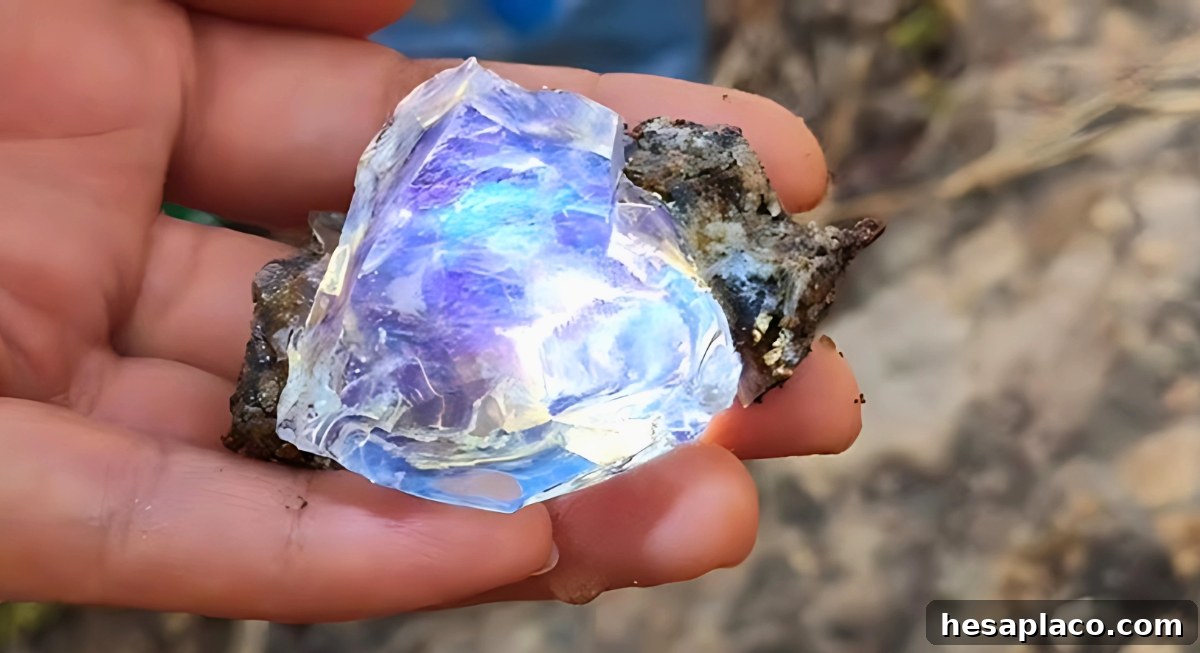
When people hear “gemstone,” diamonds and rubies likely come to mind first. They are undeniable superstars of the jewelry world, but beyond them lies a diverse roster of lesser-known gems that command impressive prices. Below are 35 of the world’s priciest stones, ranked roughly from more affordable to extraordinarily rare and valuable.
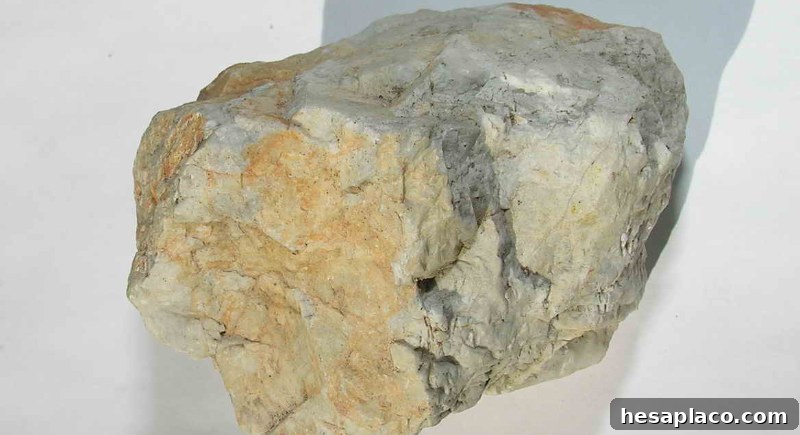
35. Amblygonite ($51–$108 per carat)
Credit: Wikimedia Commons
Amblygonite displays soft, dreamy tones—mint green, pale yellow, and occasionally lilac or salmon-pink. High lithium content and pronounced cleavage make it fragile, so it’s better suited for display specimens than everyday jewelry.
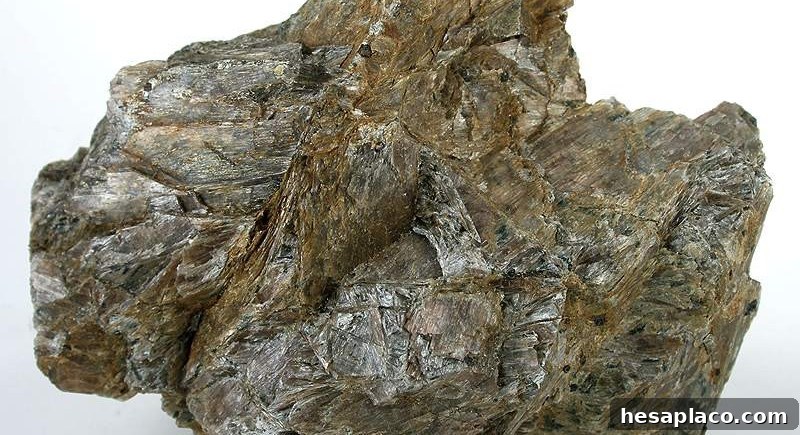
34. Enstatite ($59–$81 per carat)
Credit: Wikimedia Commons
Often overlooked, enstatite’s green varieties—especially from South Africa—can be striking. When flawless it can be translucent with a glassy finish. With a Mohs hardness of about 5.5–6, it occasionally appears as a cut gem with an almost otherworldly appearance.
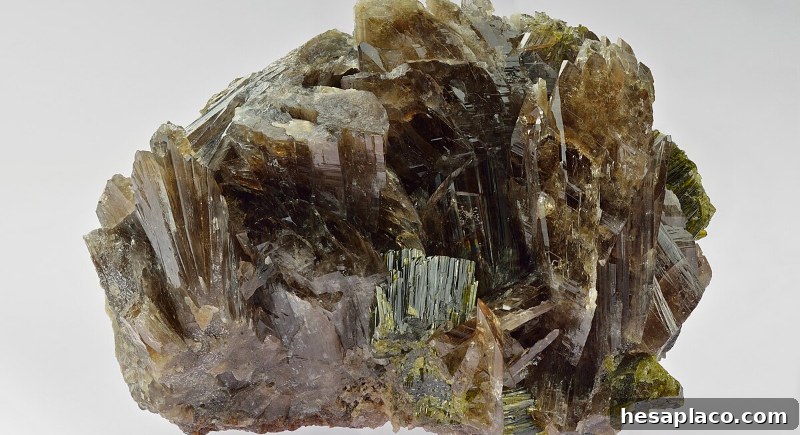
33. Axinite ($59–$540 per carat)
Credit: Wikimedia Commons
Axinite forms in distinctive blade-like crystals and can shift color under changing light, creating a dynamic effect. Magnesio-axinite from Tanzania’s Merelani Hills is prized for its rare violet tints.
32. Kornerupine ($64–$121 per carat)
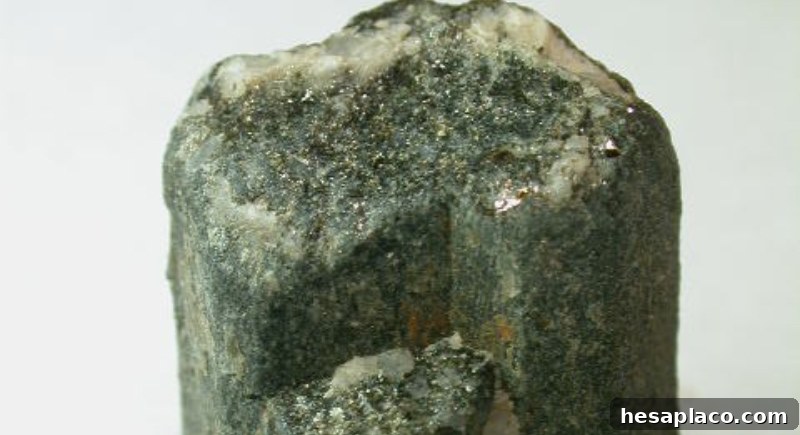
Credit: Wikimedia Commons
Kornerupine is uncommon in jewelry but worth noticing when you find it. It often shows green-blue colors that shift with light and forms tight columnar groups. Cut stones reveal internal movement and subtle flashes.
31. Hiddenite (around $100 per carat)
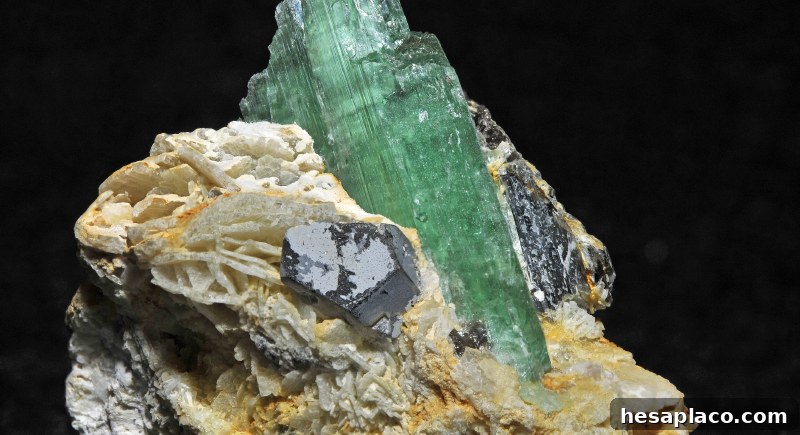
Credit: Wikimedia Commons
Hiddenite is an emerald‑green gem from North Carolina and Afghanistan, colored by chromium and often pleochroic. Its perfect cleavage makes faceting difficult. Notable pieces include Afghan crystals sold at auction and unusually large specimens that attract collector interest.
30. Spinel ($800–$15,000 per carat)
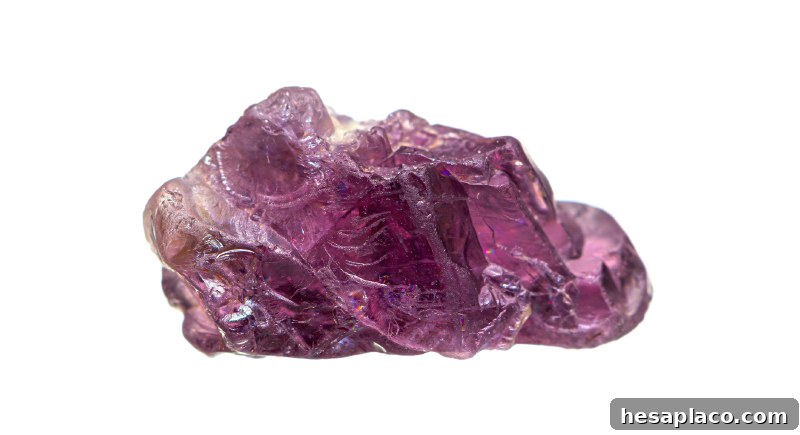
Credit: iStockphoto
Long confused with rubies, spinel has finally claimed its place. These octahedral crystals occur in many hues, including colorless, and are admired for their clear, hypnotic transparency. Historic collections, including crown jewels, contain notable spinels.
29. Pearl ($100–$1,500 per piece)
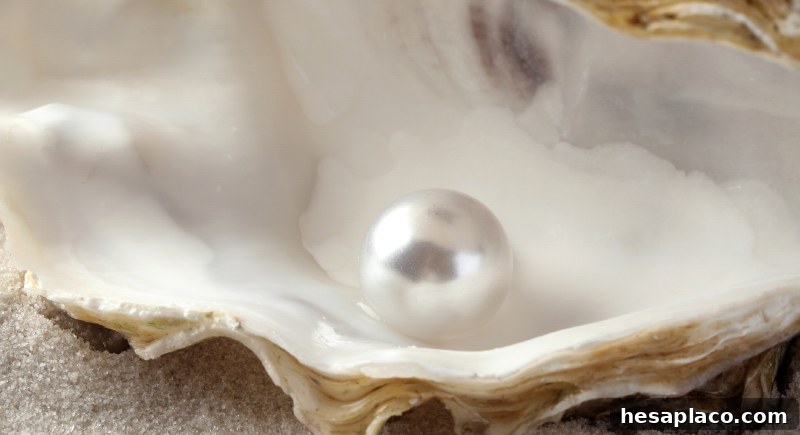
Credit: iStockphoto
Technically not a mineral, high-quality South Sea pearls can still fetch extraordinary prices. Golden and creamy strands from Pinctada maxima have sold for six figures, and unusually large or historically notable pearls draw intense curiosity and high valuations.
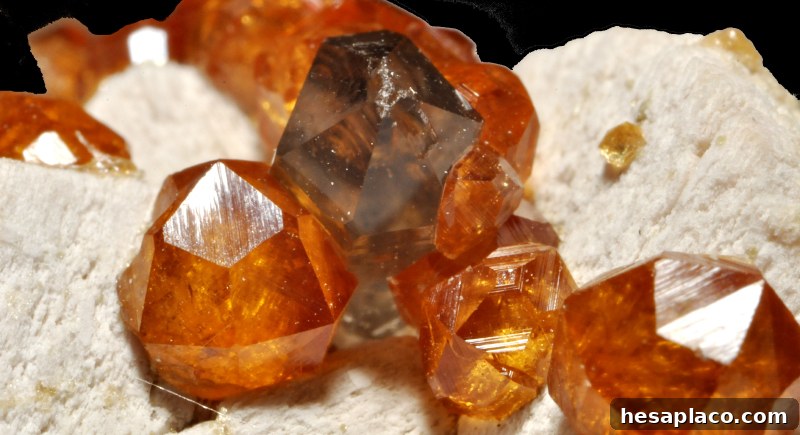
28. Spessartine Garnet ($1,500–$3,000 per carat)
Credit: Wikimedia Commons
Spessartine’s brilliant orange—especially the vivid “Fanta” shades—makes it stand out among garnets. High-quality stones offer intense, clean color and excellent light reflection, making them favorites for striking jewelry designs.
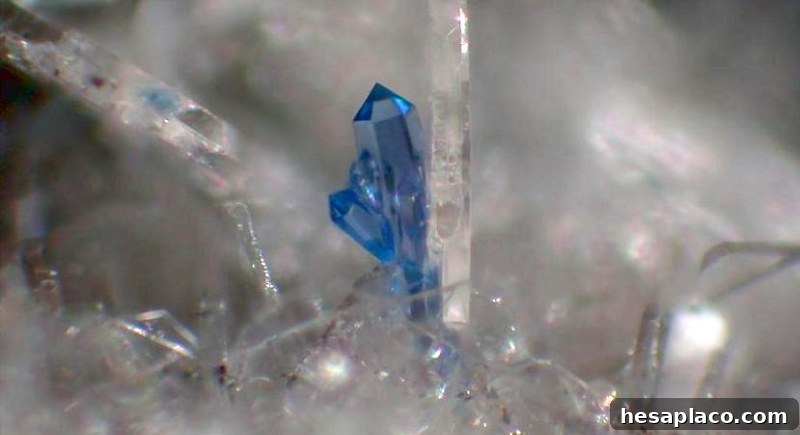
27. Jeremejevite ($2,000 per carat)
Credit: Wikimedia Commons
Rare and often tiny, jeremejevite produces icy blue crystals prized by collectors. Most gem-quality examples are small, so stones above a few carats are particularly noteworthy and highly sought after.
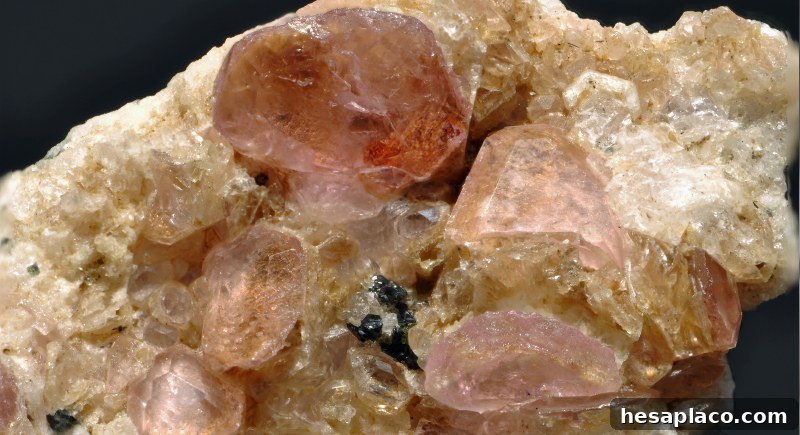
26. Pezzottaite ($2,000 per carat)
Credit: Wikimedia Commons
Pezzottaite displays a rich raspberry-pink color and was initially mistaken for beryl. Higher cesium content distinguishes it mineralogically. Gem-quality stones come from Madagascar and Afghanistan and show intense pink hues in larger sizes.
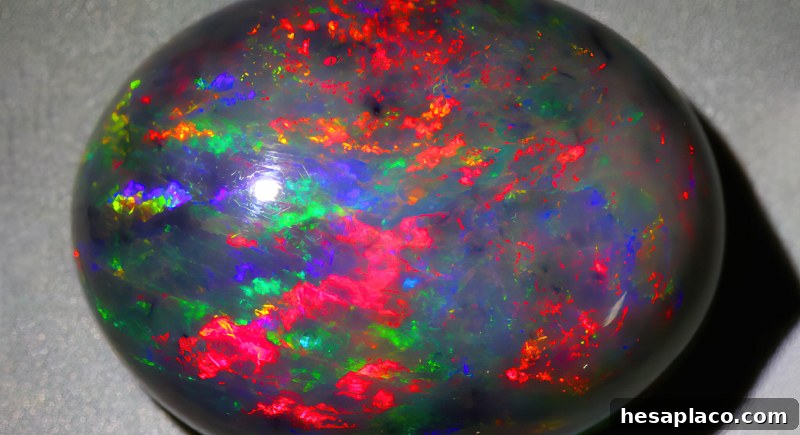
25. Fire Opal ($2,300 per carat)
Credit: iStockphoto
Mexican fire opals glow with warm orange and red tones that can appear to come from within the stone. Unlike play-of-color opals, fire opals’ hue arises from iron oxide and they are sometimes faceted when transparent.
24. Tsavorite Garnet ($2,000–$8,000 per carat)
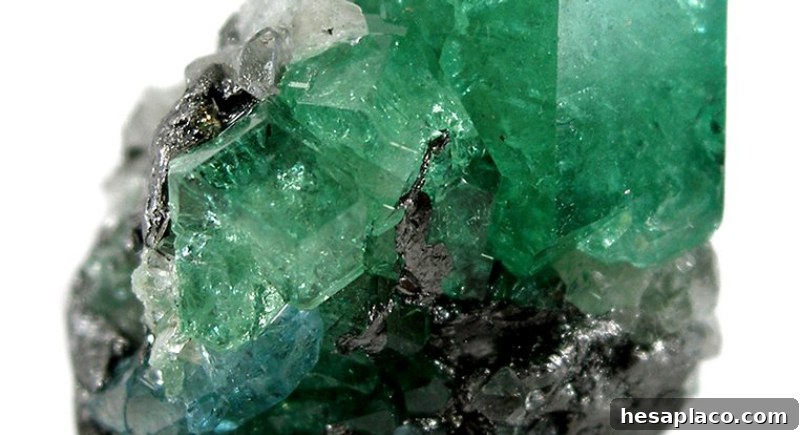
Credit: Wikimedia Commons
Tsavorite, discovered near Kenya’s Tsavo National Park, offers an intense green comparable to emerald but usually without treatments. Its durability and vivid, natural color make it a favorite among collectors and designers.
23. Poudretteite ($3,000 per carat)
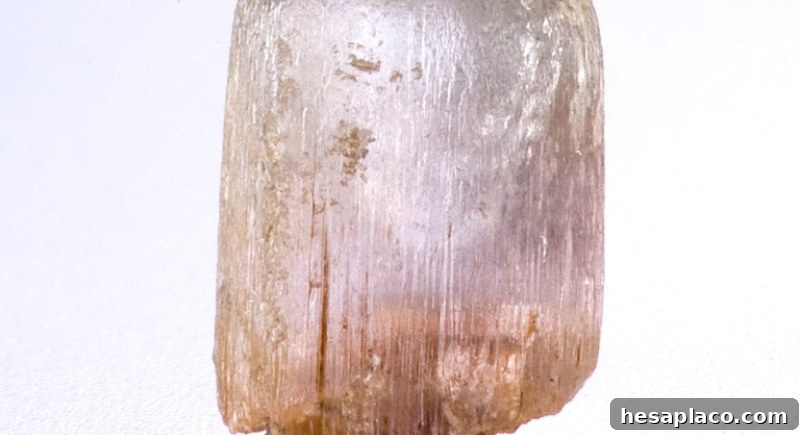
Credit: Wikimedia Commons
Named after the Poudrette family’s Quebec quarry where it was first identified, poudretteite is a potassium borate mineral. Gem-quality pink-lavender pieces are now known from Myanmar and are prized museum and collection pieces.
22. Black Diamond ($3,000–$5,000 per carat)
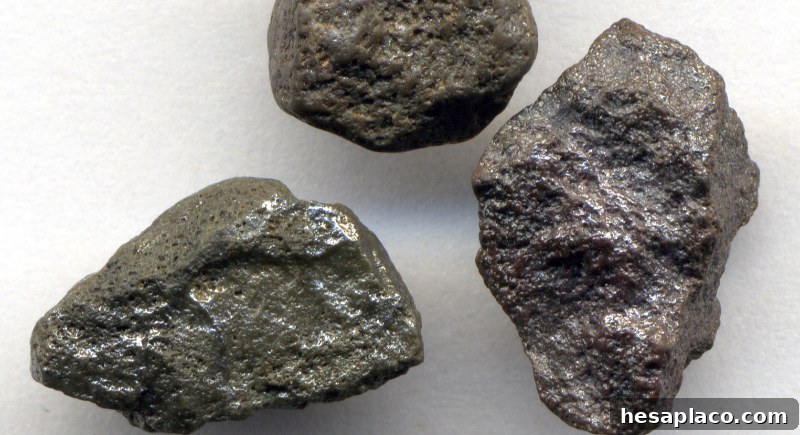
Credit: Wikimedia Commons
Black diamonds, rich in graphite and internal fractures, were historically undervalued but have surged in popularity for their bold, matte look. Famous examples like the large Korloff Noir have raised public interest and market value.
21. Demantoid Garnet ($3,300 per carat)
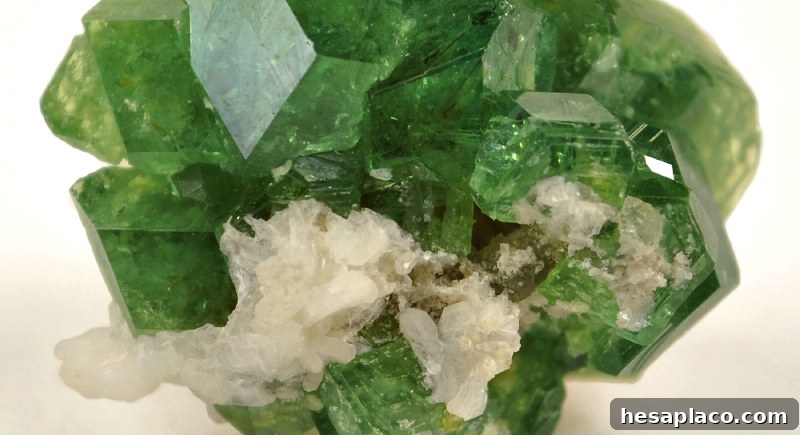
Credit: Wikimedia Commons
Demantoid garnets, first found in Russia’s Urals, are prized for dispersion that can exceed diamond’s. Their green shades and characteristic “horsetail” inclusions make top-quality stones highly collectible.
20. Black Opal ($3,500 per carat)
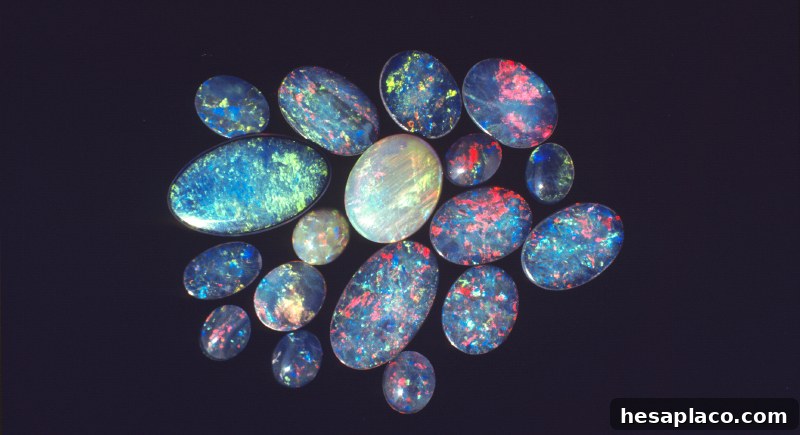
Credit: iStockphoto
Black opals display vivid play-of-color against a dark body tone, making their colors appear deeper and more dramatic. Large specimens with exceptional color patterns are among the most prized opals.
19. Benitoite ($4,000 per carat)
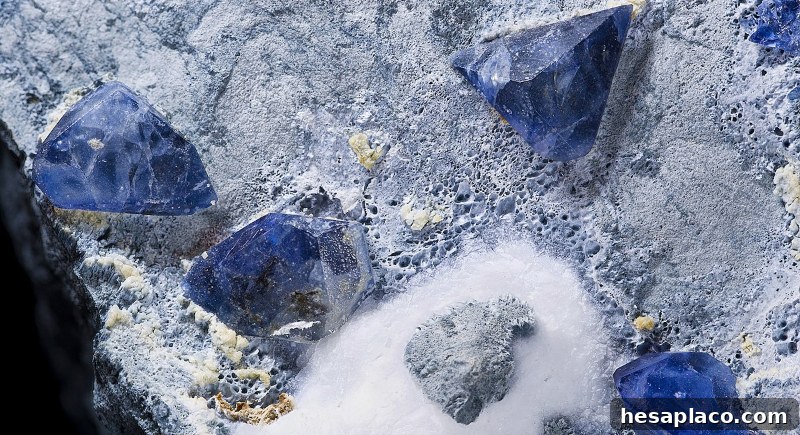
Credit: Wikimedia Commons
Benitoite, California’s state gem, is extremely rare and known for its electric blue fluorescence under UV light. The primary source was San Benito County, and with the main mine closed, gem-quality material is scarce.
18. Chrysoberyl Cat’s Eye ($4,000–$15,000 per carat)
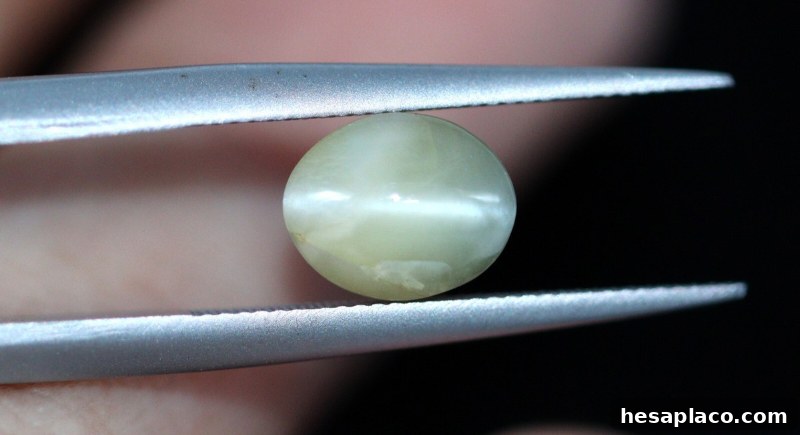
Credit: Ebay
Chrysoberyl cat’s eye stones exhibit a sharply defined chatoyancy produced by fine, parallel inclusions. With a hardness of 8.5, they are both durable and visually captivating when the “eye” is centered and distinct.
17. Ruby ($4,500 per carat)
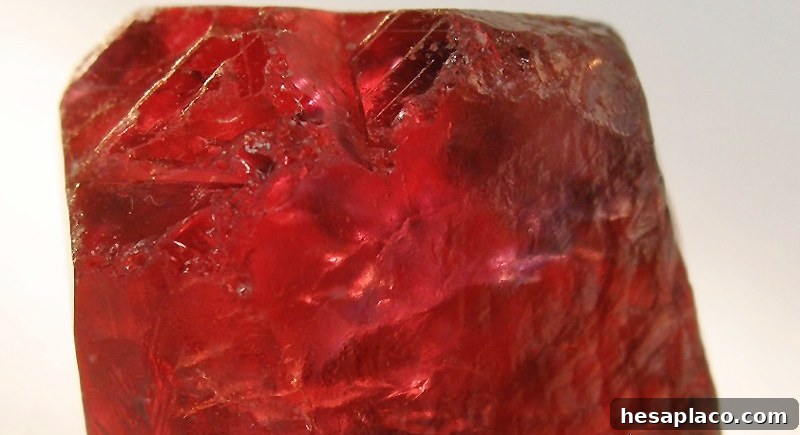
Credit: Wikimedia Commons
Rubies get their intense red from chromium, which also creates strong fluorescence. Myanmar’s “pigeon’s blood” rubies are among the most coveted. Historically seen as protective talismans, today they are auction and red-carpet favorites.
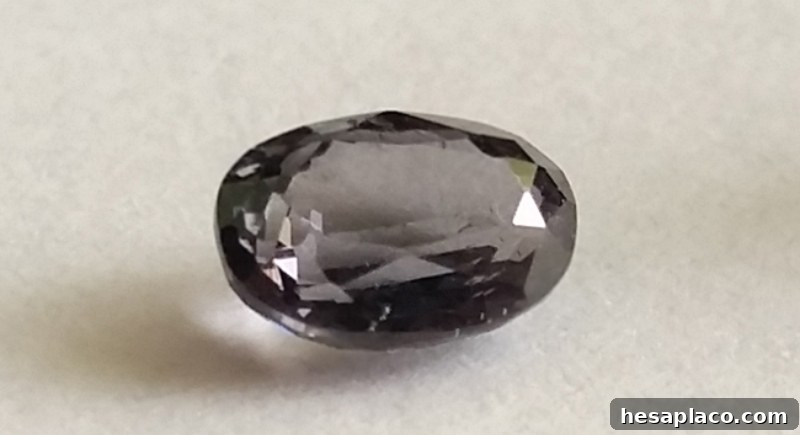
16. Musgravite ($6,000 per carat)
Credit: Wikimedia Commons
Musgravite is an exceptionally rare mineral related to taaffeite, found mainly in Australia. Colors range from gray to violet, and genuine, tested musgravite is highly prized because it is frequently misidentified.
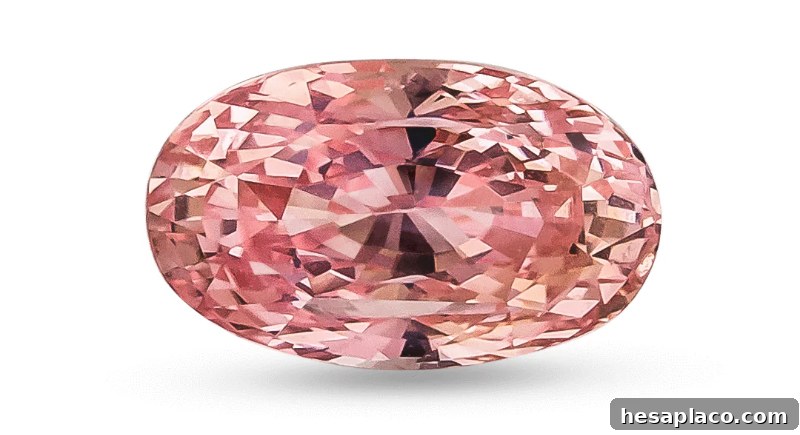
15. Padparadscha Sapphire ($8,000 per carat)
Credit: Punsiri Gems
Padparadscha sapphires are prized for their rare blend of pink and orange—often described as a lotus or sunset color. Most originate in Sri Lanka and are treasured for their unique, warm hues.
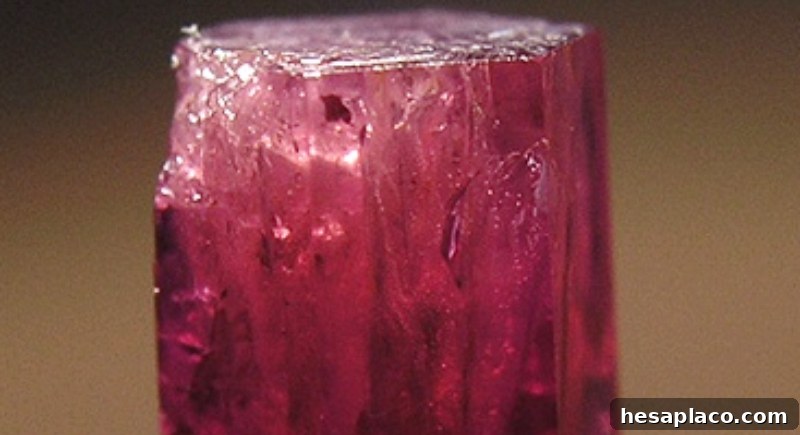
14. Red Beryl ($10,000 per carat)
Credit: Wikimedia Commons
Found primarily in Utah’s Wah Wah Mountains, red beryl’s deep raspberry color comes from manganese. Most crystals are tiny, making even small gems exceptionally valuable due to extreme scarcity.
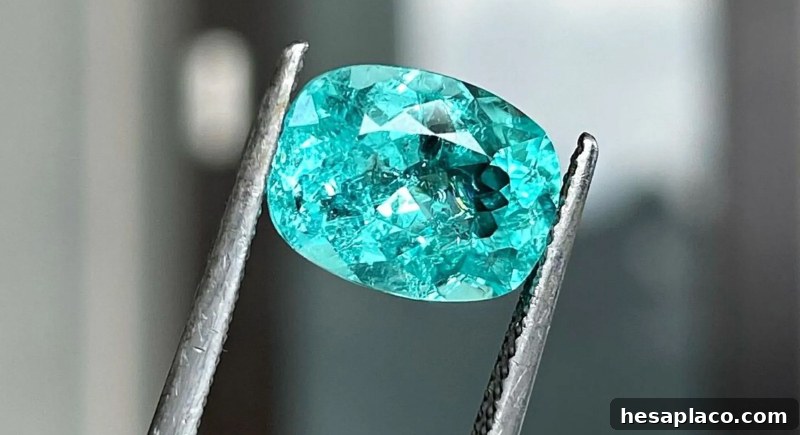
13. Paraiba Tourmaline ($10,000–$20,000 per carat)
Credit: Geology Science
Paraiba tourmalines are famous for vivid blue-green colors produced by copper. First discovered in Brazil and later found in Africa, these rare gems command high prices and draw intense collector demand.
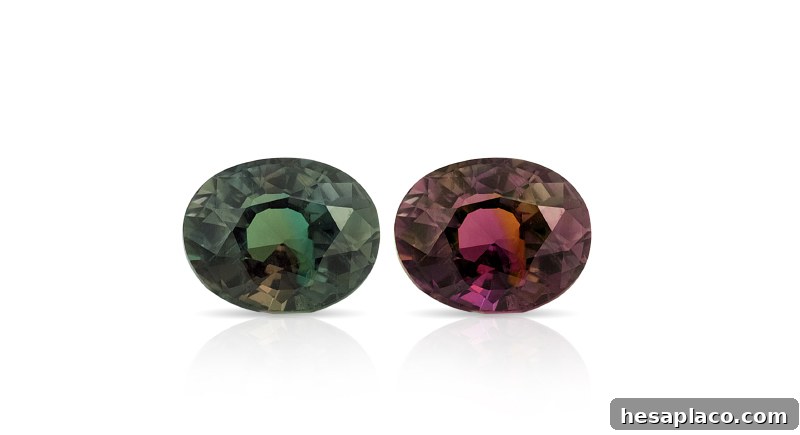
12. Alexandrite ($12,000 per carat)
Credit: iStockphoto
Alexandrite famously changes color—from green in daylight to red under incandescent light—because of chromium and complex absorption. Top stones and larger sizes fetch significant sums at auction.
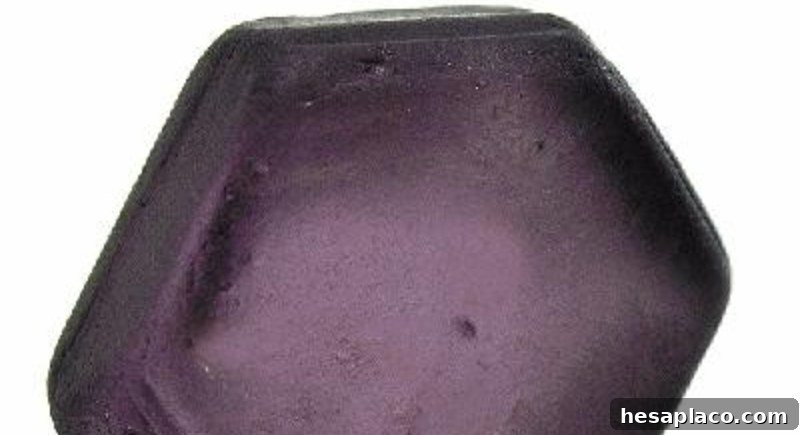
11. Taaffeite ($15,000 per carat)
Credit: Wikimedia Commons
Discovered when a cut stone was recognized as a new species, taaffeite shows lavender or mauve tones and significant birefringence. Its rarity and occasional confusion with spinel add to its intrigue.
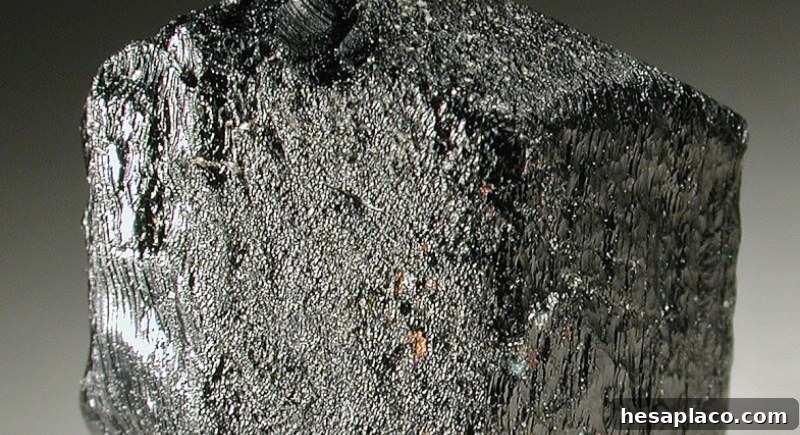
10. Serendibite ($18,000 per carat)
Credit: Wikimedia Commons
Serendibite, largely sourced in Sri Lanka, can appear dark blue-black and has a complex chemistry involving boron. Cut, clean examples are usually under a carat and are heavily authenticated due to rarity.
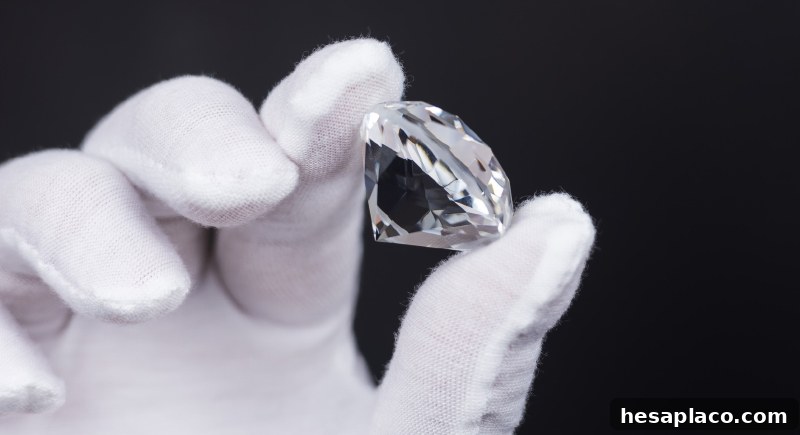
9. Diamond ($18,000 per carat)
Credit: iStockphoto
While diamonds are common in jewelry shops, only a tiny fraction are flawless and colorless. Historical giants like the Great Star of Africa, cut from the Cullinan rough, remain among the most famous and valuable diamonds in the world.
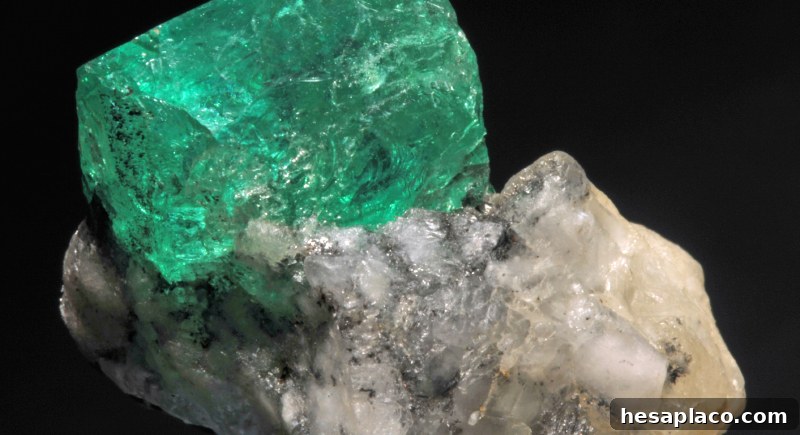
8. Emerald ($18,000 per carat)
Credit: Wikimedia Commons
Emeralds from Colombia, Zambia, and Brazil owe their color to chromium and vanadium and typically contain inclusions known as “jardin.” Near-flawless examples, like the Rockefeller Emerald, set standards for top-tier pricing.
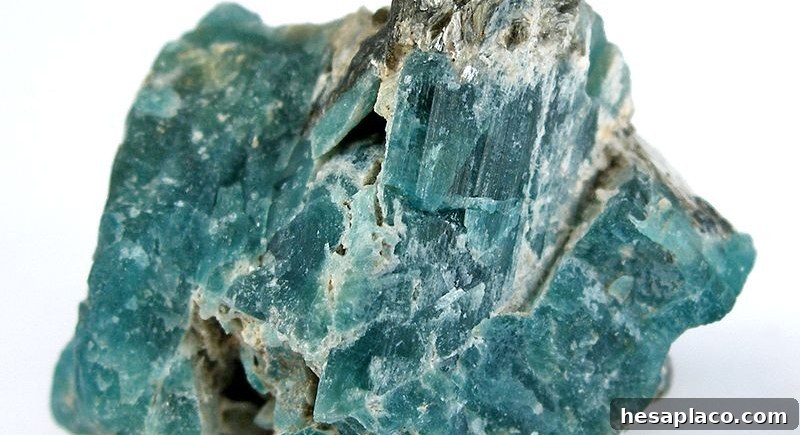
7. Grandidierite ($20,000 per carat)
Credit: Wikimedia Commons
Grandidierite from Madagascar is trichroic—displaying blue, green, and colorless tones depending on the angle. Transparent gem-quality material is exceedingly rare, which drives strong collector interest.
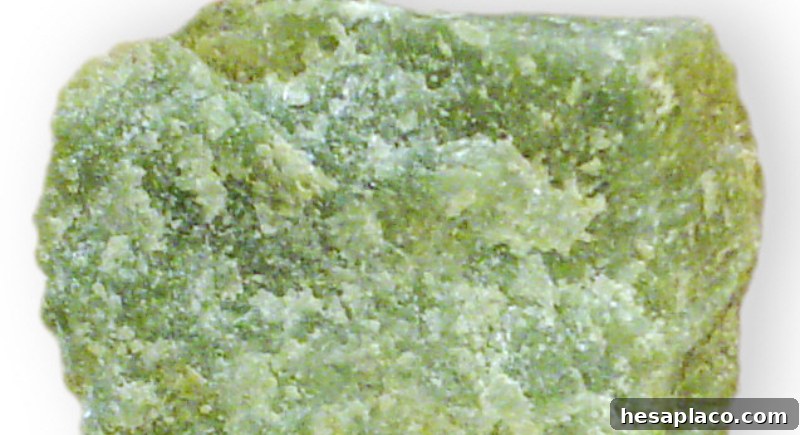
6. Jadeite ($20,000 per carat)
Credit: Wikimedia Commons
Top-quality jadeite—often vivid apple green or delicate lavender—is highly treasured. Exceptional pieces, historically valued by Chinese emperors, can reach multi-million-dollar prices at auction.
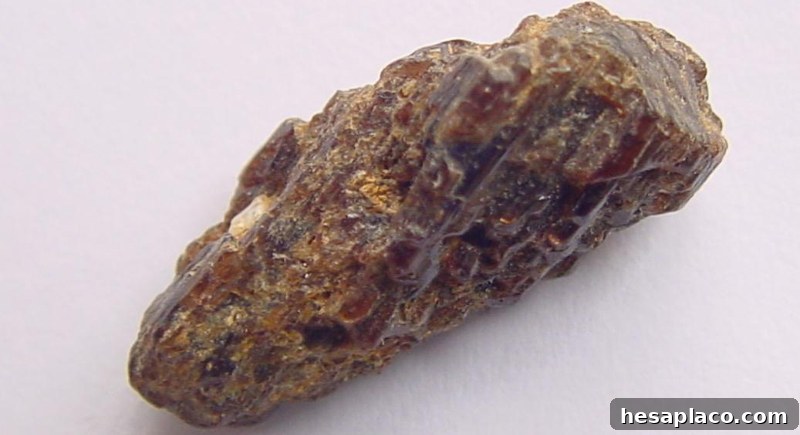
5. Painite ($50,000–$60,000 per carat)
Credit: Wikimedia Commons
Once represented by only a handful of known crystals, painite is an exceptionally rare borate mineral with reddish-brown hues. Its scarcity and historic mystique have made it a prized collector’s gem.
4. Fancy Vivid Yellow Diamond ($50,000–$200,000 per carat)
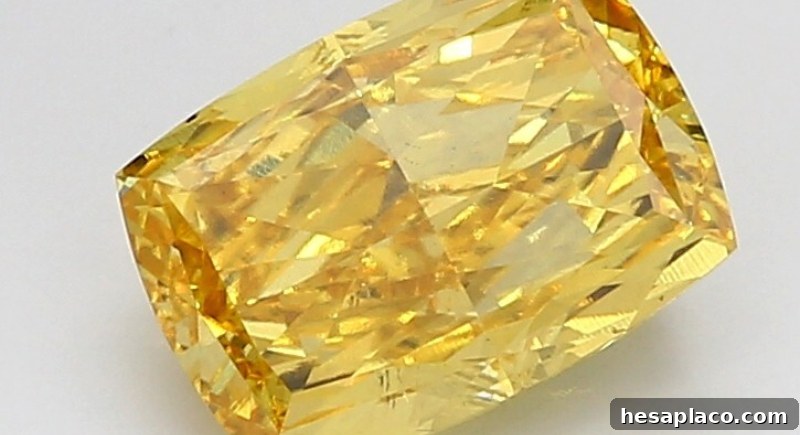
Credit: Ebay
Fancy vivid yellow diamonds derive their color from nitrogen and command top dollar for strong saturation and purity without brownish undertones. High-quality examples have achieved multi-million-dollar auction prices.
3. Blue Diamond ($52,000–$300,000 per carat)
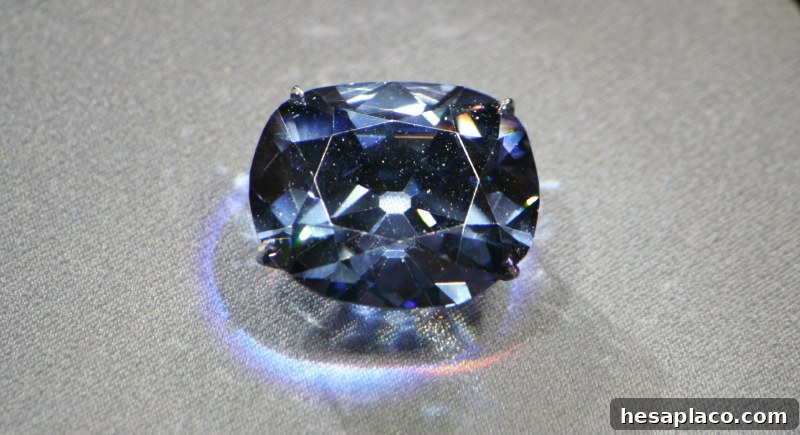
Credit: Wikimedia Commons
Blue diamonds owe their color to boron and are produced by only a few notable mines. When paired with exceptional clarity and cut, they command extraordinary prices—record-breaking sales among them.
2. Pink Diamond ($500,000–$700,000 per carat)
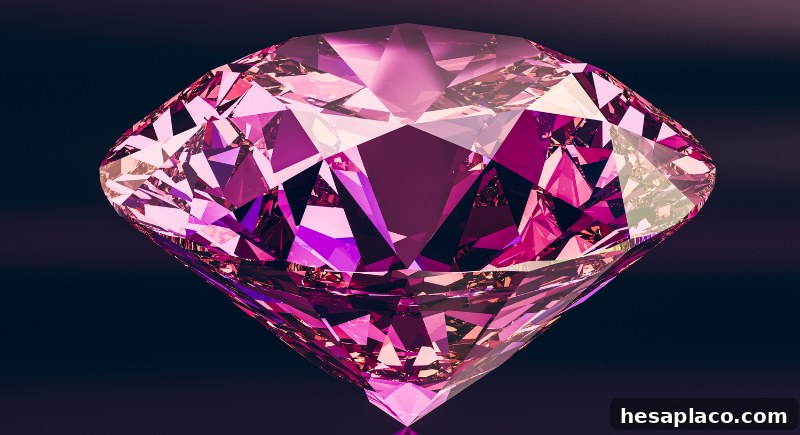
Credit: iStockphoto
Pink diamonds, overwhelmingly sourced from the now-closed Argyle mine, are vanishingly rare. Flawless, intensely colored examples have shattered auction records and remain among the most coveted gems by collectors worldwide.
1. Red Diamond ($1 Million per carat)
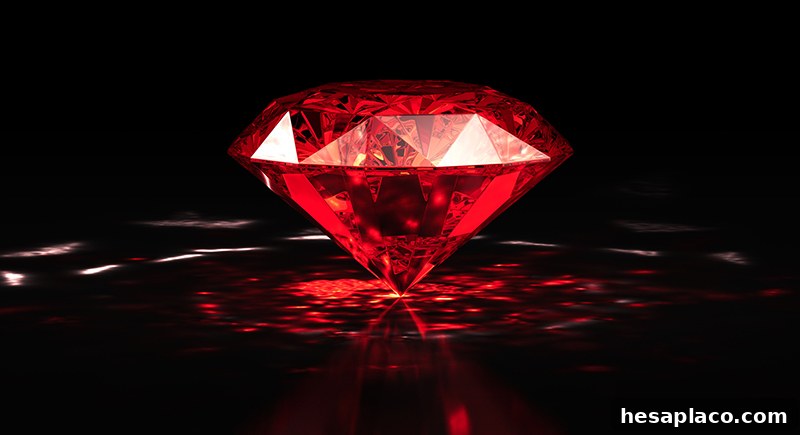
Credit: iStockphoto
Red diamonds are the rarest of all colored diamonds, their hue resulting from atomic-level distortions. Nearly all true red diamonds are under one carat, and confirmed red stones are exceedingly scarce, making them the pinnacle of gemstone rarity and value.