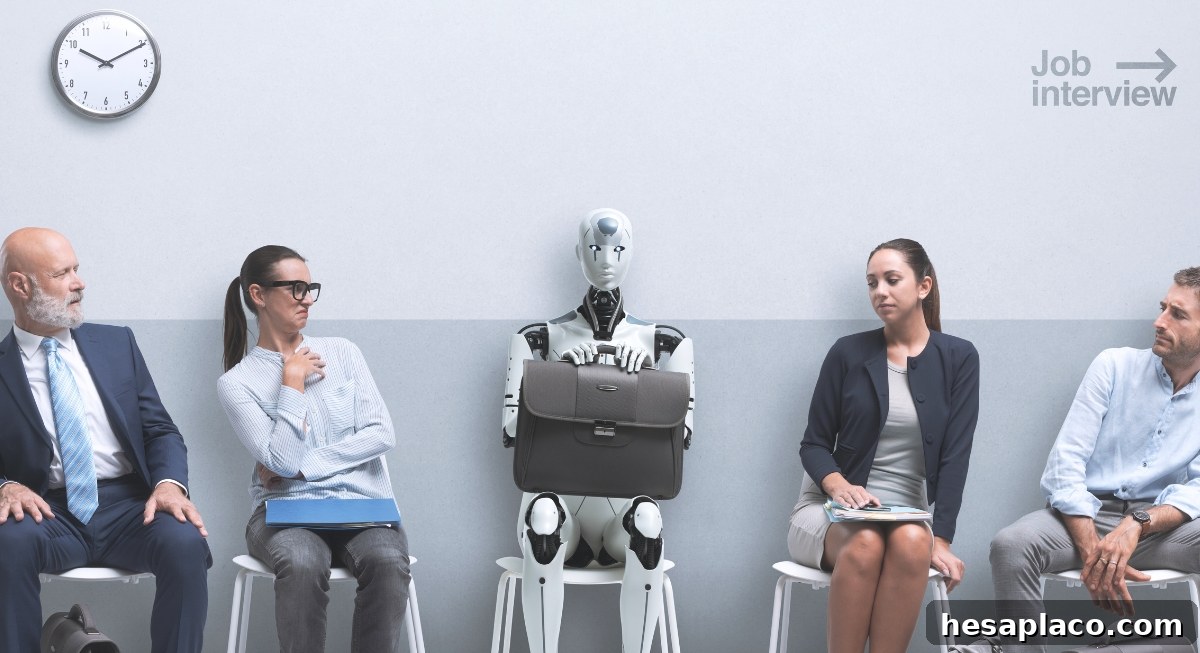
What once seemed like science fiction is quickly becoming everyday life. As technology advances, many roles are shrinking or disappearing altogether. Automation is already reshaping how work gets done, replacing repetitive tasks and streamlining operations. Below are the jobs most vulnerable to automation and why they are being transformed by AI, machine learning, and intelligent systems.
Data Entry Clerk

Credit: Getty Images
Many data entry tasks have been taken over by software that uses optical character recognition (OCR) and machine learning to extract and validate information directly from forms and images. These systems reduce manual keystrokes and cut human error, turning processes that once required whole teams into automated flows that run in the background.
Payroll Administrator

Credit: Canva
Payroll has gone digital. Automated payroll systems and AI-driven HR tools improve accuracy and enable self-service portals so employees can access payslips and answers without human intervention. Chatbots and rule-based engines now resolve many routine payroll queries, reducing the need for human administrators.
Appointment Scheduler

Credit: Getty Images
AI scheduling tools analyze appointment lengths, patient history, no-show risk, and billing to build efficient calendars. Integrated with electronic health records and billing systems, these tools reduce manual coordination across platforms, speeding bookings and lowering staffing needs for scheduling.
Information and Records Clerk

Credit: Canva
Digital document management systems now classify, store, and retrieve records far faster and more securely than manual filing. OCR combined with automated workflows handles sorting, retention tracking, and compliance checks with high accuracy, reducing the need for clerical teams focused on record handling.
Virtual Receptionist

Credit: Canva
Virtual receptionists use natural language processing to answer calls, schedule appointments, and respond to common questions around the clock. They can manage high call volumes without breaks or downtime, making them well suited for handling routine front-desk tasks that once required human receptionists.
Transcriptionist

Credit: Canva
Automated transcription tools can convert audio to text in seconds, offering features like variable playback, speaker labeling, and alignment. While human editors still refine transcripts for nuance and accuracy, the bulk of transcription work is now handled by machines, shrinking demand for traditional transcription roles.
Order Processing Agent

Credit: Getty Images
AI captures order details, predicts inventory needs, and tracks shipments in real time. Automated platforms scale through AI agents instead of additional staff, enabling companies to handle higher volumes with fewer people and reducing the need for manual order entry positions.
Claims Processor

Credit: Canva
Automated claims systems verify documentation, detect fraud, and identify data patterns quickly. What once took weeks can now be resolved in minutes, with fewer errors and lower labor costs. As a result, many routine claims tasks no longer require extensive human review.
Paralegal (for Basic Legal Research)

Credit: pexels
Legal tools can draft routine documents, search databases, and summarize case law in seconds. While they don’t replace senior attorneys, these systems handle repetitive research and basic drafting tasks efficiently, reducing the need for paralegals in mundane legal research roles.
Telephone Operators

Credit: pexels
Modern AI can troubleshoot calls, route customers, and provide support without human intervention. Many customer interactions are routine enough that automated systems can handle them, reducing demand for roles centered on human call handling.
Junior Web Developer

Credit: pexels
AI-assisted coding tools generate code from simple prompts, and AI-driven website builders and automated testing reduce repetitive tasks. While senior engineers remain crucial, entry-level development roles that focus on routine implementations are under pressure as tools speed up common coding tasks.
Software QA Tester

Credit: pixelshot
Automated testing tools can scan large codebases, generate test cases, and adapt to UI changes without human oversight. These systems are faster and more consistent than humans for repetitive testing, reducing the number of manual QA testers needed for standard test coverage.
Basic IT Support Technician

Credit: Canva
Self-service portals and predictive support systems now guide users through common technical problems instantly. Machine learning can detect issues before they become incidents, reducing the need for technicians focused on routine password resets and basic troubleshooting.
Technical Documentation Writer

Credit: Getty Images
AI tools check grammar, suggest consistent terminology, restructure content, and analyze readability. They can assist with translation and localization, automating repetitive parts of documentation production. Humans still direct the narrative and verify technical accuracy, but the workload and staffing for large documentation efforts are shrinking.
SEO Specialist

Credit: pexels
SEO tools automate keyword research, ranking analysis, and performance monitoring with impressive precision. As routine, data-driven work is handled by software, specialists shift toward strategy and creative thinking, reducing the number of roles focused solely on manual SEO tasks.
Video Editor

Credit: Getty Images
Editing software can automatically trim clips, correct color, add captions, and suggest music, enabling rapid, personalized video production. This automation reduces repetitive editing tasks, allowing human editors to focus on creative direction and complex storytelling.
Social Media Manager (for Basic Tasks)

Credit: Canva
Automated tools schedule posts, research hashtags, analyze metrics, and generate captions and visuals. As automation handles repetitive tasks, the social media role is shifting toward creative strategy and brand storytelling rather than routine content production.
Voice-over Artist

Credit: Getty Images
Advanced synthetic voices can deliver scripts with clarity and emotion, and are widely used for phone prompts and explanatory videos. For routine narration work, digital voices provide a faster, cheaper alternative to hiring human voice artists.
UX Tester (for Standardized Feedback)

Credit: Canva
Automated tools create surveys, track clicks, and analyze user flows at scale. Systems can identify usability issues and behavior patterns without a lab or a team watching test subjects, reducing the need for human involvement in routine UX testing.
Email Marketing Specialist

Credit: Getty Images
Automated platforms clean contact lists, personalize content, predict customer behavior, and optimize send times and subject lines. Because campaigns are optimized algorithmically, fewer specialists are needed for the manual tasks of list management and basic campaign setup.
Cashier

Credit: Canva
Self-checkout kiosks, mobile payment apps, and cashierless store technology allow customers to scan items and pay without attendants. These systems cut wait times and labor costs, reducing the number of staff required at registers.
Parking Lot Attendants

Credit: Getty Images
Smart parking systems use cameras and sensors to monitor entry and exit, track space availability, and identify violations. These automated solutions perform many tasks traditionally handled by attendants, reducing the need for on-site staff.
Retail Inventory Associate

Credit: Lifestock
Drones and intelligent shelf-scanning systems track stock levels in real time, alert managers to shortages, automate reorders, and forecast demand. These technologies reduce the need for manual shelf-checking and barcode scanning, while also enabling dynamic pricing adjustments.
Fast-Food Order Taker

Credit: Getty Images
Interactive kiosks, voice assistants, and chatbot interfaces let customers browse menus, customize orders, and pay without human cashiers. Drive-thrus and quick-service restaurants increasingly use automated order systems to streamline service.
Call Center Agent

Credit: Getty Images
Conversational AI handles many customer interactions via chat and voice, resolving standard issues and escalating only complex cases. These systems reduce staffing needs, shorten call times, and manage high volumes of routine queries effectively.
Telemarketers

Credit: Getty Images
Automated systems can run sales calls, manage objections, and schedule follow-ups at scale without breaks. These tools operate continuously and handle entire workflows, making large cold-calling teams increasingly unnecessary.
Travel Agent (for Basic Bookings)

Credit: Canva
Intelligent booking assistants handle flights, hotels, and car rentals while adapting to delays, weather, or customer preferences in real time. For routine itineraries, these systems reduce the need for human travel agents, especially when instant updates are required.
Helpdesk Responder

Credit: Getty Images
Chatbots and automated systems handle password resets, account unlocks, FAQs, and common troubleshooting steps instantly. They provide 24/7 support and escalate complex cases to humans, reducing the size of teams needed for routine helpdesk duties.
Warranty Claims Specialist

Credit: Getty Images
Automated systems assess eligibility, evaluate damage, and approve routine warranty claims quickly. By detecting suspicious patterns and reducing manual reviews, these tools shift specialists toward oversight and handling only complex or exceptional cases.
Switchboard Operators

Credit: Canva
Automated call-routing systems gather caller information and route calls through interactive menus and virtual reception tools. As AI handles most inbound requests with greater consistency, manual switchboard routing is becoming less necessary.
E-commerce Chat Agent

Credit: pexels
Automated chat systems manage order tracking, returns, and product questions by simulating natural conversation and remembering customer history. Routine inquiries that once required human agents are now resolved quickly and accurately by software.
News Reporter (for Templated Reports)

Credit: Getty Images
Automated systems generate game scores, stock updates, and earnings summaries from structured data feeds. Because these stories follow predictable formats, automation handles routine reporting, freeing journalists to focus on investigative and in-depth coverage.
Copywriter (for Ads and Short-Form Content)

Credit: pexels
Automation can generate ad headlines, product descriptions, and promotional copy quickly, often matching brand tone closely enough to require minimal edits. Routine short-form copy is increasingly created by machines, pushing human writers toward higher-level creative work.
Proofreader

Credit: Getty Images
AI proofreading tools catch grammar, punctuation, and style issues and can suggest tone adjustments for different audiences. As these tools improve, the need for human proofreaders on standard copy declines, though humans remain important for nuanced edits.
Technical Manual Writer

Credit: pexels
Systems trained on technical language can draft how-tos, spec sheets, and guides, standardize formatting, and suggest improvements. This accelerates production and reduces the number of writers needed for large documentation projects while still requiring human oversight for technical accuracy.
Brokerage Clerks

Credit: Canva
Automated reporting, data sorting, and initial financial analysis are increasingly handled by software that operates faster and with fewer errors. As routine clerical tasks are removed from workflows, demand for brokerage clerical roles is declining.
Concierges

Credit: Getty Images
Digital assistants manage bookings, provide directions, and handle maintenance requests 24/7, pulling data from guest profiles to personalize service. For many routine requests, the concierge desk is becoming a backup to automated systems rather than the first point of contact.
Ad Jingle Composer

Credit: Canva
Music-generation tools analyze trends and create catchy tunes quickly for ads and short-form content. For rapid turnarounds and high-volume production, automated composition reduces the need for human composers on routine projects.
Personal Financial Advisors

Credit: Getty Images
Automated investment platforms and robo-advisors monitor markets and adjust portfolios automatically, offering low-cost advice without in-person meetings. For straightforward portfolio management and basic financial planning, many clients now rely on algorithms rather than an advisor across the desk.
Models

Credit: pexels
Digital 3D models and virtual avatars can showcase clothing, pose, and appear photo-ready without a photoshoot. For catalogs and e-commerce, these assets reduce production time and costs, which can lower demand for human models in routine product imagery.
Across industries, automation is eliminating repetitive tasks and reshaping roles. While some jobs will vanish, many others will evolve, requiring new skills and human strengths—creativity, complex problem-solving, empathy, and strategic thinking—that machines cannot easily replicate. Adapting to these changes means reskilling, focusing on higher-value work, and embracing tools that augment human abilities rather than simply replace them.