
Selling a house involves far more than placing a “For Sale” sign in the yard. You control the timeline, make strategic decisions, and handle many details that help your home attract serious buyers. The right approach speeds up the sale and helps you reach the price you want. Below are practical, experience-based tips from agents, brokers, and homeowners that will increase your chances of selling faster and for more money.
Maximize Exposure with MLS Listings

Credit: Getty Images
Listing on the Multiple Listing Service (MLS) dramatically increases your property’s visibility and connects it with agents, buyers, and major real estate websites. Homes on the MLS tend to sell faster and often fetch higher prices than properties limited to private networks or “pocket listings.” For maximum reach, ensure your MLS entry is complete and up to date.
Use Spring to Your Advantage

Credit: Getty Images
Seasonality matters. Late spring, especially May, often brings motivated buyers who have time off and want to move before summer or the next school year. Data indicates listings in late May can achieve slightly higher sale prices. If your timing is flexible, listing in spring can give your property a competitive edge.
Invest in Curb and Online Appeal

Credit: Getty Images
Your home’s online presentation is the first showing for most buyers. Low-quality photos and cluttered layouts turn people away. Hire a good photographer or use a high-quality camera, add virtual tours or 3D walkthroughs when possible, and include clear floor plans. A polished visual package draws more attention and raises perceived value before buyers step inside.
Partner with a Proactive Agent

Credit: pixelshot
Not all agents are equally active or strategic. Choose someone familiar with your local market who offers a concrete marketing plan and real examples of past results. Ask about their online marketing, open houses, and network of buyer agents. You’re hiring a partner—pick someone who will execute a strong plan and communicate clearly.
Fix Minor Issues Before Listing

Credit: pexels
Small cosmetic problems—peeling paint, cracked tiles, or stained grout—can suggest neglect and prompt buyers to assume bigger issues. Address these simple repairs before listing. Fixing visible flaws removes buyer hesitation and helps avoid lower offers tied to perceived maintenance concerns.
Declutter without Stripping Character

Credit: Dragon Images
Decluttering makes spaces feel larger and more inviting, but you don’t want to create a sterile showroom. Clear countertops, organize closets, and remove excess items while leaving a few personal touches that show the home is lived-in. Buyers should be able to imagine themselves living there, not feel like they’re touring an empty model.
List Key Neighborhood Perks

Credit: grapix
Buyers evaluate homes in the context of their surroundings. Highlight local advantages such as nearby schools, parks, transit options, walkable shops, or popular cafes. These neighborhood features often sway buyers choosing between similar properties.
Stage Every Room with Purpose
Credit: pexels
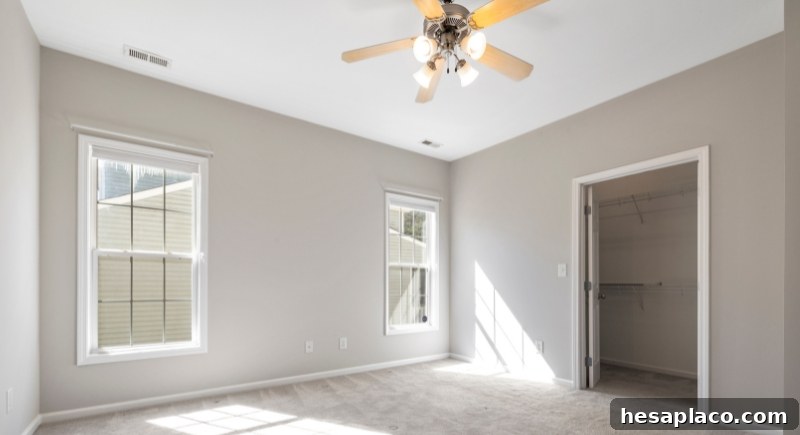
Each room should clearly communicate its function. A storage room overflowing with boxes creates doubt about usable space. Stage awkward areas as a guest room, office, or hobby corner so buyers can visualize how each space fits into daily life. Well-defined rooms make the layout intuitive and appealing.
Limit Renovations to High-Return Projects
Credit: pexels
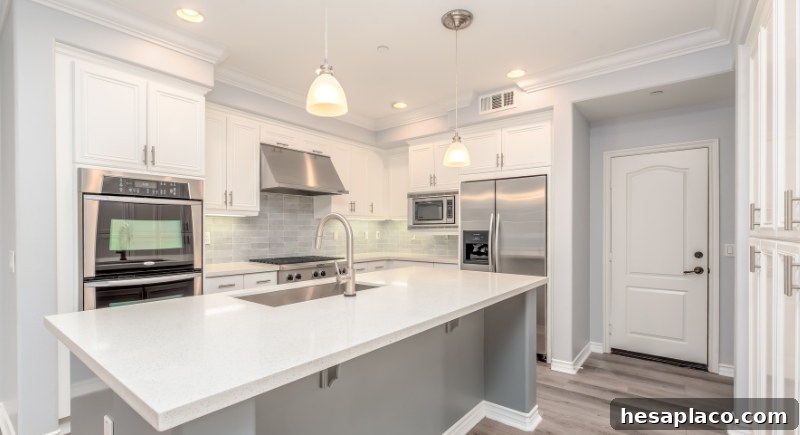
Major renovations rarely pay off right before a sale because buyers often prefer to personalize spaces themselves. Instead of a full kitchen remodel, opt for smaller, cost-effective updates—new hardware, fresh paint, or improved lighting—that refresh the look without overcapitalizing. These touches present a well-maintained home without overinvesting.
Add Outdoor Seating Areas

Credit: Getty Images
Outdoor living sells. Even a small bistro set or a neatly arranged patio can help buyers imagine spending time in the yard. Defining outdoor areas expands perceived usable space and highlights lifestyle benefits that many buyers value.
Light a Fire or Use Warm Lighting

Credit: pexels
Good lighting sets the mood. Maximize natural light during daytime showings and use soft, warm lamps for evening visits. If you have a fireplace, lighting it for showings can create a welcoming atmosphere. Avoid harsh overhead lighting that makes rooms feel cold and uninviting.
Eliminate Unpleasant Odors

Credit: Africa Images
Odors can derail showings faster than any cosmetic flaw. Remove the source—deep clean carpets, launder fabrics, and address pet or cooking smells. Lightly scented candles or diffusers are fine after cleaning, but don’t mask odors. A fresh-smelling home gives buyers a sense of newness and care.
Start Packing Early

Credit: Getty Images
Begin packing nonessential items well before listing. Removing off-season clothing, extra kitchenware, and rarely used decor reduces clutter and makes rooms appear larger. Early packing also signals to buyers that you are organized and ready to move, which can speed negotiations and closing.
Consider a Modern Auction

Credit: pixelshot
The Modern Method of Auction is an online, buyer-friendly alternative to traditional listings. Sellers set a reserve price and buyers place bids over a set period—often around 30 days—creating a transparent process that builds interest and urgency without high-pressure tactics. This approach can produce competitive offers while allowing sellers to retain control over the reserve.
Get Your Paperwork Ready

Credit: Getty Images
Prepare key documents before listing to avoid delays and lost deals. Gather title paperwork, seller disclosures, HOA documents, recent repairs records, and utility information. Being organized reassures buyers and their agents and helps the transaction proceed smoothly through inspections and closing.
Following these practical steps—improving presentation, partnering with a proactive agent, completing small repairs, and preparing paperwork—can speed your sale and improve the offers you receive. Thoughtful staging, smart marketing, and clear communication are the elements that move listings from interest to contract.