Work has changed so dramatically over the centuries that many historical occupations now seem almost unreal. These jobs required brutal labor and often put workers in constant danger. Toxic fumes, punishing hours, exposure to disease, and degrading tasks shaped everyday life for those who took them. It’s easy to see why these roles are remembered as some of the worst forms of employment in history.
Reading about them, it becomes clear that mere survival was often part of the job description.
Gong Farmer
Credit: Wikimedia Commons
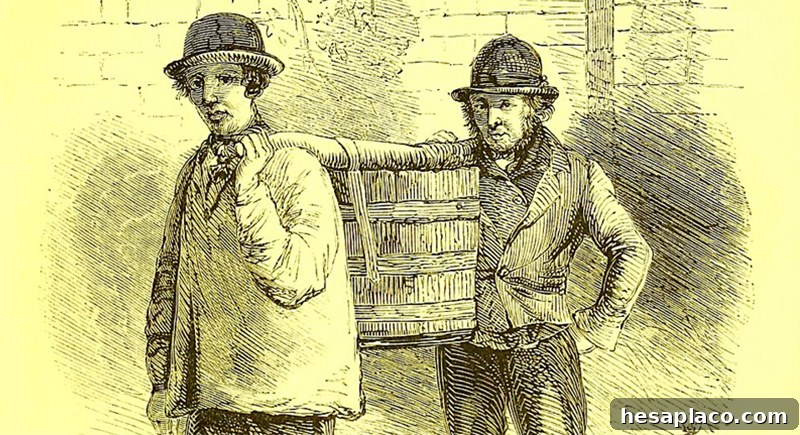
In Tudor England, gong farmers worked at night, wading into cesspits choked with human waste. Armed with shovels and buckets, they removed excrement to prevent pits from overflowing and contaminating the streets. Underground conditions were hazardous: noxious gases often accumulated and could render workers unconscious or worse.
Chimney Sweep
Credit: Canva
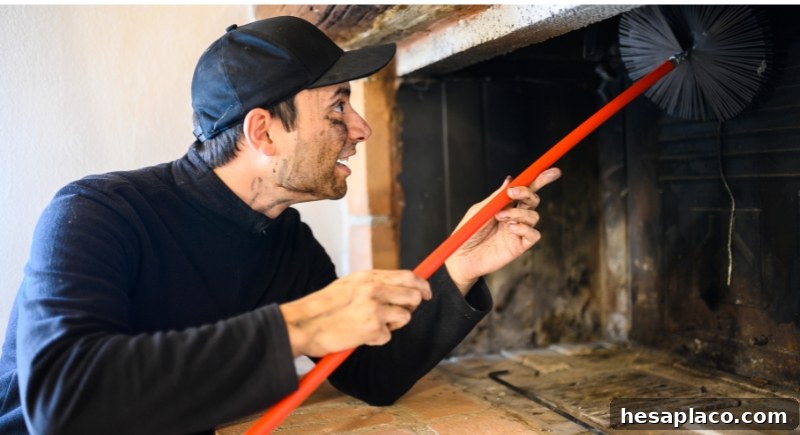
In 18th- and 19th-century Britain, children as young as six were sent up narrow chimneys to scrape away soot. Chimneys could be blisteringly hot because fires often burned below, and young sweepers suffered scalds, crushed ribs, and other brutal injuries. Prolonged exposure to soot also led to respiratory problems and cancers that deformed and shortened lives.
Matchstick Worker
Credit: Wikimedia Commons
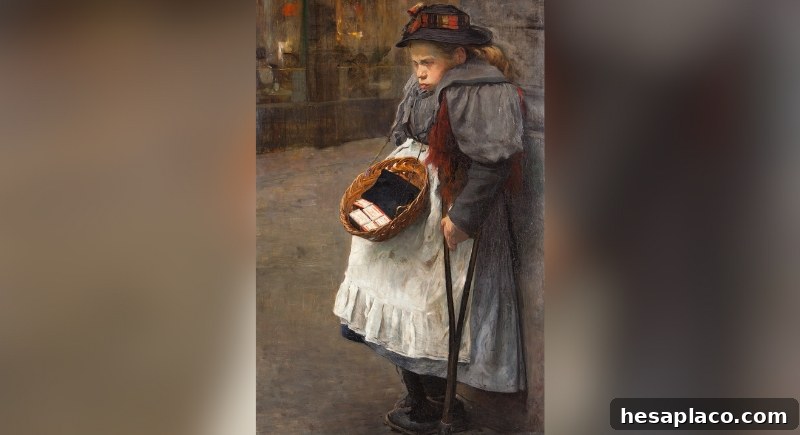
Factories that used white phosphorus to make matches filled the air with toxic fumes that caused “phossy jaw,” a condition that literally ate away jawbone. Young women spent endless shifts dipping and packing matches, inhaling chemicals and enduring chronic coughs and disfigurement. A notable strike in London in 1888 helped push for reform, but many women had already suffered irreversible harm before conditions improved.
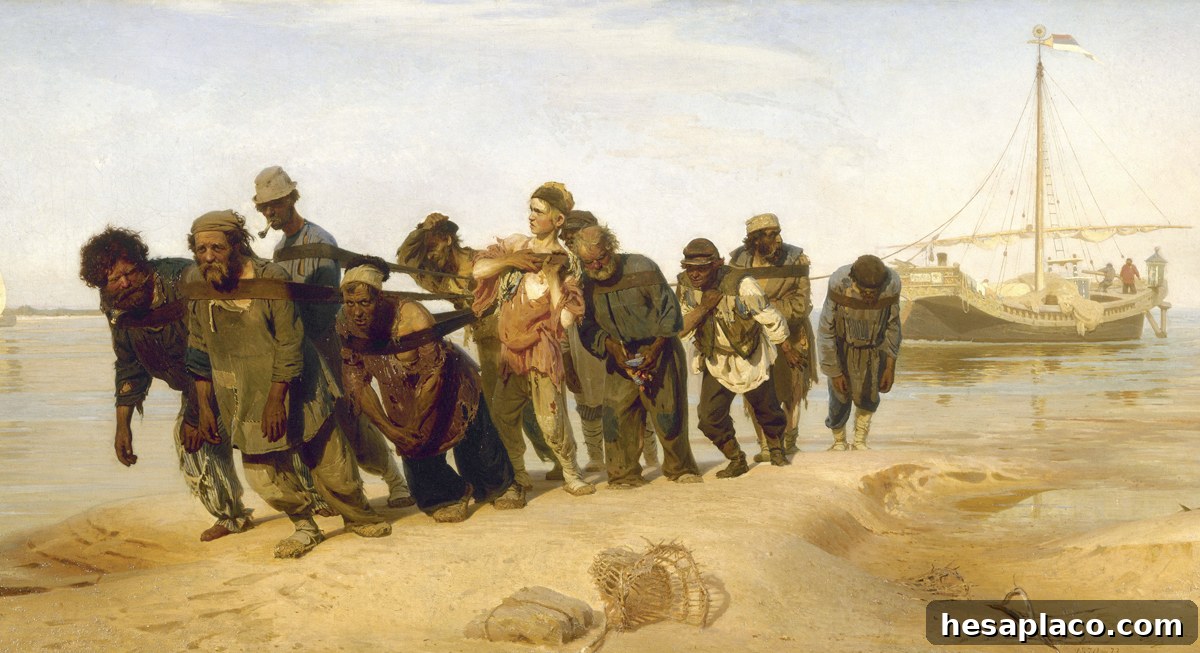
Burlak
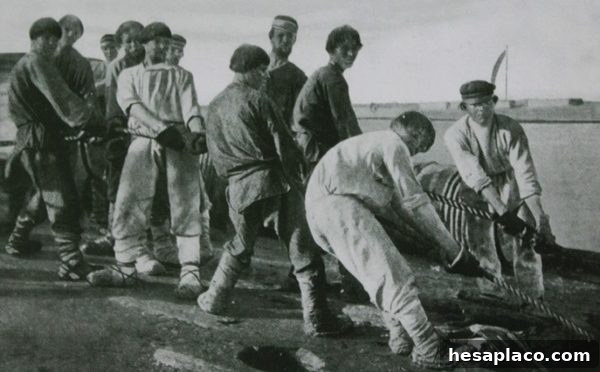
Along the Volga River, burlaks—groups of men—dragged barges upstream by pulling on ropes looped over their shoulders. The work was backbreaking: muscles tore under the strain, feet and legs slogged through mud, and exhaustion was constant. Men sometimes collapsed and were left behind as the convoy moved on. When rivers froze in winter, many faced seasonal unemployment and struggled to find work to survive.
Snake Milker
Credit: Wikimedia Commons
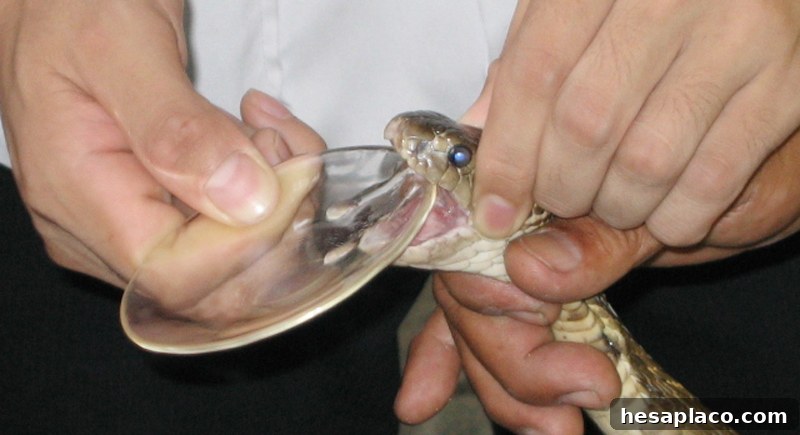
Snake milkers handled venomous snakes to extract venom for antivenom production and research. Each encounter risked a lethal bite—one wrong movement could be fatal. Milkers controlled the snake’s head and coaxed venom into a container, a task demanding steady nerves and precise technique. Many did not survive long in the trade due to the high risk.
Army Drummer
Credit: iStockphoto
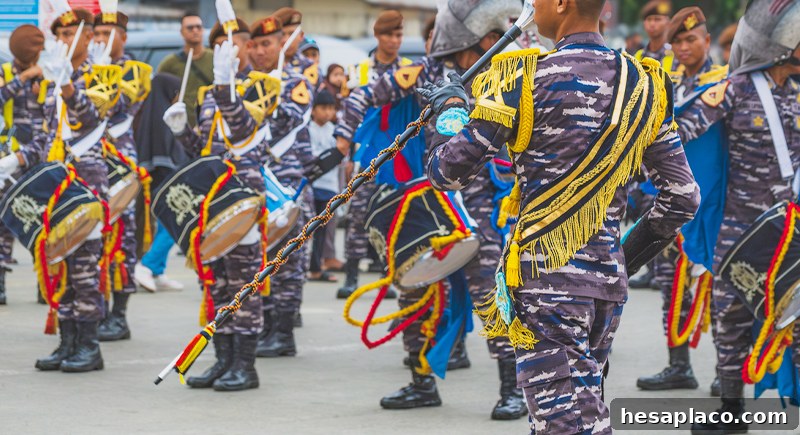
During wars such as the American Civil War, young drummers relayed commands across battlefields through drum signals. Without radios, their beats directed advances, retreats, and maneuvers. That made them prime targets. Drummers were often unarmed yet performed multiple tasks—delivering messages, carrying the wounded, fetching supplies, and digging graves—while constantly exposed to combat danger.
Groom of the Stool
Credit: Youtube
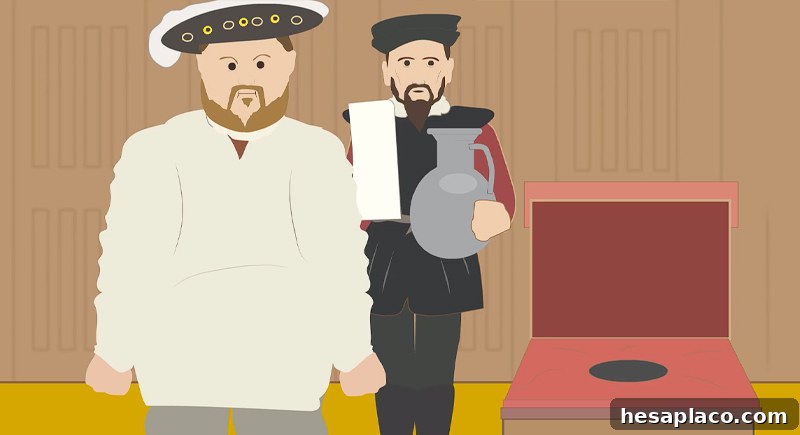
A royal court appointment in medieval and early modern times, the Groom of the Stool assisted monarchs with their most private bodily needs and recorded details about their health. Although the position brought close daily access to royal power and confidential conversations, the work itself was undignified and carried risks of disease and social stigma that made the role far from desirable.
Wool Fuller
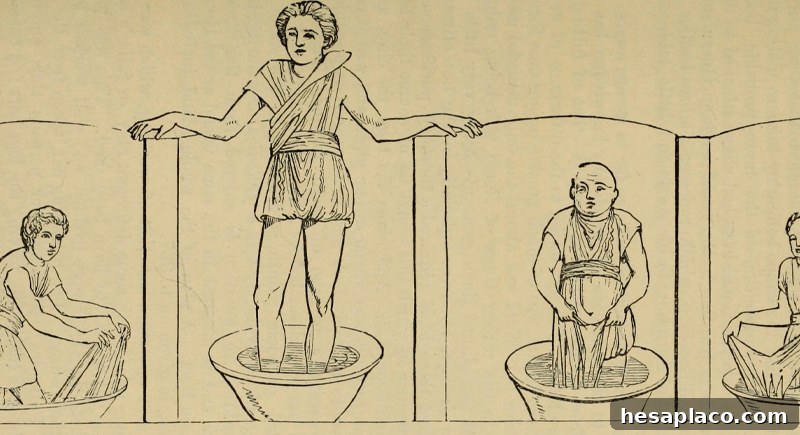
Credit: Wikimedia Commons
Before modern detergents, fullers softened and cleaned wool by treading it in vats of stale urine and water. The pungent fumes irritated lungs and eyes, and long hours of stomping left legs numb and prone to injury. Constant wet conditions and contact with contaminants led to frequent skin infections, yet the textile industry depended on this grueling labor to prepare cloth.
Arming Squire
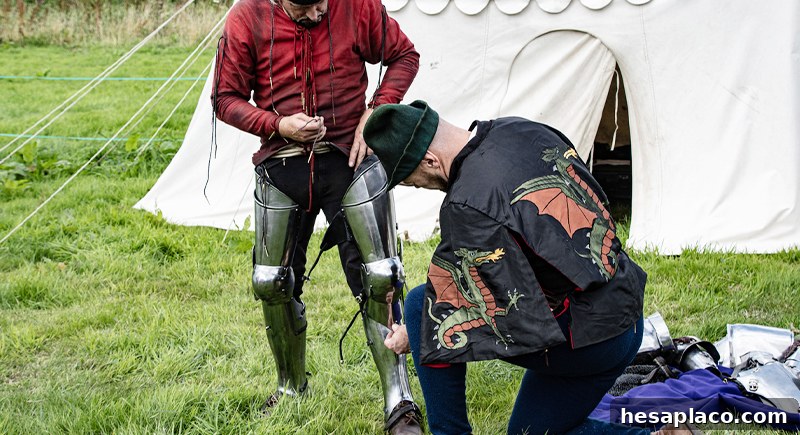
Credit: iStockphoto
On medieval and early modern battlefields, arming squires kept a knight’s armor and weapons in fighting condition—often while under fire. They rushed to repair dents, replace straps, and ready weapons, sometimes in the midst of combat, and routinely cleaned blood and mud afterward using harsh materials. The job was dangerous and thankless, with frequent injury and minimal recognition.
Pure Finder

Credit: Getty Images
In 19th-century cities, tanneries used enzymes found in dog feces to soften leather, creating a market for “pure finders” who collected excrement from the streets. These workers learned which routes yielded the best material and guarded their territory from rivals. Handling waste daily exposed them to infection and left a persistent, unpleasant smell that clung to their clothes and skin.
Leech Collector
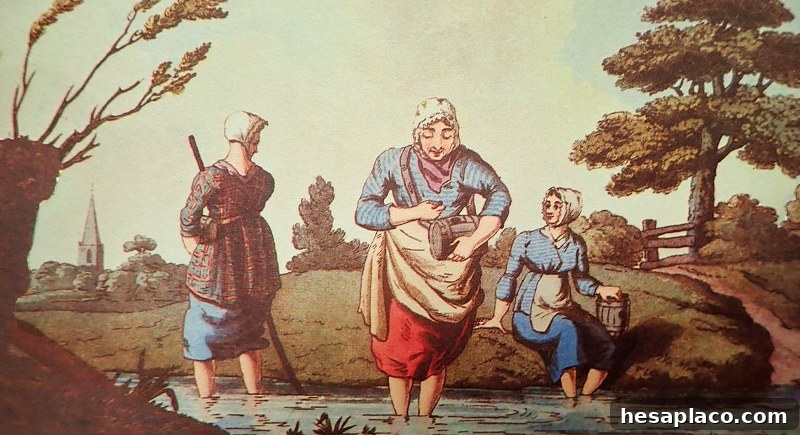
Credit: Wikimedia Commons
Leeches were in demand for medical bloodletting, so collectors waded barefoot into marshes and ponds to gather them. Leeches attached to skin, leaving multiple bleeding wounds that often became infected. Collectors spent long days searching and then storing live leeches in jars. Overharvesting reduced local populations, but financial incentives kept people returning to the marshes despite the risks.
Tosher
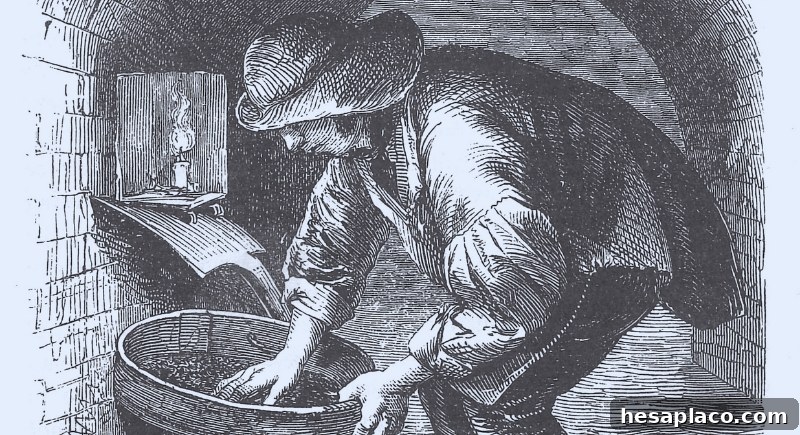
Credit: Wikimedia Commons
Toshers scavenged Victorian sewers for lost goods and scrap. Working by dim lantern light in fetid tunnels, they risked sudden floods and exposure to toxic gases that could cause blackouts. The work was filthy and dangerous, yet the small rewards from recovered valuables drew many into the underground trade.
Plague Bearer
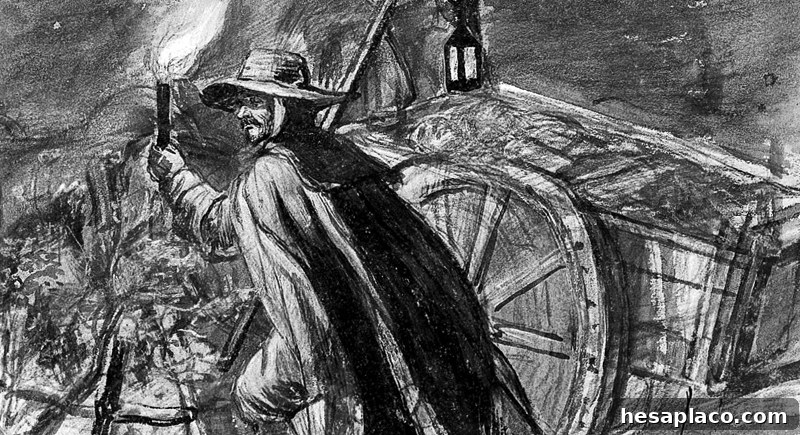
Credit: Wikimedia Commons
During deadly outbreaks, plague bearers collected the dead from homes and streets, loading bodies onto carts and helping dig mass graves. They worked amid decay and foul odors, often breathing air laden with disease. Those who performed this work were essential, but they were frequently shunned by neighbors and lived under the constant threat of infection.
Rat Catcher
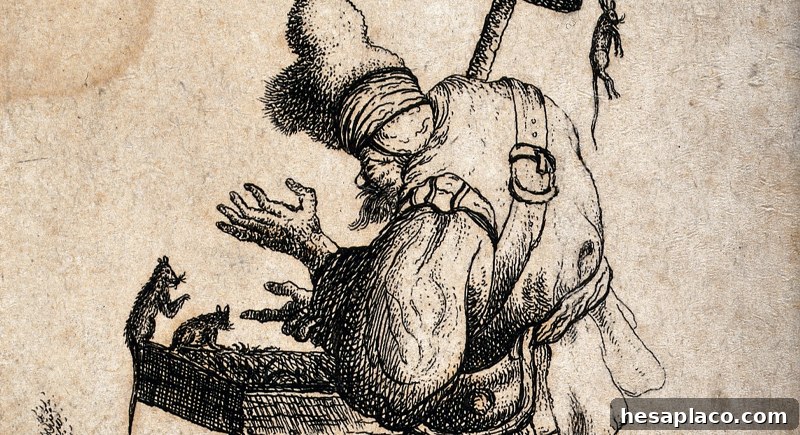
Credit: Wikimedia Commons
Rat catchers worked in cities plagued by rodents, often capturing rats by hand or with traps. They faced frequent bites and scratches that could become infected, and they risked exposure to diseases carried by rodents. Some sold live rats for sport or to laboratories, while others offered pest control services, making the job hazardous and unpopular.
Resurrectionist
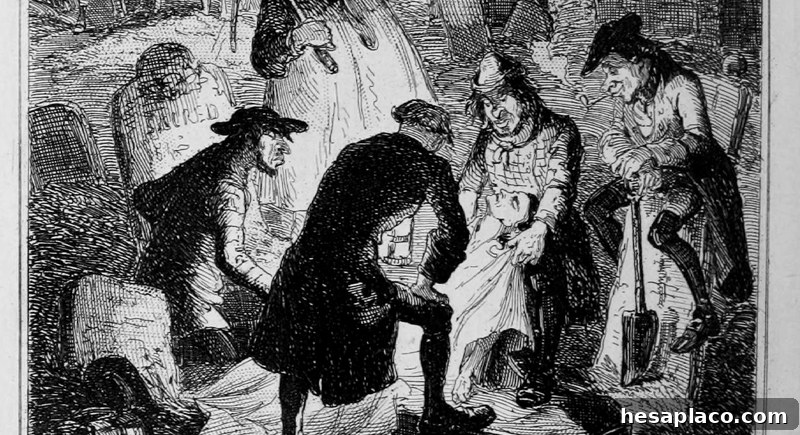
Credit: Wikimedia Commons
Known also as grave robbers, resurrectionists exhumed recently buried bodies to sell to medical schools. They carried corpses through mud and darkness, often pursued by angry locals or law enforcement. The stench, the moral stigma, and the health risks made the work grim, yet high demand from anatomical schools ensured steady if illicit income for those willing to take the risk.