
Your credit score affects many parts of life: lenders, landlords, utility companies, and even employers may consider it. When your score falls below about 670, you can face higher interest rates, loan denials, deposits for basic services, and fewer favorable offers. These consequences can shape everyday decisions—from where you live to how much you pay for insurance—and make financial recovery slower. Below are common ways a lower score shows up in real life.
Higher Interest Rates on Loans and Credit Cards

Credit: iStockphoto
Lenders evaluate risk, not aspirations. A lower credit score often leads to higher interest rates on mortgages, auto loans, personal loans, and credit cards. Those added costs can compound over time, increasing monthly payments and making it harder to pay down principal. What looks like a small rate difference can translate into significant extra expense across a loan’s lifetime.
Loan Applications May Be Rejected Altogether
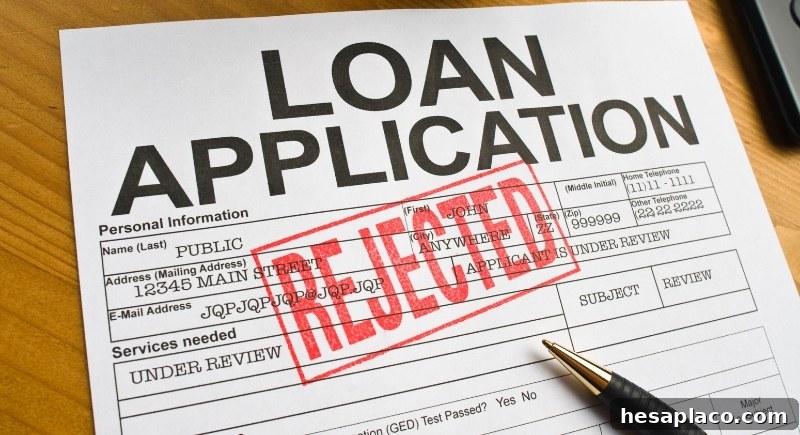
Credit: Getty Images
Beyond higher costs, a low score can lead to outright denials. Auto financing, credit lines, or personal loans can be declined despite steady income or good employment. Lenders often view recent late payments or high balances as red flags that outweigh other strengths, leaving fewer borrowing options available.
Rental Applications Can Be Declined

Credit: Getty Images
Many landlords review credit reports before approving tenants. In competitive rental markets, a single negative entry may be enough to disqualify an otherwise qualified applicant. Some landlords might demand a larger security deposit or require a co-signer, while others simply move on to candidates with better credit histories.
Utility Companies Might Ask for Deposits

Credit: Getty Images
Electric, gas, water, and internet providers often check credit before activating service. If your score is low, companies may require an upfront deposit to offset perceived risk. Those deposits increase the immediate cost of moving or setting up a new household and can strain limited budgets.
Cell Phone Plans Could Require Prepayment

Credit: freepik
Mobile carriers commonly run credit checks before approving postpaid plans. A poor score can mean you’re steered toward prepaid plans, required to pay for devices upfront, or charged higher deposits. These alternatives often lack perks and can be more costly over time, reducing flexibility and convenience.
Auto Insurance Premiums May Be Higher

Credit: Canva
Insurers in many states use credit-based factors when setting premiums. A weaker credit history can lead to higher auto insurance rates even if you have a clean driving record. Those added costs may be modest month to month but accumulate over years, reducing disposable income and savings potential.
Employment Offers Can Be Impacted

Credit: Getty Images
Some employers—especially in finance, security-sensitive roles, or positions with fiduciary duties—review credit history as part of hiring. They typically look for patterns of financial mismanagement or significant unresolved debts. A problematic credit report can make an employer favor another candidate, despite qualifications.
Difficulty Getting Approved for Mortgages
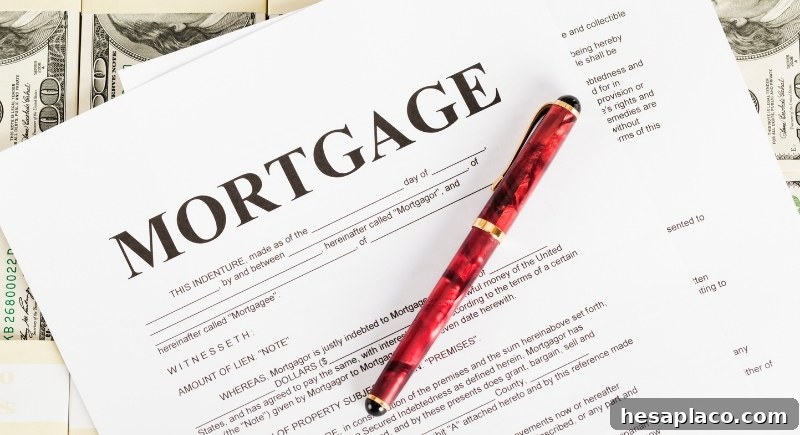
Credit: Getty Images
Purchasing a home requires meeting lenders’ credit standards. A low score can disqualify you from preferred conventional loans or lead to higher rates and less favorable terms. Even with a solid down payment, you may face limited mortgage options or need to delay buying until your credit improves.
Smaller Credit Limits on Cards

Credit: freepik
Approval for a credit card doesn’t guarantee a high limit. Lower scores often receive modest credit lines, which restrict purchasing power and can lead to high utilization ratios if balances are substantial. High utilization can, in turn, further depress your credit score, creating a cycle that slows rebuilding.
Balance Transfer and Promotional Offers May Be Off-Limits

Credit: Canva
Cards that offer 0% introductory rates or attractive balance transfer terms tend to require strong credit. Without access to these promotions, you may pay higher interest while juggling multiple accounts, making it harder to consolidate debt and reduce interest expense efficiently.
Higher Cost of Borrowing for Emergencies

Credit: iStockphoto
When unexpected expenses arise, lower credit scores can lead to costlier emergency borrowing. Options like unsecured personal loans or short-term financing may come with high interest rates and fees, increasing the risk that an emergency debt becomes difficult to escape.
Harder Time Accessing Credit-Building Tools
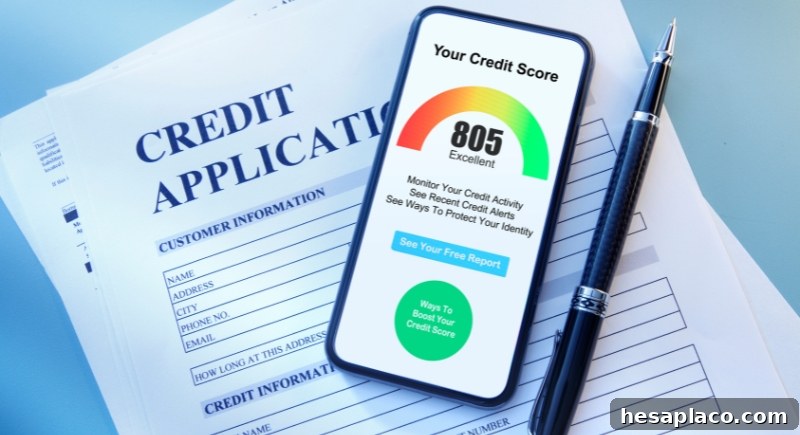
Credit: Getty Images
Products designed to rebuild credit—secured cards, credit-builder loans, and some starter products—still require minimum qualifications. A poor report can block access to these tools or result in less helpful versions, making it harder to establish the positive payment history needed to recover.
More Frequent Rejections for Store Financing Offers

Credit: freepik
Retail financing and promotional arrangements—like deferred-interest plans for electronics or furniture—usually favor consumers with stronger credit. Denials for these offers can limit your ability to spread payments for big purchases and may force you to pay higher rates or delay essential purchases.
Strain on Personal Relationships Involving Co-signing

Credit: freepik
Asking someone to co-sign is common when credit is weak, but it can create tension. Co-signers assume financial responsibility and may be reluctant to help. Even if they agree, your lower credit profile can affect loan terms and place stress on personal relationships if payments become a problem.
Longer Approval Times and Added Paperwork

Credit: freepik
Lower scores often prompt additional verification steps. Lenders, landlords, and service providers might request pay stubs, explanations for past delinquencies, references, or other documentation. These extra requirements slow approvals and create friction when timing matters—such as securing housing or closing a loan quickly.
Although a low credit score brings real obstacles, many of these effects can be eased over time through consistent on-time payments, sensible use of credit, and targeted tools when available. Monitoring your credit, addressing errors on reports, and building a clear plan to reduce debt can help restore access to better terms and broader financial choices.