Seeing inside luxury homes often reveals details that surprise even those who expect extravagance. These elements are less about ostentation and more about access, planning, and daily habits that most people never encounter. Below are features that reveal how homeowners live and what they surround themselves with on a routine basis.
Private Library
Credit: Getty Images
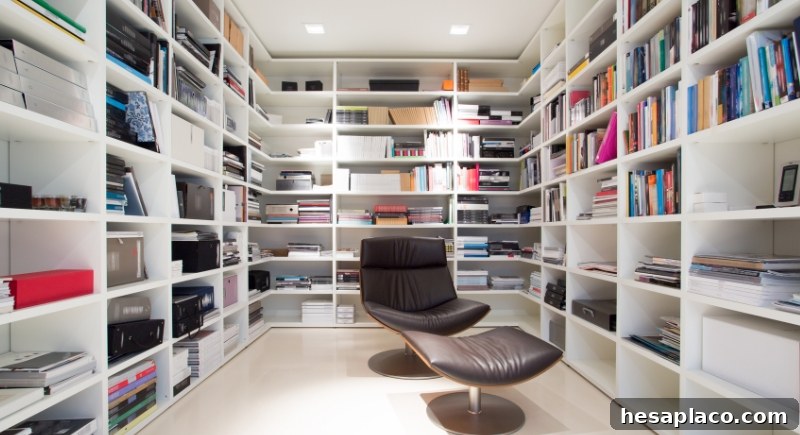
Affluent homeowners often dedicate entire rooms to books rather than scattering shelves throughout the house. You may find first editions in glass cases, archival volumes that demand careful handling, and curated collections of art and history books. A private library becomes both a functional space and a statement about intellectual priorities and long-term collecting habits.
Grand Staircase
Credit: Getty Images
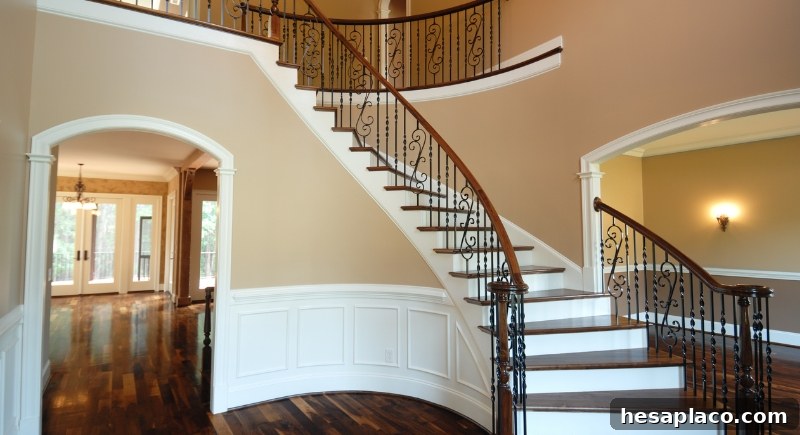
In large estates, staircases are designed as architectural centerpieces, not merely functional links between floors. Wide treads, imported marble, and hand-wrought iron balustrades transform staircases into focal points that set the tone for the home’s scale and character. They invite admiration the moment a guest steps inside.
Indoor Aquariums

Credit: Getty Images
Large indoor aquariums built into walls command attention. These multi-foot installations often house rare species and require precise temperature, lighting, and filtration systems. Beyond their visual impact, they reflect a commitment to ongoing care and specialized maintenance.
Home Gym
Credit: Canva
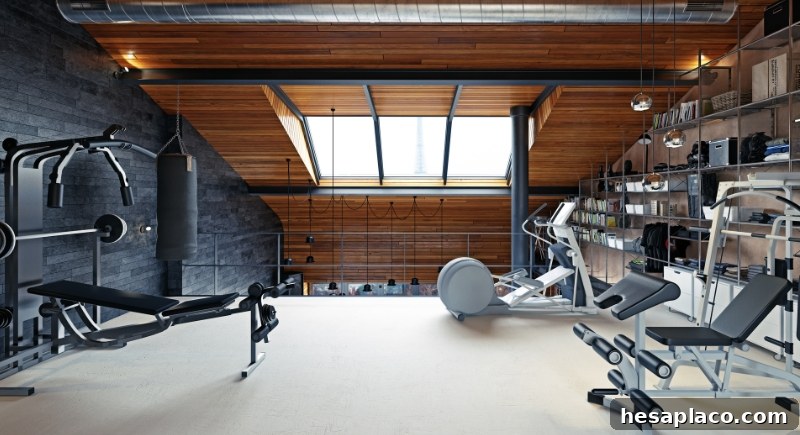
High-end home gyms resemble boutique wellness centers. Floor-to-ceiling mirrors, multiple stations of commercial-grade equipment, and space for trainers who work on-site create an environment for comprehensive fitness routines. These rooms emphasize convenience and privacy without sacrificing quality.
Integrated Sound Systems
Credit: Canva
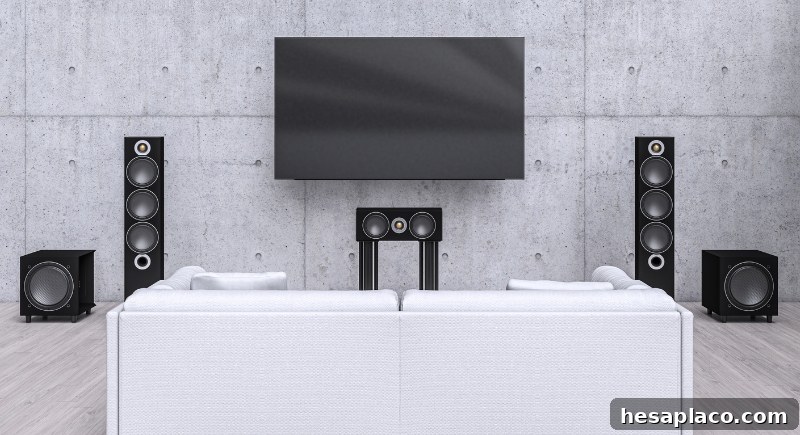
Hidden speakers and whole-house audio systems let music flow seamlessly from room to room. In many luxury properties, equipment is concealed in ceilings or behind panels so sound is immersive while the technology remains discreet. These systems are often controlled by centralized panels or apps for effortless operation.
House Staff

Credit: Getty Images
Maintaining a large estate requires a team: gardeners, maintenance crews, housekeepers, and often a property manager. Staff coordinate deliveries, prepare the house for guests, and handle routine upkeep. Their work keeps even unused rooms dust-free and the property ready for spontaneous events.
Multiple Ovens
Credit: pixelshot
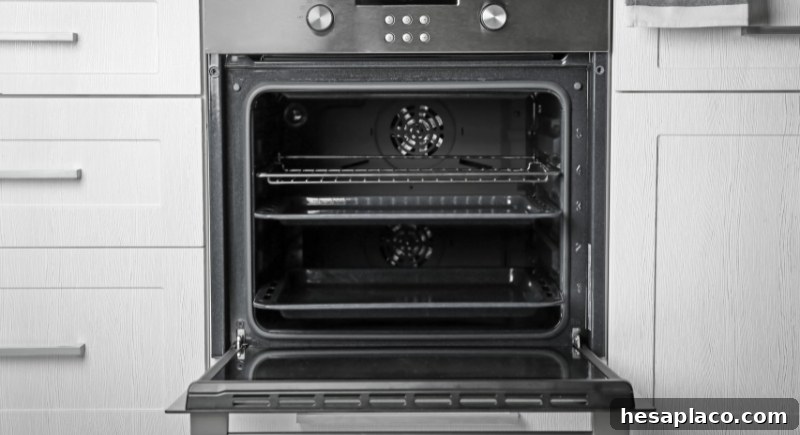
Multiple ovens are common in luxury kitchens, where large-scale entertaining or complex meal prep demands simultaneous cooking. It’s practical to roast, bake, and keep dishes warm at the same time, making two or three ovens a sensible feature for hosts and professional chefs alike.
Heated Floors

Credit: Canva
Radiant floor heating is a costly but comfortable upgrade found in many luxury homes. Installed beneath tile or stone, these systems warm specific zones—bathrooms, kitchens, mudrooms—using thermostats that allow precise control. The result is consistent comfort without bulky radiators.
Private Theaters
Credit: Getty Images
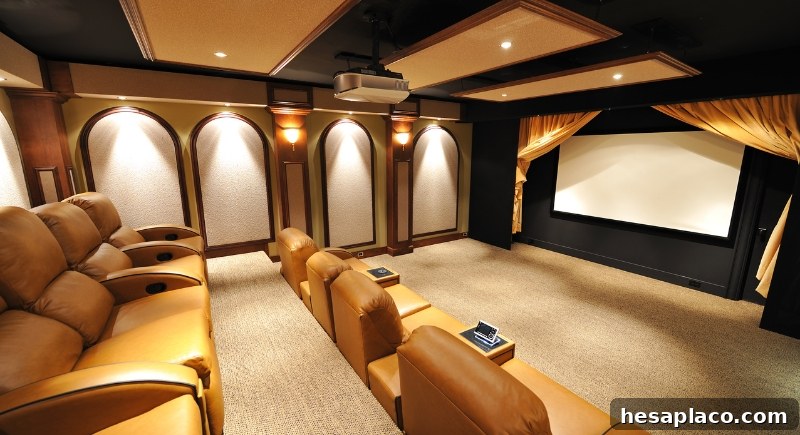
Private screening rooms replicate the moviegoing experience with tiered seating, acoustic insulation, and precision sound systems. These theaters are designed for both social gatherings and quiet, immersive viewing, with lighting and climate controls that enhance comfort and audiovisual performance.
Unused Rooms
Credit: Canva
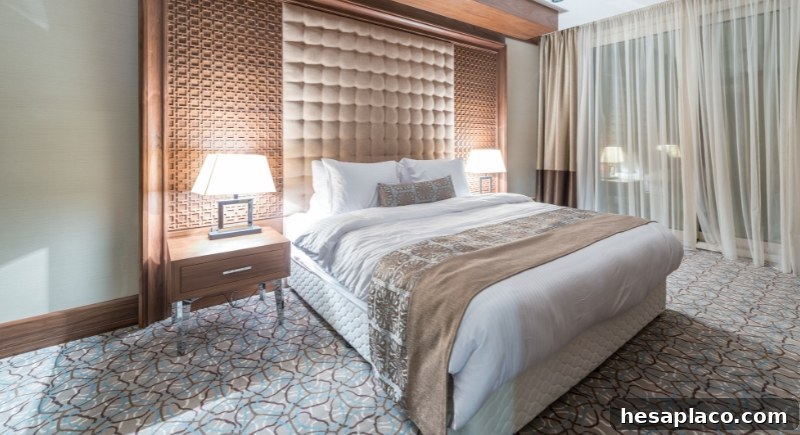
Mansions with many bedrooms often include rooms that go unused for long stretches. Surveys of high-net-worth homeowners indicate several rooms in large homes are rarely entered, yet staff still maintain them to preserve finishes and prevent decay. Unused spaces remain part of the overall fabric of the estate.
Multi-Car Garages
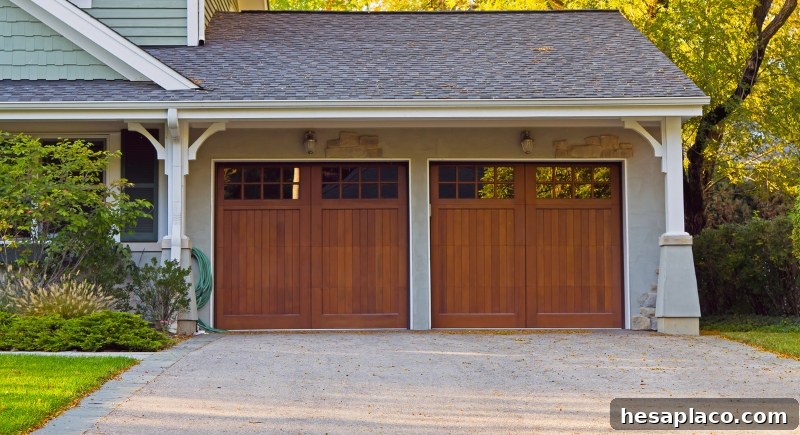
Credit: Getty Images
High-end garages resemble showrooms for prized collections of cars. Climate control, rotating platforms, and meticulous detailing protect each vehicle’s finish and interior. Owners who collect rare and exotic cars depend on these features to keep their collections in pristine condition.
High-Value Art

Credit: pexels
Art has long signaled wealth and cultural interest. Displaying significant paintings or sculptures shapes a home’s personality, sparks conversation, and can increase property value. Proper installation, lighting, and documented provenance are essential to protect both aesthetic and financial value.
Indoor Bowling Alley
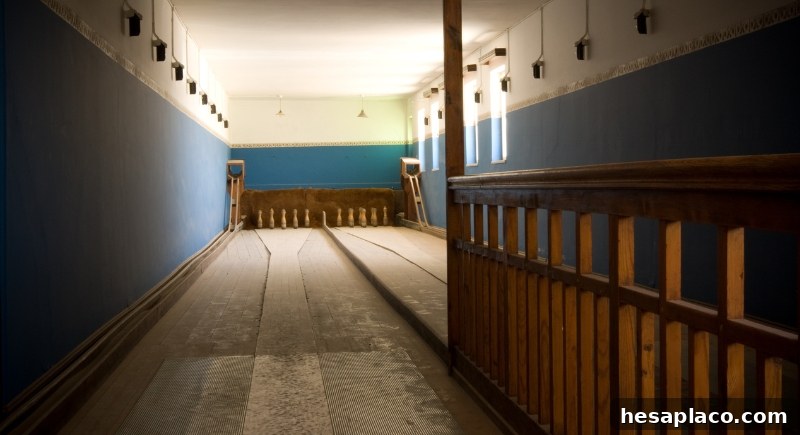
Credit: Getty Images
Some luxury homes include full-length bowling lanes in their lower levels. These spaces feature regulation lanes, custom scoreboards, and professional-grade flooring. They enable private games and tournaments while technicians handle mechanical maintenance and lane upkeep.
Expansive Bathrooms
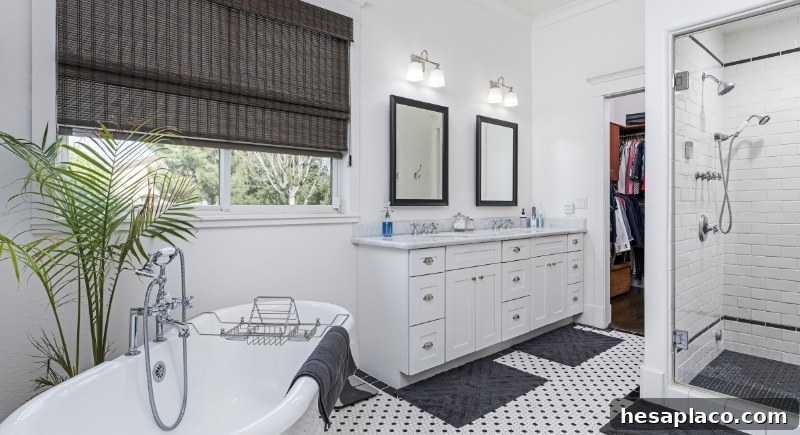
Credit: Getty Images
Bathrooms in many luxury residences rival small apartments in size. Separate soaking tubs, expansive walk-in showers, and integrated dressing areas create private spaces for relaxation and preparation. This approach echoes historical traditions of bathing as a social and restorative practice.
Secret Passages

Credit: Getty Images
Hidden passages behind bookcases or paneling serve both practical and dramatic purposes. They offer discreet access to private offices, storage, or alternate staircases known only to owners and staff. Architects and designers increasingly receive requests for concealed routes that balance security, convenience, and mystery.