
Retiring at home can feel comforting, but the reality of home upkeep often surprises even well-prepared retirees. Fortunately, many practical strategies can help older homeowners manage repairs and maintenance without draining their savings. The key is to find reliable, low-cost solutions that fit a fixed income while keeping the house safe and comfortable.
Below are proven, practical approaches older homeowners use to maintain their homes affordably and with minimal stress.
Call on Family or Close Friends
Credit: Canva
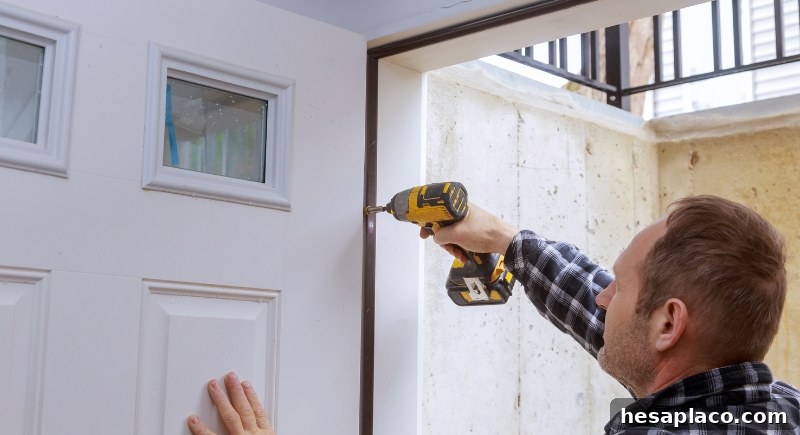
Not every minor problem needs a professional. Loose steps, squeaky doors, or simple trim work can often be handled by family members, neighbors, or close friends. Adult children and nearby acquaintances sometimes organize casual “fix-it” days, which saves money and turns maintenance into a social activity. Accepting help from trusted people also reduces the time and hassle of finding contractors for small tasks.
Ask Neighbors for Shared Referrals
Credit: Getty Images
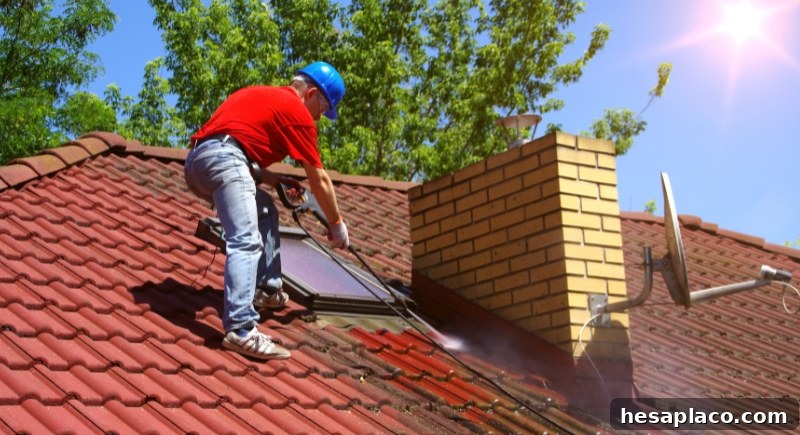
Neighbors are valuable sources of referrals for dependable contractors. When several homeowners in an area use the same roof cleaner, gutter service, or landscaper, vendors may offer discounts for clustered appointments. Personal recommendations reduce the risk of hiring unknown professionals and provide firsthand insight into quality and reliability.
Check With Local Nonprofit Agencies

Credit: Canva
Many nonprofit organizations offer free or reduced-cost maintenance services to seniors who meet income or eligibility guidelines. These programs often pair homeowners with vetted workers for basic repairs and safety upgrades. Contacting local Area Agencies on Aging or community service organizations can reveal options in your region that significantly reduce maintenance costs.
Use Home Health Aides Strategically

Credit: Canva
Home health aides and companions are not handymen, but they can help by spotting safety hazards like loose rugs, slippery floors, or failing grab bars. Early detection of minor problems prevents accidents and costly emergency repairs later. Caregivers can also communicate maintenance concerns to family or property managers promptly.
Ask Your Financial Advisor for Recommendations

Credit: pexels
Financial advisors often hear about contractors their clients trust and may keep referral lists of reliable professionals. They can also help plan how to fund substantial updates—like a new deck or HVAC replacement—so these projects do not strain retirement income. An advisor’s perspective can prevent rushed or expensive decisions made during emergencies.
Use Online Services Cautiously

Credit: pressmaster
Online platforms make it easy to find help, but retirees should vet profiles and reviews carefully. Choose sites that screen providers and include verified photos or references. Calling references and reading reviews in detail reduces the chance of poor workmanship or inflated charges. The aim is to hire competent professionals without paying for unnecessary extras or redoing work.
Budget for High-Cost, Infrequent Repairs
Credit: Getty Images
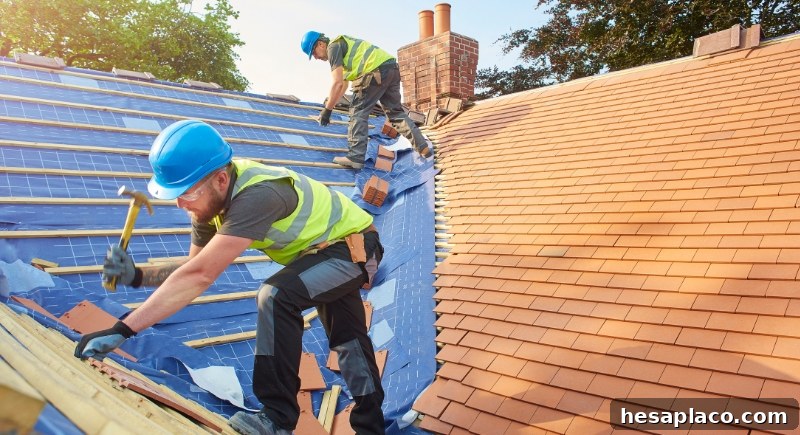
Major components—like roofs, foundation slabs, or major systems—eventually need attention. These big-ticket items can be disruptive if ignored. Many retirees make annual assessments of aging systems so they’re not surprised when a replacement becomes necessary. Planning ahead lets you seek competitive bids and schedule work at more favorable times.
Set Aside 1%–3% Annually for Upkeep

Credit: Getty Images
A practical guideline is to reserve between one and three percent of your home’s value each year for maintenance. These funds cover predictable expenses like HVAC servicing, exterior touch-ups, and seasonal yard care. Maintaining a dedicated reserve helps routine costs stay manageable and prevents them from interfering with other retirement expenses.
Include Accessibility Upgrades in Your Planning

Credit: Canva
Preparing your home for long-term livability often means adding safety features such as handrails, non-slip flooring, or ramps. These changes require upfront investment but reduce the risk of falls and emergency medical costs. Planning accessibility upgrades in advance spreads the financial impact and avoids rushed decisions that can cost more in labor and materials.
Tap Into Shared Maintenance Plans
Credit: Getty Images
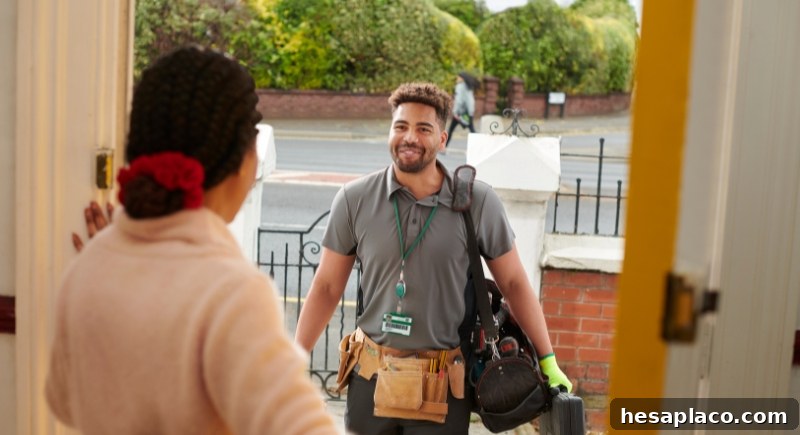
Some home care companies now offer bundled services that combine light handyman work with personal support visits. These packages may include quick plumbing checks, minor appliance tuning, or small repairs tied to caregiver visits. For those already using in-home care, bundling maintenance with care appointments can make upkeep more predictable and reduce the effort of hiring multiple contractors.
Explore HOA Coverage for Condo Owners
Credit: Canva
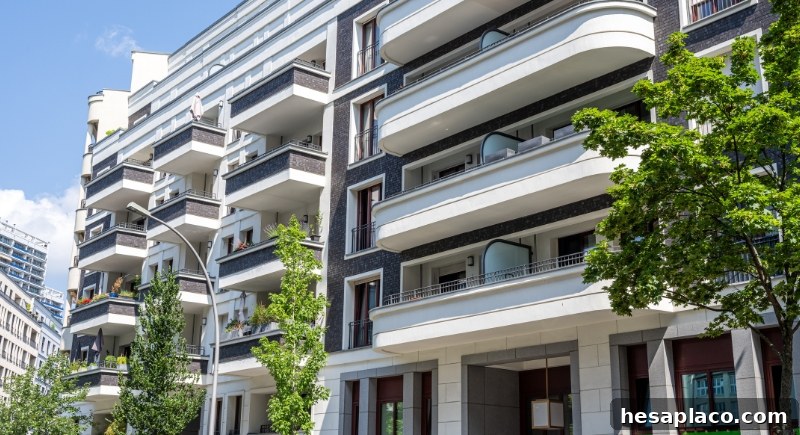
Downsizing into a condo or townhome can shift many exterior maintenance responsibilities to a homeowners’ association, which often handles roofs, exterior paint, and landscaping. This reduces the individual homeowner’s direct maintenance burden. However, interior upkeep remains the owner’s responsibility, so include those costs in your personal budget.
Prepare an Emergency Fund Beyond Fixed Expenses

Credit: Creativa Images
Unexpected repairs happen even in the most organized households. Keeping nine to twelve months of living expenses in a separate emergency account provides flexibility to handle a broken furnace or refrigerator without dipping into long-term savings. This cushion prevents costly early withdrawals and helps protect retirement investments from being depleted during market downturns.
Avoid Unsolicited Repair Offers

Credit: Getty Images
Scammers sometimes target older homeowners with urgent-sounding claims. Never hire someone who knocks unannounced or pressures you over the phone. Verify credentials through local business directories or consumer protection agencies and insist on a written estimate before any work begins. Taking these precautions helps avoid costly scams and poor-quality work.
Consider Downsizing to Reduce Maintenance Costs

Credit: Getty Images
For some retirees, maintaining a large home no longer makes financial sense. Moving to a smaller residence typically means fewer appliances, less yard work, and lower ongoing expenses. The equity released from downsizing can fund future repairs, home improvements, or simply provide greater financial security during retirement.
Don’t Be Afraid to Delay Retirement

Credit: pexels
If significant home improvements are looming and funds are limited, continuing to work a bit longer can be a practical solution. Earning additional income to cover immediate repairs preserves retirement savings and provides a smoother transition into retirement. This short-term choice often results in greater financial stability once full retirement begins.
With careful planning, sensible budgeting, and the help of community resources, retirees can keep their homes safe and well-maintained without sacrificing financial security. Small proactive steps—like setting aside a maintenance fund, vetting contractors, and considering accessibility upgrades—make long-term home ownership in retirement both realistic and affordable.