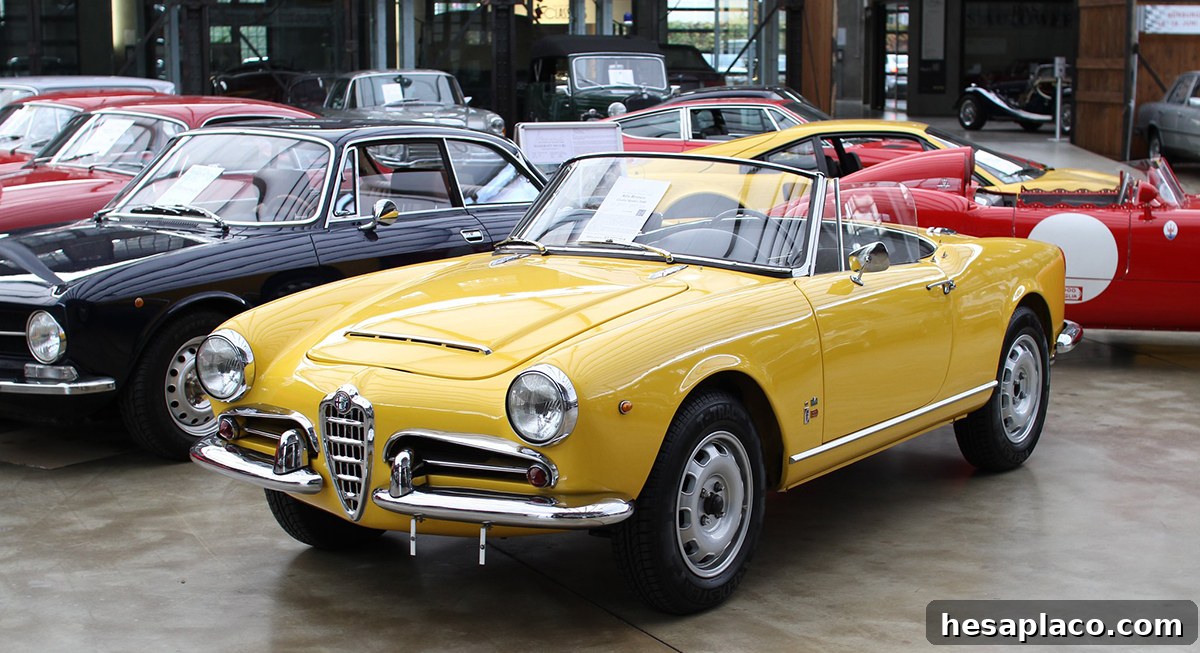
The Alfa Romeo 105 Series, produced from 1962 to 1977, stands as one of the brand’s most influential chapters. These models combined spirited engineering with accessible pricing, proving that everyday cars could still offer passion and personality. From coupe to sedan to Spider, the 105 Series delivered engaging driving dynamics, elegant design, and a genuine connection between driver and machine.
Below are the standout models that defined the 105 Series and left a lasting mark on Alfa Romeo’s legacy.
Giulia Sprint GT Set the Standard Early
Credit: Wikimedia Commons
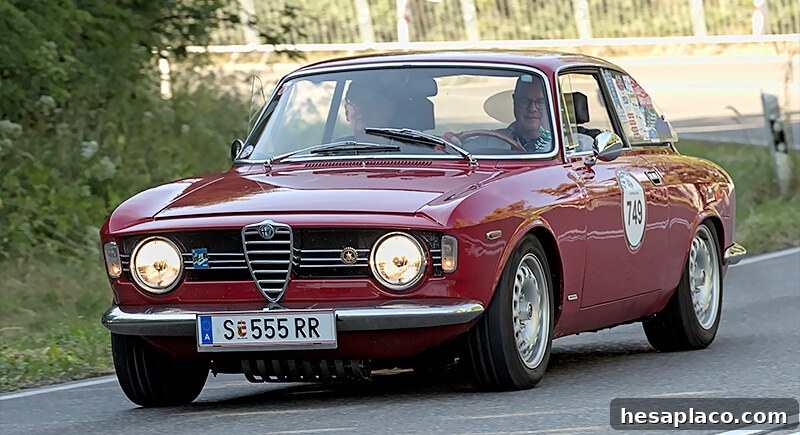
Introduced in 1963, the Giulia Sprint GT launched the 105 Series with unmistakable Bertone styling and classic proportions. Mechanically related to the Giulia Berlina, it used the 1.6-liter twin-cam engine and a five-speed gearbox packaged in a graceful coupe body. The result was a car that felt balanced and eager, offering both everyday usability and genuine sporting character.
GTA Made Lightweight Racing Mainstream
Credit: Wikimedia Commons
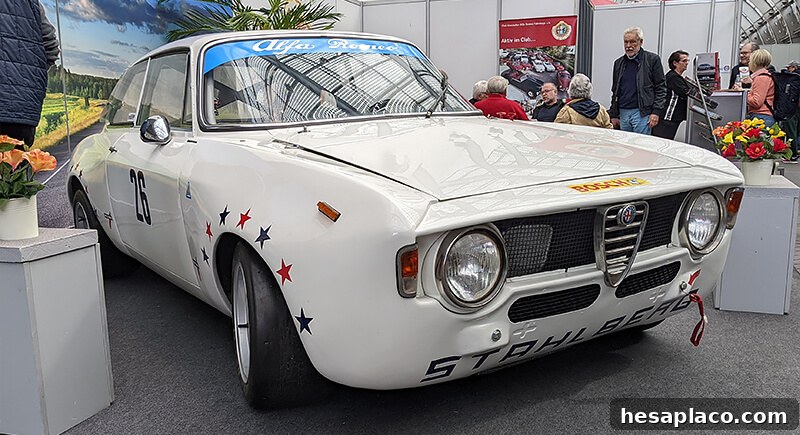
The 1965 GTA wasn’t just a lighter Sprint GT for show—it was a serious racing machine. With thin aluminum body panels, magnesium components, and higher-compression engines, the GTA was built for speed. Many owners took their cars to Autodelta for further development, turning the GTA into a dominant force in touring car racing across Europe.
GTAm Blurred Road and Race
Credit: Wikimedia Commons
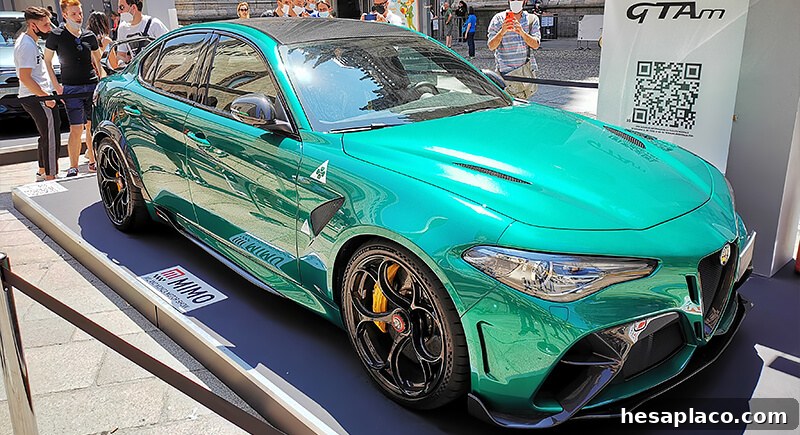
The GTAm took the GTA concept further: wider arches, a more robust engine, and Bosch fuel injection created a car that teetered on the edge of road legality. Based on the 1750 and 2000 GTV platforms, the GTAm was produced in limited numbers but earned a reputation as a track-focused icon cherished by Alfa enthusiasts.
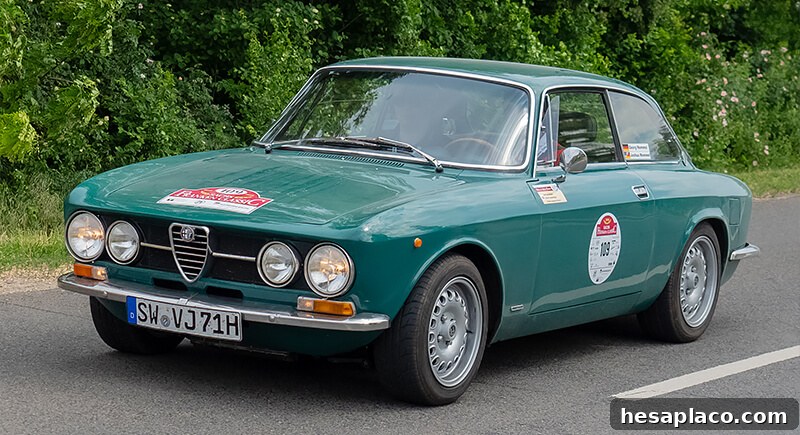
Giulia GTV 1750 Balanced Performance With Civility
Credit: Wikimedia Commons
Arriving in 1967, the 1750 GTV refined the GTV formula by adding torque and comfort without sacrificing its playful character. The larger 1.8-liter engine improved tractability in traffic while revised suspension delivered a more composed ride. The interior received a more polished finish, but the car retained the engaging driving feel that made the series popular.
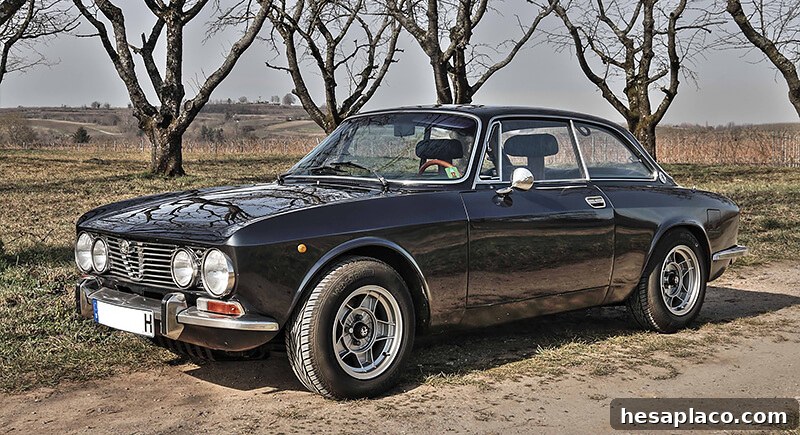
GTV 2000 Closed the Series With Confidence
Credit: Wikimedia Commons
The 2000 GTV, introduced in 1971, was the final significant update to the coupe lineup. Featuring a 2.0-liter Twin Cam with strong midrange performance, larger brakes, and wider wheels, it provided confident road manners and marked a mature culmination of the 105 coupe development.
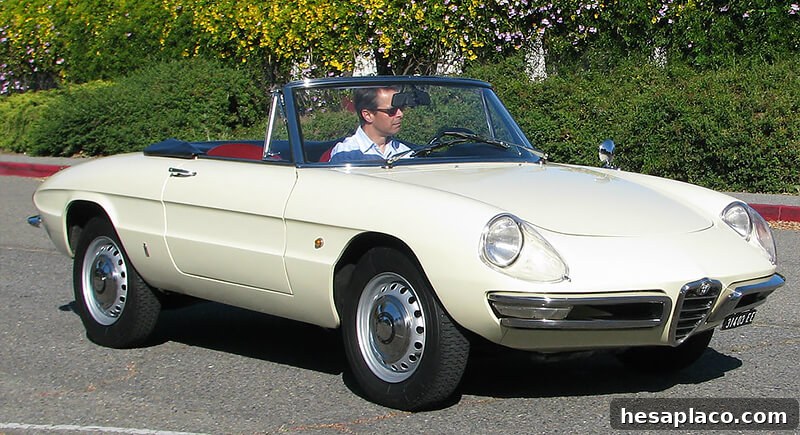
Duetto Spider Brought Style to the Masses
Credit: flickr
Launched in 1966, the Duetto Spider stood out with Pininfarina’s elegant “boat tail” design and distinctive upright headlights. Sharing the lively twin-cam powerplant with the coupes, the Spider combined striking looks with a playful driving experience. Its appearance in film and popular culture helped cement its status as an enduring design icon.
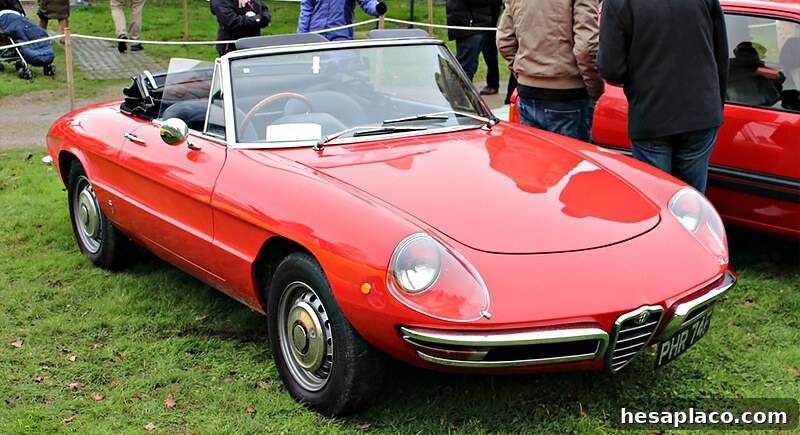
1750 Spider Veloce Added Refinement
Credit: flickr
The 1750 Spider Veloce upgraded the original Spider with a larger engine and a more refined interior. It wasn’t built for the racetrack, but it offered greater comfort and cruising ability while retaining the graceful lines and open-air character that made the Spider special.
Giulia Ti Super Showed Alfa’s Racing Ambition in a Sedan
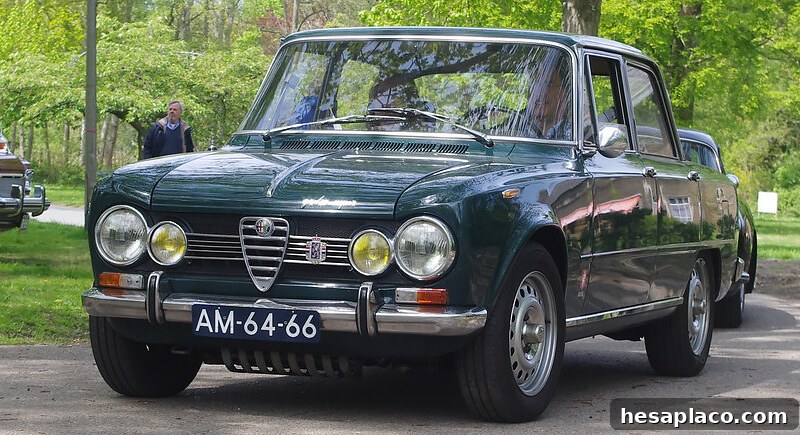
Credit: flickr
While the Giulia Ti Super could be mistaken for an ordinary family sedan, it concealed a performance-focused heart. With reduced weight, extra power, and targeted engineering, the Ti Super bridged road car practicality and motorsport intent. Today collectors prize surviving examples for their rarity and the model’s contribution to Alfa’s competition heritage.
Junior Zagato Brought Sharp Lines to the Family
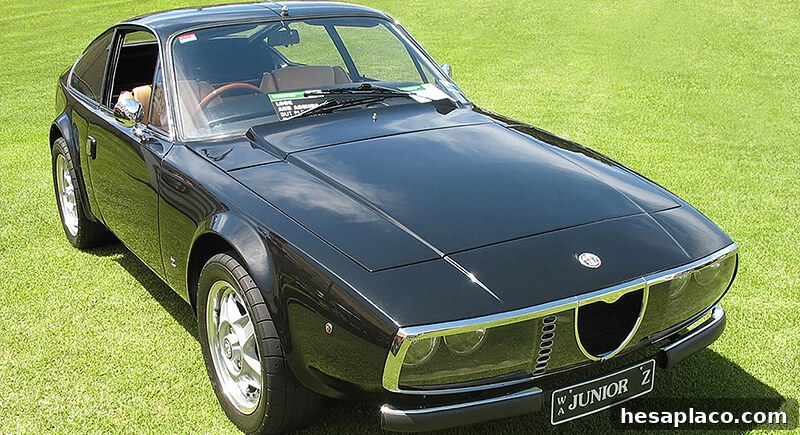
Credit: Wikimedia Commons
Ercole Spada’s 1969 Junior Zagato traded the series’ softer curves for crisp, angular surfaces. Built on the Spider chassis with a lightweight Zagato body, it delivered sharp handling and distinctive styling. Limited production and a bold design made it a standout among enthusiasts.
Giulia Super Was the Sleeper Hit
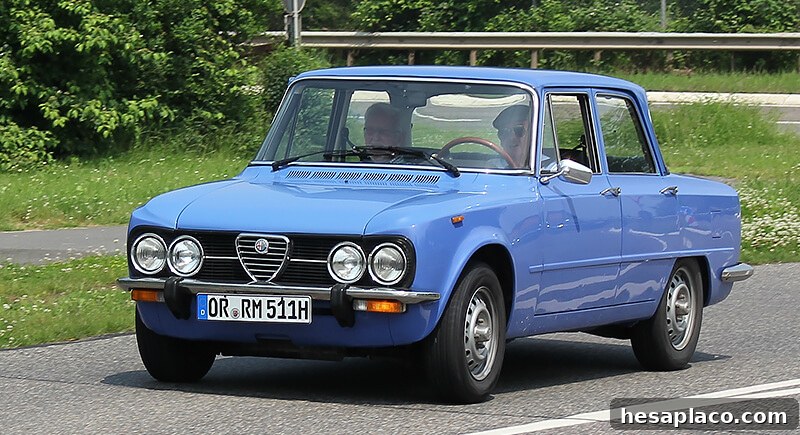
Credit: Wikimedia Commons
The Giulia Super looked understated but packed a lively twin-cam engine and advanced features for its time, including four-wheel disc brakes. Comfortable and practical, it quietly became one of the most versatile models in the 105 range—equally at home on daily commutes and spirited weekend drives.
1300 GT Junior Made Performance Accessible
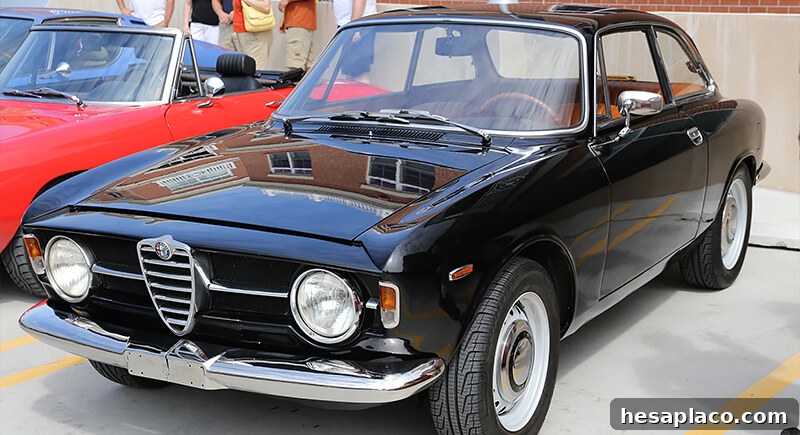
Credit: Wikimedia Commons
Introduced in 1966, the 1300 GT Junior brought the 105 experience to a wider audience. Its 1.3-liter engine offered lively performance while keeping costs down. Styled and engineered to resemble its pricier siblings, the GT Junior became a popular entry point for new Alfa owners.
1600 Junior Struck a Middle Ground
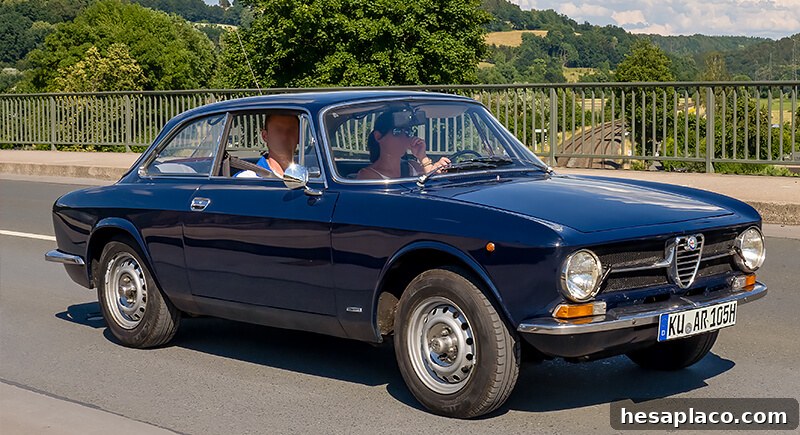
Credit: Wikimedia Commons
The 1600 GT Junior offered a balanced compromise for drivers who wanted more performance than the 1300 without stepping up to a full GTV. Its 1.6-liter engine improved highway manners and made daily driving more relaxed while maintaining the approachable cost and character that made the Juniors appealing.
1750 Berlina Brought Elegance to Practicality
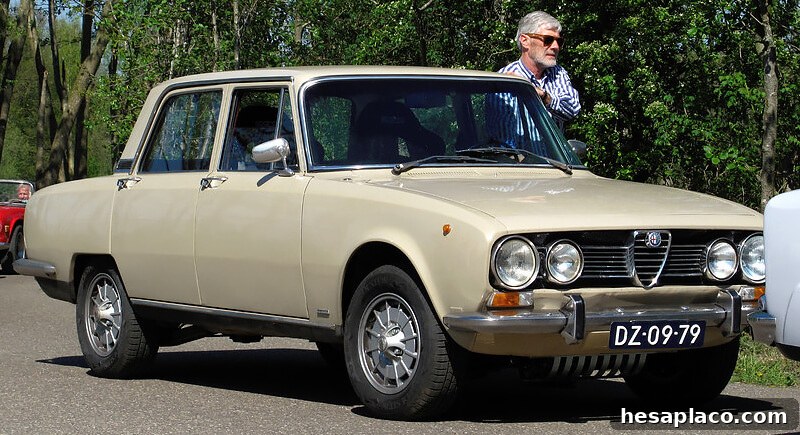
Credit: flickr
The 1750 Berlina targeted buyers who needed a sensible sedan but still wanted driving enjoyment. Sharing mechanicals with the sportier models, it offered refined styling and a practical cabin suitable for family or business use, proving that practicality and character could coexist.
2000 Berlina Refined the Executive Alfa
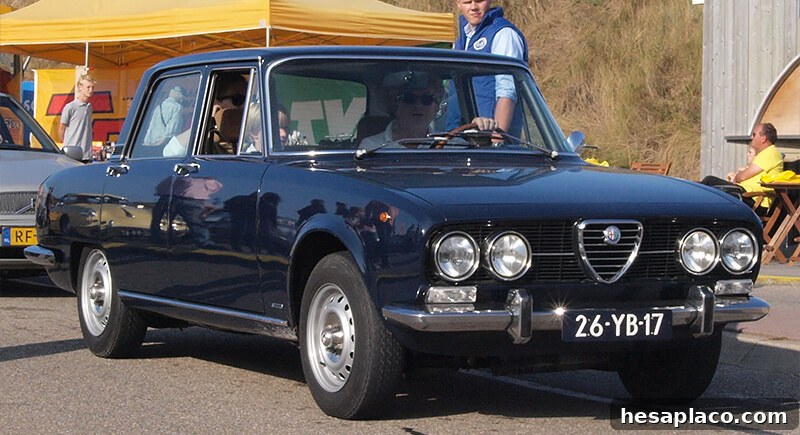
Credit: Wikimedia Commons
The 2000 Berlina rounded out the 105 Series’ evolution as a more refined executive sedan. With a 2.0-liter twin-cam suited to relaxed cruising and an interior leaning toward comfort over sport, it offered a dignified final chapter for the Berlina lineup.
GT 1300 Junior Z Underscored Zagato’s Craftsmanship
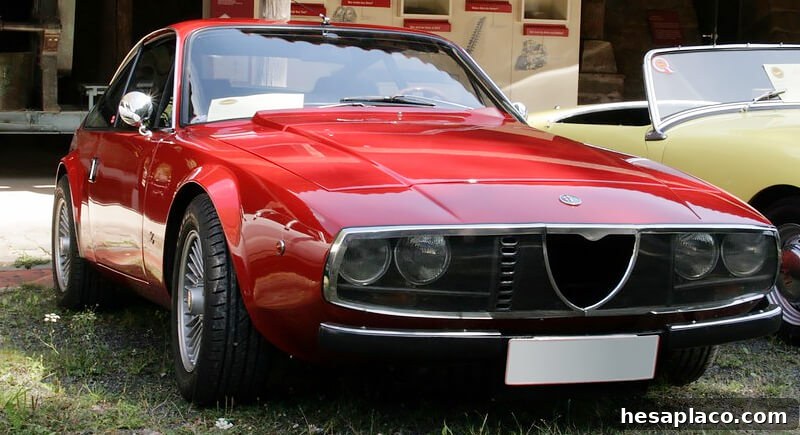
Credit: flickr
The GT 1300 Junior Z showcased Zagato’s attention to form and detail. Its angular, low-slung body and individually crafted construction set it apart from the mass-produced models. Produced in limited numbers, the Junior Z represents a striking finale to Alfa’s collaboration with Zagato and remains a cherished collectible among fans.
Across coupes, Spiders, and sedans, the Alfa Romeo 105 Series combined style, performance, and everyday usability in ways few rivals matched. Today these cars are celebrated for their timeless design, rewarding driving dynamics, and the way they proved Alfa could make practical cars feel genuinely alive.